
$64.90
Free delivery · 7–14 days
Magnetic Wellness Ring for Everyday Comfort & Style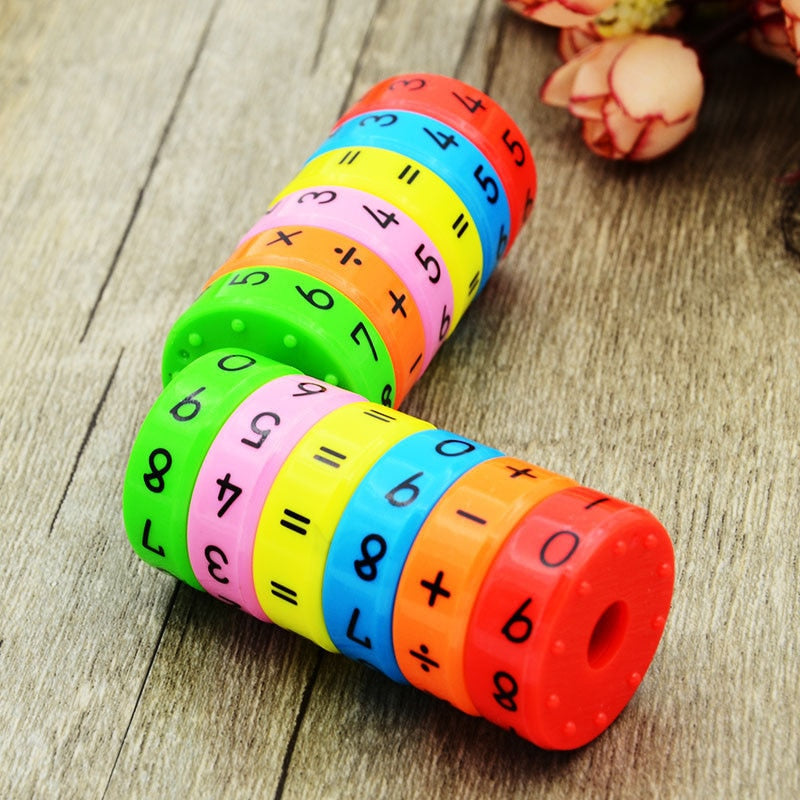
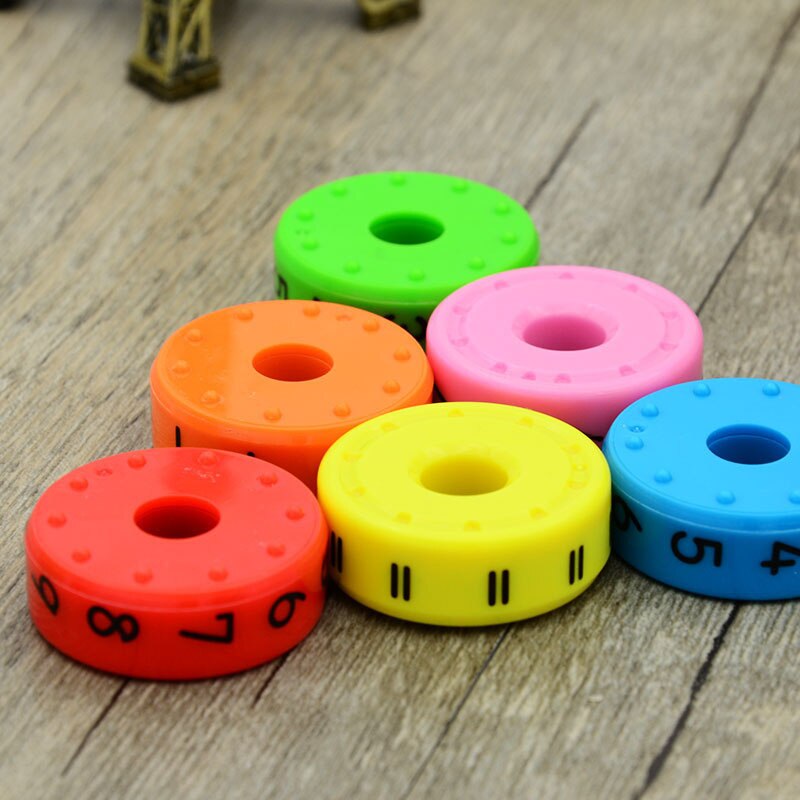
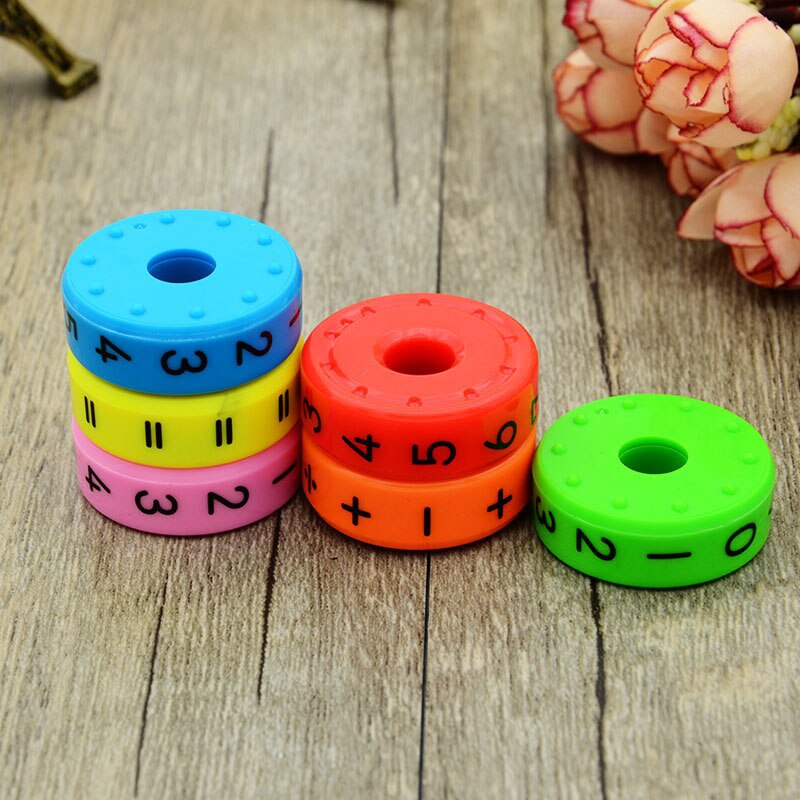
Turn number practice into a hands-on activity children can see, touch, and repeat. Colorful rotating rings make screen-free sequences and basic arithmetic feel more playful.
Read the full descriptionTurn number practice into a hands-on activity children can see, touch, and repeat. Colorful rotating rings make screen-free sequences and basic arithmetic feel more playful.
Hands-on colorful math practice that makes learning numbers and arithmetic fun
Replace dull worksheets and reluctant practice with colorful, tactile play. Rotating rings let children build number sequences and simple arithmetic problems they can see and touch.

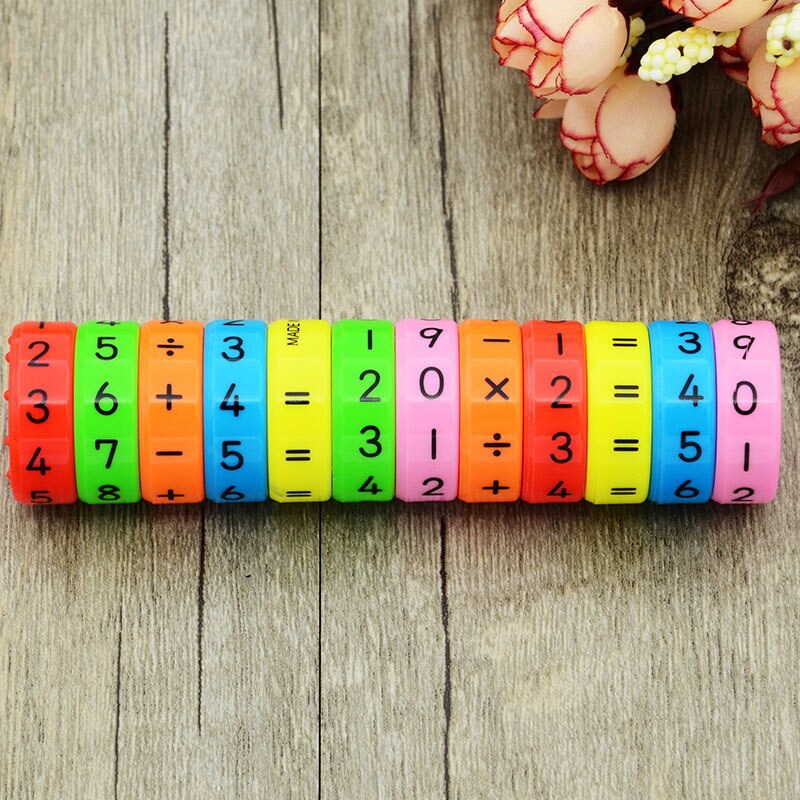
Stacked rings rotate so children can actively align number sequences and arithmetic problems rather than passively view them.

Bold black numbers and arithmetic symbols stand out against the bright color bands during guided practice, giving children a clear visual reference.

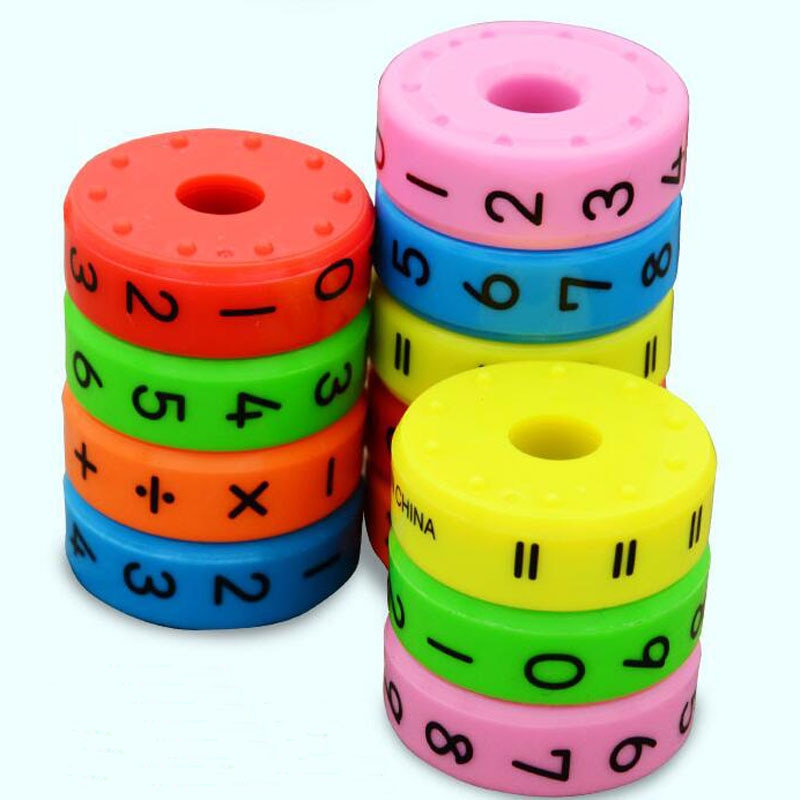
Raised tactile dots on the end rings give little fingers a physical cue for handling and rotating the toy.
Name a familiar number, ask the child to find a symbol, or suggest a simple sequence to build.
Show how the stacked rings turn, then let the child move them until the chosen numbers or symbols line up.
Ask what the child sees and invite them to say the sequence or arithmetic problem aloud.
Short, positive turns make it easier to return to the toy another day without making practice feel heavy.
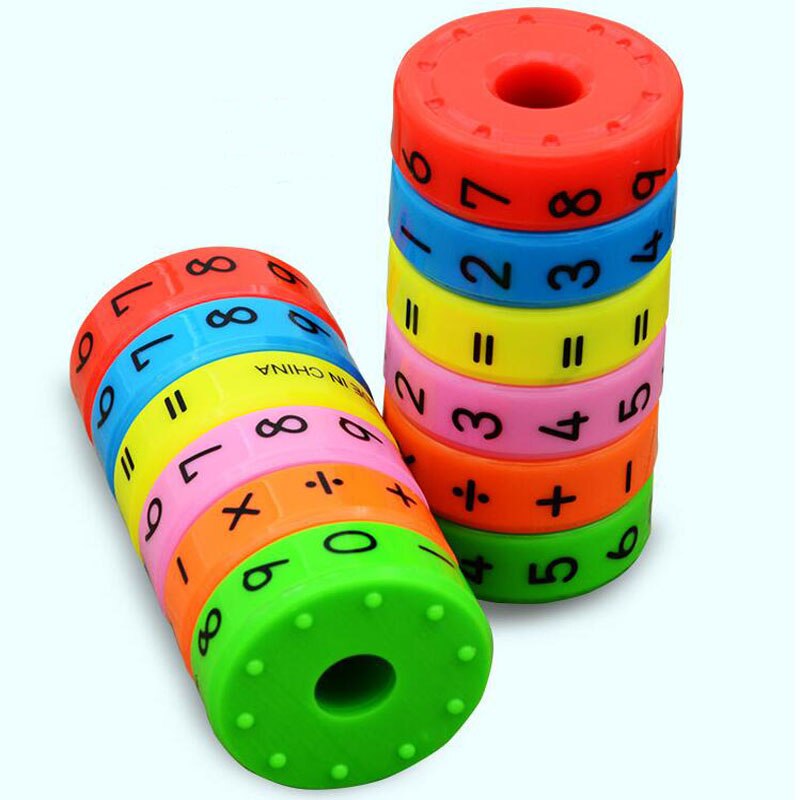
Stacked colorful rings with printed numbers and arithmetic symbols.
Raised dots provide a textured handling cue.
Visible opening runs through the compact cylindrical design.
When numbers live only on paper, practice can quickly feel like a chore. A child may lose interest before the symbols have had enough time to become familiar.
These compact rings turn numbers and arithmetic into something children can physically manipulate. They rotate, align, touch, and look again, making each practice attempt concrete.
A few minutes after preschool, during a classroom activity, or on a screen-free trip can become a comfortable chance to revisit numbers and symbols through play.
| Rotating math toy | Worksheets and flashcards | Math-learning app | |
|---|---|---|---|
| Physical manipulation | Yes | No | No |
| Visible number alignment | Yes | Partial | Partial |
| Screen-free practice | Yes | Yes | No |
| Adult guidance can be added | Yes | Yes | Yes |
| Reusable without consumable pages | Yes | No | Yes |
It suits young children beginning number recognition and basic arithmetic. It is a starting point for building familiarity with numerals and symbols, not an advanced math tool.
It supports both. Children can explore numerals and sequences, then use the printed arithmetic symbols to build simple addition, subtraction, multiplication, and division practice with adult guidance.
Many children will benefit from one short demonstration. Show one prompt, rotate the rings together, and let the child take over. Guidance can fade as the movement becomes familiar.
Yes. Its compact format works well as a guided activity station or teacher demonstration. Children can take turns aligning sequences while an educator names the numbers and symbols.
Flashcards and apps are useful for viewing and responding, while this toy adds physical manipulation. Children rotate and align the math themselves, making it a reusable screen-free alternative for short practice moments.
Yes. The compact cylindrical format is easy to keep nearby for car rides, waiting rooms, visits, and other quiet transitions. Use supervised turns to keep play focused.


 Kids Math Toy for Hands-On Numbers & Arithmetic Practice