


$44.90
Free delivery · 7–14 days
Nighttime Renewal Nail Patches for Feet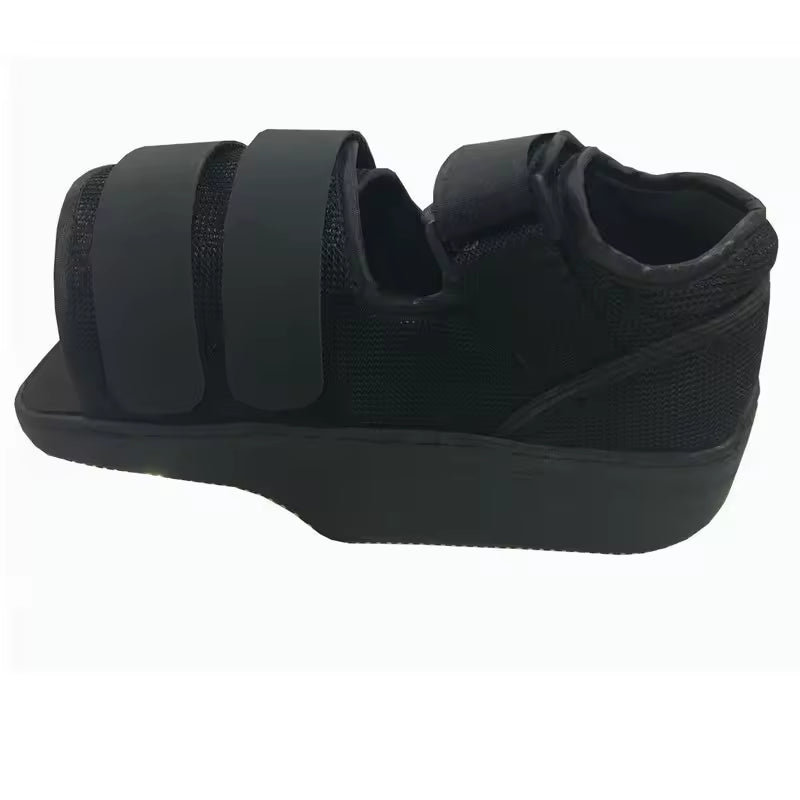

Move safely through fracture recovery with a shoe designed to offload pressure from your forefoot. Fits over casts and bandages, with a rigid sole and dual velcro straps for locked‑in stability.
Read the full descriptionMove safely through fracture recovery with a shoe designed to offload pressure from your forefoot. Fits over casts and bandages, with a rigid sole and dual velcro straps for locked‑in stability.
Medical-grade forefoot decompression shoe for safe fracture recovery and healing
Engineered for metatarsal and toe fracture recovery, this shoe redistributes weight away from your injury, allowing you to move with confidence while your bones mend.

The elevated rigid sole transfers pressure from your forefoot to your midfoot and heel, allowing pain‑free movement. The chevron tread grips floors securely, preventing slips.

The wide opening and open‑toe design accommodate casts, splints, and heavy bandaging. You won’t have to choose between protection and wearing a shoe.

Two adjustable straps wrap firmly around your foot and cast, minimizing movement that could impede healing. Easy to put on and take off, even with limited mobility.
Unfasten both velcro straps completely to create a wide opening.
Slide your injured foot (with cast or bandage) gently into the shoe, ensuring the heel sits firmly in the back.
Secure the middle strap first, adjusting until snug but not restrictive. This anchors the foot.
Fasten the top strap around the ankle for lateral stability, ensuring your foot feels locked in place.
To offload the forefoot completely, land on your heel and roll through to the midfoot. Avoid pushing off with the toes.
Main unit with integrated straps
Replacement strap for extended use
Following a metatarsal fracture, even the thought of walking triggers anxiety. Bulky casts make regular shoes impossible, and every uneven surface threatens re‑injury. You’re stuck, waiting, counting days until healing.
Designed to offload the forefoot and accommodate casts, this shoe becomes your ally. The rigid sole and dual straps lock your foot in a secure, elevated position, while mesh ventilation keeps you comfortable — so you can move without fear.
Now, recovery doesn’t mean immobility. With your weight evenly distributed and your foot protected, you reclaim daily life — going to the kitchen, navigating clinic visits — while your bones mend correctly. This is healing on your terms.
With forefoot pressure eliminated, you’ll notice less pain during short walks around the house.
Daily activities like using the bathroom or kitchen become manageable. Your foot remains protected and stable.
As your doctor clears weight‑bearing, you may begin weaning off the shoe. The rigid platform has helped ensure proper alignment during healing.
Wipe with a damp cloth and mild soap. Do not machine wash.
Let it dry naturally away from direct heat.
Keep velcro free of lint to maintain grip.
Roughly the size of a standard men’s sandal, but with a taller profile.
| This Shoe | Flat Post‑Op Shoe | Regular Sandal | |
|---|---|---|---|
| Forefoot offloading | Partial | — | |
| Fits over casts | — | — | |
| Rigid sole protection | — | — | |
| Breathable mesh | — |
Yes, the wide opening and adjustable straps accommodate most standard walking casts and gypsum splints. Always follow your doctor’s weight‑bearing instructions.
The shoe is designed to be universal — it fits either foot comfortably. The open toe and symmetrical strap placement ensure a secure fit on both.
Absolutely. The mesh ventilation panels reduce moisture buildup, and the open‑toe design promotes airflow, keeping your foot cool even during extended wear.
Most patients use it throughout their non‑weight‑bearing phase (typically 4–8 weeks). It’s built to last the entire healing period without losing structural integrity.
Yes, the elevated rigid sole transfers weight away from the ball of the foot to the midfoot and heel, significantly reducing pain during ambulation.


 Forefoot Decompression Recovery Shoe — Walk Pain‑Free After