Electric Push Rod Actuator 12V 24V DC for Lifting Jobs


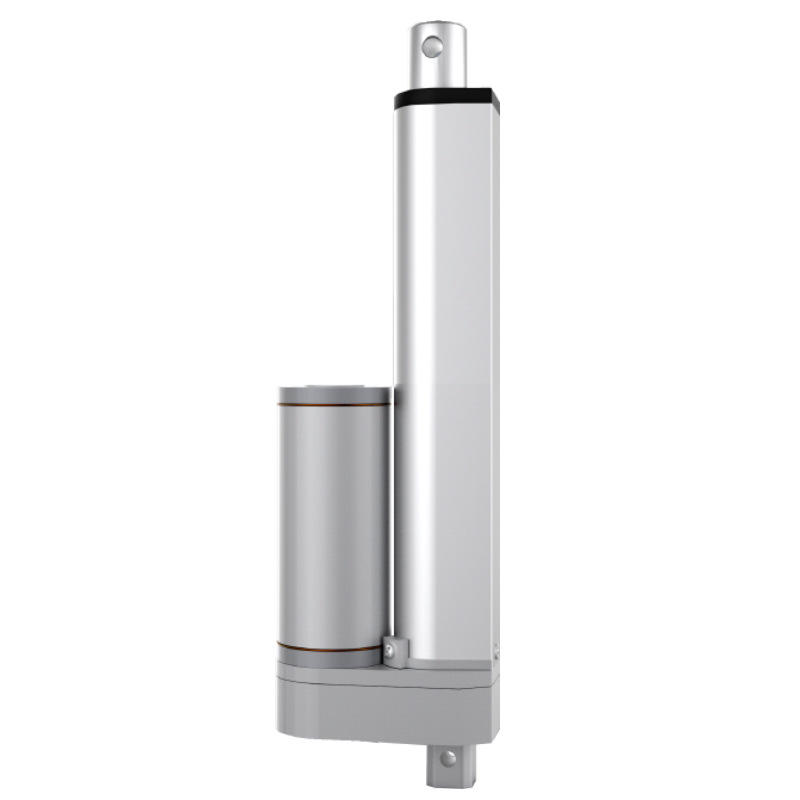
Lift, tilt and push heavy parts with a sealed 12V or 24V DC push rod. The brushed aluminum body and stainless tip handle repeated cycles, and the clevis mounts at both ends pin straight into your frame. Built for the builder who is done doing the lifting by hand.
Read the full descriptionDescription
Lift, tilt and push heavy parts with a sealed 12V or 24V DC push rod. The brushed aluminum body and stainless tip handle repeated cycles, and the clevis mounts at both ends pin straight into your frame. Built for the builder who is done doing the lifting by hand.
Powerful 12V/24V electric push rod for effortless lifting and pushing
- manual lifting and pushing effort
- need for reliable linear motion in tight spaces
- difficult mounting for custom projects
Lift and push with effortless linear power
Stop muscling heavy lids, tables and panels into place. This electric push rod turns hand effort into controlled motion for your build.
Engineered for steady linear push and lift
- Steady 12V or 24V drive
Choose the voltage that matches your supply. The 12V version runs from a standard 12V battery or adapter, and the 24V version fits systems already running at 24V. Match the rating to your power source and the motor will run as intended.
- Aluminum body, stainless tip
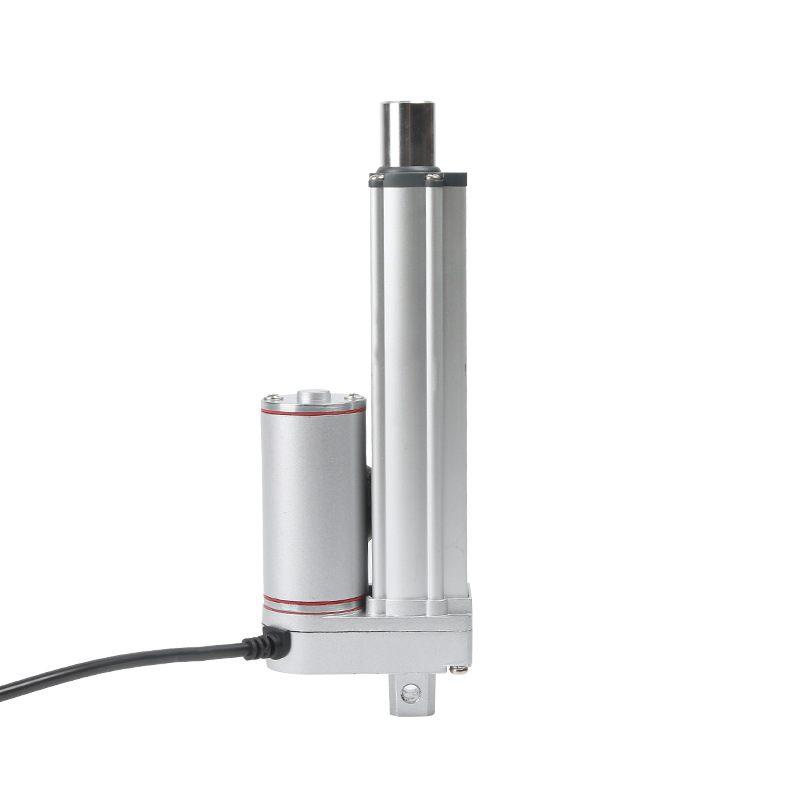
The housing is brushed, anodized aluminum in a clean silver finish. The rod tip is polished stainless steel. Both hold up to repeated extension, and the finish stays clean in a workshop where dust and handling are part of the job.
- Clevis mounts at both ends
A rear clevis and a front clevis let you pin the actuator straight between the frame and the moving part. You skip the custom brackets and get a load path that runs along the rod, which is what keeps the unit working for years.
What arrives with your actuator
- Electric push rod actuator×1
12V or 24V DC, with attached power cable
- Rod-end fittings
Pictured in the gallery
- Metal mounting brackets
Pictured in the gallery
Hand effort stops being the plan
The build that stalls
Every improvised lever slows the project down. You lift the panel, hold it with one hand, and try to line up the bracket with the other. By the third attempt your back is sore and the joint is still crooked. The project waits on muscle, and muscle runs out first.
The motion you can trust
Once the actuator is pinned between frame and load, the rod does the work. It extends at a steady pace, stops where you stop it, and repeats the same path every cycle. Lift tables, recliners and hatches move the same way on the tenth run as on the first.
Versus manual jacks and budget actuators
| This actuator | Manual jack | Budget actuator | |
|---|---|---|---|
| Powered motion | — | ||
| Clevis mounts at both ends | — | Partial | |
| Stainless steel rod tip | — | Partial | |
| Anodized aluminum housing | Partial | Partial | |
| Runs from 12V or 24V DC | — | Partial |
Characteristics
Reviews
Questions and answers
Match the actuator to the supply you already run. A 12V battery or adapter takes the 12V version, and a 24V system takes the 24V version. Check the rating on the unit before you wire it, since a mismatch can underperform or damage the motor.
Pin the rear clevis to a fixed point on the base or frame, then pin the front clevis to the moving arm, lid or panel. Line the rod up with the direction of travel so the load runs down the axis of the rod. Side loads wear the housing faster.
The actuator ships with its attached power cable. Rod-end fittings and mounting brackets are shown in the gallery, so check your order contents against those photos before you start the build.
Force depends on speed. At 5mm/s the rated thrust is 2000N (200 kg), and at 60mm/s it drops to 200N (20 kg). Pick the speed that suits the job: slow for heavy lifts, fast for light, quick movement.
The anodized aluminum housing and stainless rod tip are the parts that wear first on cheap units. The clevis mounts remove the custom brackets and rework that eat up a weekend. One unit that runs for years costs less than rebuilding a bent bracket twice.
Yes. It suits lift tables, recliner mechanisms, TV lifts and hatches. Check that the load stays inside the thrust rating at the speed you pick, and run a short test cycle before you load the top.
Similar products
See all Electric Push Rod Actuator 12V 24V DC for Lifting Jobs