
$44.90
Free delivery · 7–14 days
Lubricant Eye Drops — Preservative-Free Dry Eye Relief

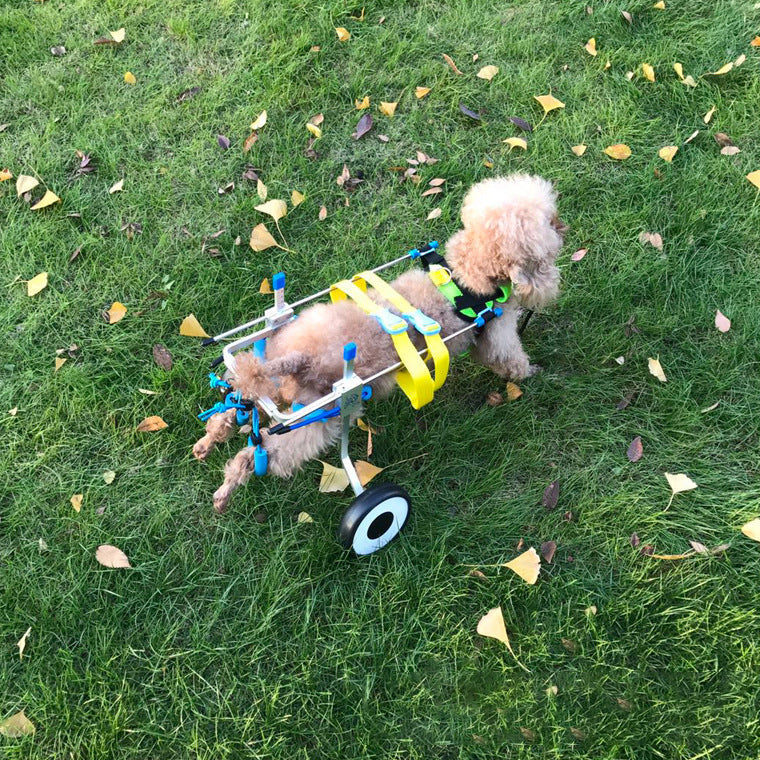

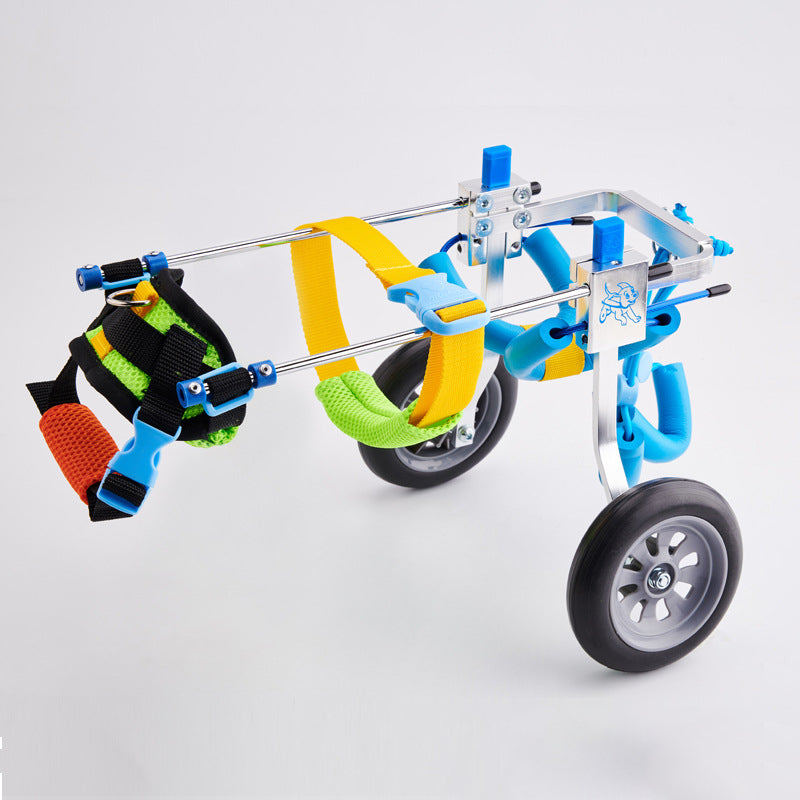

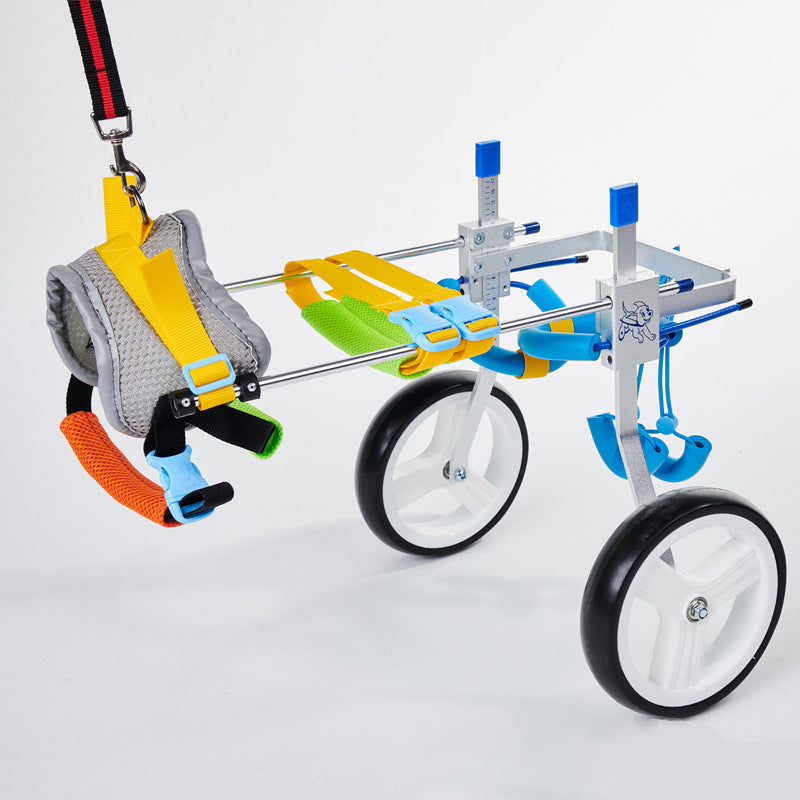

Give your dog a practical way to join walks, rehabilitation, exercise, and outdoor routines again. The adjustable metal frame, padded harness, support straps, and large rear wheels provide structured assisted mobility for dogs with hind-leg weakness or paralysis.
Read the full descriptionGive your dog a practical way to join walks, rehabilitation, exercise, and outdoor routines again. The adjustable metal frame, padded harness, support straps, and large rear wheels provide structured assisted mobility for dogs with hind-leg weakness or paralysis.
Helps disabled dogs regain assisted mobility for walking and outdoor activity
Hind-leg weakness can make every walk feel out of reach. This adjustable wheelchair supports your dog’s hindquarters for assisted standing, walking, outdoor activity, and rehabilitation.

The rectangular metal frame and vertical supports position the dog for assisted standing and walking. Adjust the structure carefully for your dog’s body and hind-leg position rather than assuming one setting fits every dog.

The padded body harness, front and rear support straps, and open leg loops distribute contact across the supported body areas. A careful fit keeps the chair supportive without turning the first session into a struggle.

Two large rear wheels keep the hindquarters elevated while your dog uses assisted rolling movement for walks, exercise, and rehabilitation. The leash attachment supports supervised outdoor routines.
Choose a flat, stable area without clutter, steps, loose rugs, or slippery patches. Keep the first session close to home and stay beside your dog.
Bring the padded harness to your dog without rushing. Secure the body support, front and rear straps, and open leg loops, then check that the frame sits in a balanced position.
Confirm that the hindquarters are supported and elevated without forcing the spine or legs into an unnatural position. Check every strap before movement begins.
Let your dog take a few assisted steps while you observe posture, front-leg effort, comfort, and willingness to continue. Stop if your dog becomes tired, distressed, or uncomfortable.
Increase use only when your dog remains comfortable and balanced. Follow veterinary or rehabilitation guidance for condition-specific exercise and rest.
Adjustable rectangular metal frame
Rolling support for the hindquarters
Padded body support
Front and rear positioning support
Open rear-leg support
Your dog wants to move, but weak or paralyzed hind legs can make standing, walking, and outdoor time frustrating. Carrying them or relying on an improvised sling solves one moment, not the need for regular movement.
The adjustable metal frame supports the hindquarters while two large rear wheels create rolling movement. Padded straps, open leg loops, and adjustable vertical supports keep the setup structured as your dog uses the front legs.
Picture supervised walks, controlled exercise, rehabilitation sessions, and outdoor time within your dog’s abilities. The chair gives limited mobility a practical way forward without asking the front legs to carry the entire body.
Fit the harness carefully, begin on a clear stable surface, and keep the first session brief and supervised. Watch comfort, posture, front-leg effort, and willingness to move. Veterinary or rehabilitation guidance matters when the condition or fit is uncertain.
| Adjustable dog wheelchair | Basic lifting sling | Carrying by hand | |
|---|---|---|---|
| Assisted rolling movement | Yes | No | No |
| Hindquarters elevated | Yes | Partial | No |
| Front legs available for movement | Yes | Partial | No |
| Outdoor participation | Yes | Partial | No |
| Hands-free while moving | Partial | No | No |
| Requires active supervision | Yes | Yes | Yes |
It suits dogs with hind-leg paralysis, weakness, injury, or mobility impairment who still have enough front-leg ability for assisted rolling movement. Ask your veterinarian or rehabilitation professional to assess suitability, posture, and session length for your dog.
The frame and vertical supports are adjustable, but the product does not include published measurements in the available specifications. Compare your dog’s body and leg position carefully with the chair, then confirm fit with a professional before extended use.
The wheelchair supports dogs with those mobility challenges by elevating the hindquarters and providing assisted rolling movement. The underlying condition still determines whether the dog can use it safely, so professional guidance is important.
The open leg loops leave the rear area less enclosed than a full-body carrier, but bathroom access depends on your dog’s anatomy, fit, and positioning. Check the setup closely and remove the chair for toileting if needed.
Begin with a brief supervised session on a flat, clear surface. Stop for rest if your dog shows fatigue, distress, rubbing, poor posture, or reluctance, then follow the guidance of your veterinarian or rehabilitation professional.
Carrying and slings provide short-term lifting support. This wheelchair adds rolling rear-wheel support, keeps the hindquarters elevated, and gives your dog a more practical way to participate in supervised outdoor movement.


 Dog Wheelchair for Disabled Dogs | Assisted Mobility