
$69.90
Free delivery · 7–14 days
Dog Puzzle Toy for Slower, Smarter Daily Mealtimes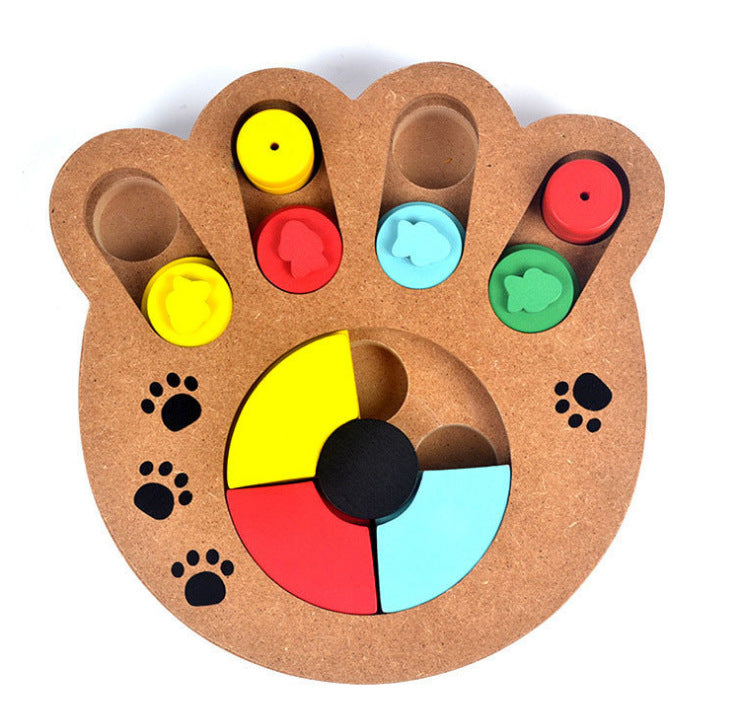
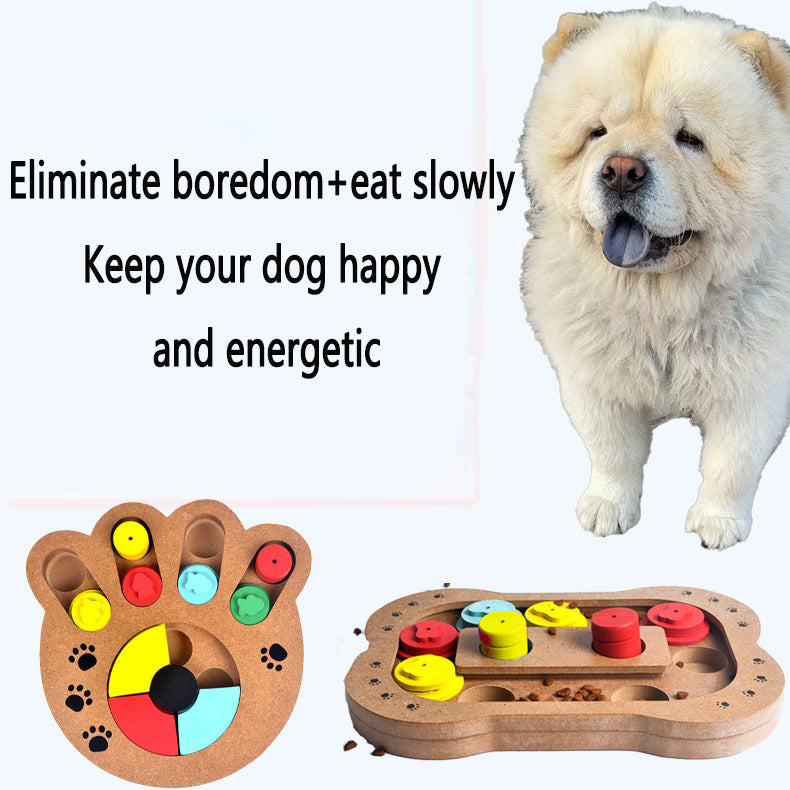
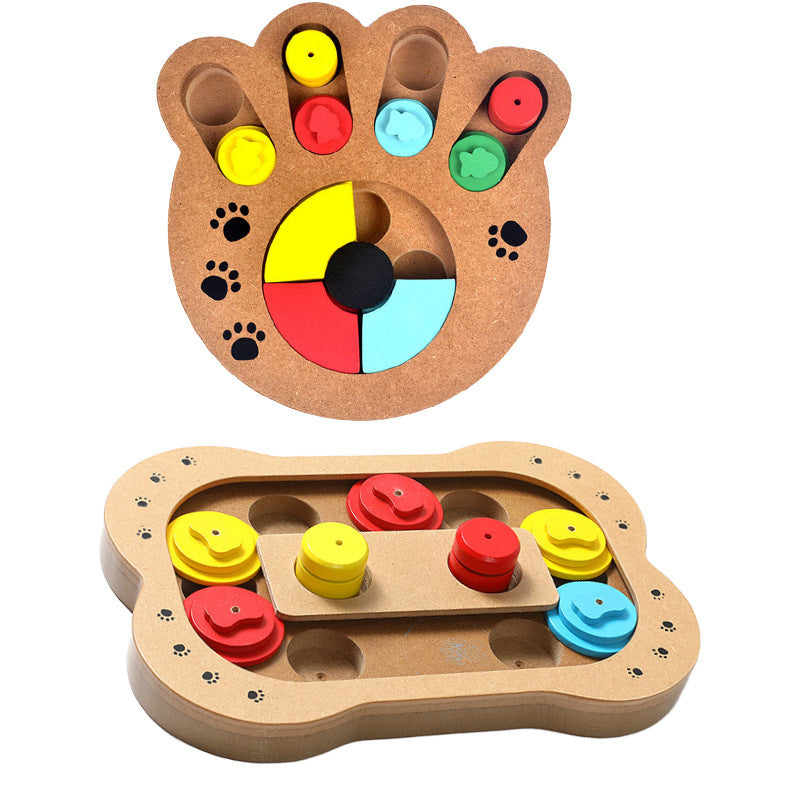
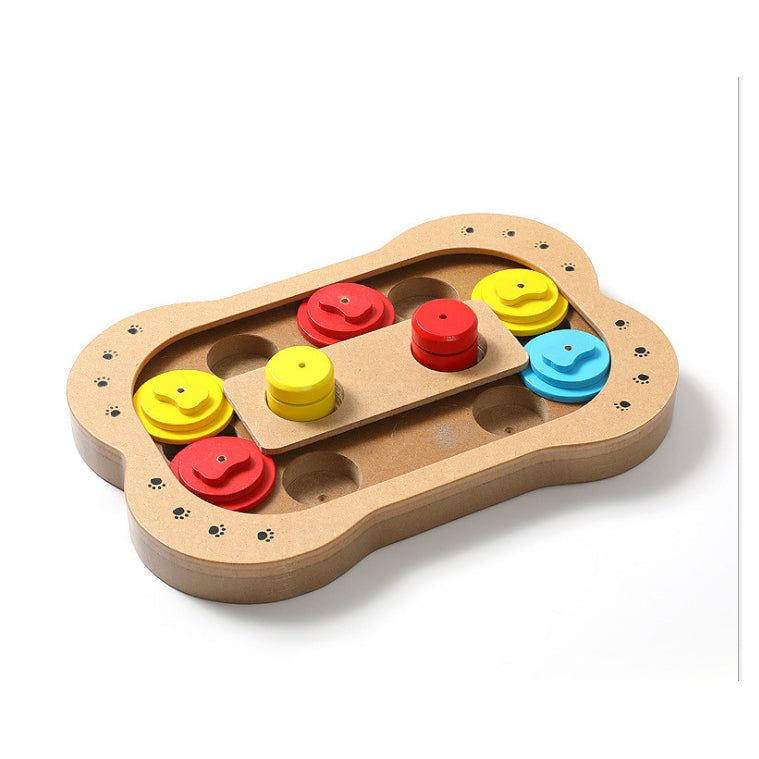
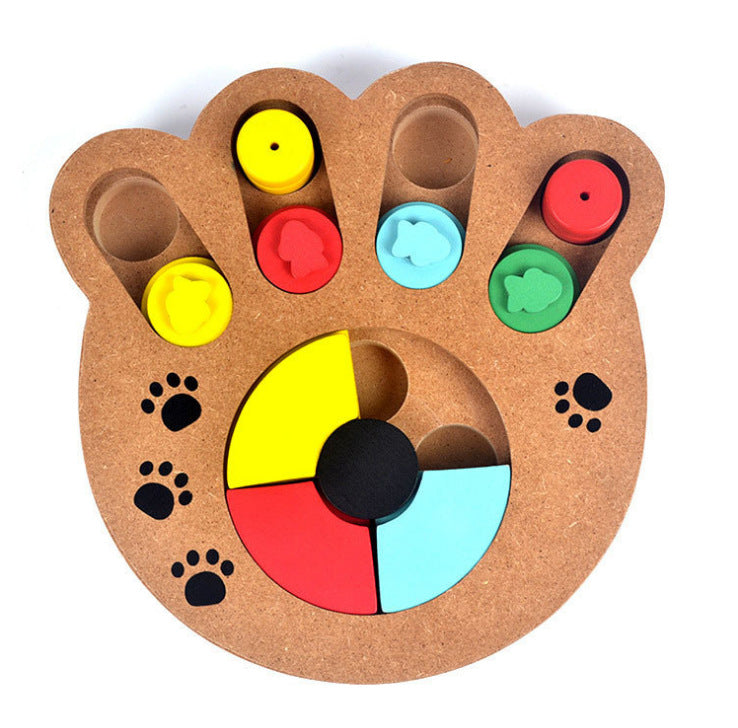
Turn every meal into a satisfying little mission with a colorful wooden dog puzzle toy. Multiple compartments, raised pieces, and a rotating wheel bring slower feeding and purposeful indoor enrichment to the daily routine.
Read the full descriptionTurn every meal into a satisfying little mission with a colorful wooden dog puzzle toy. Multiple compartments, raised pieces, and a rotating wheel bring slower feeding and purposeful indoor enrichment to the daily routine.
Interactive slow-feeder puzzle that helps eliminate boredom while making dogs work for their food
Fast eating and idle behavior can leave food-motivated dogs restless. This interactive wooden puzzle turns daily food or treat time into slower, supervised enrichment.
Multiple compartments and raised puzzle pieces require your dog to manipulate the board before reaching food or treats. Every opening becomes part of the game.
Dividing food across repeated access points replaces one instantly available bowlful with a more deliberate feeding routine.
The rotating central wheel and colorful raised pieces give food-motivated dogs a purposeful challenge during indoor feeding or treat time.
Use regular kibble or appropriately sized treats your dog already enjoys.
Place visible food in a few accessible compartments rather than filling every section at once.
Set the board on a stable surface and allow your dog to sniff, paw, and discover the food without rushing.
Once your dog understands the basic idea, introduce the rotating wheel and raised pieces during supervised sessions.
Remove the board when the food is gone or if your dog begins chewing the components.
Layered natural wood-toned construction
Interactive center mechanism
Bright molded pieces integrated into the board
Recessed openings for kibble or treats

Your dog gulps the bowl, looks up, and starts searching for the next thing to do. The meal is over, but the energy is still very much in the room.

Place familiar kibble or treats across the compartments. The rotating center wheel and raised pieces turn access into a sequence of sniffing, nudging, and discovery.

Under supervision, your dog works through the board at a deliberate pace. Mealtime becomes a small daily challenge that keeps curious paws and busy noses engaged.
Use a lightly damp cloth to remove crumbs and residue.
Do not soak the layered wooden construction.
Check for damage before each supervised session.
Let the board dry fully before putting it away.
| Wooden Puzzle Board | Standard Bowl | Passive Slow Feeder | |
|---|---|---|---|
| Multiple food compartments | Yes | No | Partial |
| Rotating or raised mechanisms | Yes | No | No |
| Hands-on mental engagement | Yes | No | Partial |
| Slower food access | Yes | No | Yes |
| Requires supervision | Yes | No | Recommended |
It is for supervised enrichment, not unsupervised chewing. Stay nearby, remove the board if your dog starts biting the wood or molded pieces, and inspect it after each session.
Start with visible treats in the easiest openings and let your dog sniff and investigate. Introduce the more involved mechanisms gradually, without expecting every piece to be solved at once.
Yes. Use familiar kibble for everyday feeding or appropriately sized treats for enrichment. Keep the total food portion appropriate for your dog's normal routine.
It gives you a more active alternative. A standard slow-feeder bowl focuses on food access, while this board adds rotating and raised pieces for hands-on mental engagement. Use whichever fits the meal and your dog's ability.
Stay present throughout the session. Place the board on a stable surface, watch for chewing or frustration, and put it away when the food is gone or play changes from solving to biting.
Remove leftover food promptly and wipe the board and pieces with a lightly damp cloth. Dry it fully before storing. Avoid soaking the layered wood.


 Dog Puzzle Toy Bone Slow Feeder for Boredom Relief