Carved Pine Cone Wooden Cookie Mold for Shortbread


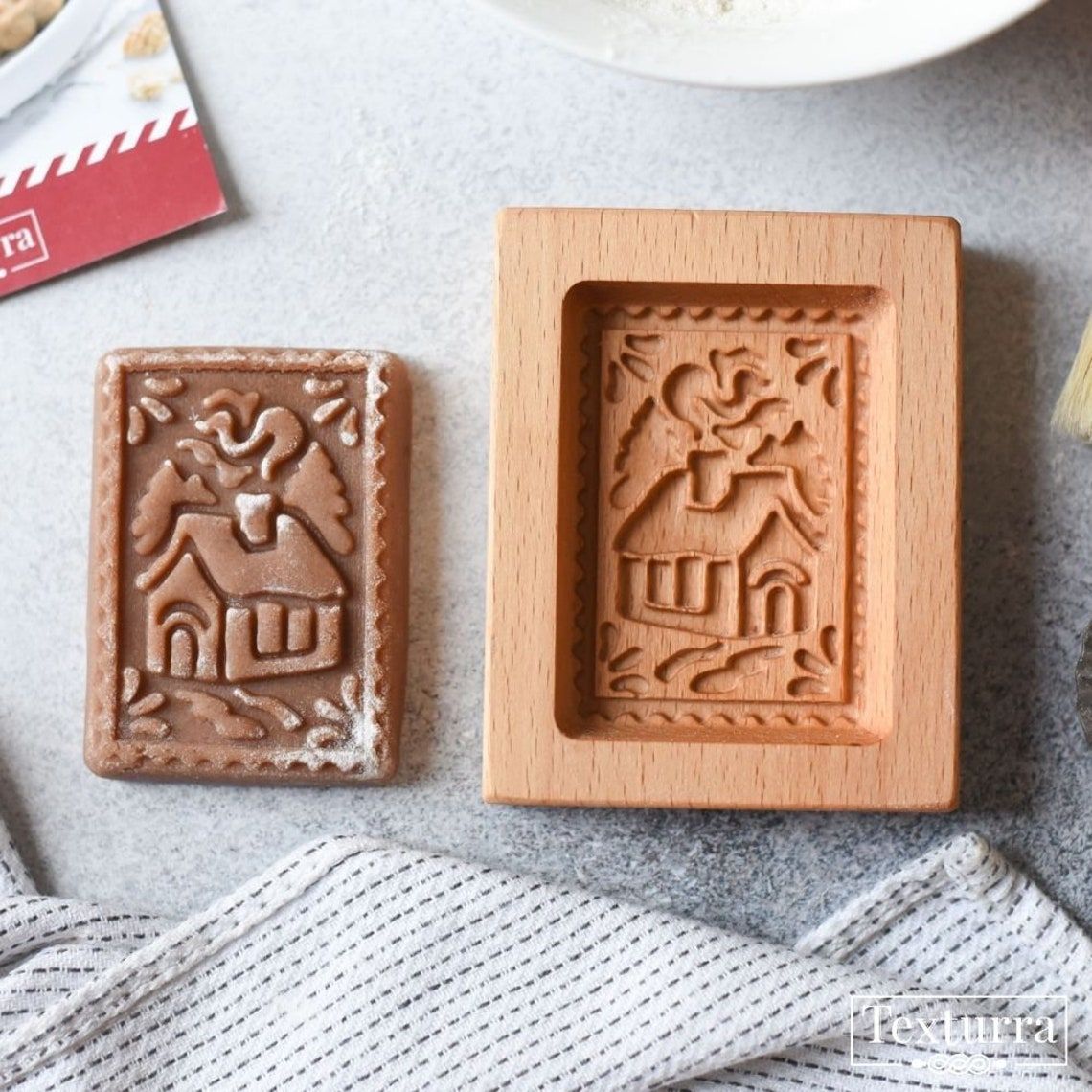
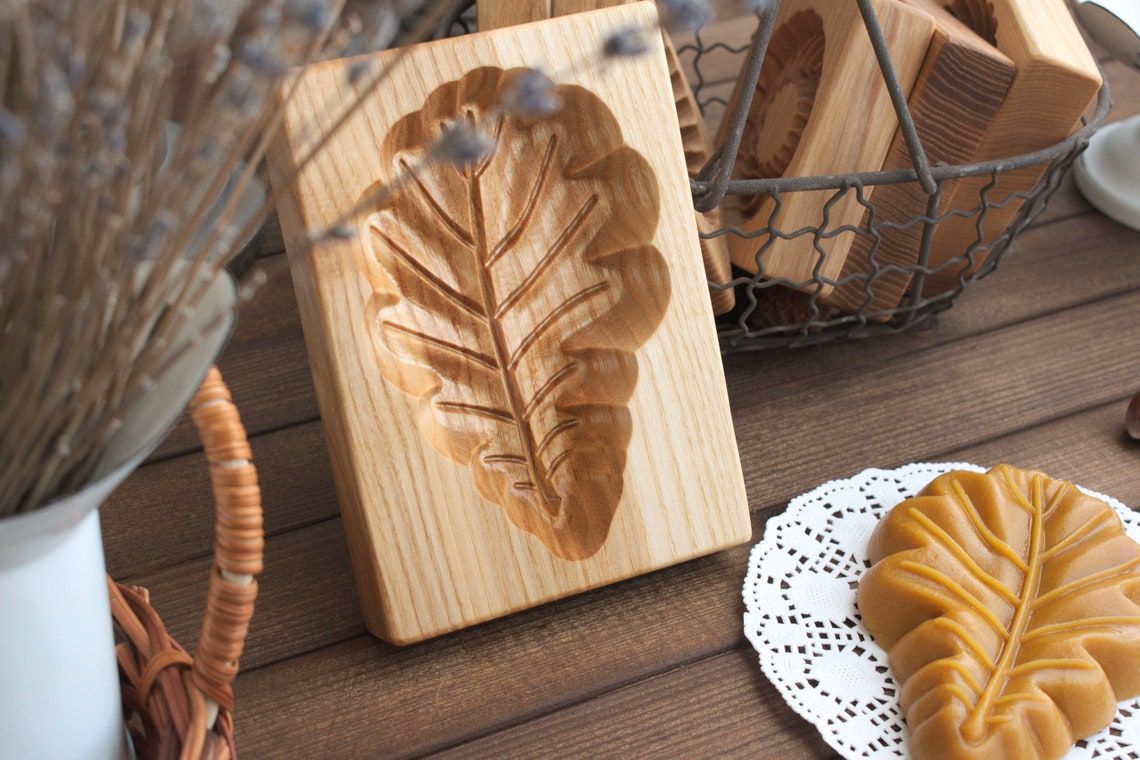


Pressing a carved pine cone into shortbread is the quickest way to make a holiday tray look like it came from a bakery. This solid beech mold leaves a crisp, rustic impression each time, built around a 60 g dough portion. Keep it in the drawer and it returns every December.
Read the full descriptionDescription
Pressing a carved pine cone into shortbread is the quickest way to make a holiday tray look like it came from a bakery. This solid beech mold leaves a crisp, rustic impression each time, built around a 60 g dough portion. Keep it in the drawer and it returns every December.
Carved wooden mold that stamps a detailed pine-cone shape into shortbread and cookie dough
- plain cookies lacking decoration
- need for a reusable handmade-look cookie stamp
Press once, get a handmade pine cone cookie.
Plain shortbread that looks like every other batch becomes rustic, festive, and gift-worthy with one carved beech wood press.
Carved detail that shows up in every press

Carved for a handmade look
The pine cone relief is carved into solid beech, so the scales and ridges come out sharp on the dough. The result reads as hand-stamped, not like a blurry plastic impression. Dust the carving lightly and the detail holds from the first cookie to the last.

Solid natural beech
The mold is solid beech with a matte, honey-toned finish. It feels warm in the hand and sits well on a wooden board or a marble counter. Wood is also a material you can wipe clean and reuse season after season.

Made for the holiday tray
Pressed shortbread on a cooling rack is what this mold is for. Make one batch for the family table or a full set of gift tins, and every cookie carries the same pine cone impression. The mold is built around a 60 g dough portion, so the pieces come out consistent.
Three steps from dough ball to stamped cookie
- 1Chill the dough until firm
Shortbread that is firm and cool holds the carved edges. Soft, warm dough spreads and blurs the pine cone detail.
- 2Dust the carving with flour
Shape a 60 g portion and dust the carved face lightly with flour. The first press may need a little more flour while you find the right dough firmness.
- 3Press straight down, then lift straight up
Use even pressure, then lift in one clean motion. Twisting sideways can smear the impression. Bake on parchment as your recipe directs.
Hand wash, dry, and it lasts for years
- Wipe, do not soak
Use a damp cloth after each batch. Soaking or a dishwasher can swell the wood and dull the carved edges.
- Dry it right away
Dry the mold fully with a towel, then let it air-dry before you put it away.
- Store it dry
Keep it in a dry cupboard so the carving stays sharp for next December.
Characteristics
Reviews
Questions and answers
A light dusting of flour on the carving is enough for most shortbread. Chill the dough until firm, press straight down, and lift straight up. The first press may need a touch more flour while you find the right firmness.
Wipe it with a damp cloth, dry it at once, and let it air-dry before storing. Skip soaking and the dishwasher, since water exposure can warp wood and wear down the carved detail.
The carved surface is solid, with no seams or moving parts for dough to hide in. A quick wipe after each batch is usually enough, and it stays cleaner than a plastic stamp that has worn into fine grooves.
A solid beech mold costs more up front than a plastic stamp because it is built to last. One press every December, reused for years, spreads that cost across every tray you bake. The pine cone version measures 13 x 8 x 2 cm.
The mold is built around a 60 g dough portion, the weight printed on the packaging. Start there, then adjust if your recipe runs firmer or softer. For more shapes, browse cookie molds springerle.
Similar products
See all Carved Pine Cone Wooden Cookie Mold for Shortbread