
$40.90
Free delivery · 7–14 days
Protective Cartoon Silicone AirPods Case with Clip Loop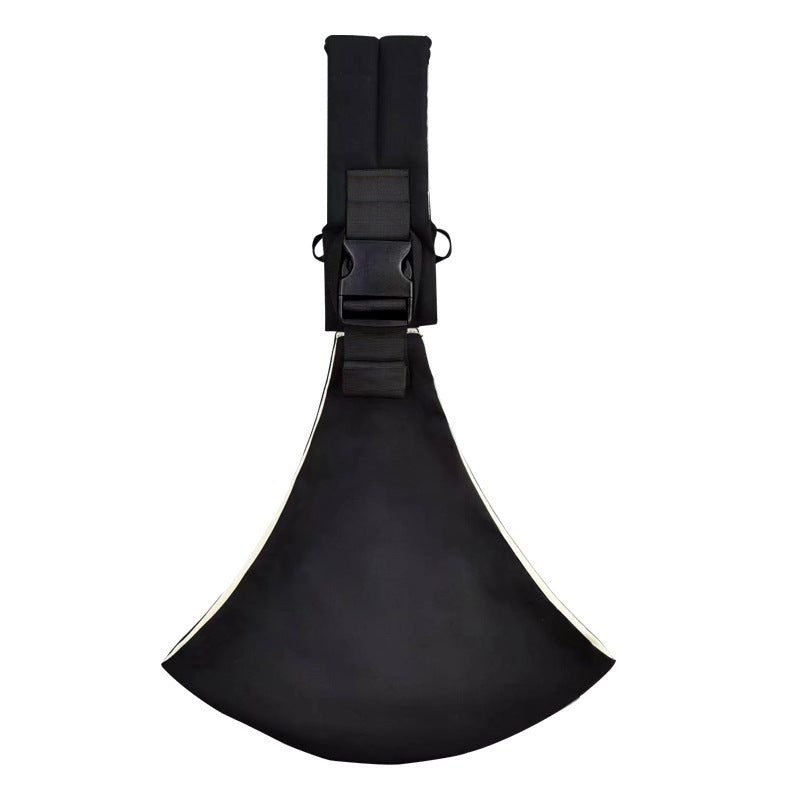
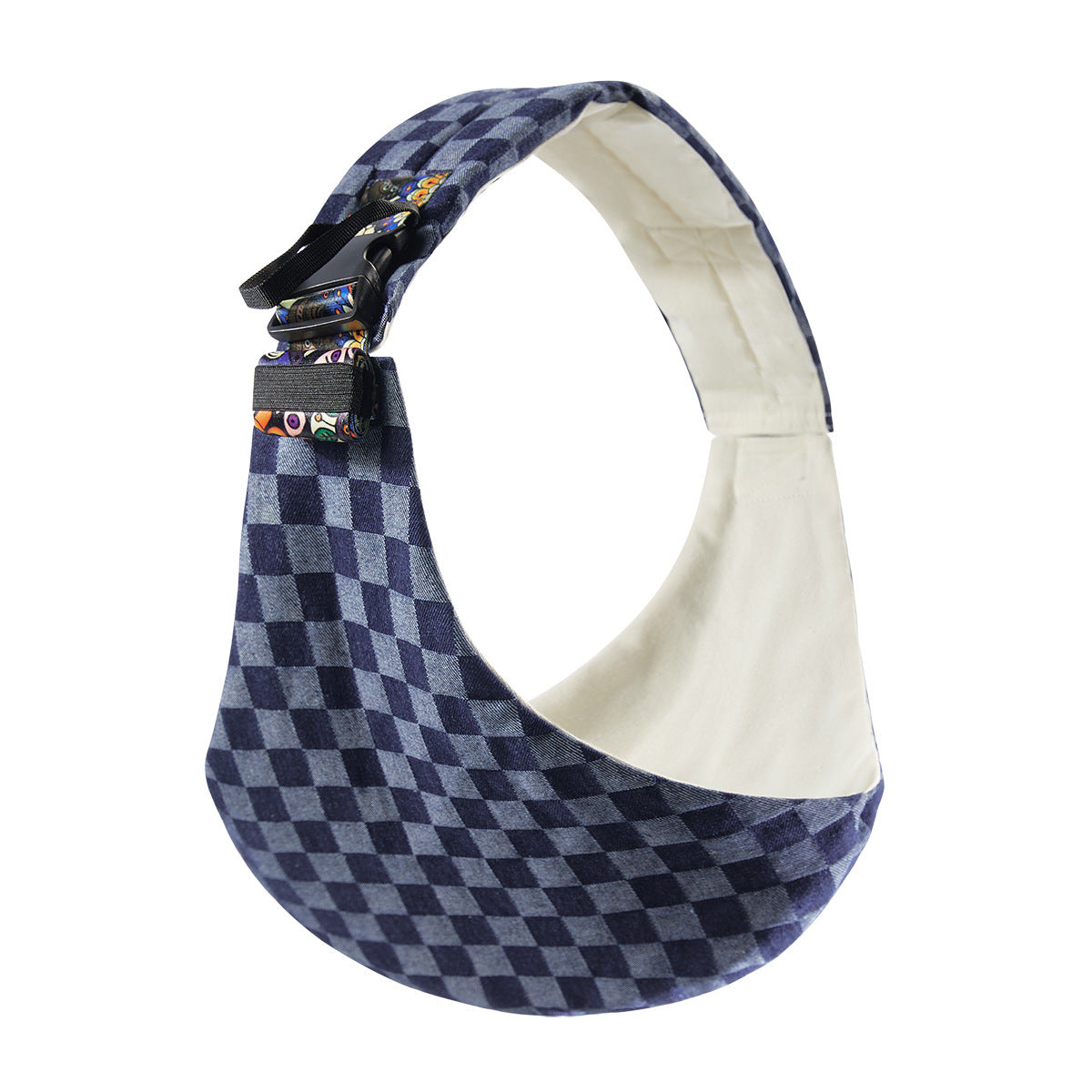
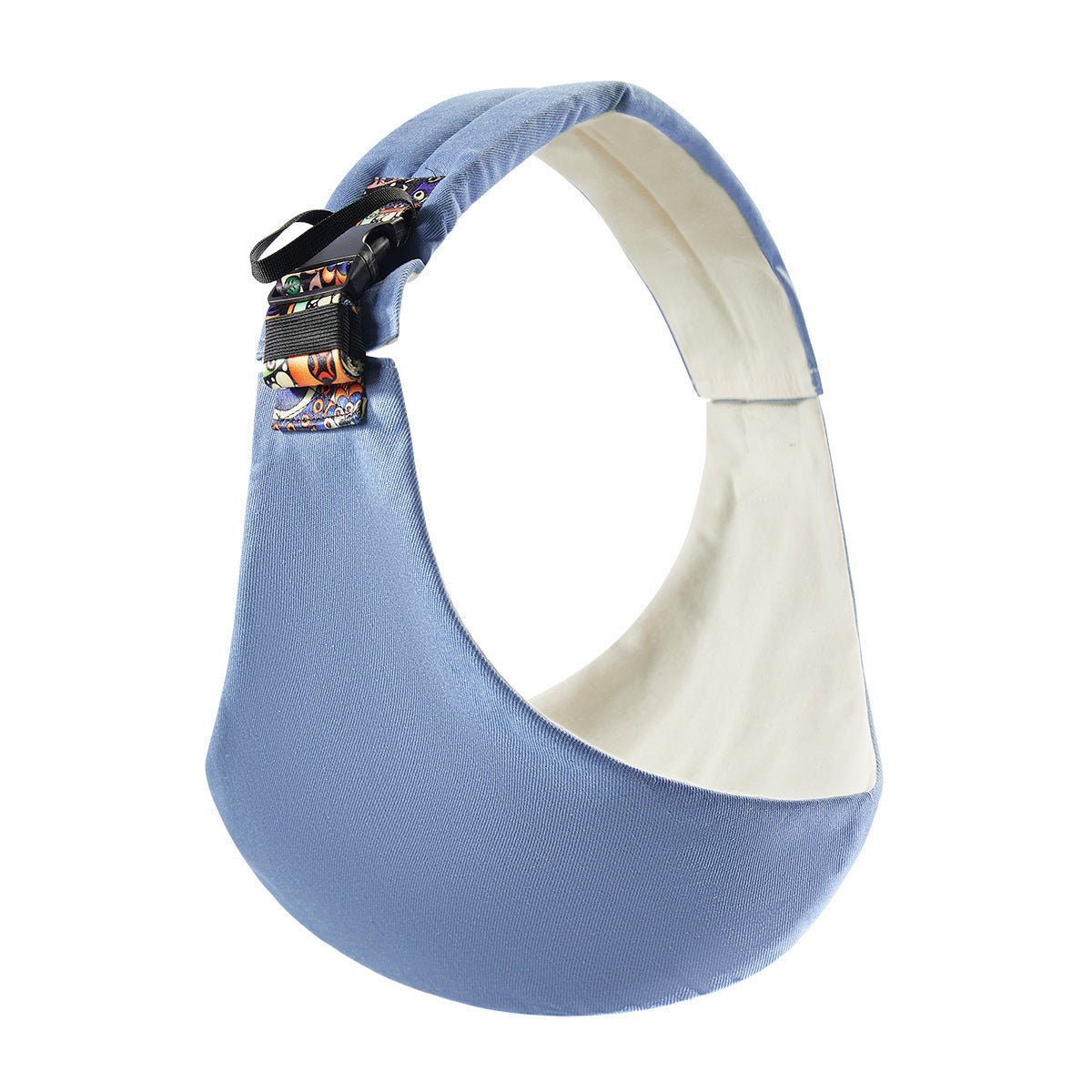
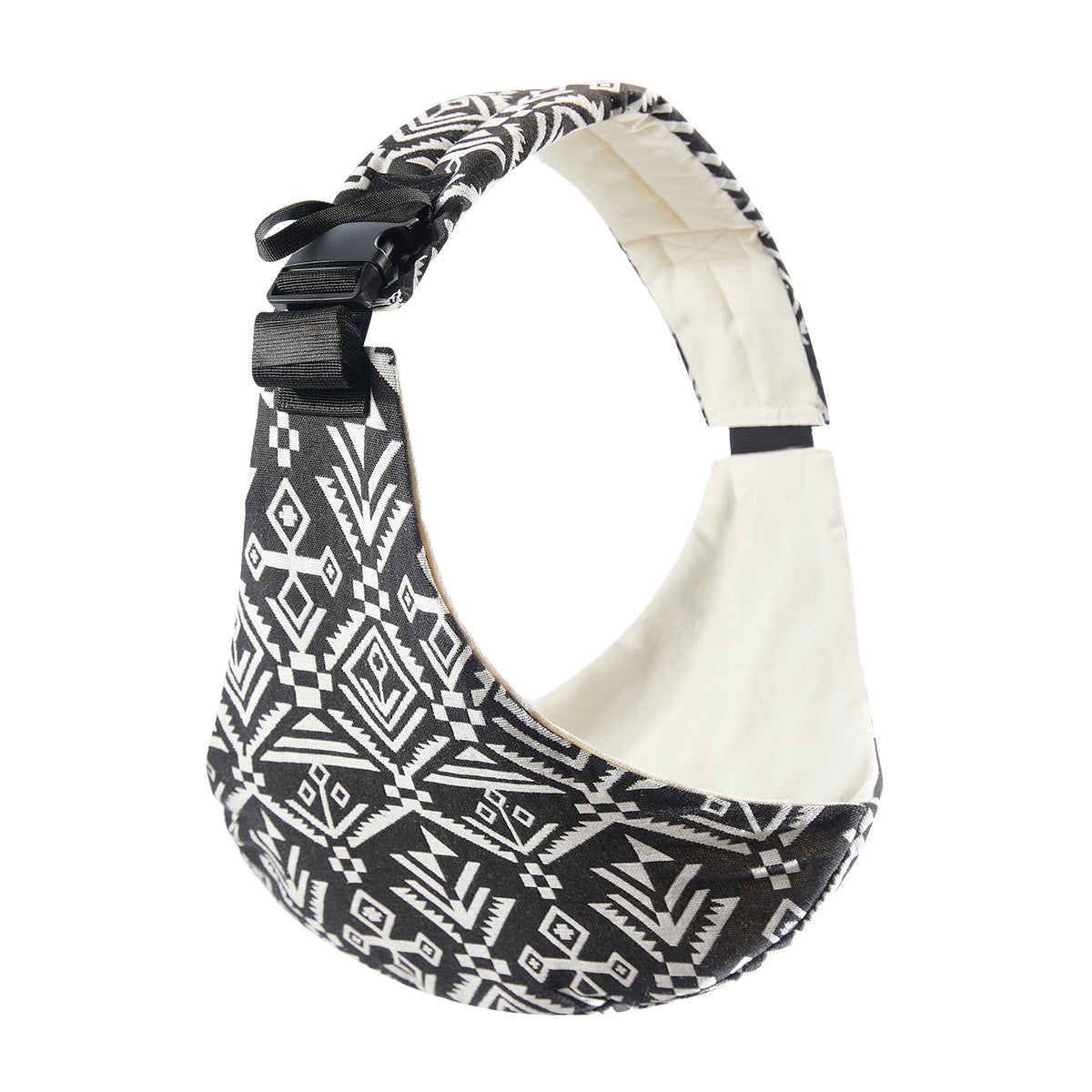
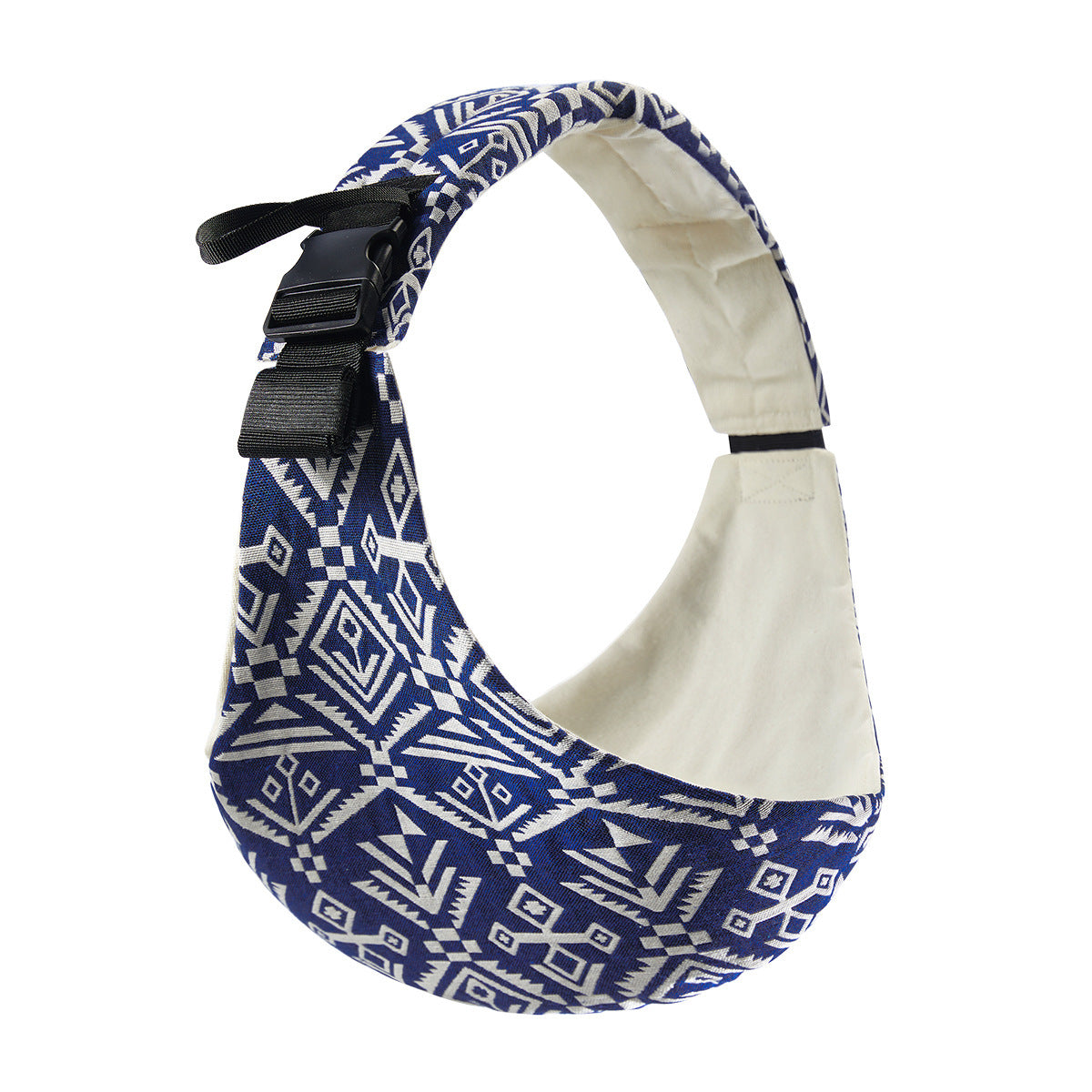
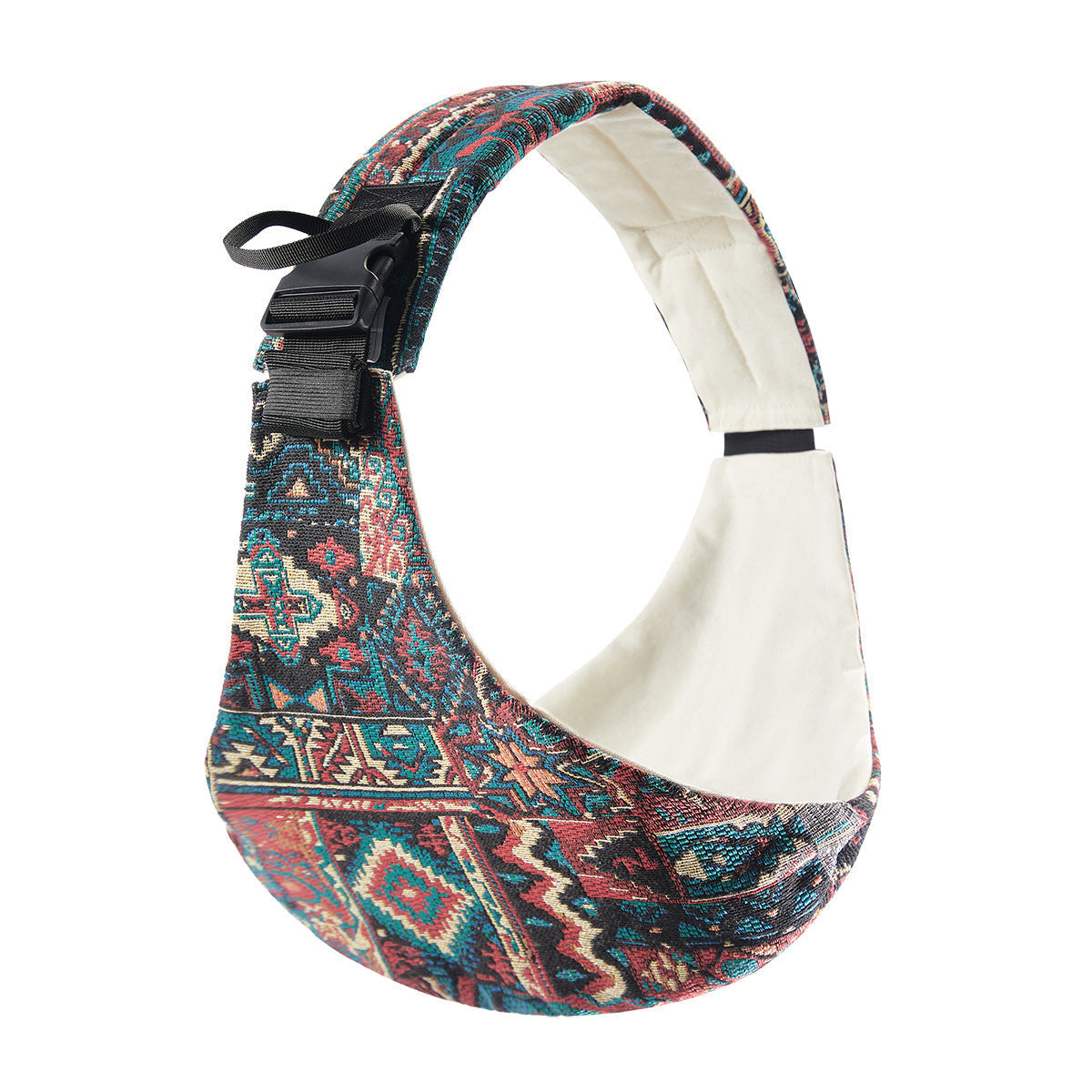
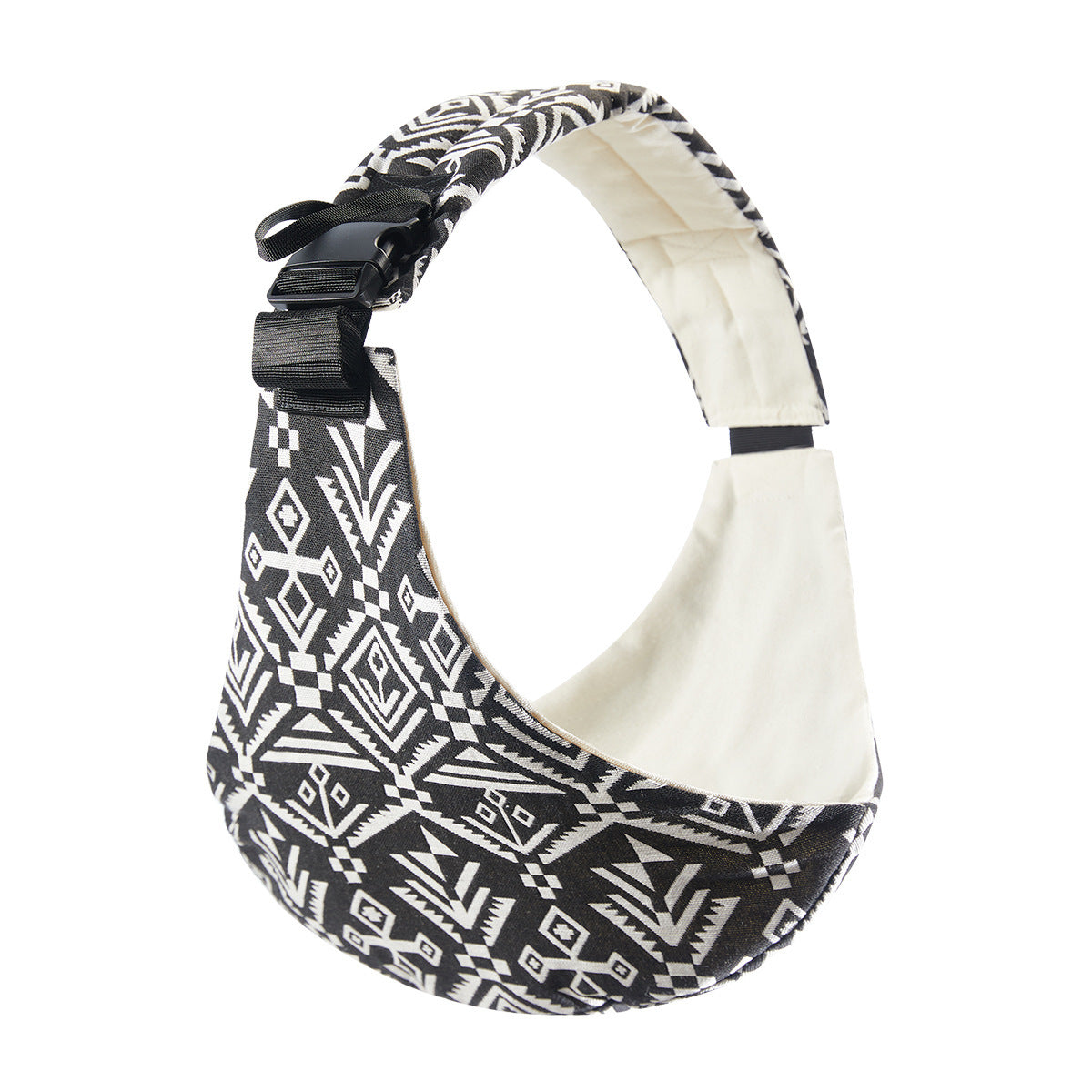
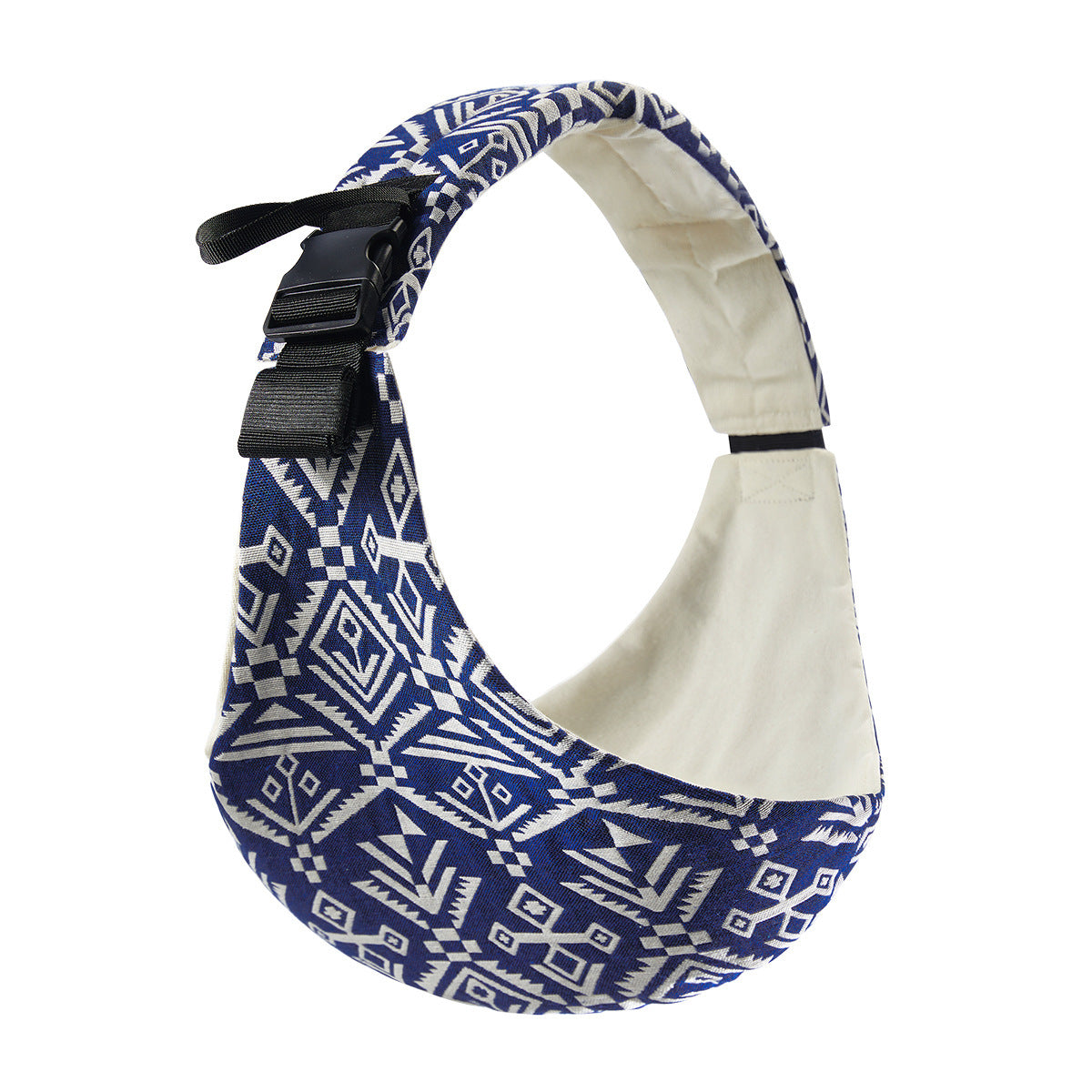
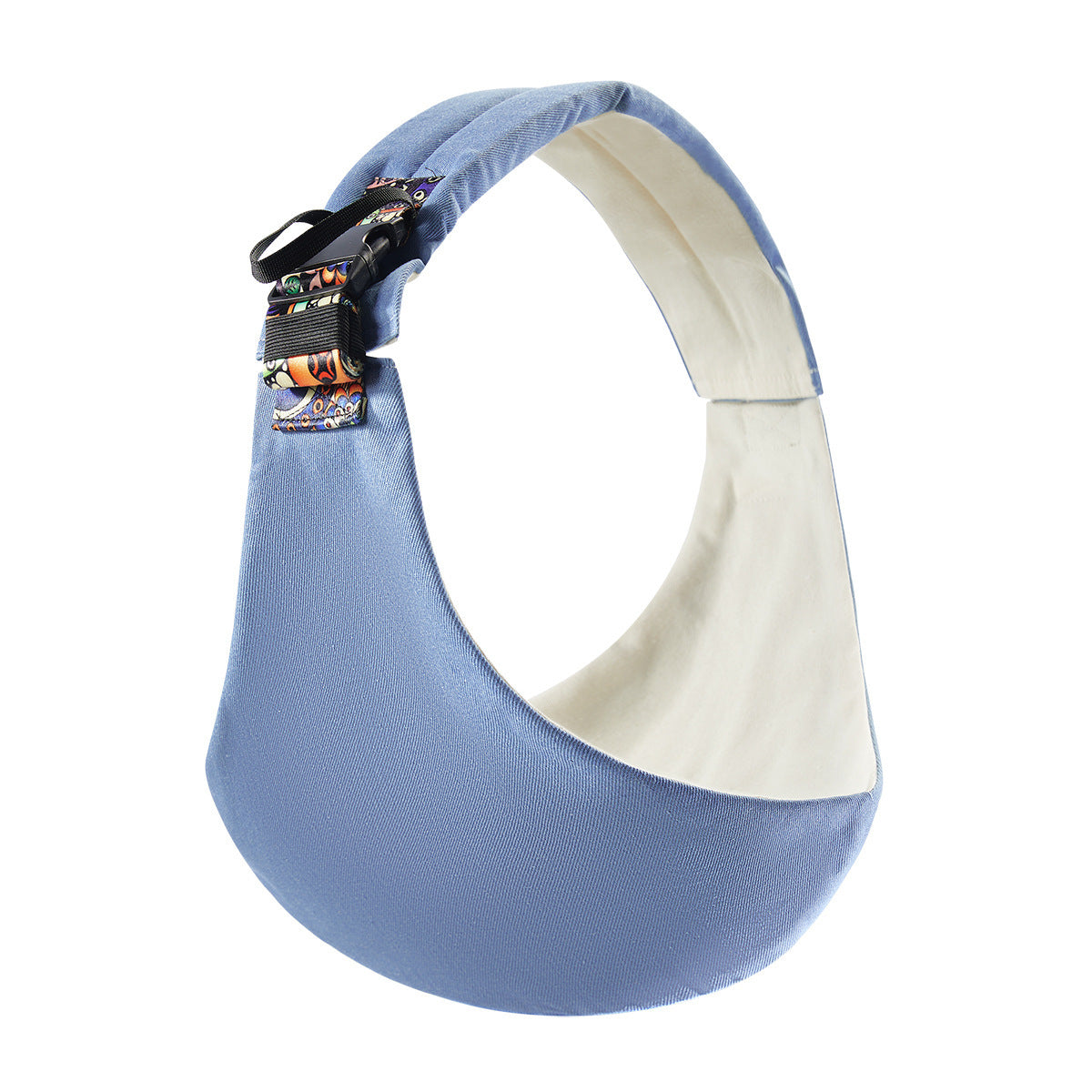
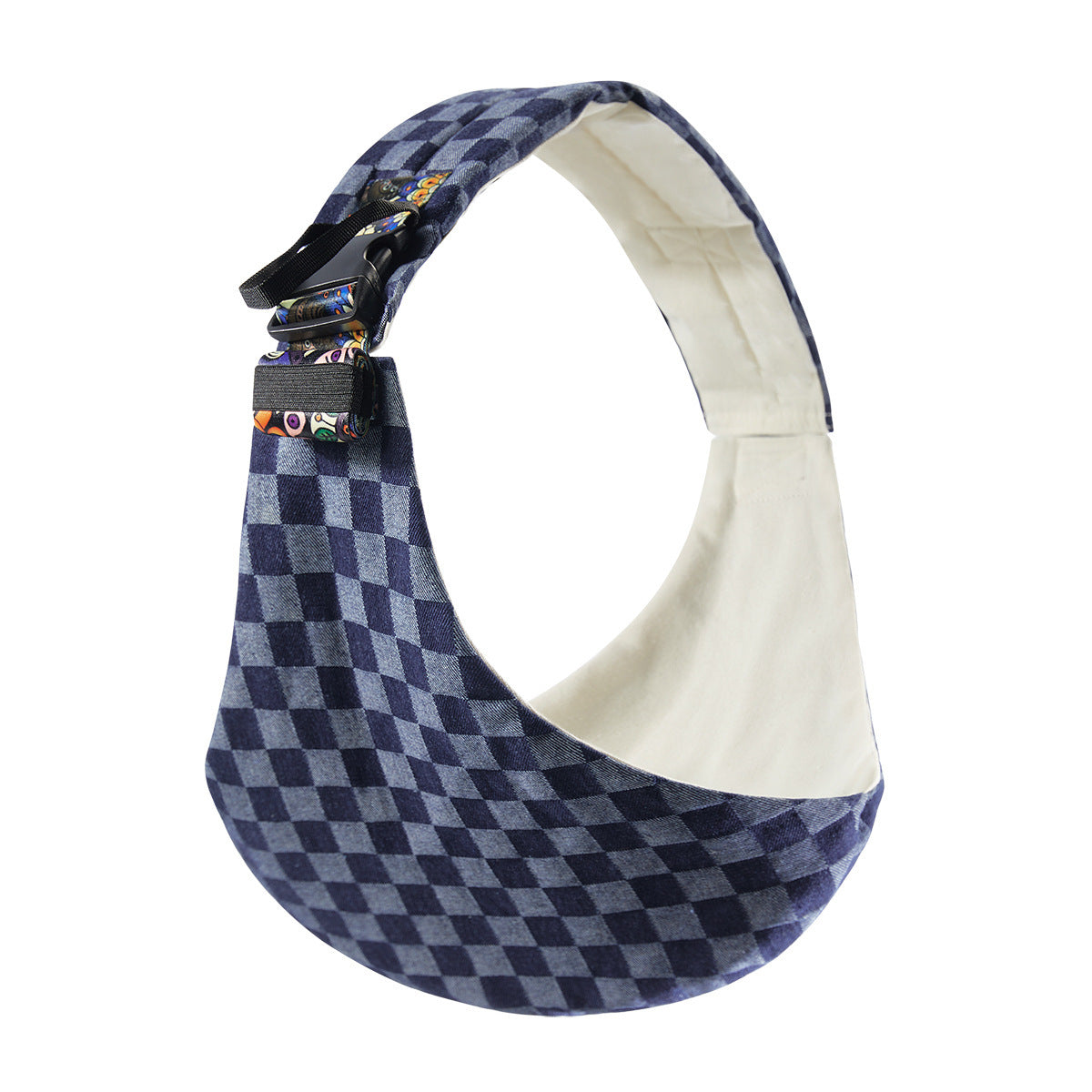
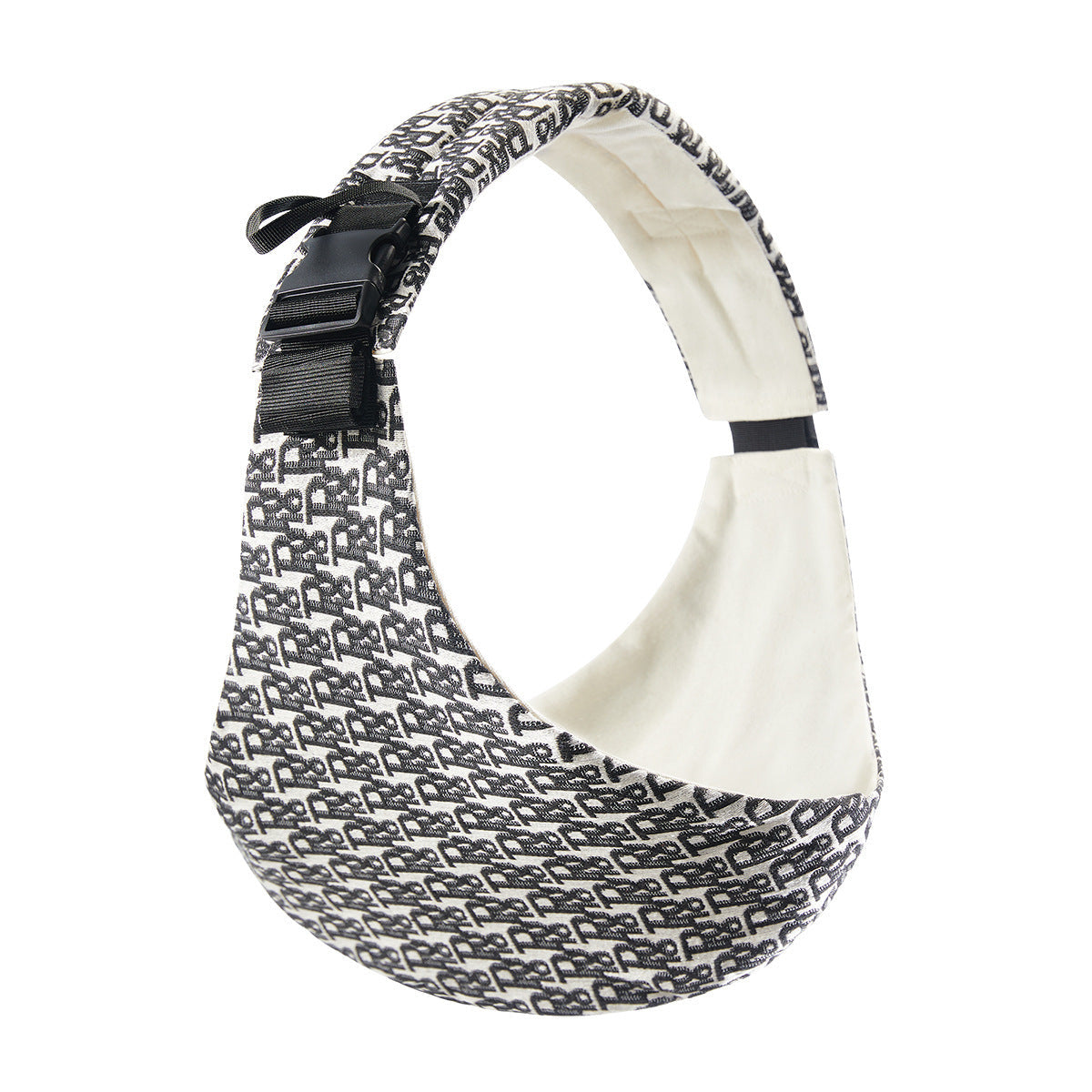
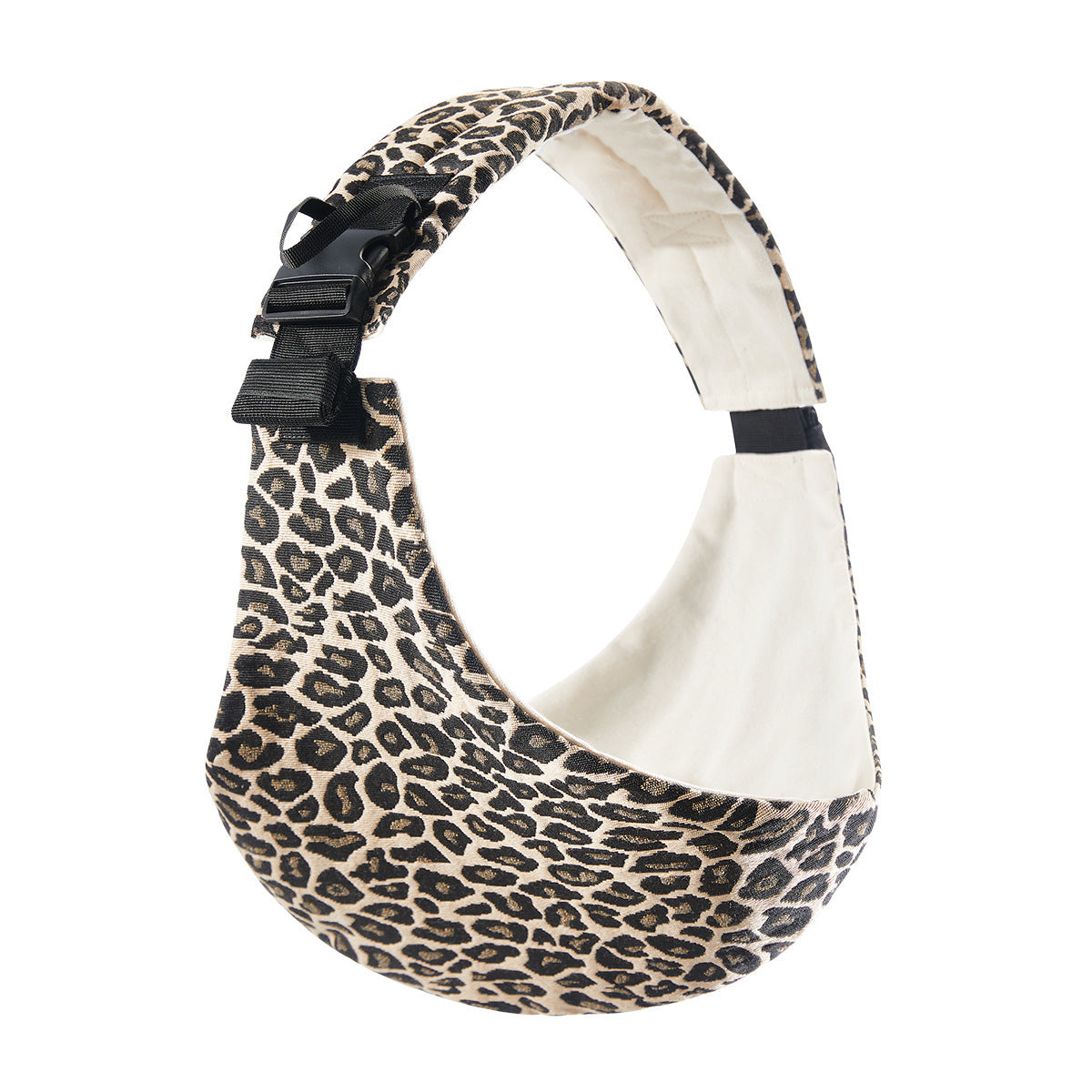
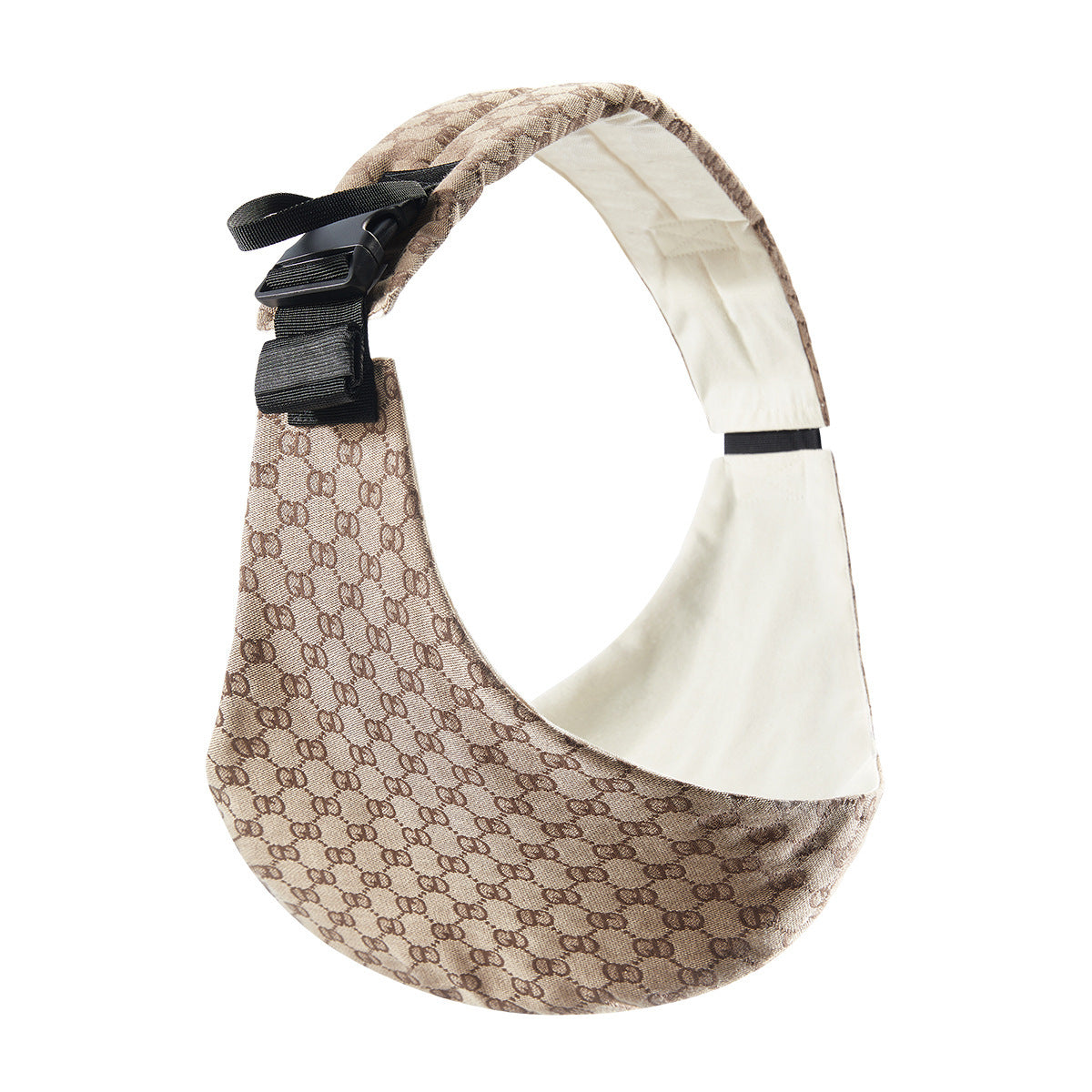
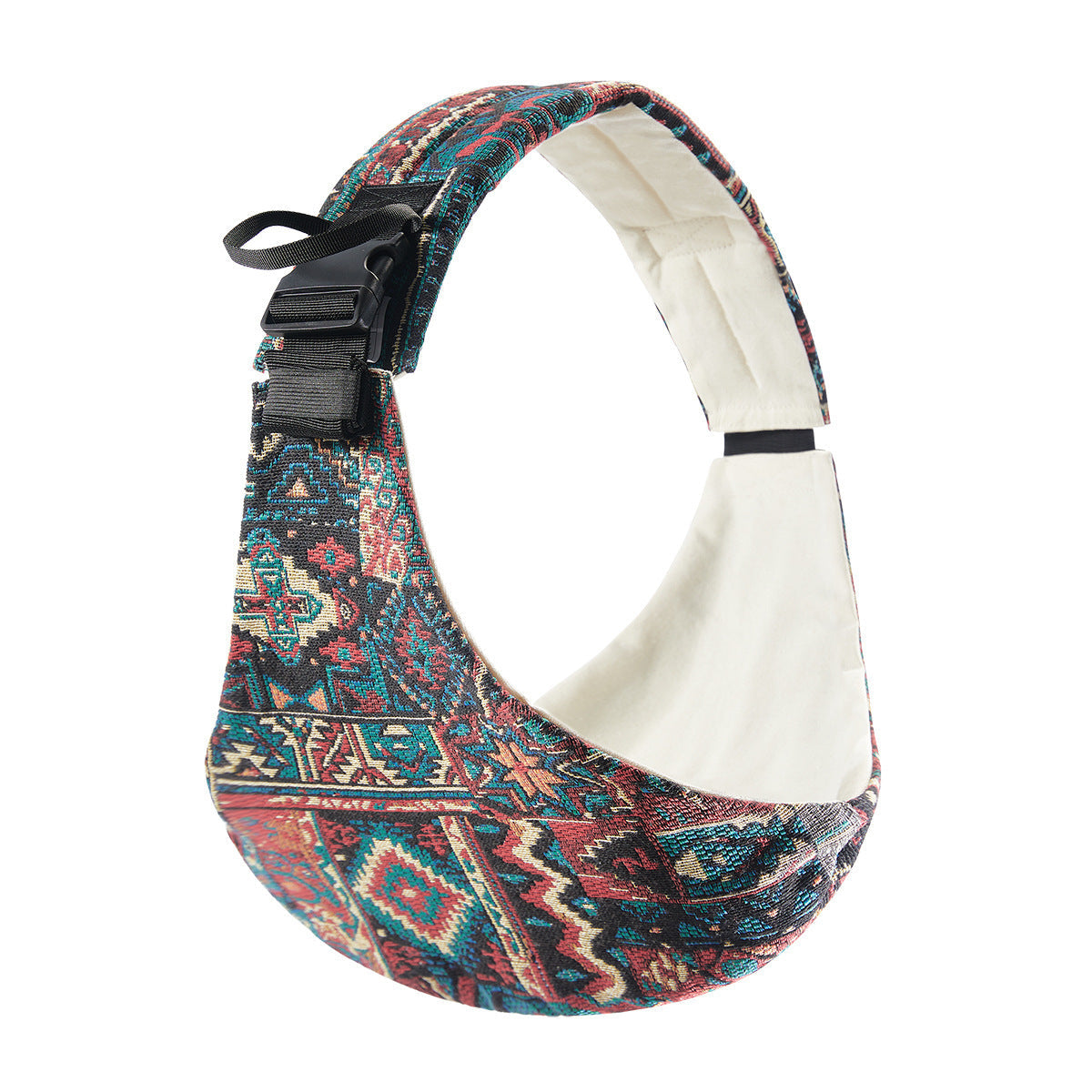
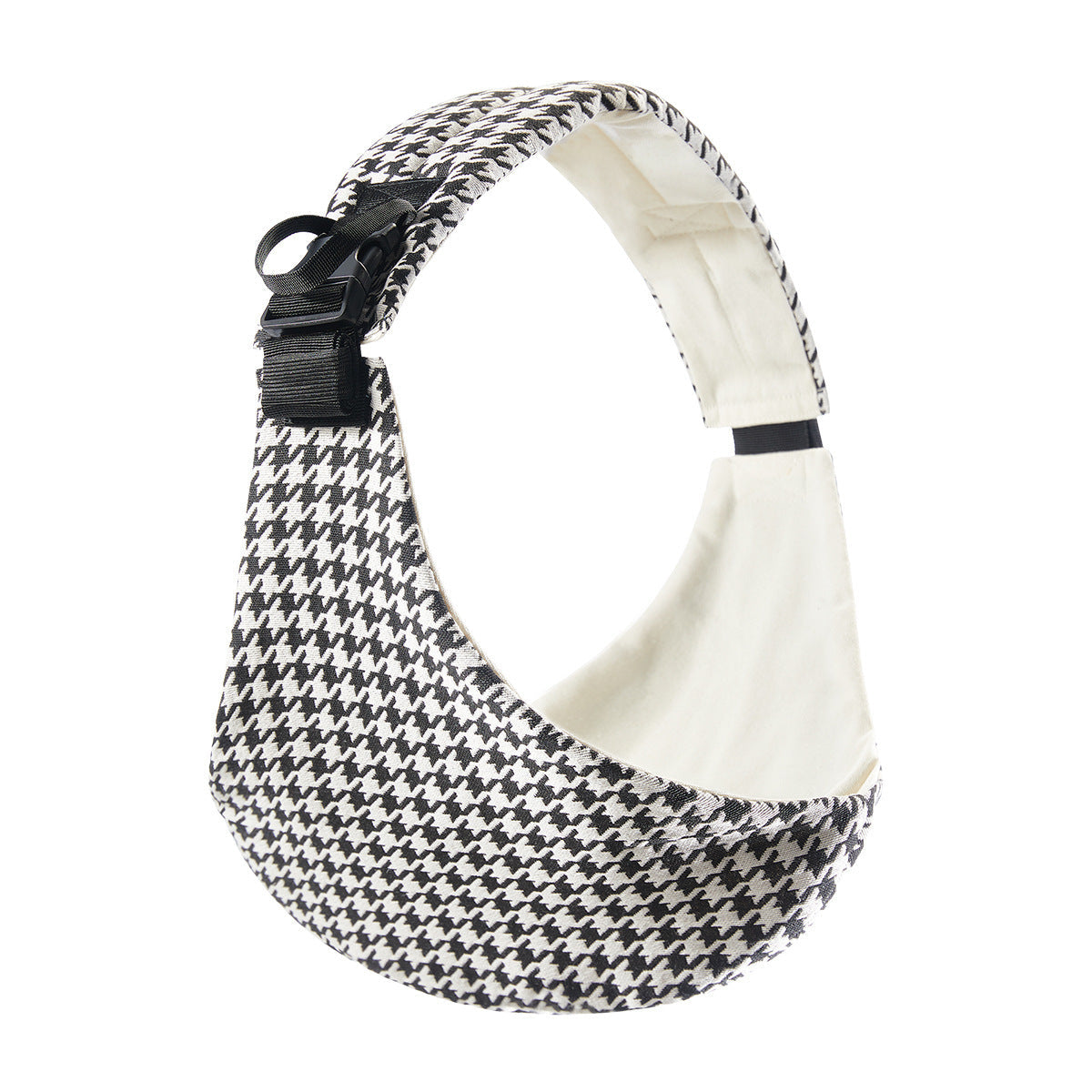
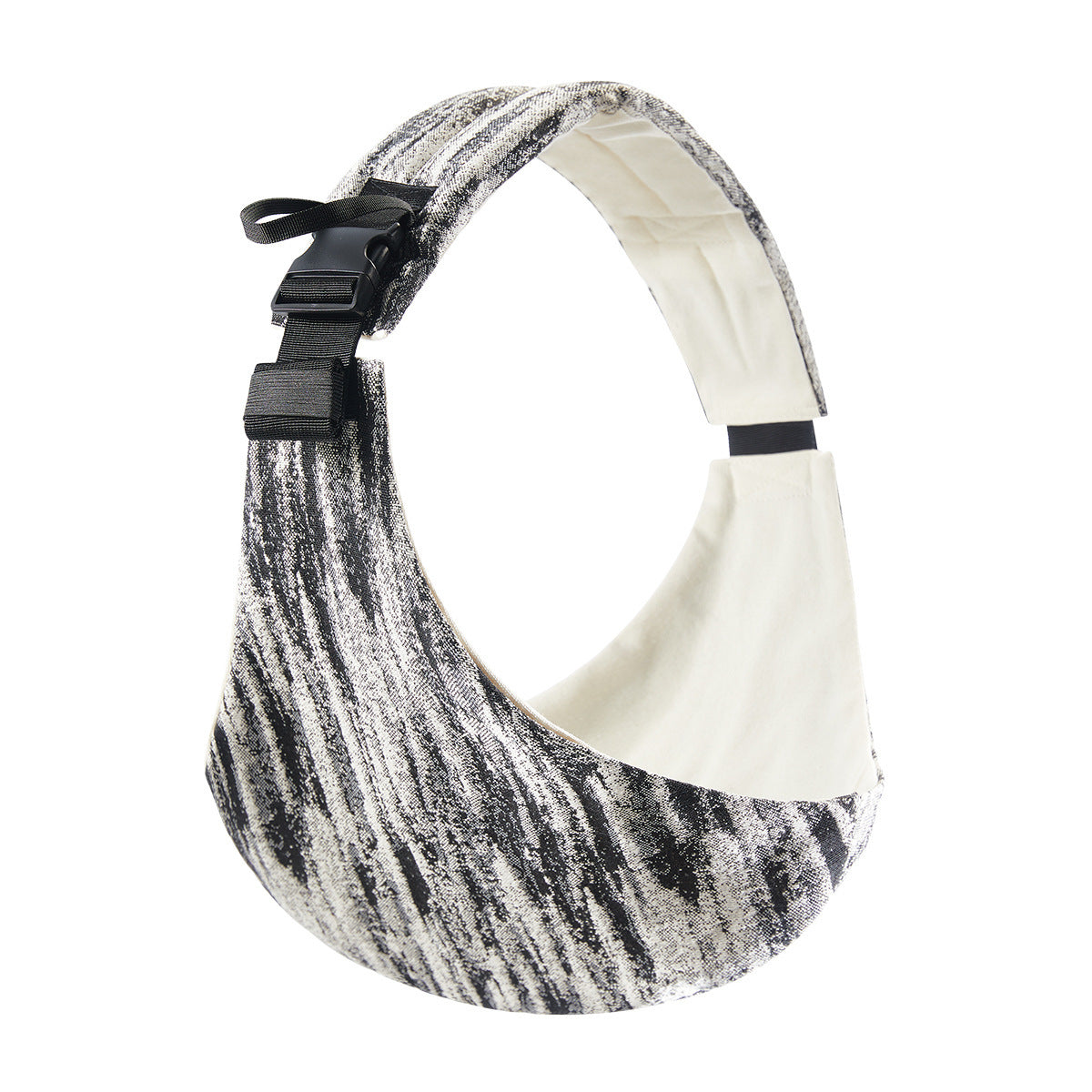
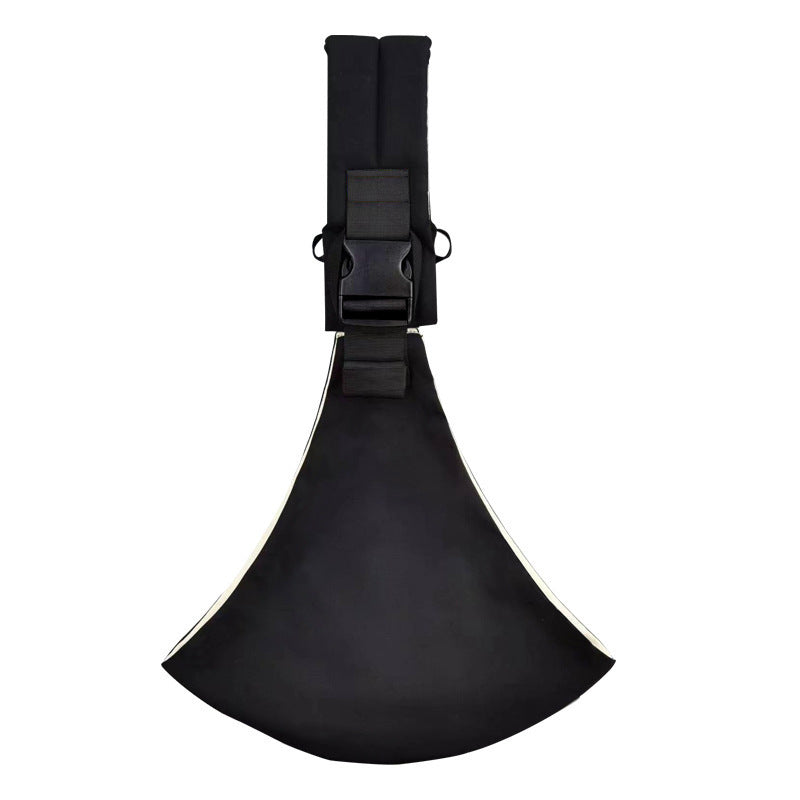
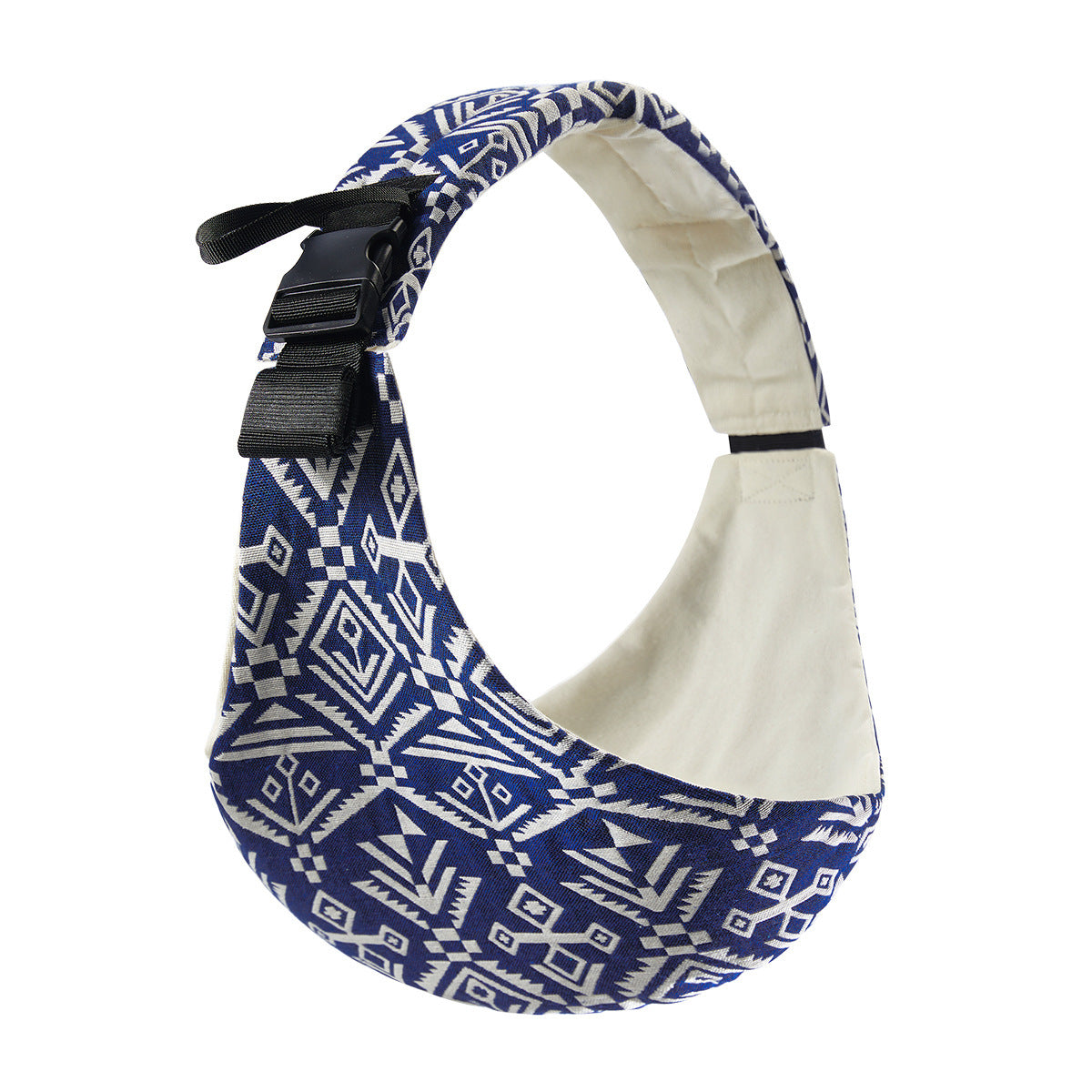
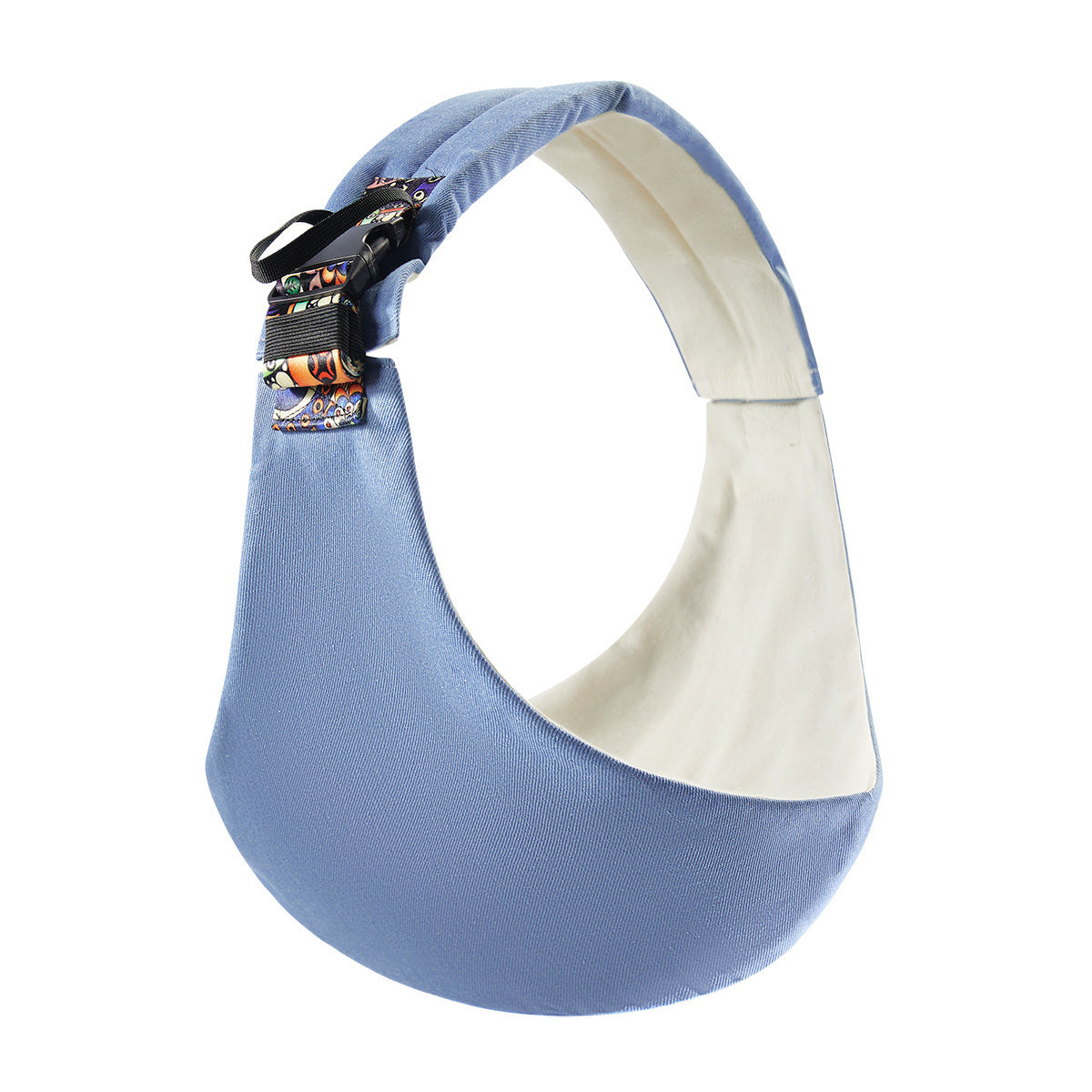

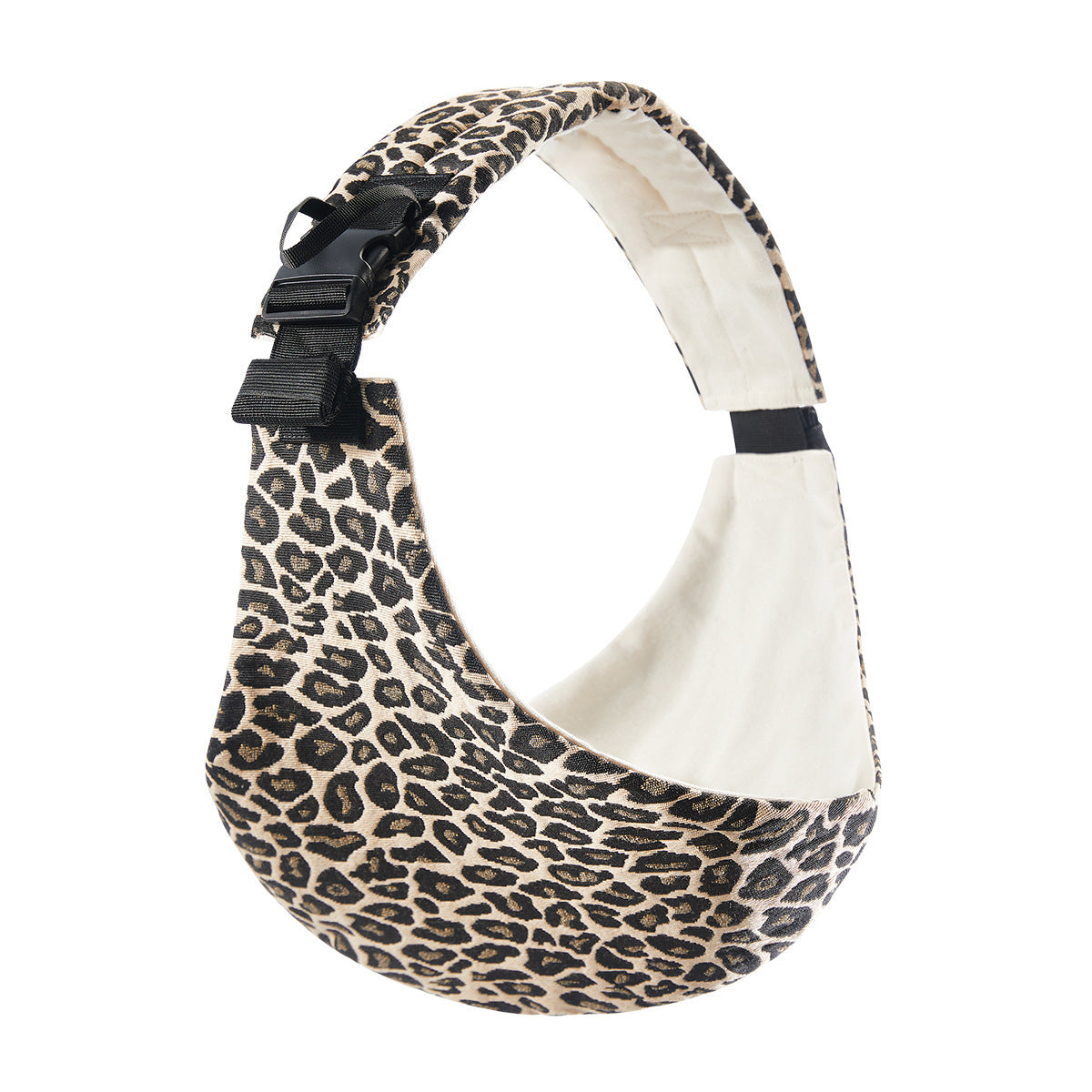
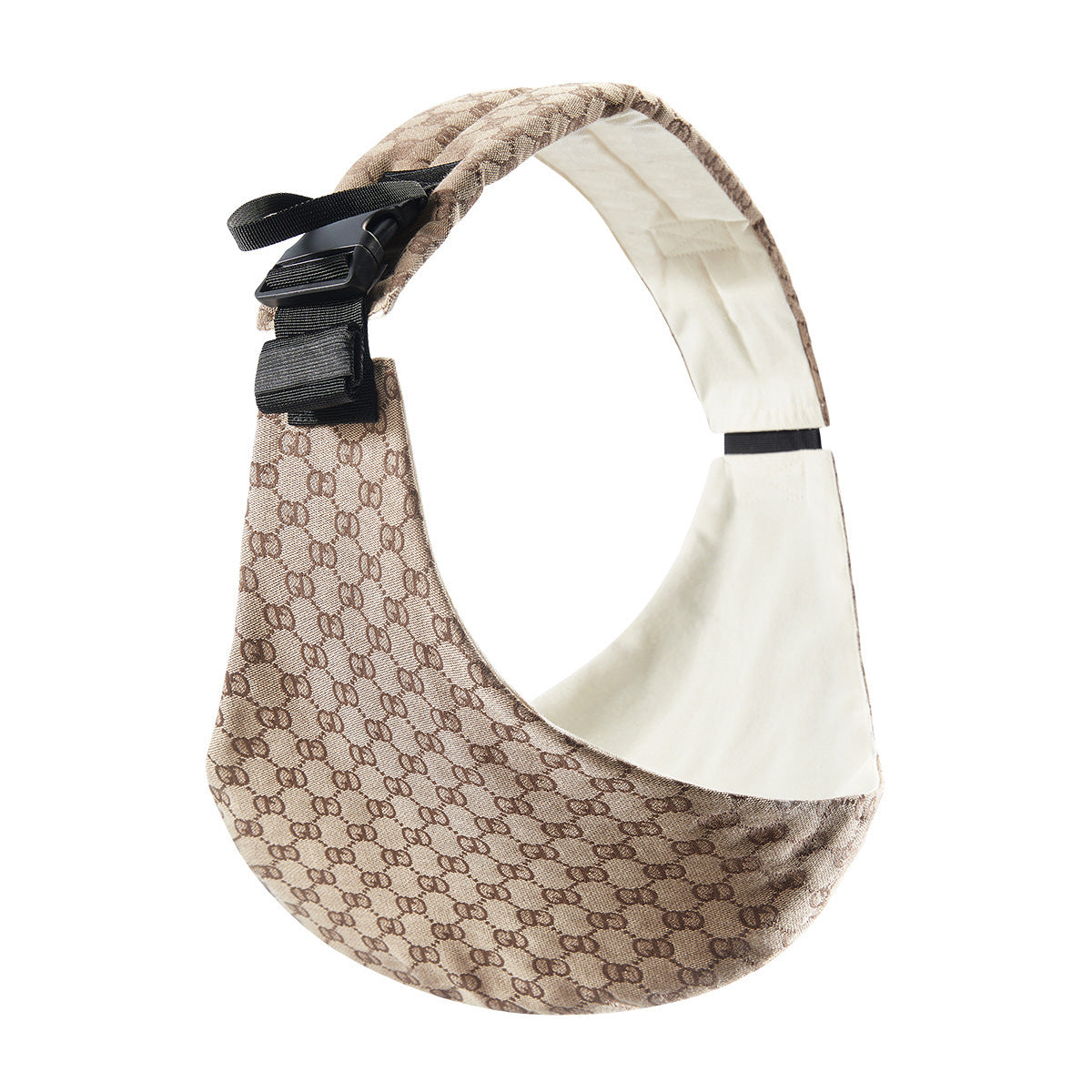
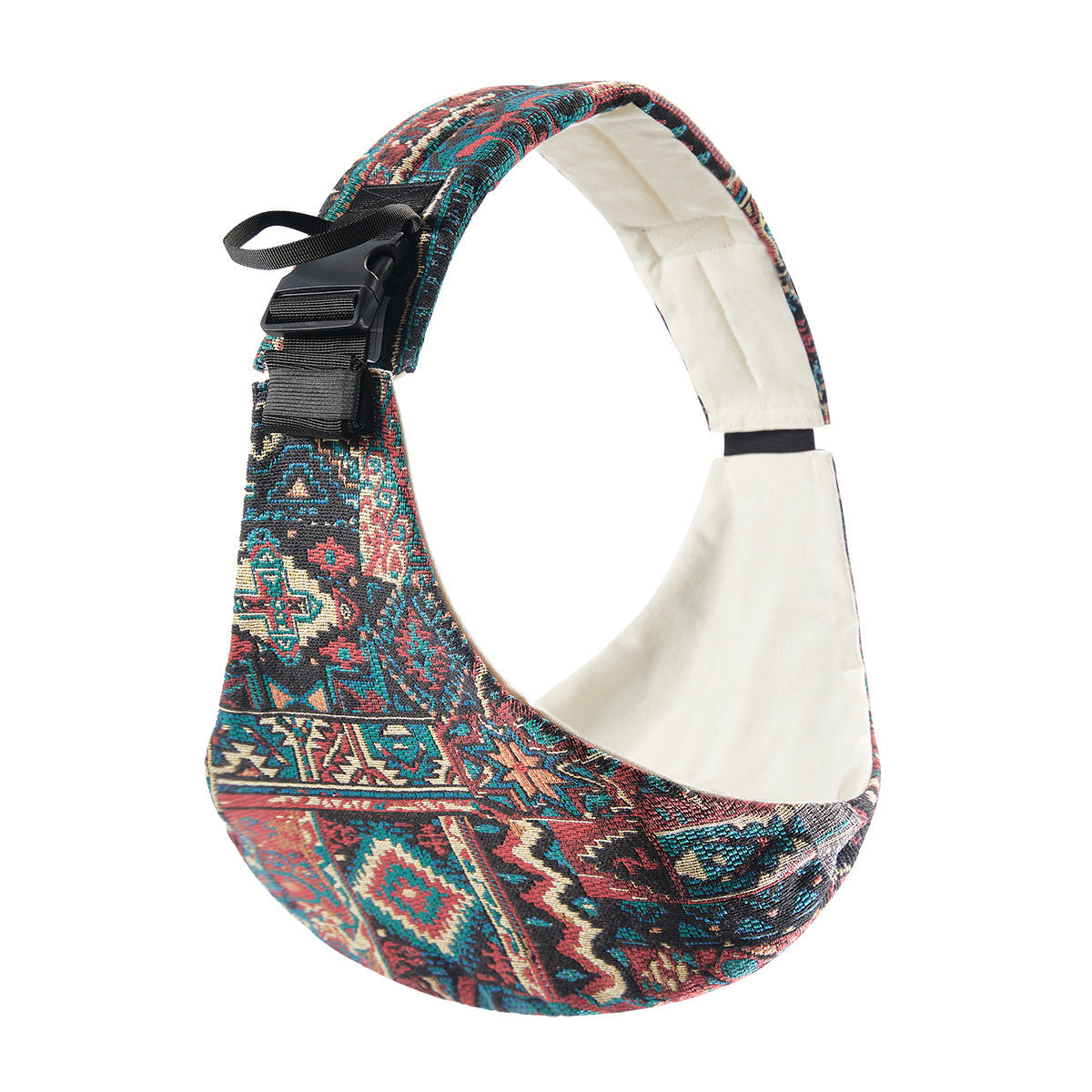
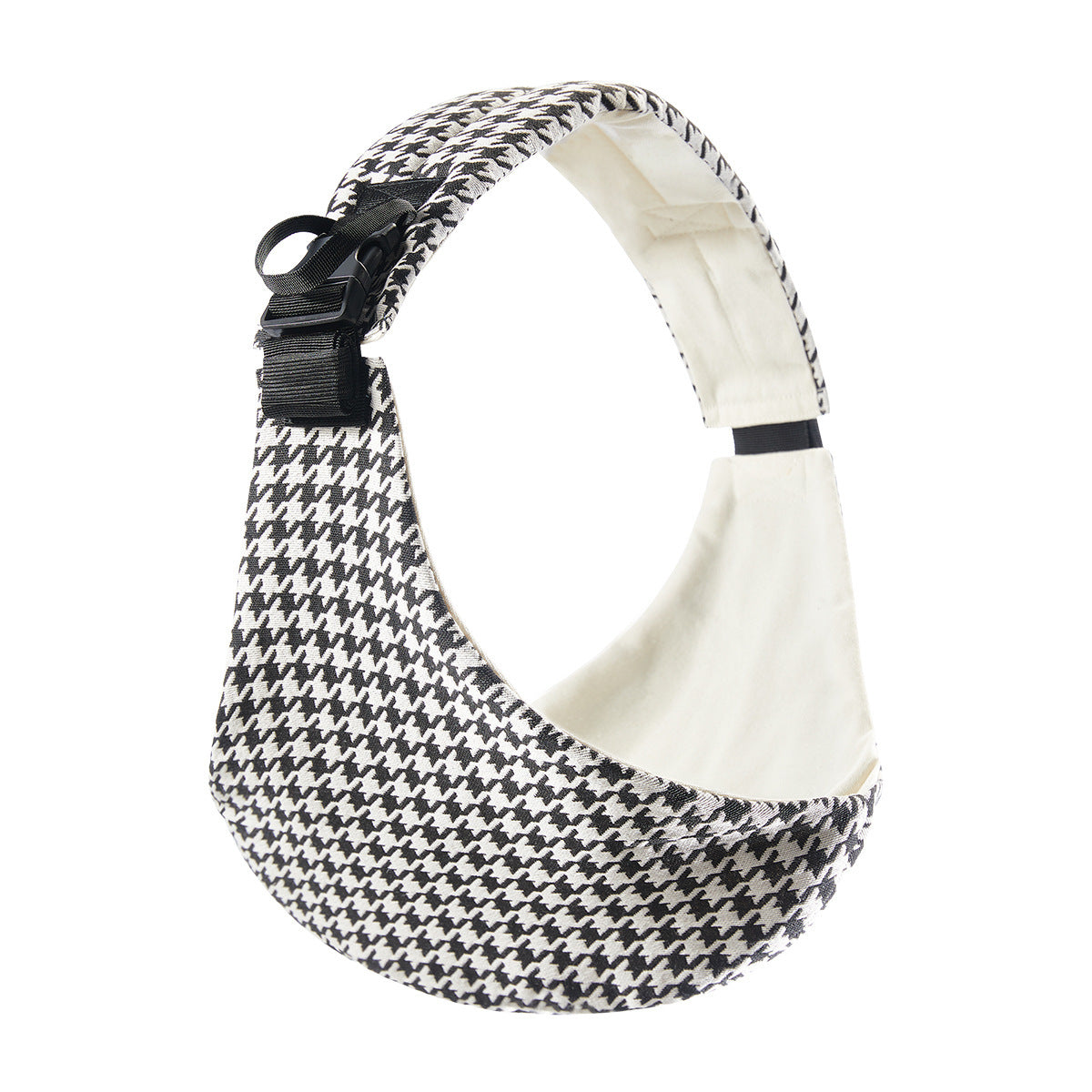
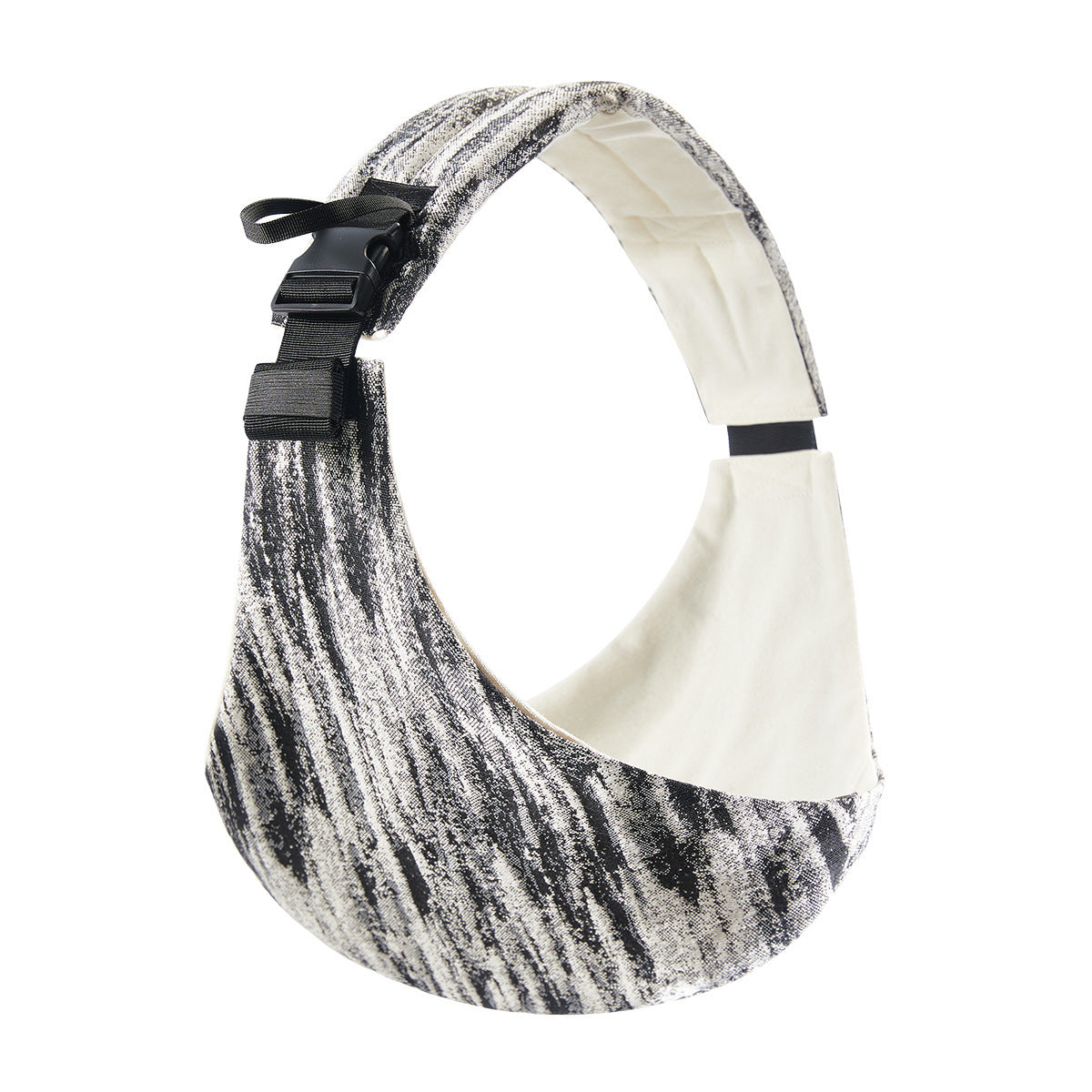
Keep baby close while making everyday carrying feel more manageable. This compact baby carrier with hip seat uses a wide supportive seat, padded lining, adjustable straps, and quick-release buckles for errands, walks, and travel.
Read the full descriptionKeep baby close while making everyday carrying feel more manageable. This compact baby carrier with hip seat uses a wide supportive seat, padded lining, adjustable straps, and quick-release buckles for errands, walks, and travel.
Keeps baby close and supported while helping free the caregiver's hands
Turn tiring, awkward carrying into a more supported way to move through errands, walks, travel, and short outings together.

The wide seat creates a pouch-like base that keeps the child close to the caregiver's torso instead of relying entirely on the caregiver's arms.

Adjustable shoulder and waist straps let caregivers fine-tune the carry. Sturdy quick-release buckles make the setup easier to manage once you have practiced the sequence.

The padded inner lining adds a softer contact layer for short carrying sessions, while the fabric structure keeps the carrier's shape around the child.
Place the carrier on without the child and adjust the waist and shoulder straps until it sits close without loose sections or pressure points.
Set the child in the supportive seat with the body close to your torso. Keep the face visible and the nose and mouth clear.
Engage the quick-release buckles, check each adjustment point, and give the connections a gentle tug before standing or walking.
Start in a calm, supported space. Check the child's position and comfort, then choose a short outing before carrying for longer.
Every outing can turn into a balancing act when a shifting baby occupies both arms. Bare-arm carrying gets tiring quickly, especially when you are also reaching for a bag, opening a door, or moving through a shop.
This compact front-held carrier brings a wide, pouch-like seat close to your torso. Adjustable shoulder and waist straps shape the fit without asking you to pack a large full-coverage carrier for a quick trip.
With the fit checked and every buckle secured, baby stays close while your hands are more available for everyday movement. Keep it nearby for errands, neighborhood walks, travel transitions, and short outdoor outings.
Check buckles, adjustment points, stitching, and fabric for visible damage.
Adjust the waist and shoulder straps for the caregiver and child each time.
Make sure the face and airway stay visible and unobstructed during use.
Fold the compact carrier neatly when it is not in use and keep the buckles from catching on other items.
| Baby carrier with hip seat | Bare-arm carrying | Full-coverage carrier | |
|---|---|---|---|
| Structured seat | Yes | No | Yes |
| Hands more available | Yes | No | Yes |
| Compact foldable format | Yes | Not applicable | Partial |
| Quick everyday setup | Yes | Not applicable | Partial |
| Best for longer full-body coverage | No | No | Yes |
It is for infants and young children who meet the product's developmental and fit requirements. Confirm that your child can be positioned securely and that the face, airway, and seated posture remain easy to monitor.
Keep the face visible at all times, with the nose and mouth uncovered. The child should sit close enough for you to monitor breathing and position throughout the outing.
Fit the waist strap first, then adjust the shoulder straps so the carrier sits close without loose sections or pressure points. Secure every buckle and gently tug each connection before moving.
Do not use it for a newborn or a child who cannot sit independently unless the product guidance specifically confirms that stage is suitable. This compact seat needs a secure, monitored position.
Check that your child sits comfortably in the wide seat and that the legs are supported without forced positioning. Stop and readjust if the child slips, leans, or shows discomfort.
This baby carrier with hip seat is more compact and practical for short everyday outings. A full-coverage carrier remains the better choice when you need more extensive body support or longer carry sessions.


 Baby Carrier With Hip Seat for Hands-Free Baby Support