
$46.90
Free delivery · 7–14 days
Cotton Baby Carrier for Hands-Free Everyday Carrying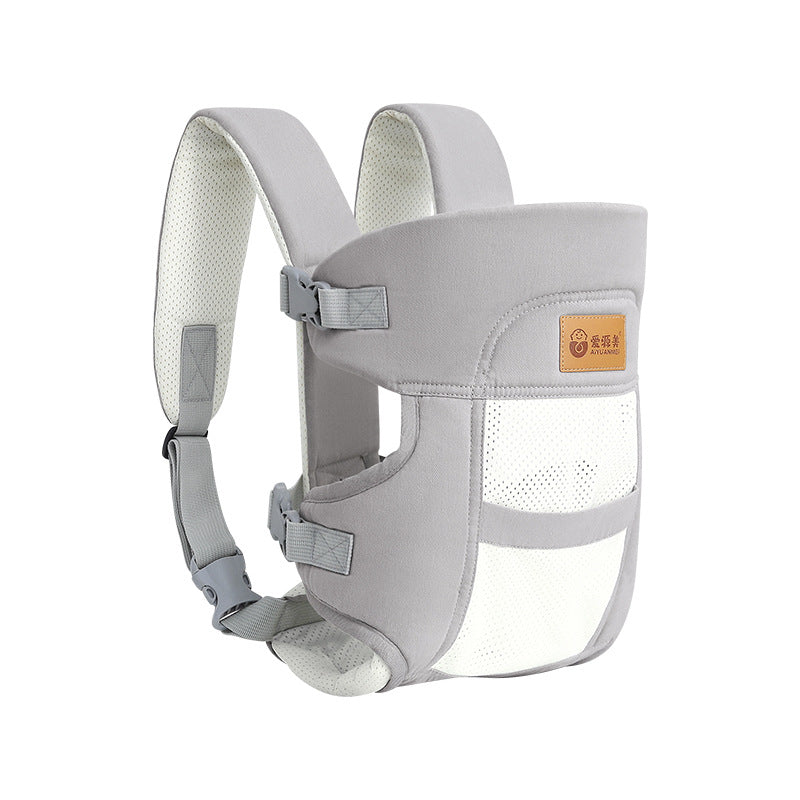
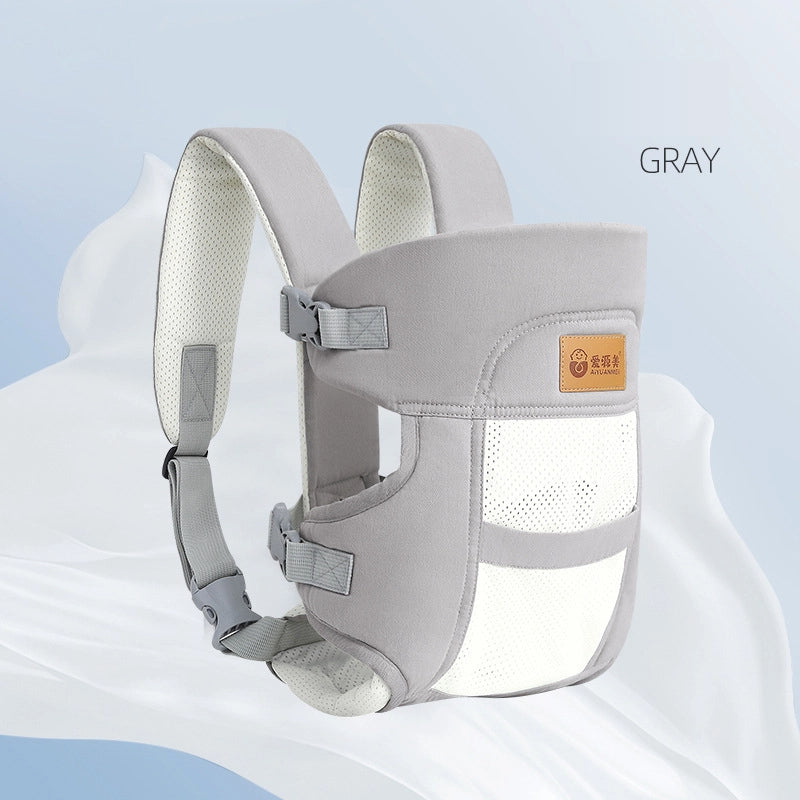

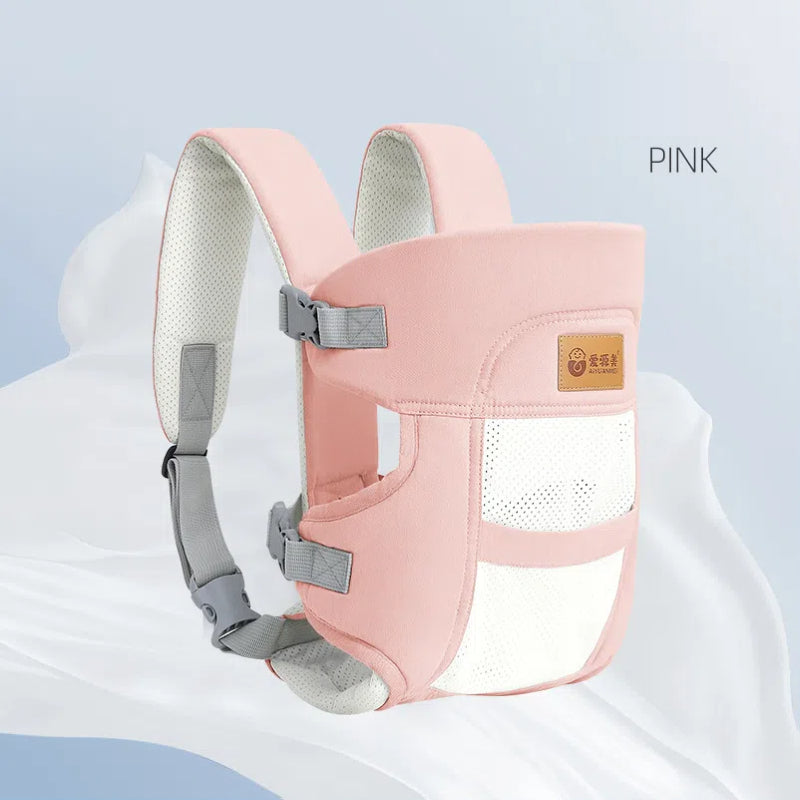
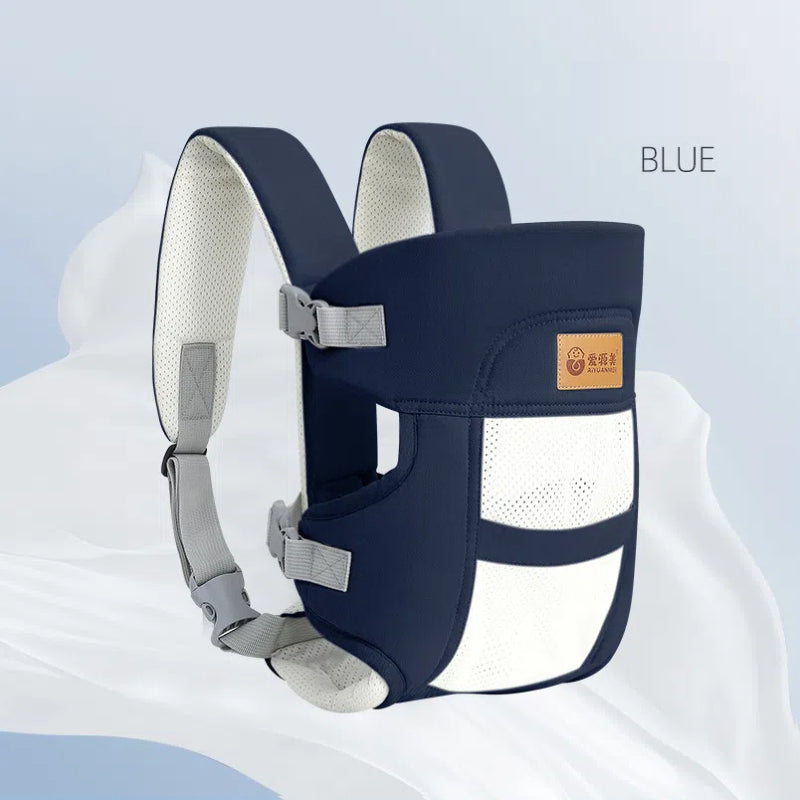
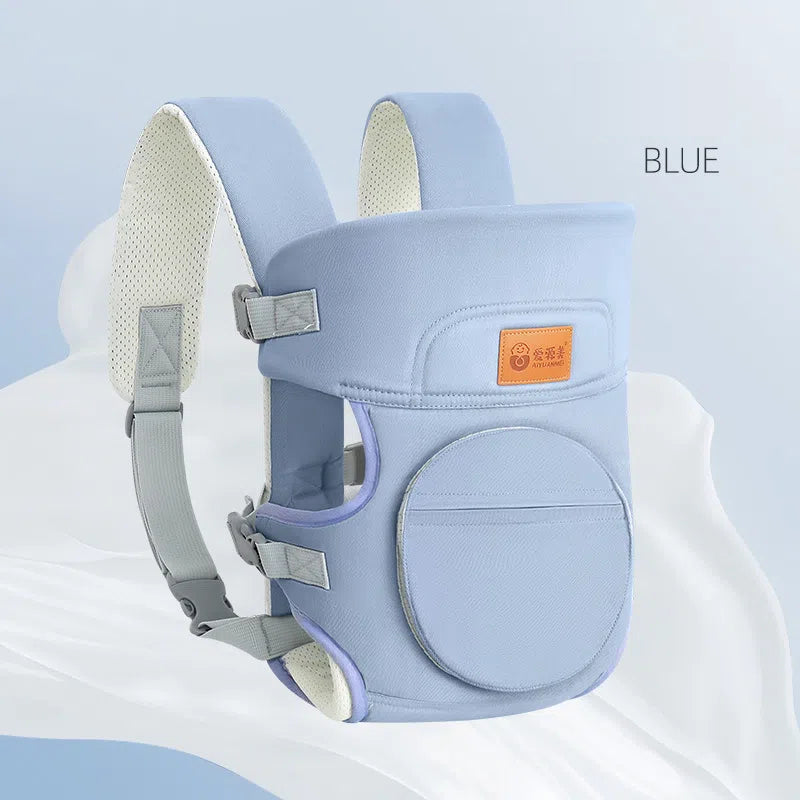
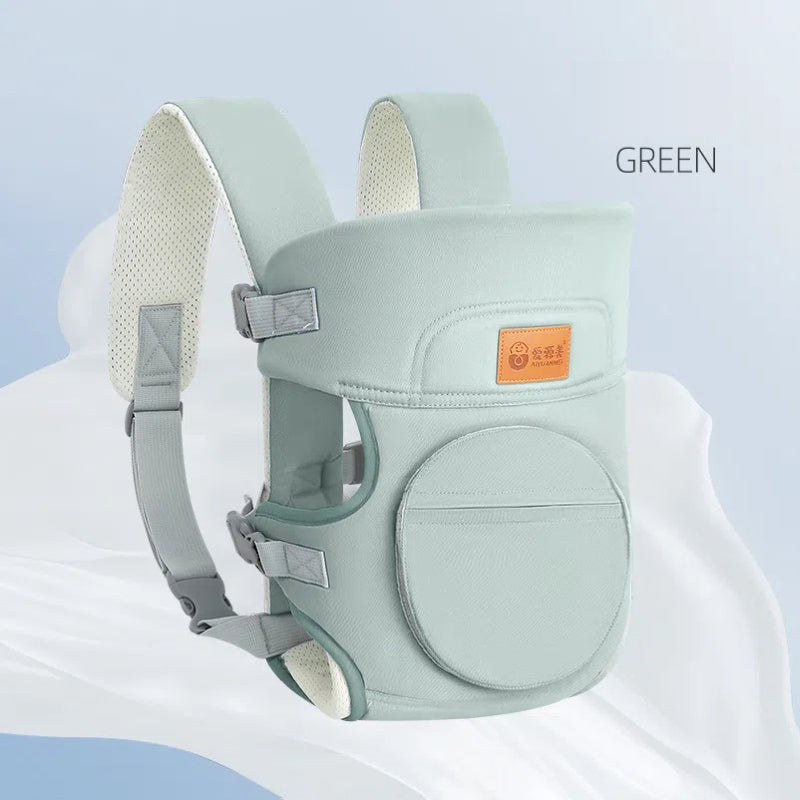
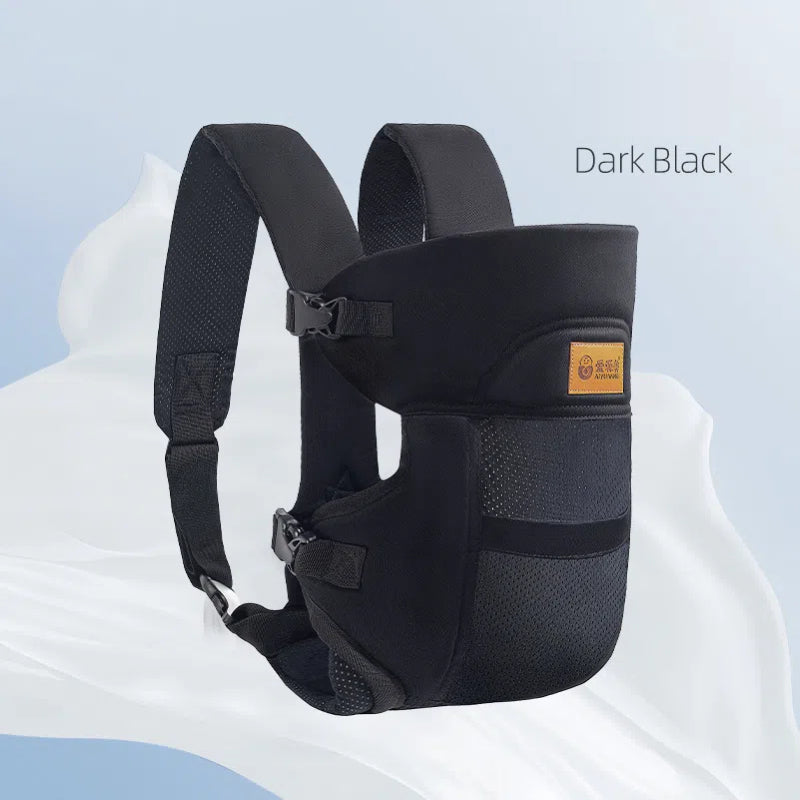

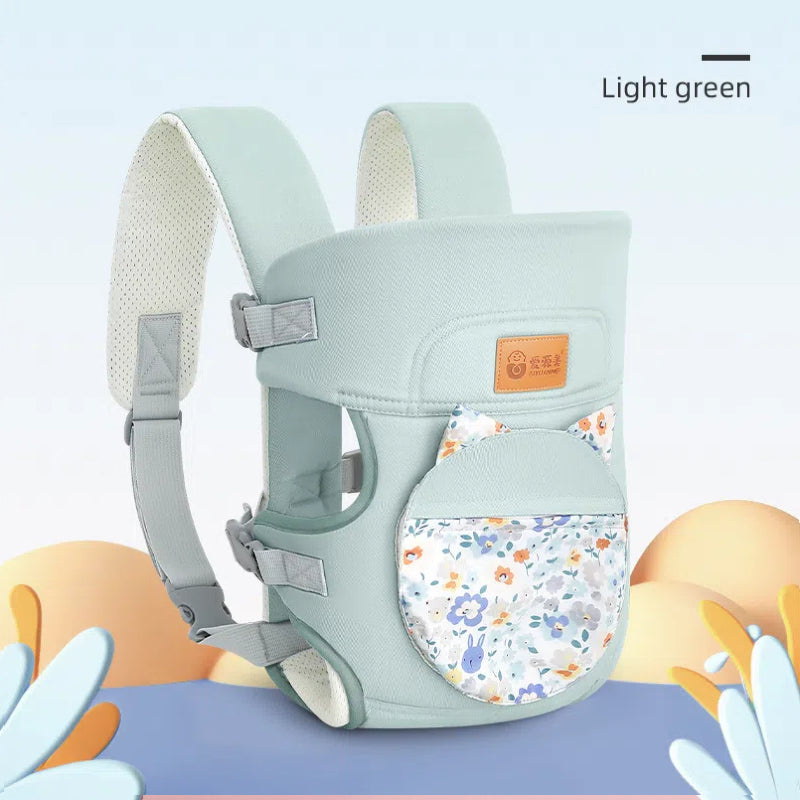


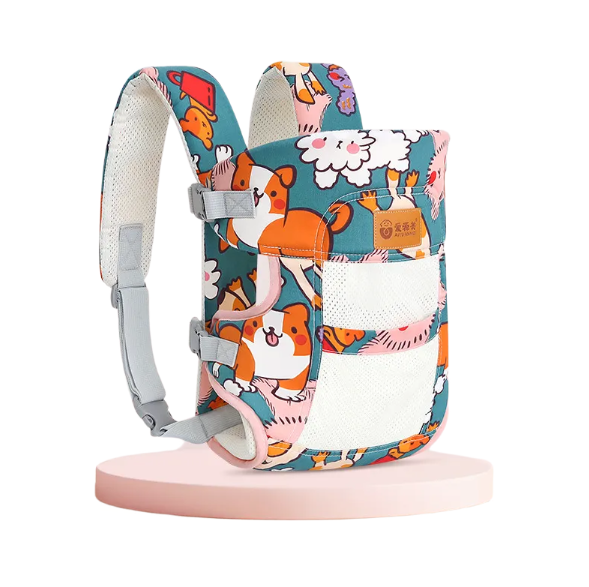
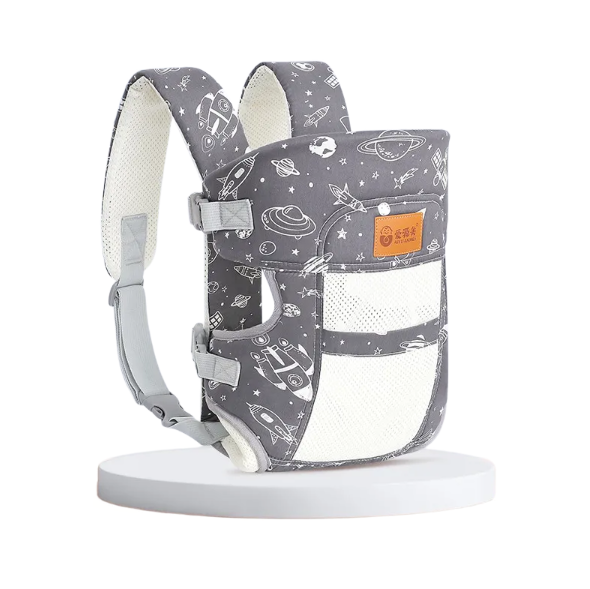
Keep baby close while both hands stay available for errands, walks, travel, and light tasks. Padded support, breathable mesh, and adjustable straps make the front hug feel more practical.
Read the full descriptionKeep baby close while both hands stay available for errands, walks, travel, and light tasks. Padded support, breathable mesh, and adjustable straps make the front hug feel more practical.
Hands-free front carrying with adjustable, breathable support for baby and caregiver
Turn errands, walks, and household tasks from shoulder-straining interruptions into close, supported carrying. Adjustable straps, padded support, and breathable mesh help both of you stay more comfortable.

Ventilation panels add airflow to the soft matte fabric carrier, addressing the stuffy feeling common with less breathable designs. The open mesh sections are easy to see during a fit check.

Adjustable shoulder straps, waist support, and side buckles let different caregivers create a closer front-carry fit. That makes handoffs between caregivers simpler than sharing one fixed setup.

Padded leg and body support create a visibly supported front-hugging position for close-contact carrying. The structure keeps baby held near the caregiver instead of relying on one arm.
Reinforced stitching, a soft-touch fabric finish, padded straps, and multiple buckles suit repeated errands, walks, travel, and household routines.
Put the carrier on empty and identify the shoulder straps, waist support, and side buckles before your first carry.
Adjust the waist and shoulder straps so the front-hug structure sits close and comfortably against your body.
Use the manufacturer guidance to position baby in the carrier, keeping the body supported and the face visible.
Confirm the airway is clear, baby’s face remains visible, and every buckle is completely secured before moving.
Begin with a low-risk activity and monitor both comfort and position. Remove baby before cooking, climbing, cycling, or handling hazards.
Soft matte fabric structure for close front carrying.
Adjust around the caregiver for a closer fit.
Secure and fine-tune the carrier before moving.
Ventilated sections are part of the carrier body.
Creates the supported front-hug position.
Holding a baby through every small task leaves one arm occupied and makes ordinary moments feel harder than they should. Reaching for a bag, opening a door, or finishing a quick errand becomes a constant balance between closeness and getting things done.
This front baby carrier brings baby into a close, supported position while adjustable shoulder straps, waist support, and side buckles shape the fit around the caregiver. Breathable mesh panels add airflow where a solid carrier can feel stuffy.
The fit is visible and practical: padded body and leg support, multiple adjustment points, and fully secured buckles create the front-hug structure. Before moving, check that baby’s face is visible, the airway is clear, and the carrier sits close.
With the carrier fitted carefully, a walk, shopping trip, travel transition, or light chore feels more manageable. Baby stays close and supported while your hands are available for the simple things that keep the day moving.
| This front carrier | Arm carrying | Stroller | |
|---|---|---|---|
| Close front contact | Yes | Yes | Partial |
| Both hands available | Yes | No | Yes |
| Adjustable caregiver fit | Yes | No | Partial |
| Breathable mesh panels | Yes | No | Partial |
| Useful in crowded transitions | Yes | Partial | Partial |
| Value for repeated short outings | One reusable carrier | No separate gear | Separate bulky gear |
Use the manufacturer’s stated age, size, weight, and developmental guidance as your source of truth. If your baby falls outside those instructions or cannot sit in a close, supported position with a visible face and clear airway, do not use the carrier.
The adjustable shoulder straps, waist support, and side buckles allow caregivers to personalize the fit. Each person should put it on empty first, adjust it close to the body, and repeat the full buckle and airway check before carrying baby.
Keep baby’s face uncovered and visible, with the airway clear and the body supported. Baby should sit close enough to monitor comfortably. Follow the product instructions and check the position regularly while moving.
The mesh ventilation panels add airflow and reduce the stuffy feel associated with less breathable designs. The carrier still has padded fabric, so monitor comfort during extended wear, especially in warm conditions.
Yes, it suits calm daily walks, shopping, travel transitions, and light household tasks when used within the manufacturer’s guidance. Remove baby before cooking, climbing, cycling, lifting hazards, or any activity that needs extra protection.
Arm carrying keeps baby close but leaves one arm occupied. A stroller gives you free hands but separates baby from your body and is less convenient in crowded transitions. This carrier combines close front contact with hands-free access and adjustable support, making its one-time purchase useful across repeated everyday outings.


 Baby Carrier for Hands-Free Breathable Front Carrying