
$64.90
Free delivery · 7–14 days
SiO2 Spray Detailer for Instant Car Shine & Protection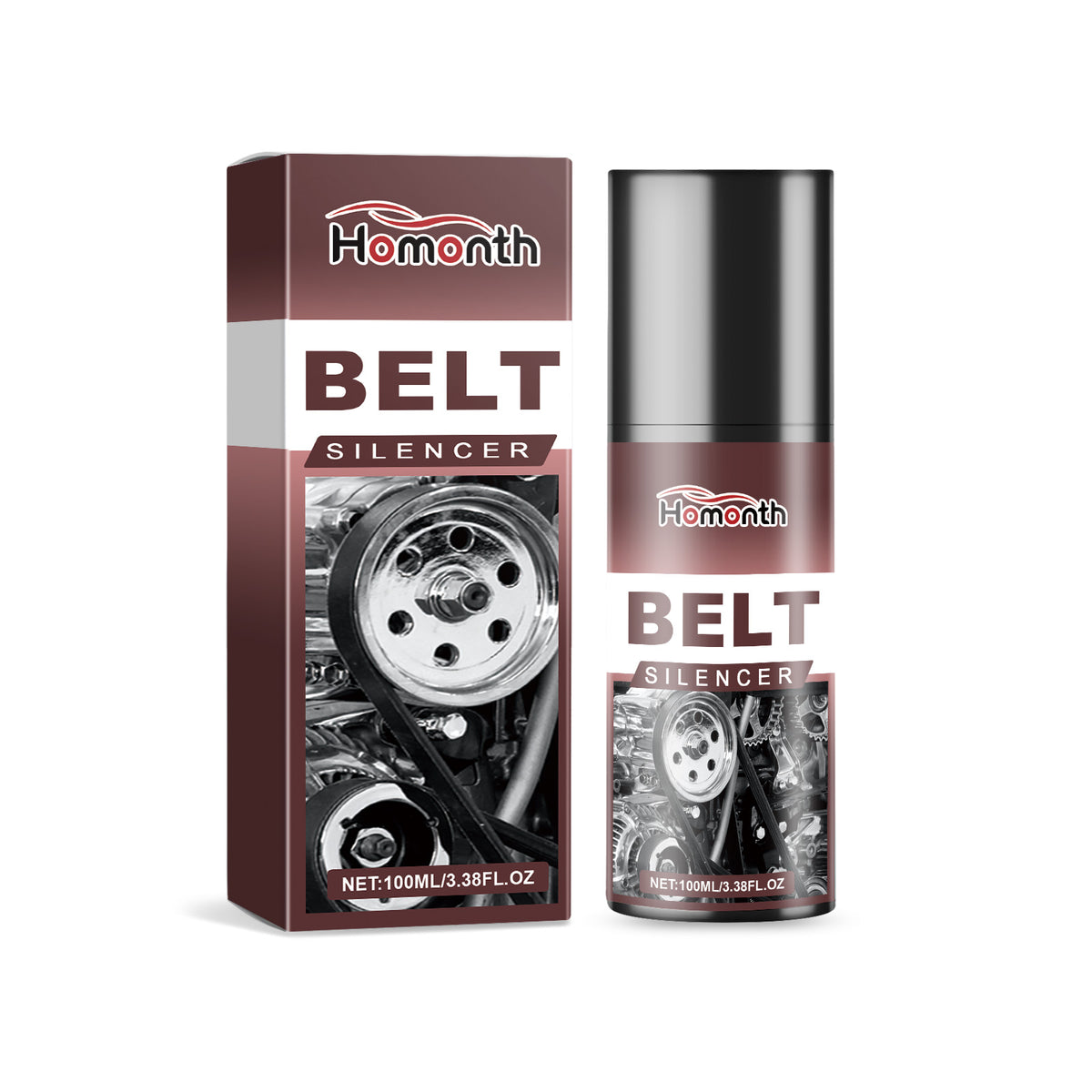
Quieter, more confident belt care starts with a proper inspection and a product made for the job.
Read the full descriptionQuieter, more confident belt care starts with a proper inspection and a product made for the job.
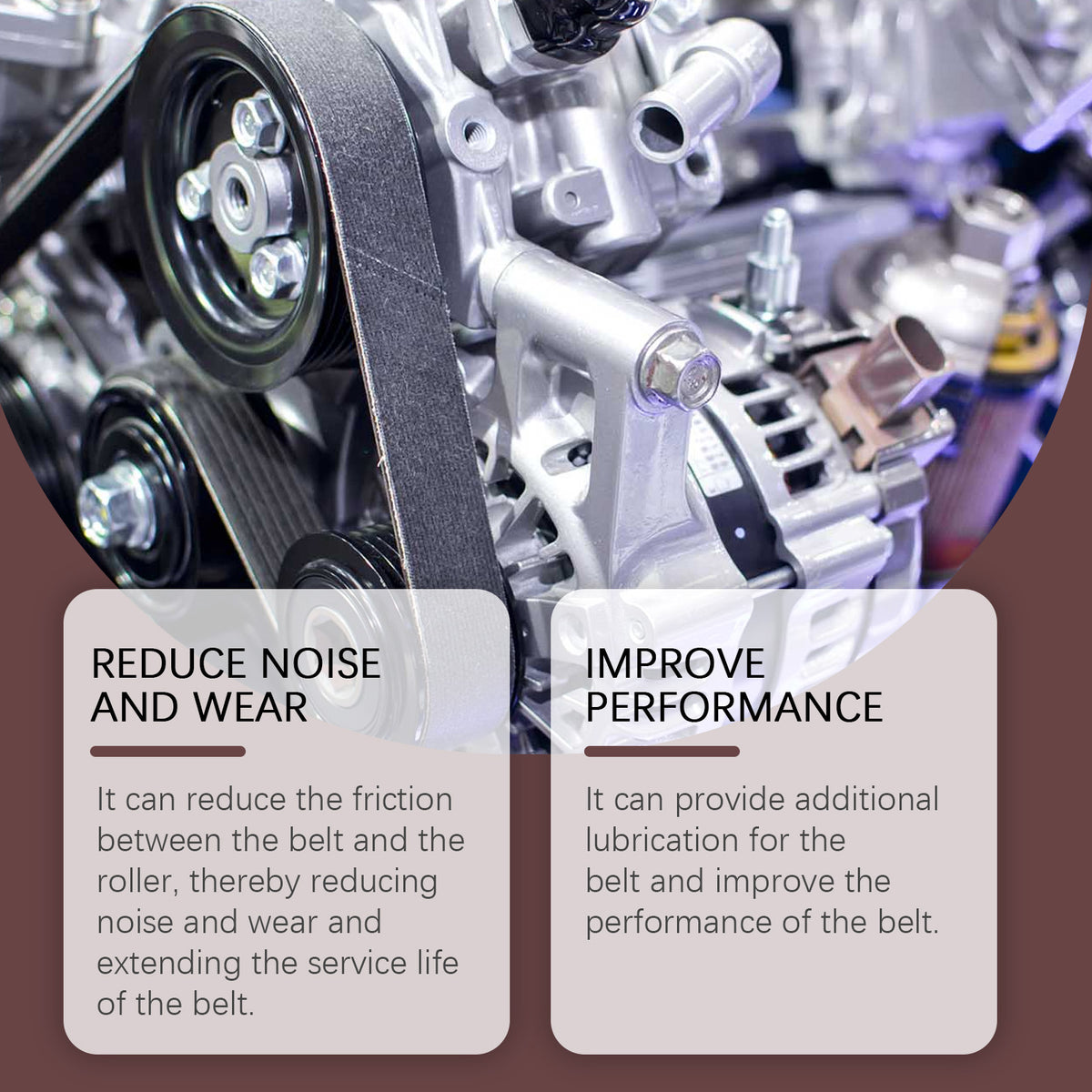
Reduces belt noise and wear while improving belt performance.
Abnormal belt sounds and friction can make every drive feel like a warning. Add a targeted maintenance step for smoother, quieter belt operation—without mistaking lubricant for a belt replacement.

The packaging identifies it as a belt silencer intended to reduce abnormal belt noise during a careful maintenance routine. It gives a startup squeal a more deliberate response than simply waiting for it to get worse.

Its stated purpose is to reduce belt friction and wear, supporting preventive attention to aging rubber before replacement becomes urgent. It is a maintenance aid, not a repair for structural belt damage.

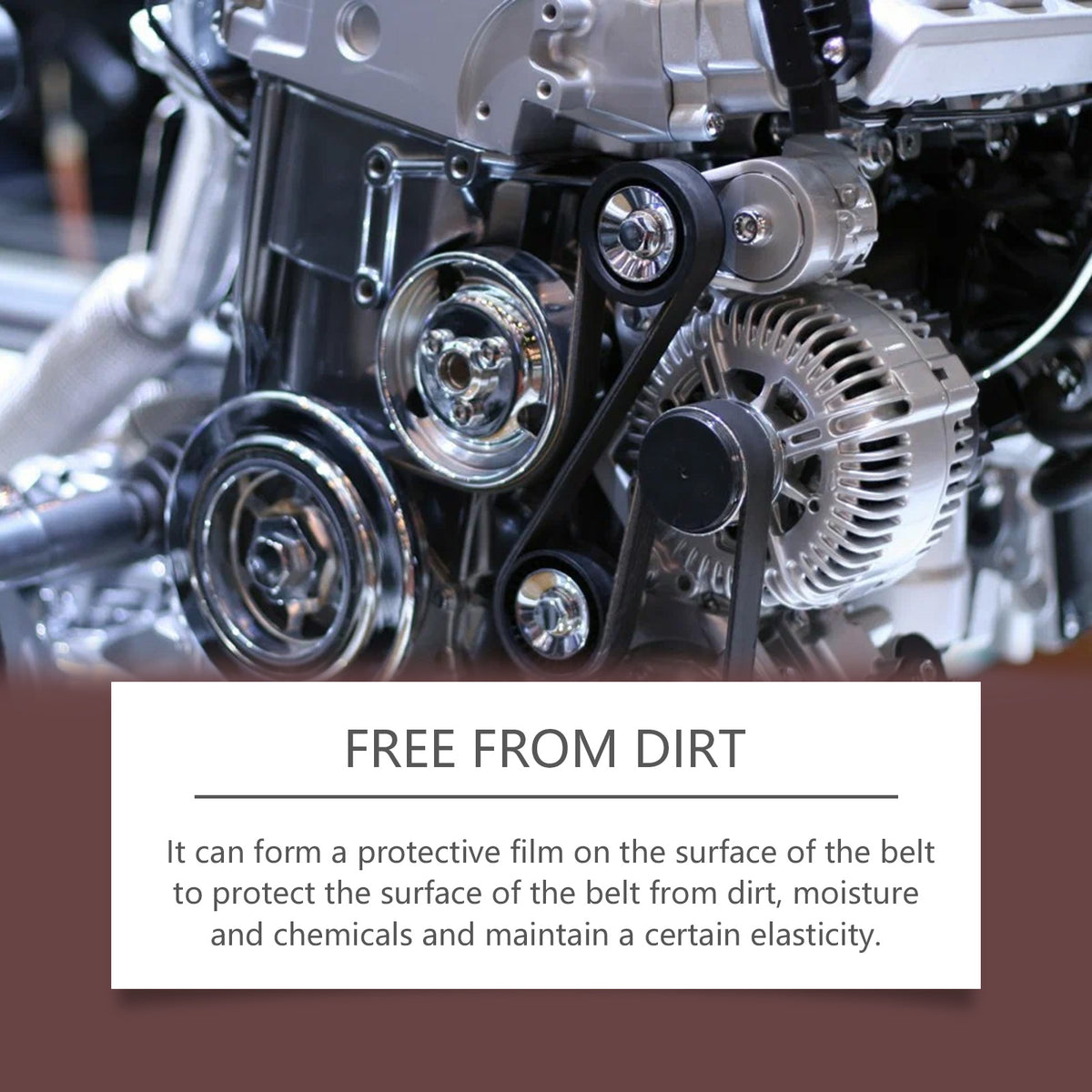
The product is presented as improving belt performance and protecting rubber from dirt, moisture, and chemicals. Use a controlled amount and keep nearby pulleys and components clean.
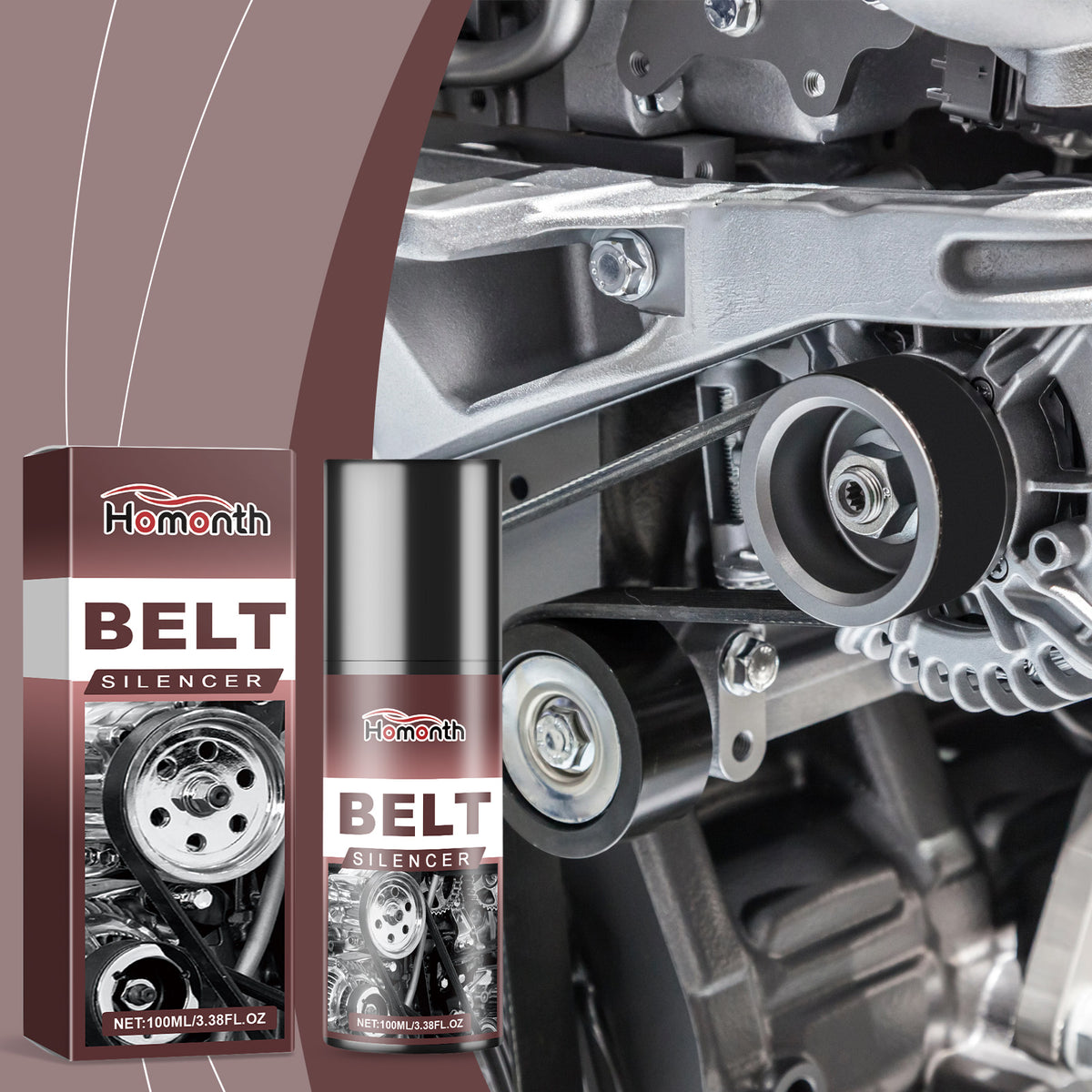
The 100 ml bottle, protective cap, and matching carton fit naturally with vehicle-maintenance supplies. Keep it in a toolbox or workshop cabinet for the next inspection.
Park securely, switch off the engine, and wait until belts and pulleys have stopped moving and cooled enough to inspect safely.
Confirm which belt is making the noise. Check for cracks, fraying, glazing, contamination, stretching, pulley damage, and alignment issues.
Remove loose dirt around the inspection area and keep the product away from nearby electrical parts, pulleys, and other components.
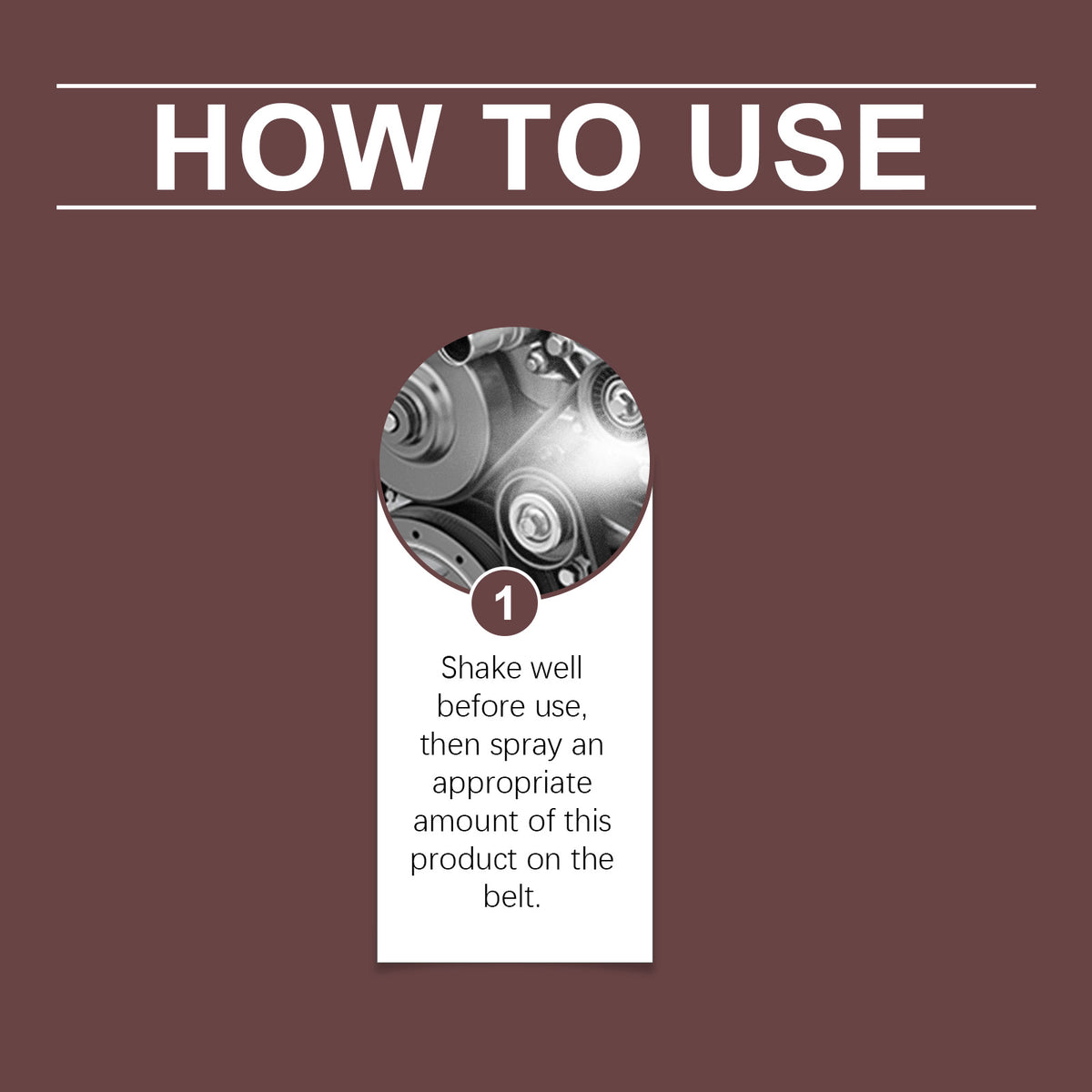
Use a controlled application on a suitable belt. Do not soak the belt or flood the surrounding area.
Check the belt and the source of the sound again before operating the vehicle. Replace the belt or seek qualified help if damage or misalignment remains.
100 ml liquid belt-care product with protective cap
Maroon carton with automotive belt imagery
A squealing or chirping belt turns an ordinary startup into a small worry. Friction, dirt, moisture, aging rubber, and pulley issues can all sit behind the noise, so the first move is to switch off the engine and inspect what is happening under the hood.
Ignoring the sound gives wear more time to develop. Reaching for an unsuitable household spray can create another problem. Homonth Belt Silencer is clearly labeled for belt maintenance, with claims focused on reducing noise and wear while supporting smoother performance.
Apply conservatively only after identifying the correct belt and checking its condition. A quieter belt-care routine is useful, but lubricant cannot repair cracks, fraying, glazing, misalignment, or a failing tensioner. Replace damaged parts when inspection calls for it.
| Homonth Belt Silencer | Ignore The Noise | Household Spray | |
|---|---|---|---|
| Belt-care labeling | — | — | |
| Supports a maintenance-first inspection | — | Partial | |
| Compact workshop storage | — | Partial | |
| Replaces a damaged belt | — | — | — |
| Clearer choice than improvised use | — | — |
Check the belt material and your vehicle guidance before use. The product is intended for automotive belt maintenance, but compatibility is vehicle- and belt-specific. If you cannot identify the belt or the source of the noise, ask a qualified technician.
No. Lubricant cannot restore structural damage or correct misalignment. Replace a visibly damaged belt and investigate the tensioner, pulley, and alignment before treating noise as a lubrication issue.
It can contribute to contamination, slipping, or buildup around pulleys. Apply conservatively to the suitable belt only, keep nearby parts clean, and avoid soaking the assembly.
Never. Switch off the engine, secure the vehicle, and wait until the belt and pulleys have stopped moving before inspecting or applying anything.
Use only a controlled amount needed for the belt-care step. Do not flood the belt or surrounding components. The 100 ml bottle is a compact maintenance format, not a reason to apply more than necessary.
It is the clearer choice because it is purpose-labeled for automotive belt maintenance. Household substitutes can bring uncertain material compatibility or contamination. Inspect first and follow the vehicle or belt maker’s guidance.


 Automotive Belt Lubricant for Quieter Engine Operation