Animal Skull Specimens for Distinctive Home Decor
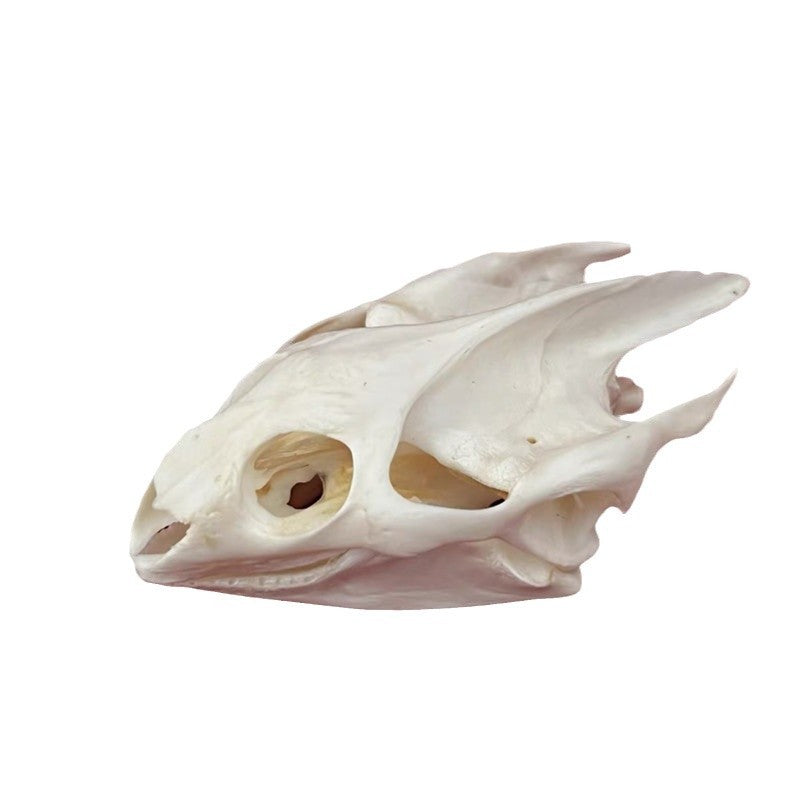
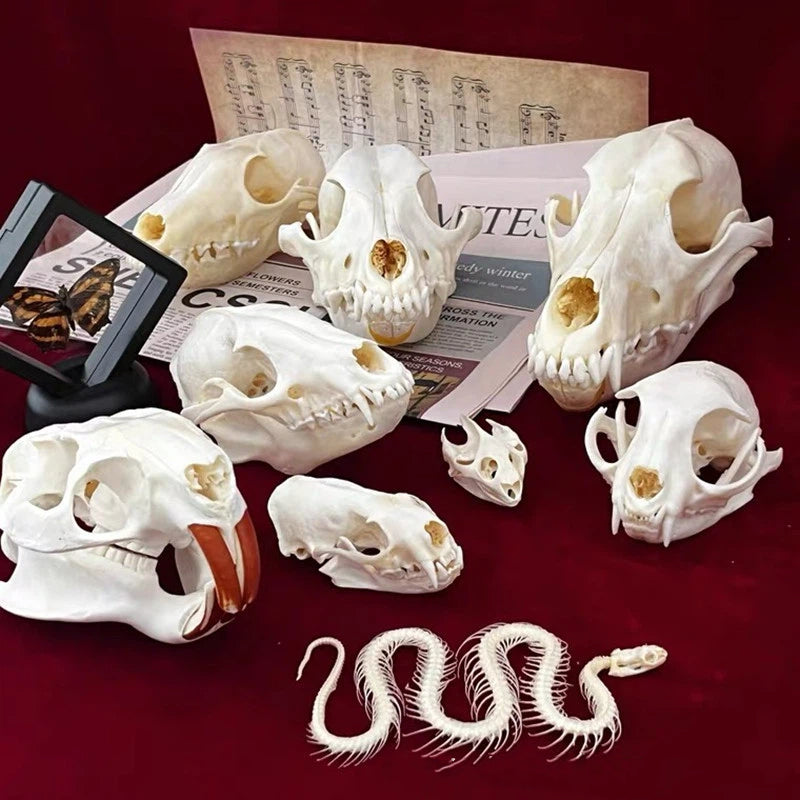
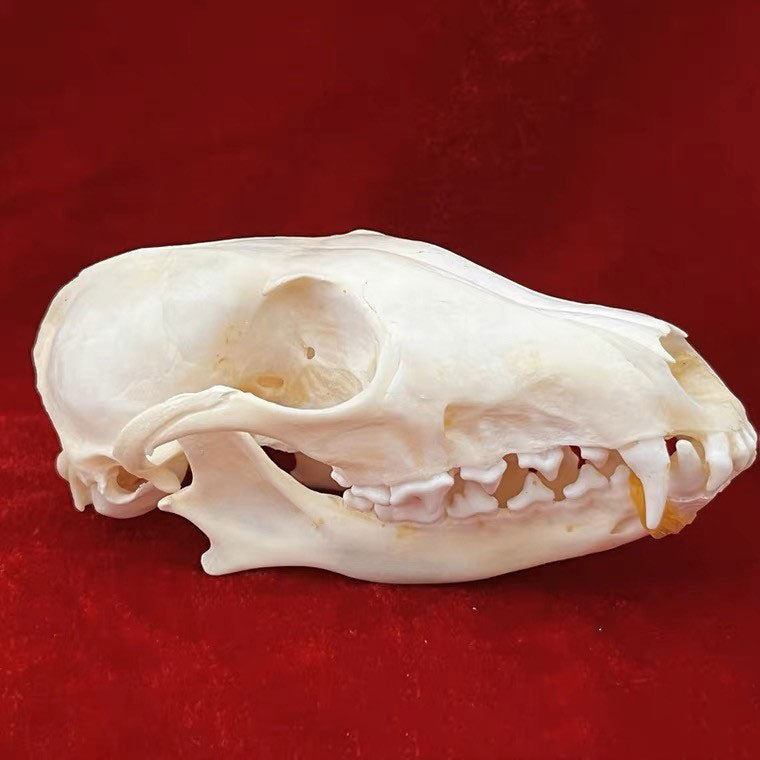
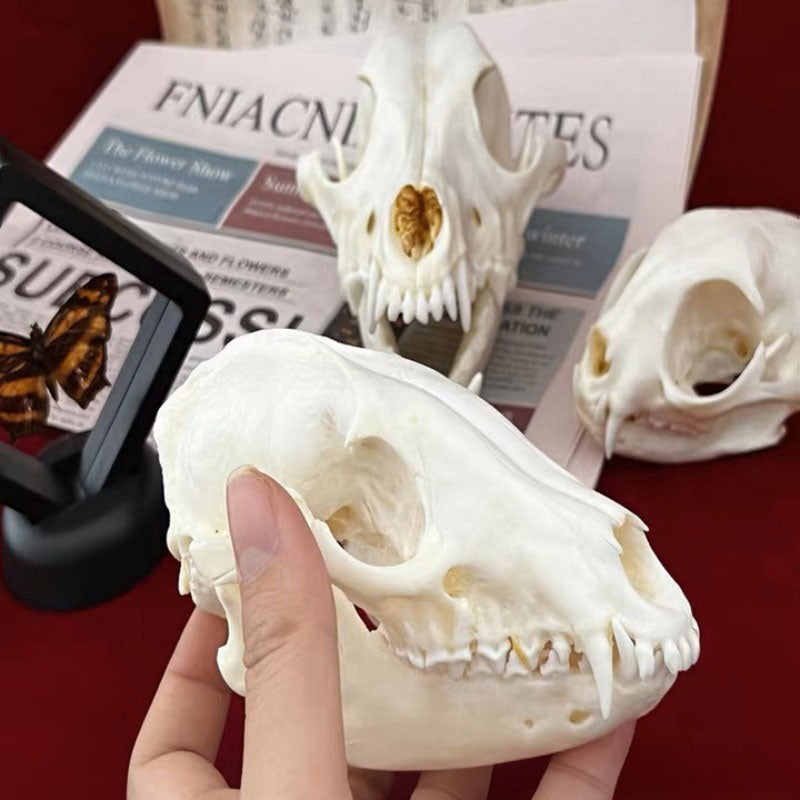
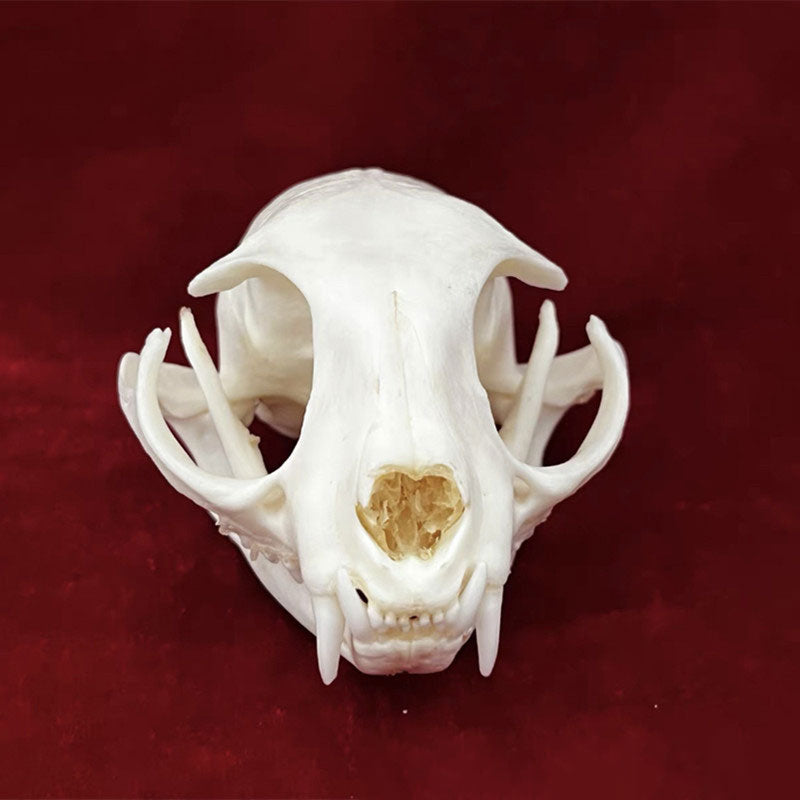
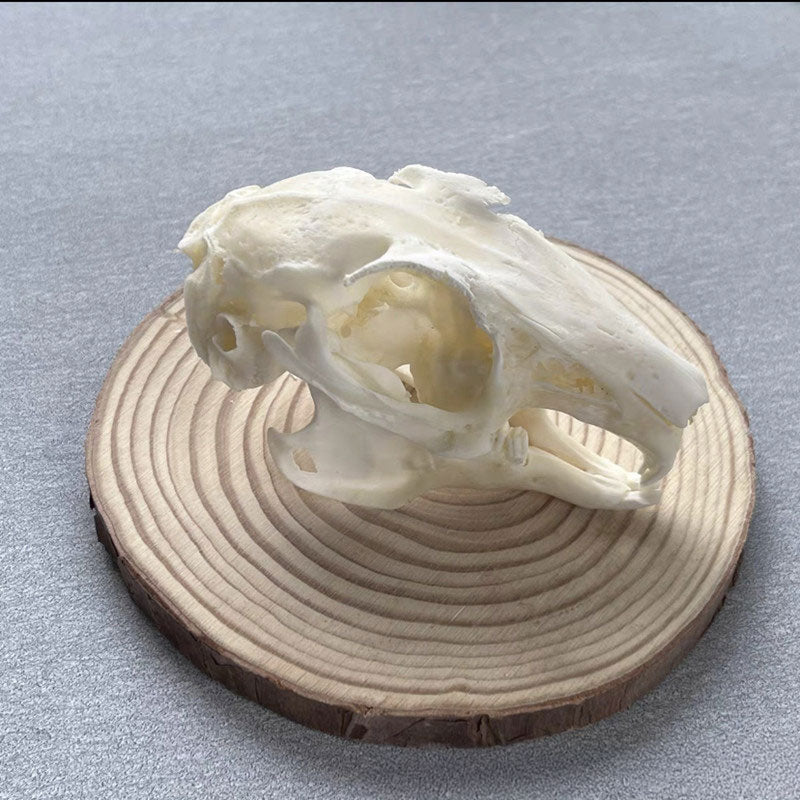
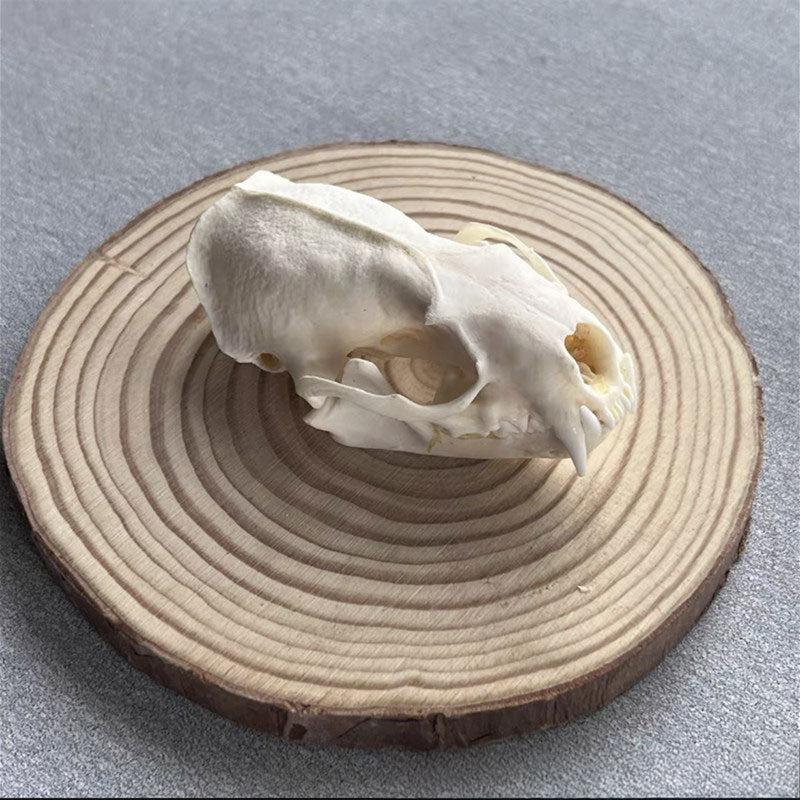
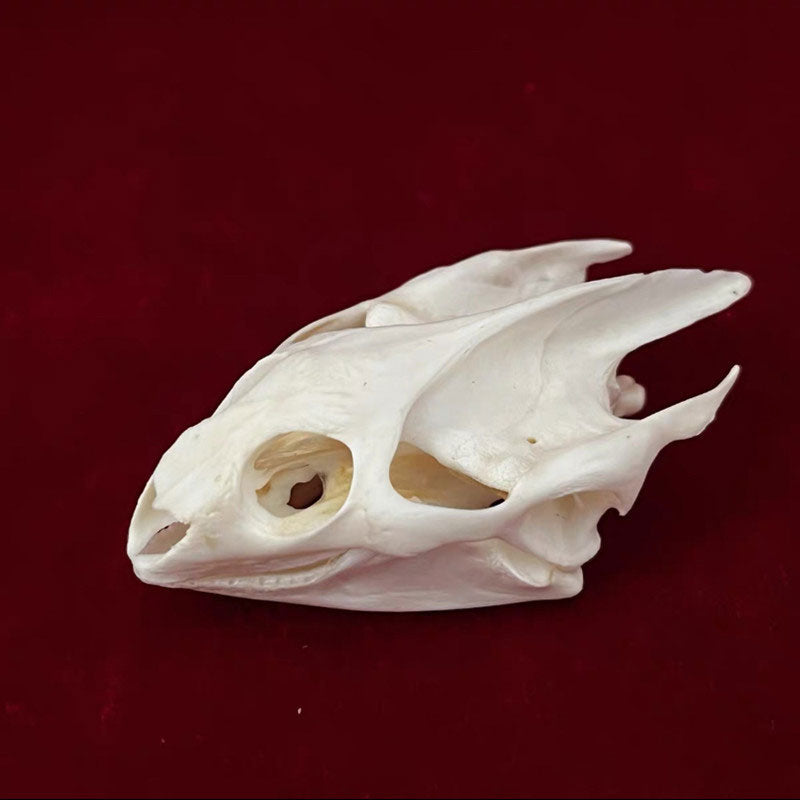
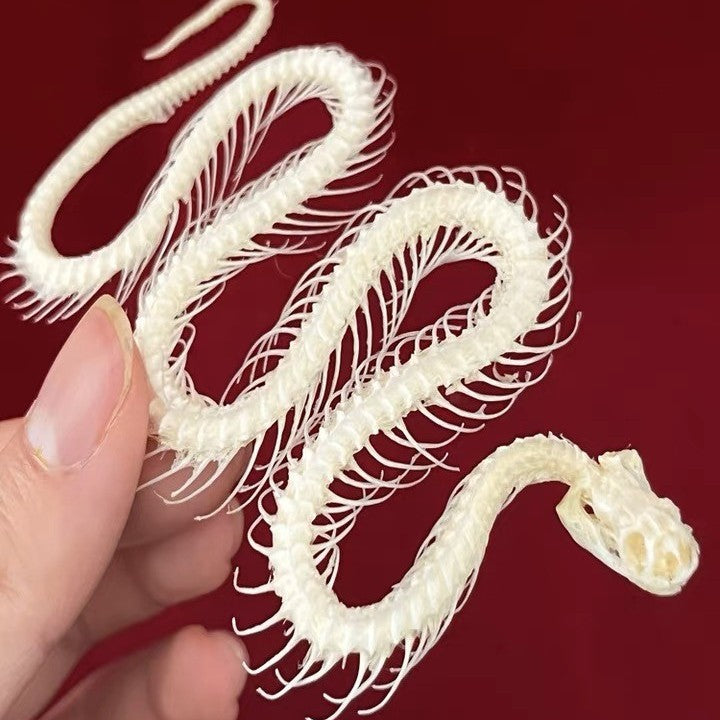
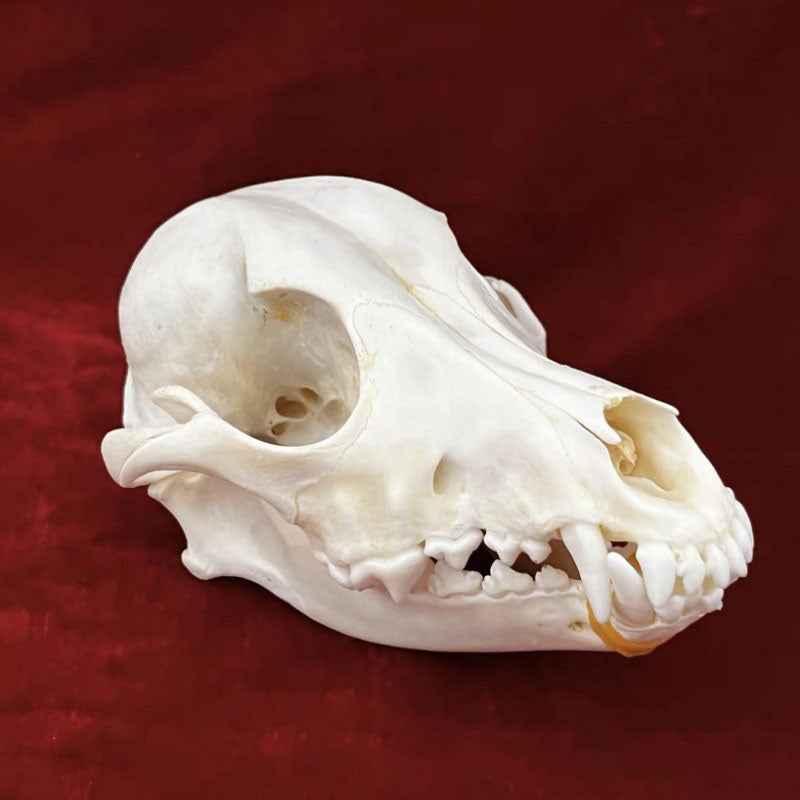
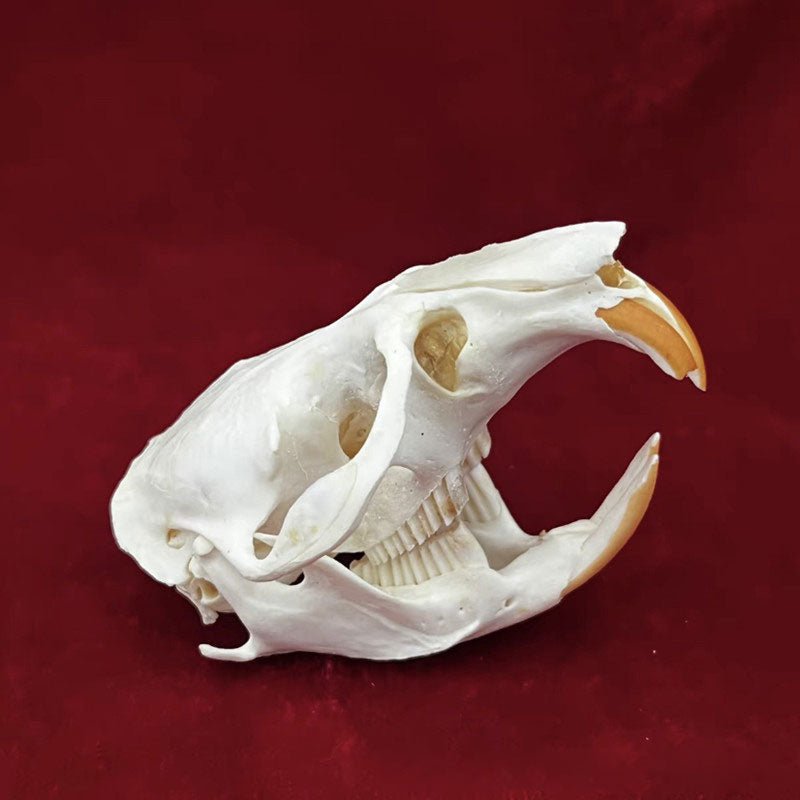
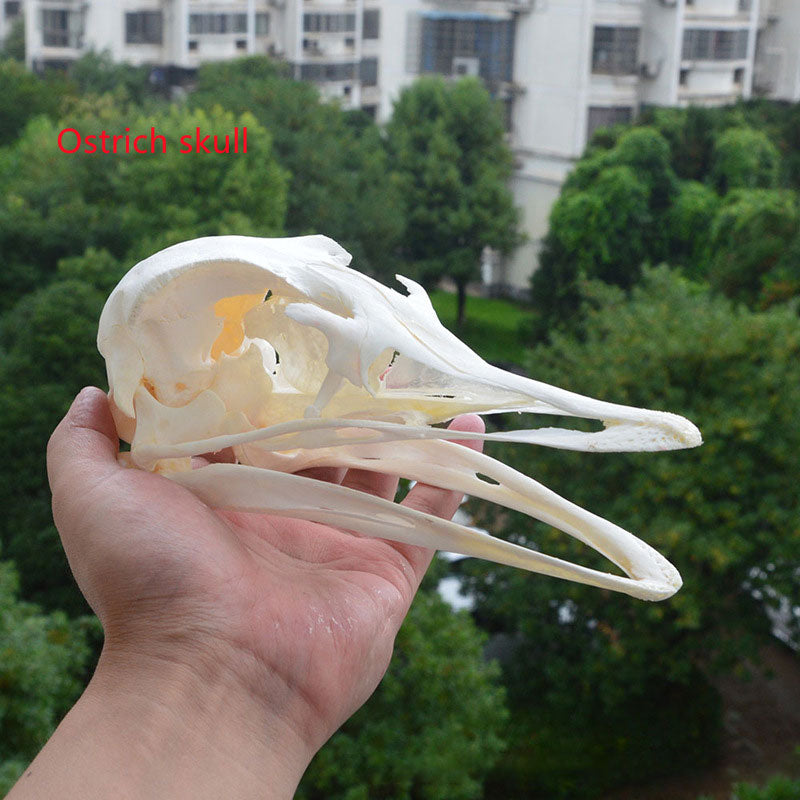
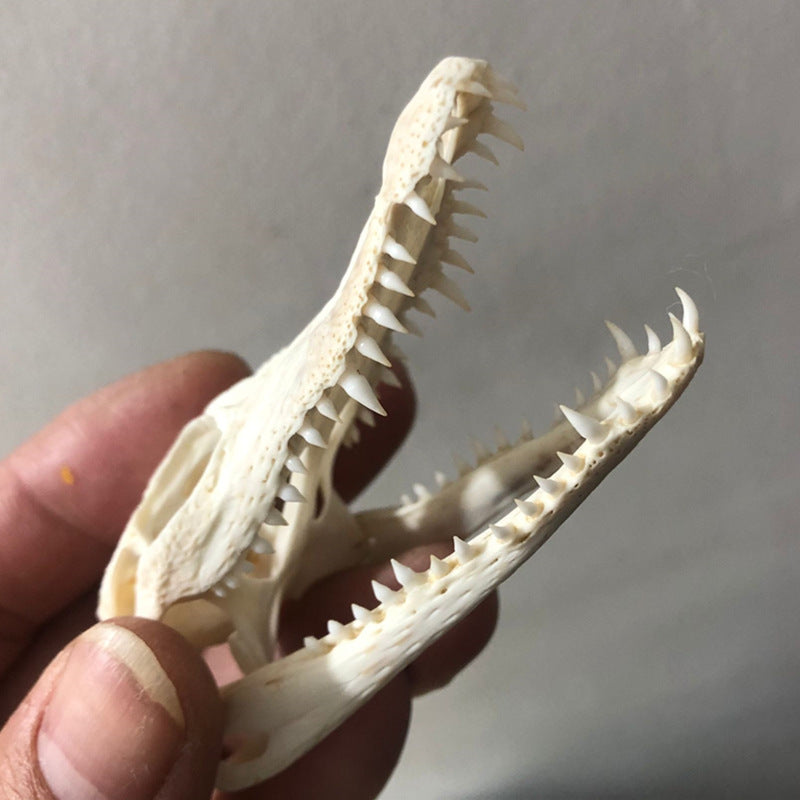
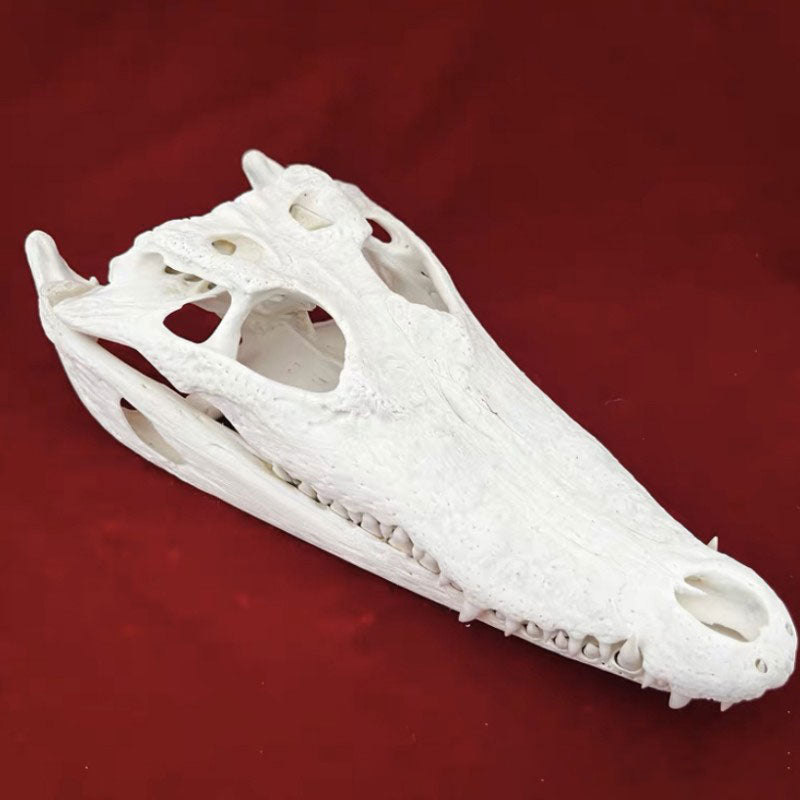
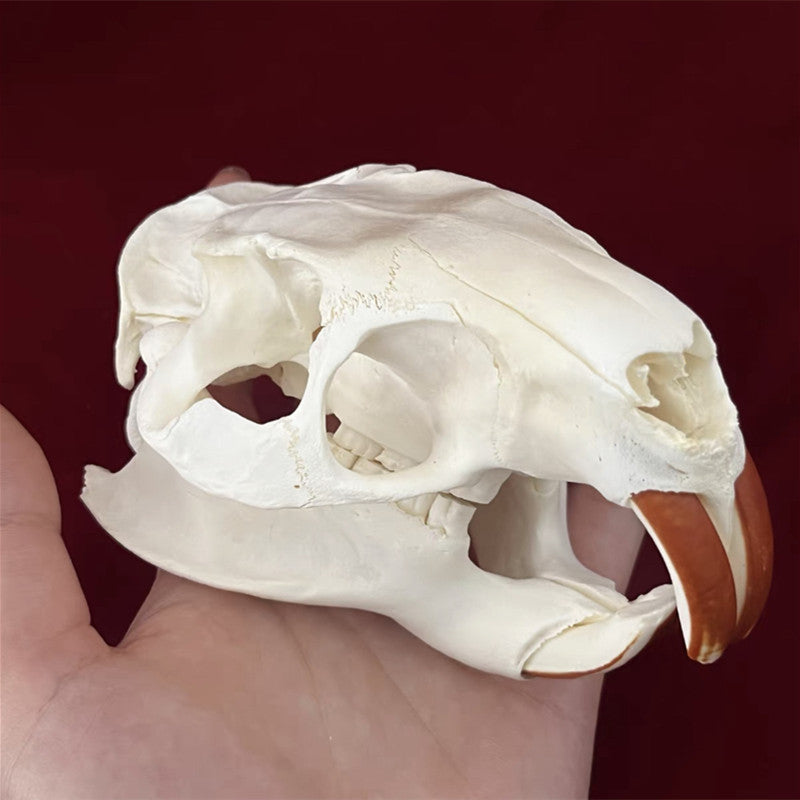
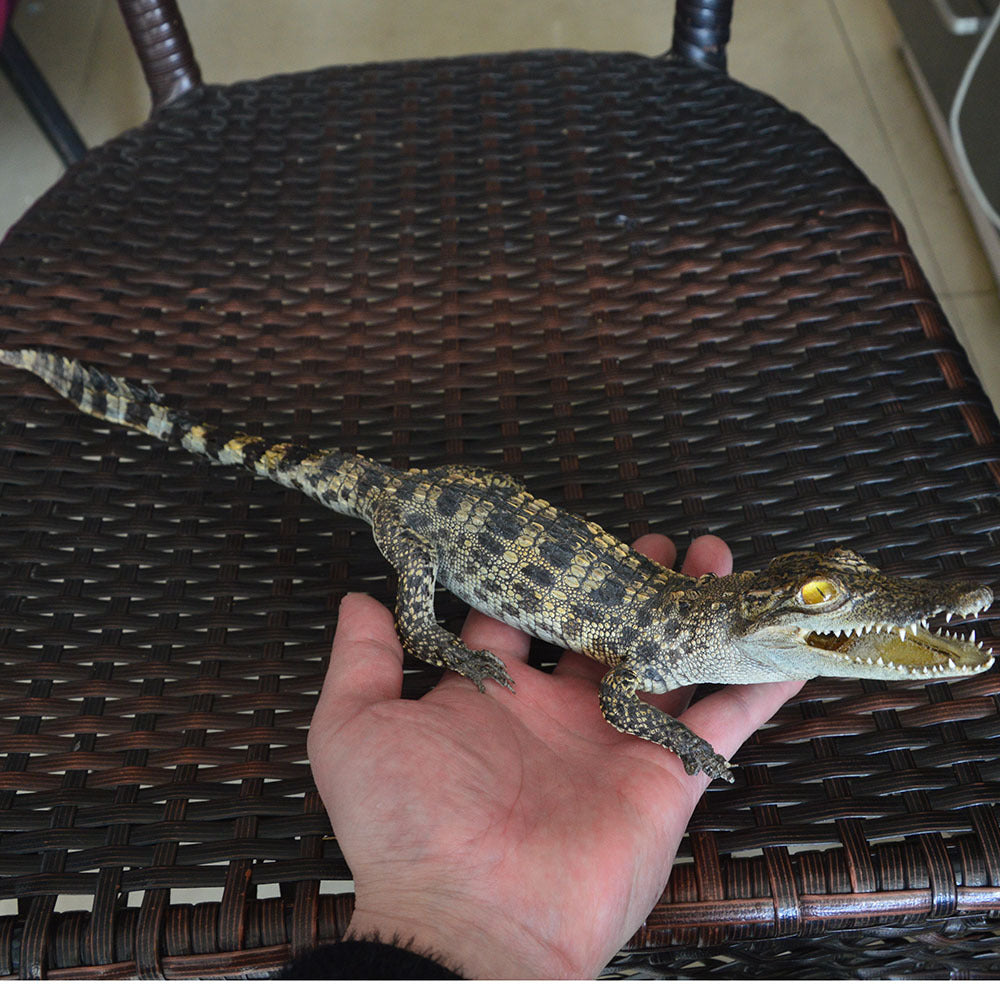
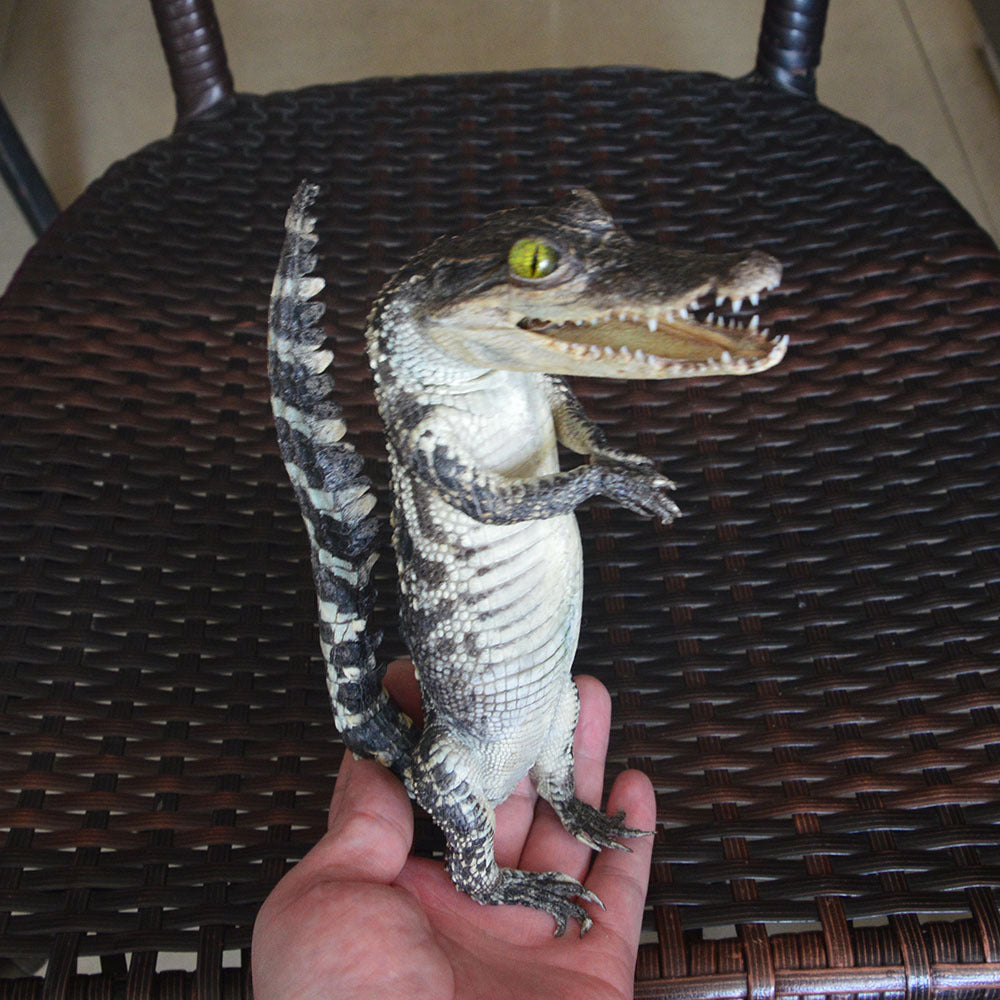
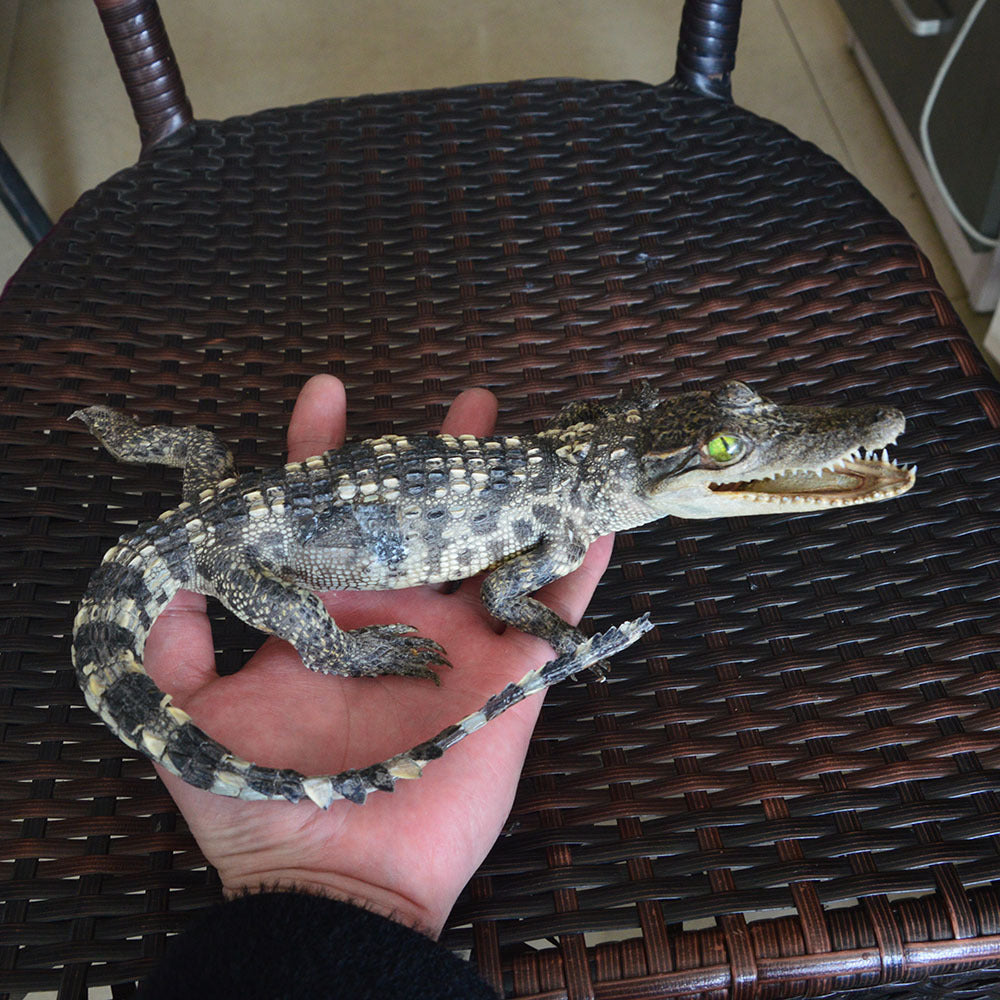
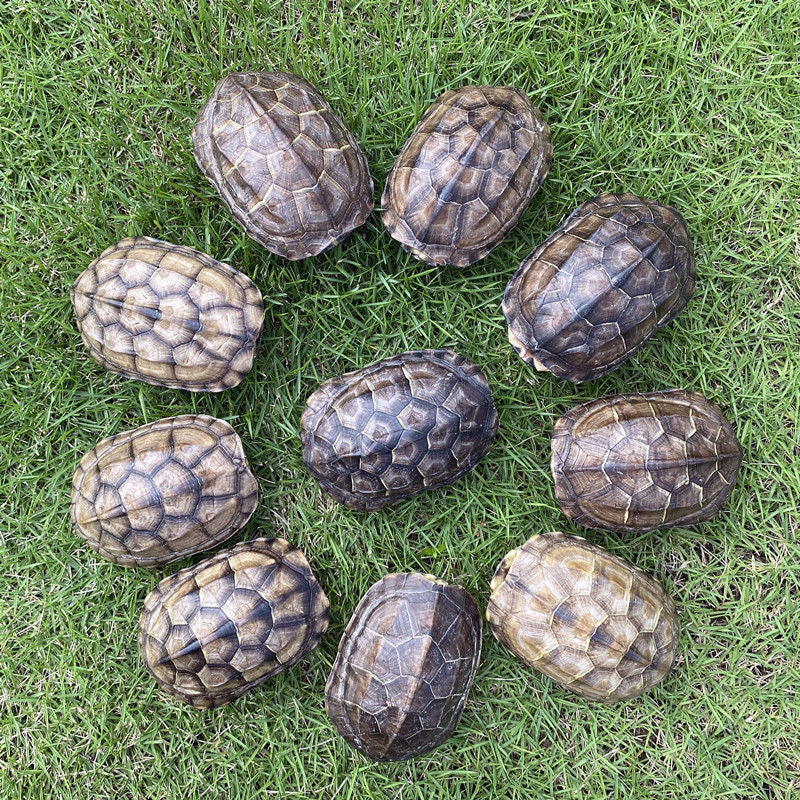
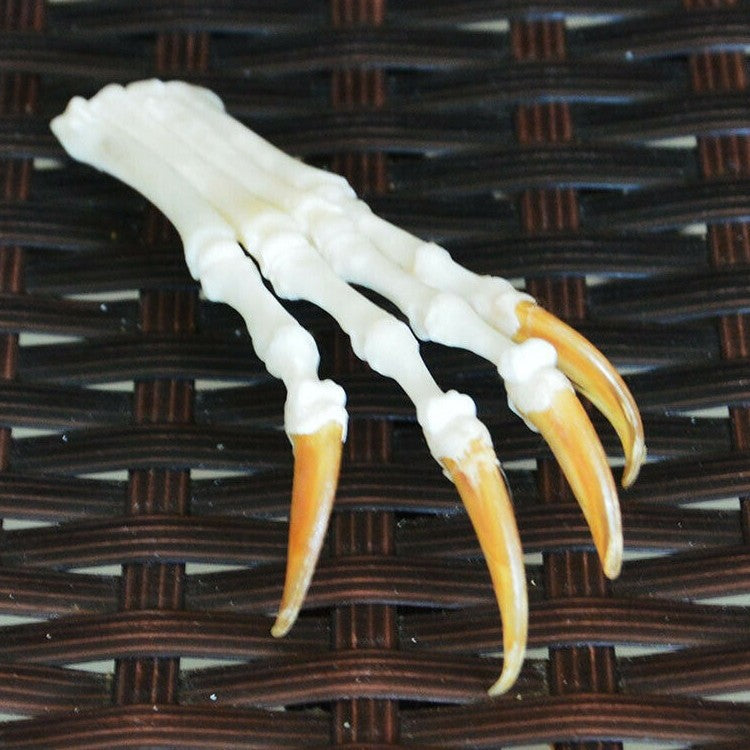
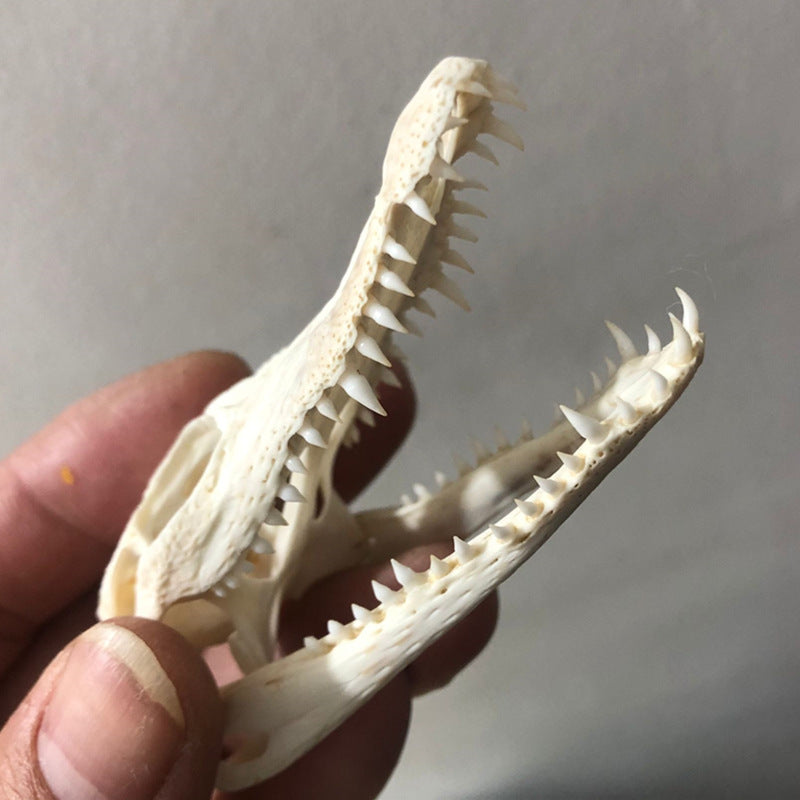
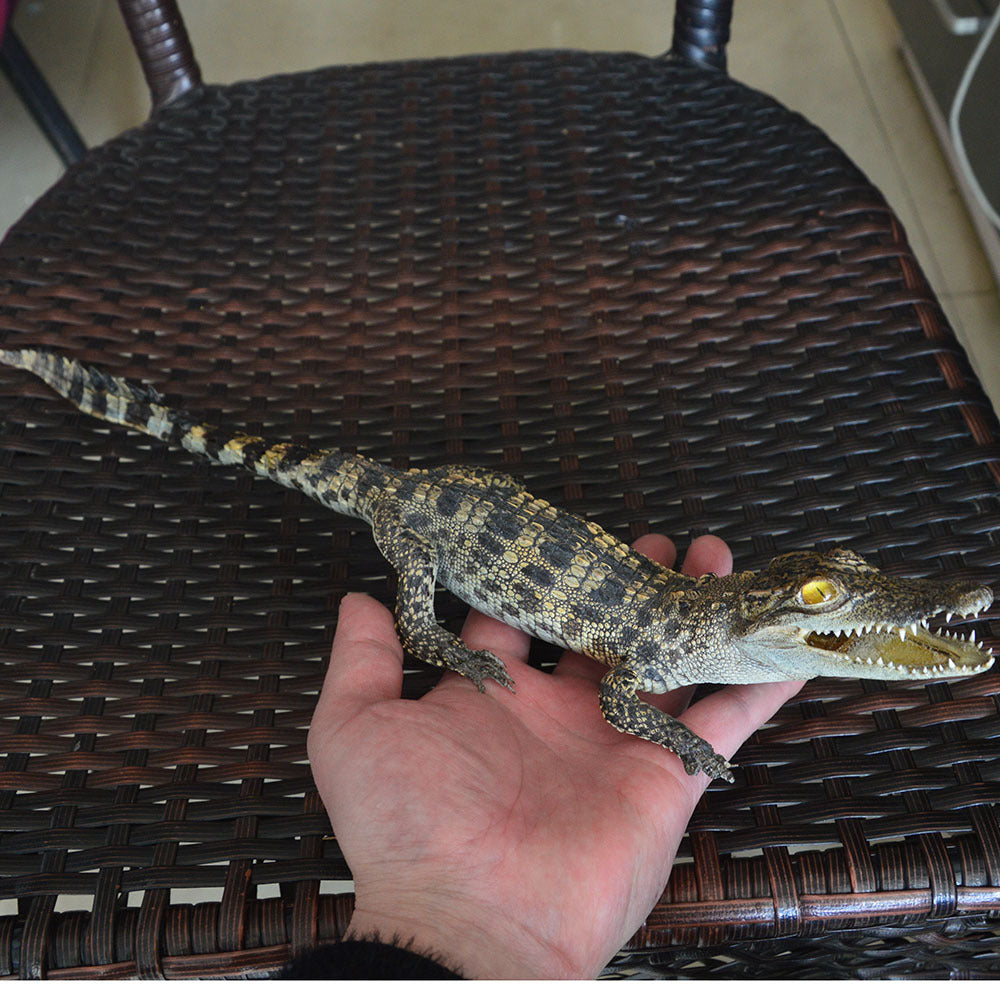
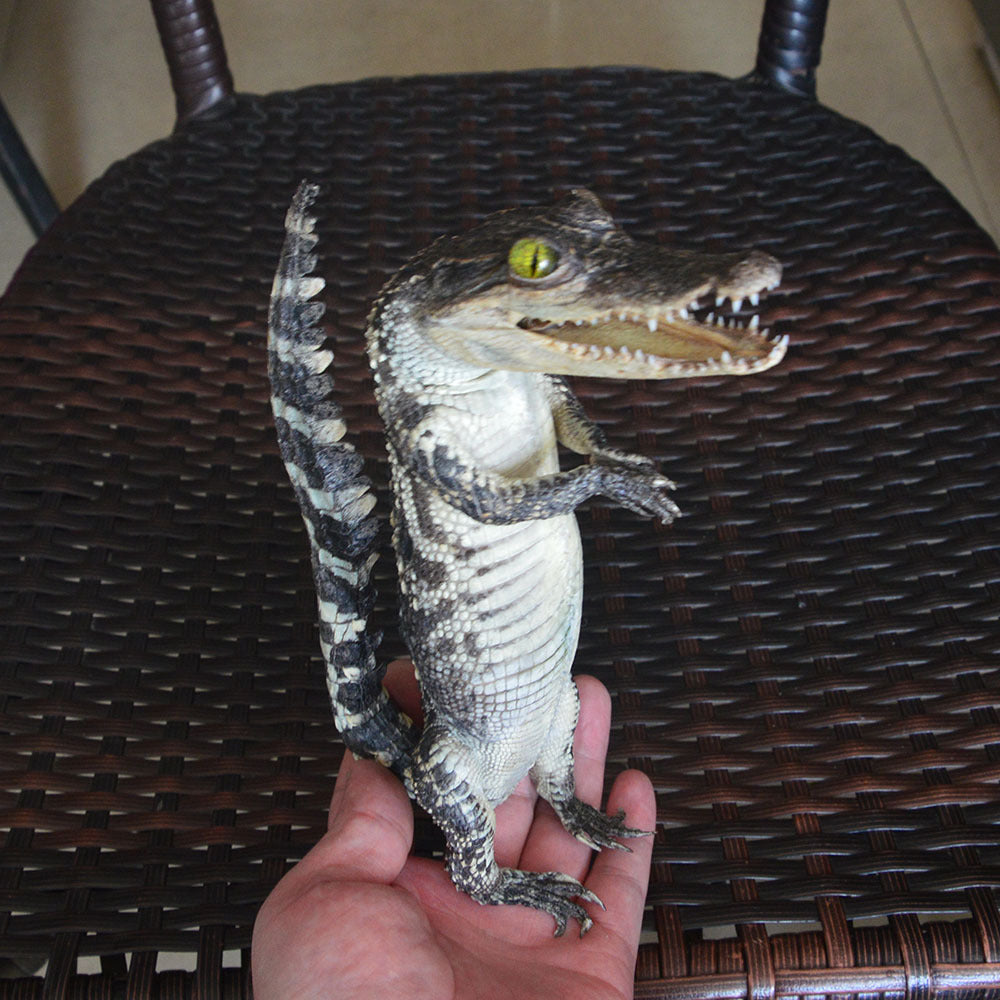
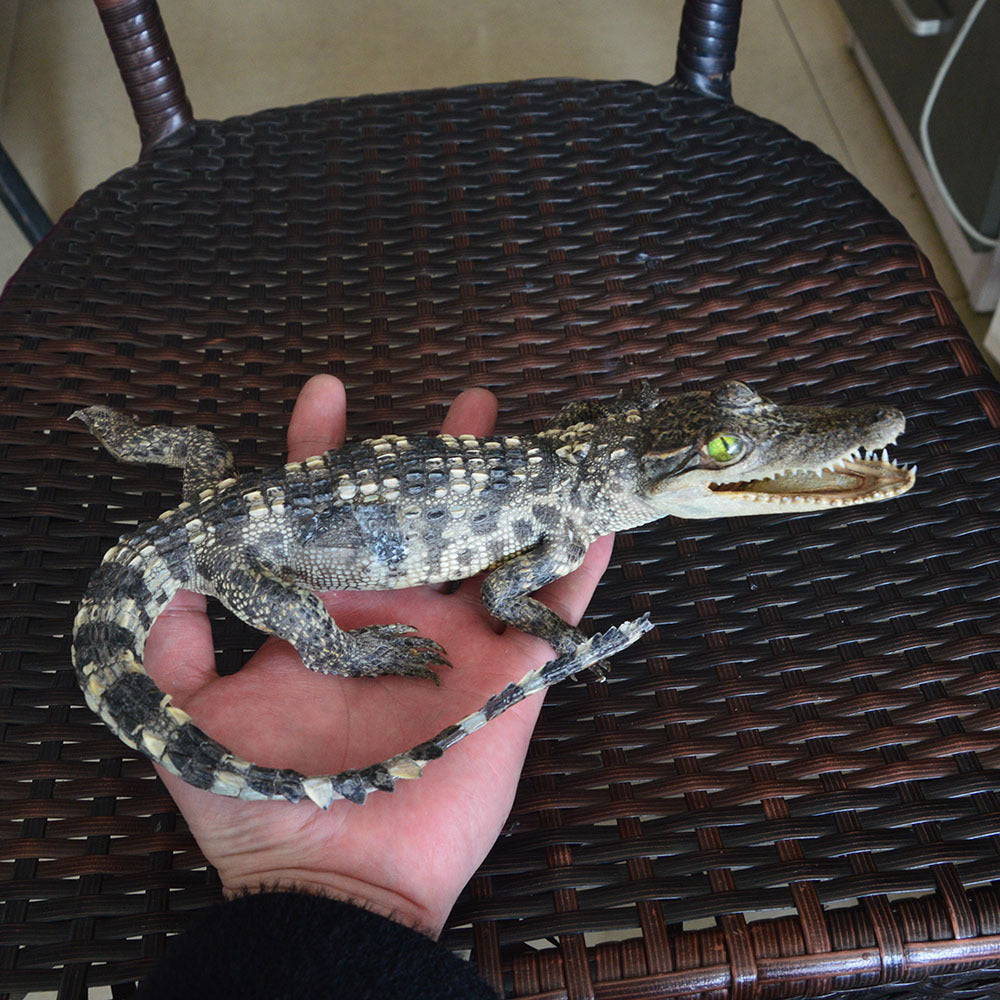
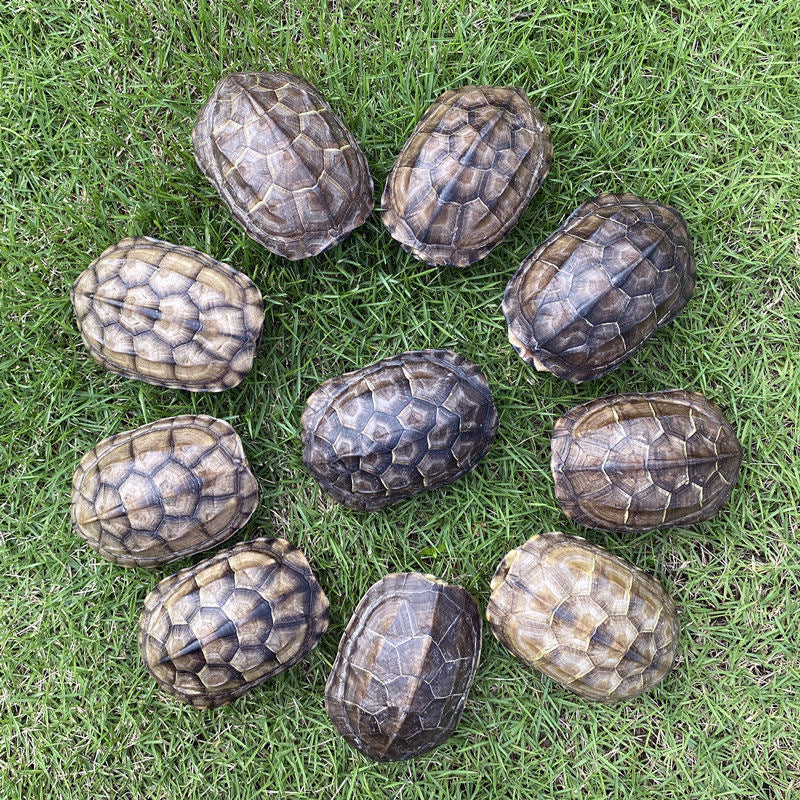
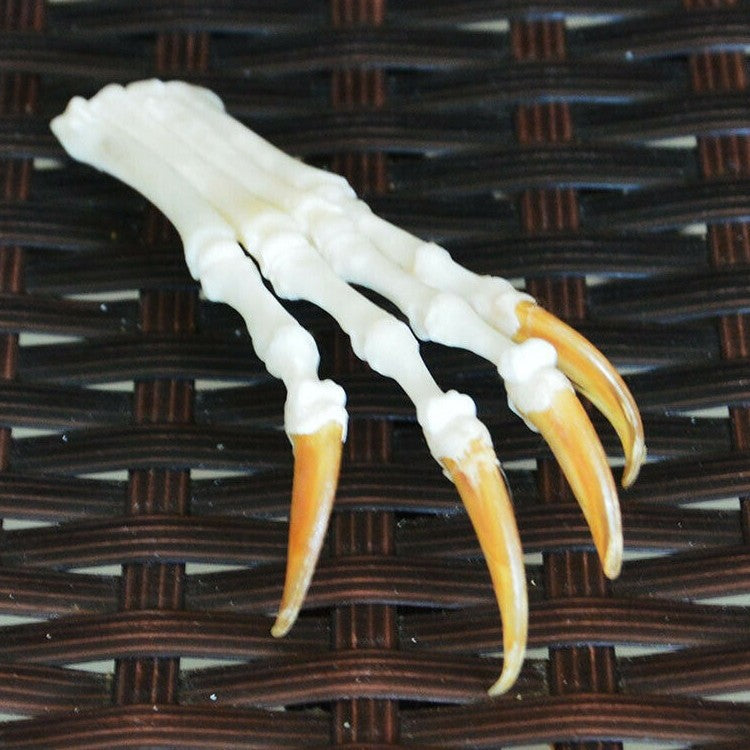
Turn an ordinary shelf into a curiosity display with animal skull specimens, delicate bones, and visible anatomical detail. Natural ivory, cream, and tan variation gives every arrangement a collected character.
Read the full descriptionDescription
Turn an ordinary shelf into a curiosity display with animal skull specimens, delicate bones, and visible anatomical detail. Natural ivory, cream, and tan variation gives every arrangement a collected character.
Authentic-looking natural-history specimens with striking anatomical detail for distinctive display
- ordinary or impersonal home decor
- lack of conversation-starting display pieces
- difficulty creating a natural-history or gothic decor theme
Make your display impossible to ignore
Ordinary decor disappears into the room. These detailed skulls and bone specimens create a dramatic natural-history display guests remember.
Details Worth Looking At

Naturally Distinctive
Warm ivory, cream, and tan coloration varies across pieces, so the arrangement feels like a collected natural-history grouping instead of a uniform decor set.

Anatomy In Detail
Skull cavities, teeth, openings, and contours create interest from across the room and reward a closer look at the display.

Build Your Cabinet
Different specimen forms give collectors, educators, artists, and gothic decor fans room to create a shelf, desk, classroom, studio, or themed interior arrangement.
A Cabinet Of Curiosities
- Animal skull specimensSelected variant
Fox-like, rabbit, mink, musk rat, and other skull forms are available.
- Small bone specimensSelected variant
Compact forms add variation and visual layering to a shelf or cabinet.
- Snake skeleton specimenSelected variant
A delicate boxed snake skeleton option brings a different skeletal rhythm to the arrangement.
Curate Your Curiosity
When Decor Feels Too Ordinary
A shelf can be styled and still feel impersonal. Flat prints, generic ornaments, and molded replicas create a theme without giving the eye a real focal point to investigate.
Look Closer
The appeal is in the anatomy. Hollow cavities, visible teeth, elongated contours, vertebrae, and ribs give each piece a different line and texture to study.
Curate Your Own Cabinet
Arrange a focal skull with smaller bones and snake pieces on a shelf, desk, study surface, or curiosity cabinet. Warm ivory, cream, and tan tones let the collection feel personal rather than mass-produced.
Keep Details Protected
- Support from underneath
Lift and reposition specimens slowly, especially pieces with thin bones or small structural details.
- Dust gently
Use gentle dry dusting. Avoid water and harsh chemicals on porous bone surfaces.
- Choose a dry location
Keep specimens away from damp rooms, direct sunlight, heat, and busy shelf edges.
- Leave breathing room
Do not crowd delicate pieces against hard objects where edges or skeletal details can catch.
Beyond Generic Decor
| Animal skull specimens | Molded replicas | Ordinary ornaments | |
|---|---|---|---|
| Dimensional anatomical form | Yes | Partial | No |
| Naturally varied coloration | Yes | No | Partial |
| Visible cavities and teeth | Yes | Partial | No |
| Multiple specimen types | Yes | Partial | No |
| Conversation value | High | Partial | Low |
Characteristics
Reviews
Questions and answers
The collection is presented as real animal skull and bone specimens rather than molded decorative replicas. Natural coloration, shape, and surface detail vary from piece to piece.
Available options include fox-like, rabbit, mink, musk rat, turtle head, and other skull forms, plus smaller bone specimens and a 30CM snake skeleton specimen in a box. Choose the specific variant shown in the selector.
No. Natural specimens vary in ivory, cream, and tan coloration, contour, surface character, and small anatomical details. That variation is part of the collected appearance.
Yes. They suit supervised classroom observation, artist reference, studio styling, study desks, shelves, and curiosity cabinets. Place them securely where the details can be seen without repeated handling.
Support each piece from underneath and move it slowly. Use gentle dry dusting only, and keep the specimens away from water, harsh chemicals, humidity, direct sunlight, and heat.
Keep the specimens out of reach of children and pets. They are fragile decorative collectibles, not toys, chew items, or play objects.
Similar products
See all Animal Skull Specimens for Distinctive Home Decor