
$38.90
Free delivery · 7–14 days
Non-Slip Gloves For Hand Care
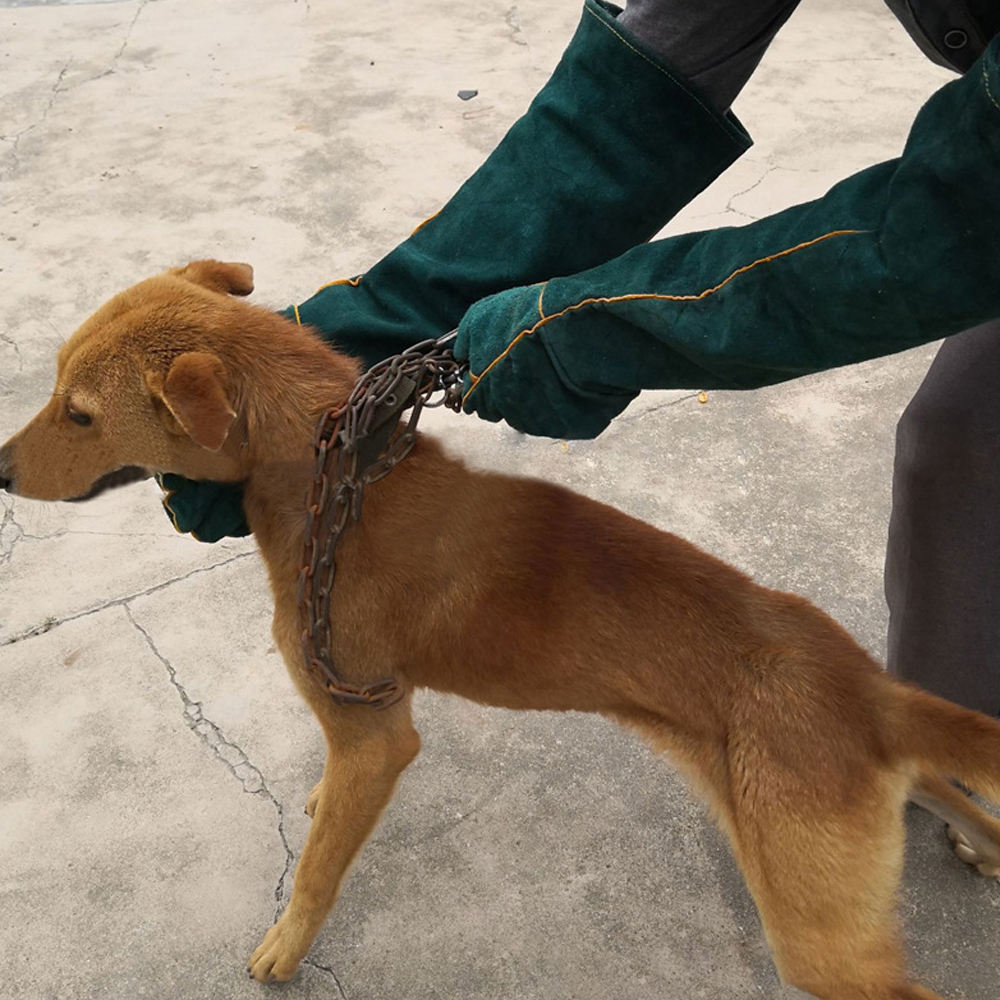


Approach difficult handling moments with more covered hands and forearms, flexible fingers, and reinforced palm support. These animal handling gloves bring practical protection to reptile care, restraint, transport, and nervous-pet handling.
Read the full descriptionApproach difficult handling moments with more covered hands and forearms, flexible fingers, and reinforced palm support. These animal handling gloves bring practical protection to reptile care, restraint, transport, and nervous-pet handling.
Helps protect hands and forearms from animal bites during handling
Exposed hands and forearms make restraint stressful for both you and the animal. These gloves add protective coverage, flexible fingers, and reinforced palm support for more controlled handling.

The long protective cuffs extend beyond the wrists across the forearms, addressing the exposed gap ordinary gloves leave during animal handling.

Flexible articulated fingers support deliberate contact and controlled movement during restraint, care, training, or transport.

Reinforced-looking palm and thumb construction adds a protective layer at the areas most involved in holding and positioning an animal.
Breathable lining and fabric construction make extended handling more comfortable than sealed, rigid alternatives.
Check the fabric, stitching, palm, thumb, fingers, and cuffs for damage before every difficult handling session.
Open and position the carrier, enclosure, lead, or approved handling tools before approaching the animal.
Put on both gloves and confirm that your fingers move freely while the cuffs cover your wrists and forearms.
Test carrier latches, leads, or tools first so the glove feel is familiar before live restraint.
Use calm, species-appropriate restraint and professional guidance where the animal, size, or bite risk calls for it.
One left glove and one right glove
Extended coverage over the wrists and forearms
Complete pair for two-handed handling
A sudden bite or scratch can turn routine restraint, transport, or care into a tense struggle. Thin work gloves often protect the hands while leaving the wrists and forearms vulnerable.
Long cuffs extend protection beyond the wrists, while flexible fingers keep the hand involved in careful positioning. Reinforced palm and thumb areas support the points that do the most work.
Put the gloves on before the difficult moment, check your movement, and prepare your carrier or enclosure first. They add a practical layer of protection while proper handling technique remains essential.
Check fabric, stitching, palms, thumbs, fingers, and cuffs.
Clean according to the fabric care method appropriate for the gloves.
Store only when the gloves are clean and dry.
Do not keep using gloves with tears, failed stitching, or worn reinforcement.
| Animal Handling Gloves | Thin Work Gloves | Rigid Bite-Resistant Gloves | |
|---|---|---|---|
| Extended forearm coverage | Yes | No | Partial |
| Flexible fingers | Yes | Yes | Limited |
| Reinforced palm and thumb | Yes | Partial | Yes |
| Breathable lining | Yes | Varies | Varies |
| Made for animal handling | Yes | No | Varies |
No. They add protection against bites and scratches during handling, but no glove guarantees protection from every animal, bite force, puncture, or claw. Use proper restraint technique and professional help when needed.
Yes. The long protective cuffs extend beyond the wrists across the forearms. Visible length options are 35 cm and 60 cm, with a visible width of 14 cm.
Yes. The gloves have flexible articulated fingers that support deliberate movement around carriers, leads, enclosure components, and approved handling tools.
They are suitable as an added handling layer for experienced handlers, but they are not a guarantee against large-animal bites. Powerful or unfamiliar animals require species knowledge, an appropriate containment plan, and qualified support.
The palm and thumb areas feel more substantial than thin work gloves because they add reinforcement. Flexible fingers keep the hand more workable than rigid protective alternatives.
Follow the care method appropriate for the fabric and keep the gloves clean and dry between uses. Inspect the cuffs, palms, thumbs, fingers, and stitching before putting them back into service.


 Animal Handling Gloves for Bite Protection and Grip