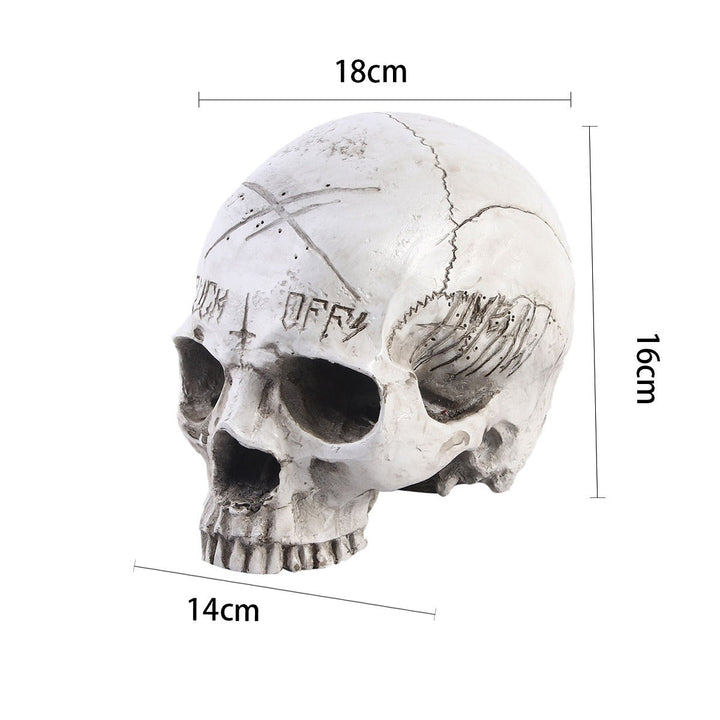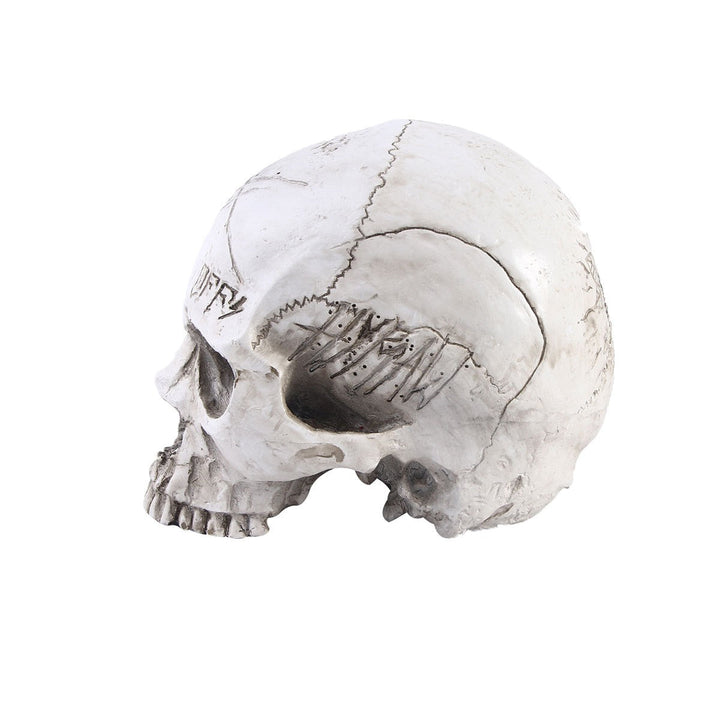
Anatomical Skull Model with Removable Mandible for Study
Make the skull click in three dimensions
Flat diagrams can make cranial structure difficult to picture. This detailed skull model gives students and educators a clear, hands-on view from multiple angles.

Anatomy You Can Examine
The model brings the key visible structures into one physical reference for clearer study and demonstration.

See cranial structure clearly
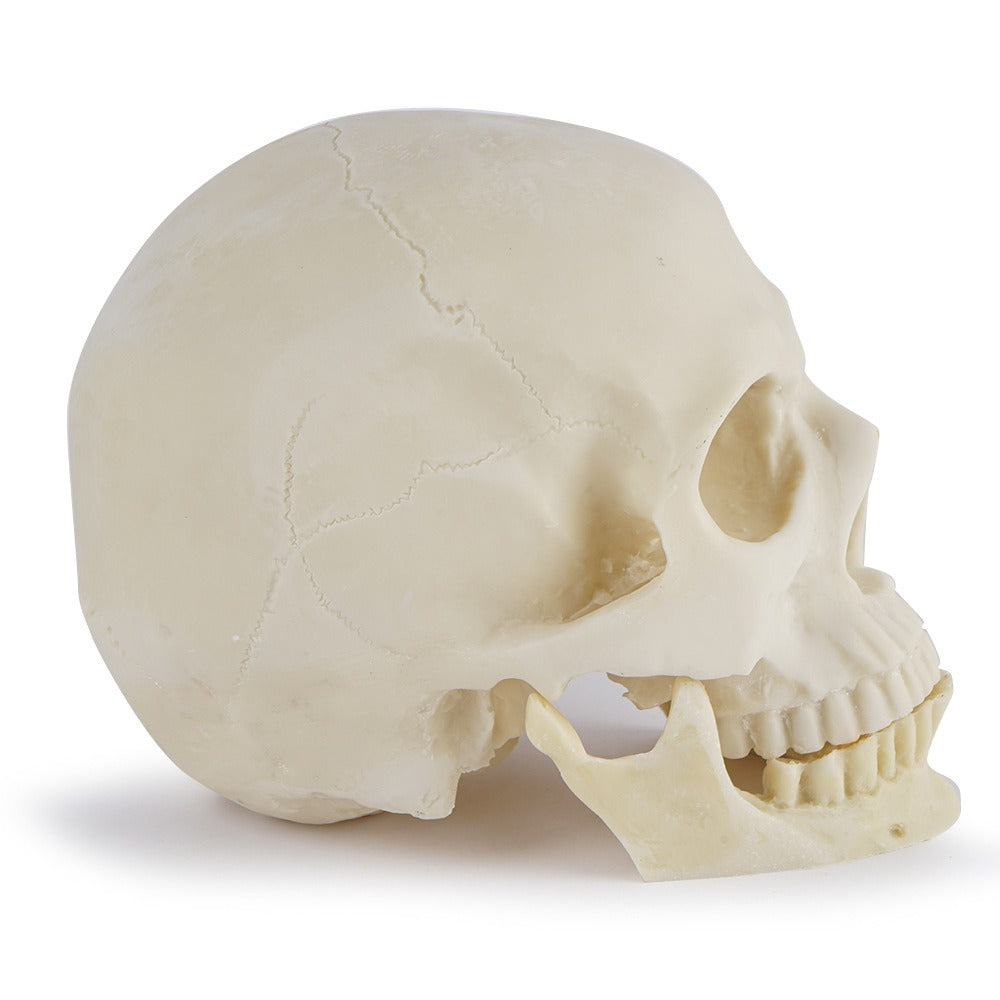
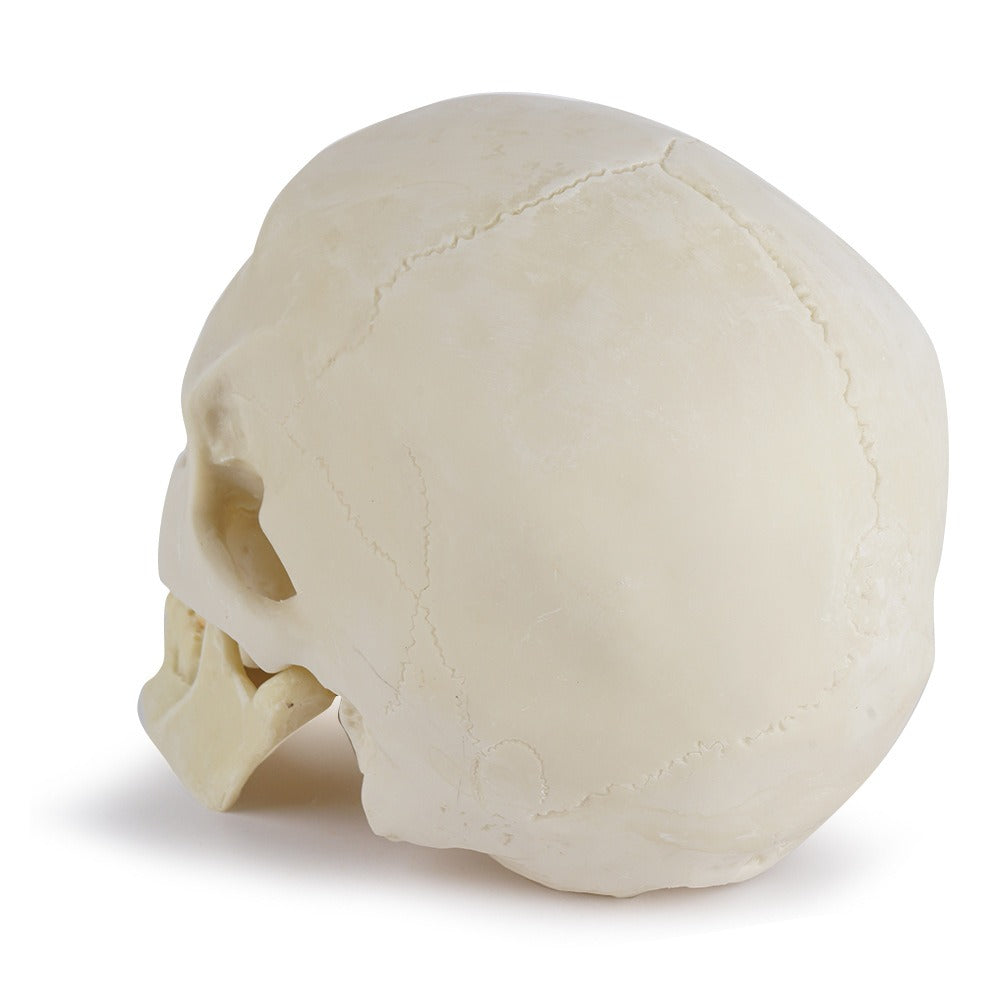
Molded cranial sutures create visible landmarks that are easier to point to, compare, and discuss than on a flat reference.

Separate the lower jaw
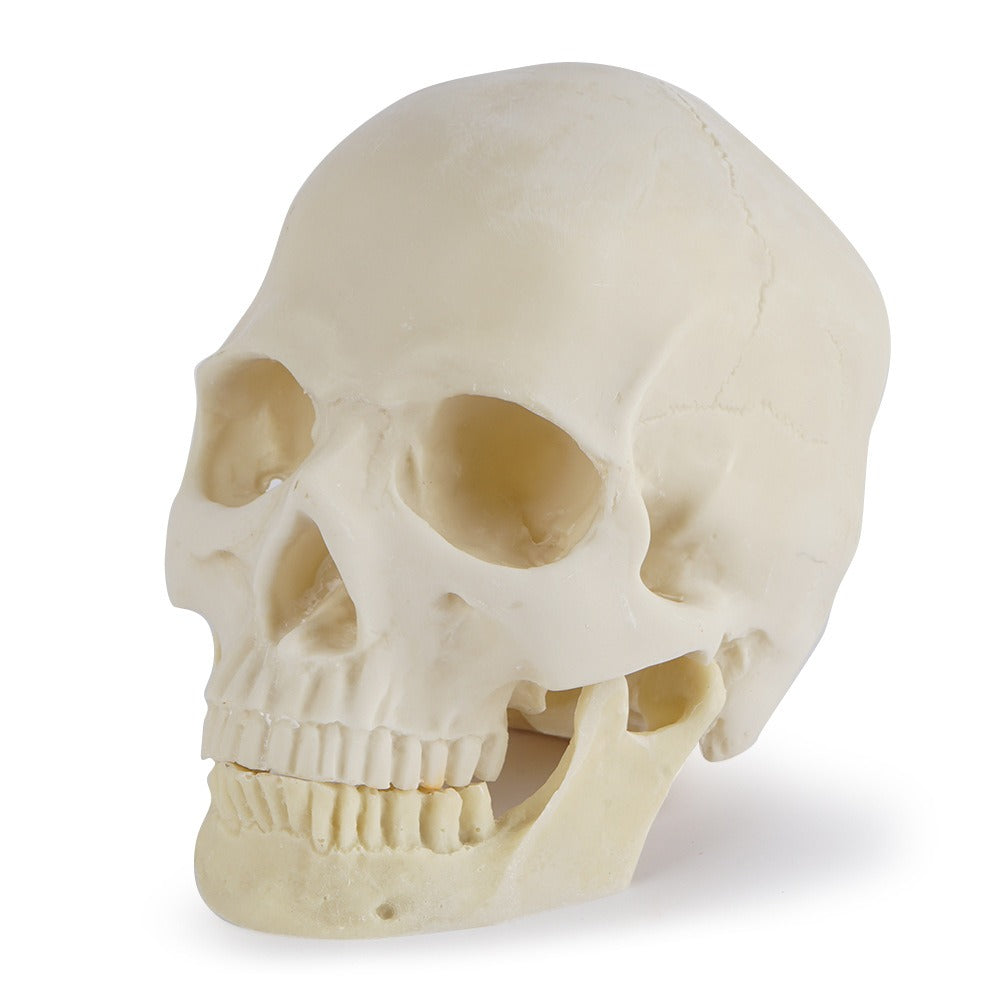
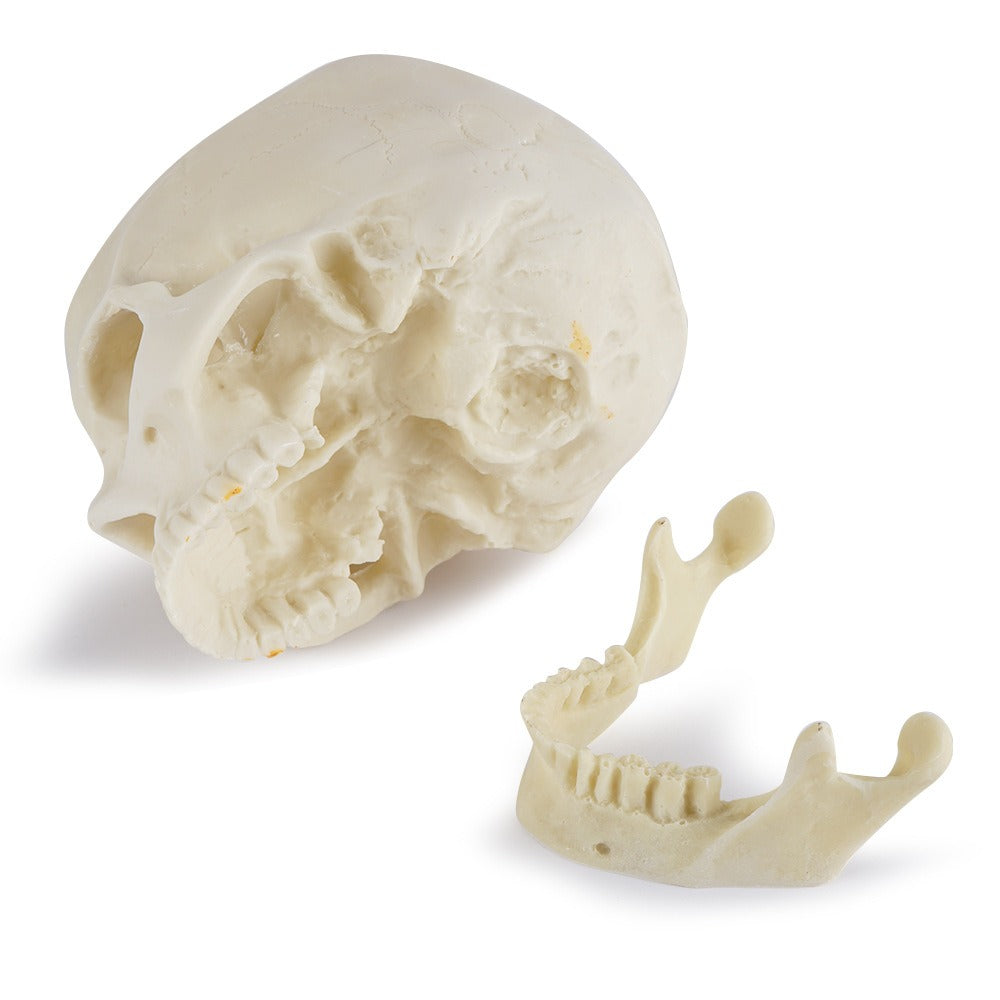
The removable mandible gives learners a direct way to focus on the jaw, molded teeth, and its relationship to the rest of the skull.

Inspect every angle
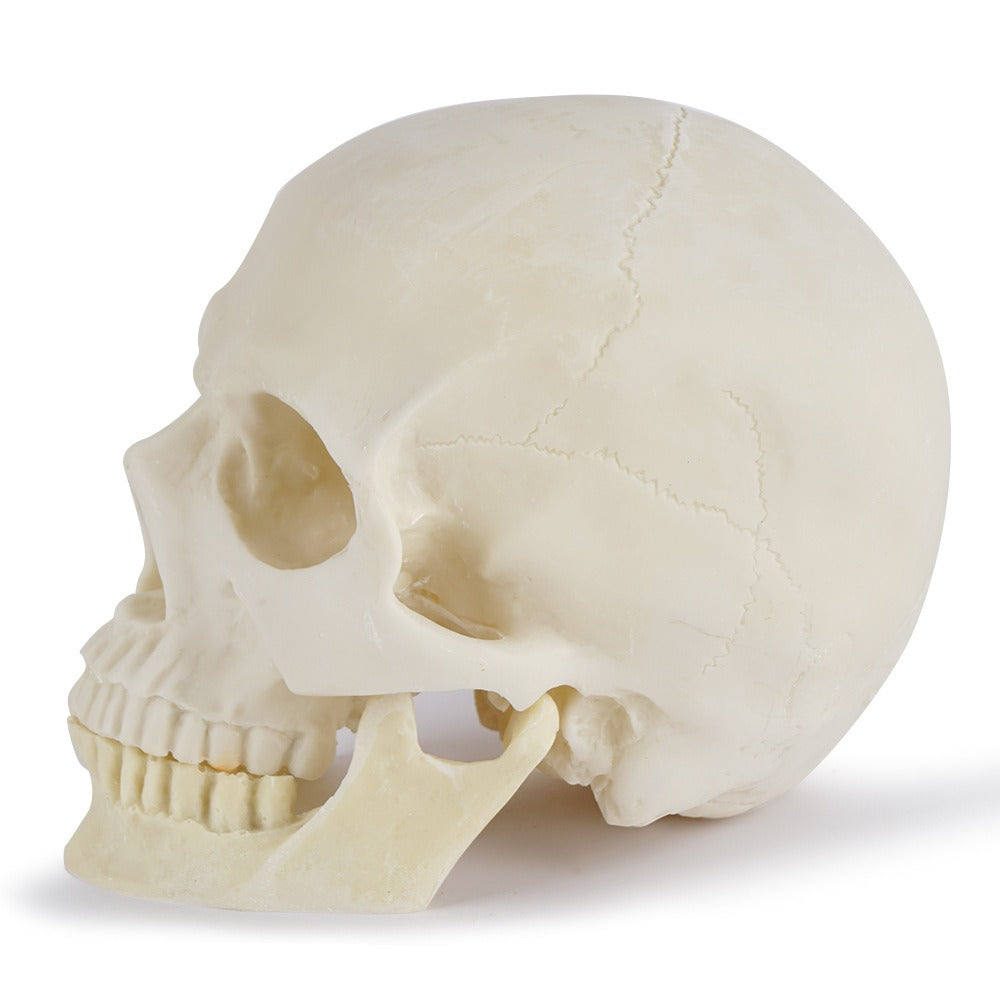
Multiple viewing angles reveal the eye sockets, nasal cavity, facial contours, and overall three-dimensional form, making spatial anatomy easier to discuss.
Study From Every Angle
A simple handling sequence turns the model into an active study and teaching reference.
Start with orientation
Place the skull on a stable surface and identify the visible eye sockets, nasal cavity, teeth, and cranial sutures.
Rotate the form
Turn the model through front, side, rear, and three-quarter views to connect each landmark with the skull’s overall shape.
Separate the mandible
Support the skull and remove the lower jaw gently. Use the separated piece to discuss the teeth and lower-face anatomy.
Explain what you see
Use the model beside notes, diagrams, or course material while learners point to and describe the structures in their own words.
More Than A Flat Diagram
Posters and apps have a place in study. This model adds physical depth, direct handling, and a separated-jaw demonstration.
| This skull modelHANDS-ON | Flat diagram | Digital app | |
|---|---|---|---|
| Three-dimensional form | Yes | No | Yes |
| Physical handling | Yes | No | No |
| Removable jaw demonstration | Yes | No | Partial |
| Multiple viewing angles | Yes | Partial | Yes |
| Reusable physical reference | Yes | No | No |
Two-Piece Study Set
Everything needed for a clear physical skull reference is kept straightforward.
Make Anatomy Visible
A physical reference bridges the gap between memorized labels and the spatial relationships learners need to understand.
When Diagrams Fall Short
Skull diagrams often leave learners guessing about depth, spacing, and how the jaw connects. A page can name a landmark, but it cannot be turned in your hands.

Put Anatomy In Reach
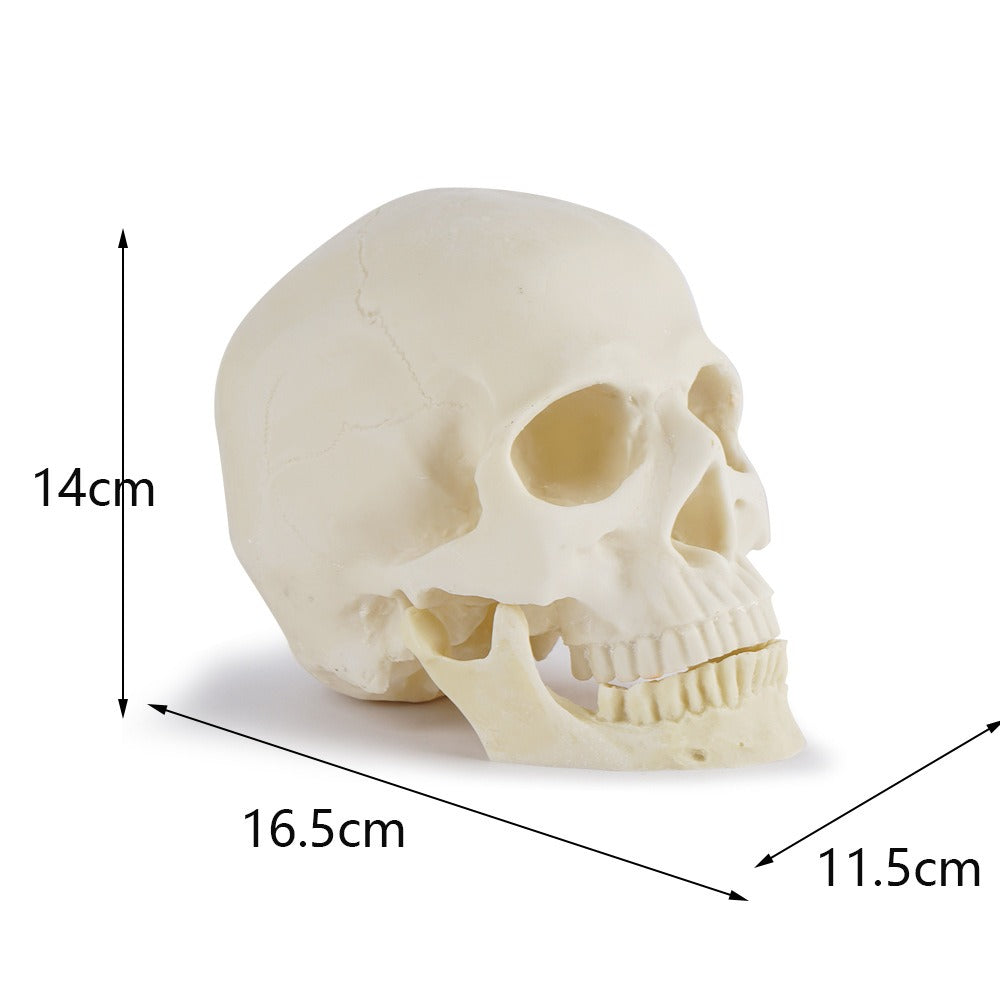
This compact anatomical skull model gives students a tangible bridge between labels on a page and structures they can inspect directly from the front, side, and angled views.

Learn By Looking Closer
Remove the mandible to focus on the lower jaw and molded teeth. Trace the cranial sutures, eye sockets, and nasal cavity as separate details, then reconnect them as one three-dimensional form.

A Reference That Stays Ready
Keep it beside a workbook, on a laboratory station, or at the front of a classroom. The next revision session, lesson, or anatomy discussion starts with a reference ready to handle.
About this item
Turn skull anatomy from a flat lesson into something learners can hold, rotate, and discuss. This compact ivory model includes a removable mandible for clearer study of cranial structure, cavities, teeth, and the jaw.
Detailed skull teaching model with removable mandible for hands-on anatomy study
- Difficulty visualizing three-dimensional skull anatomy
- Limited access to realistic anatomical teaching aids
- Need for a clear demonstration model of the jaw and teeth
Before You Choose
Clear answers for students, educators, and anyone comparing a physical model with flat or digital references.
Explore More Study Finds
You might also like