
$64.90
Free delivery · 7–14 days
Multi-Functional Repair Glue for Fast Household Fixes


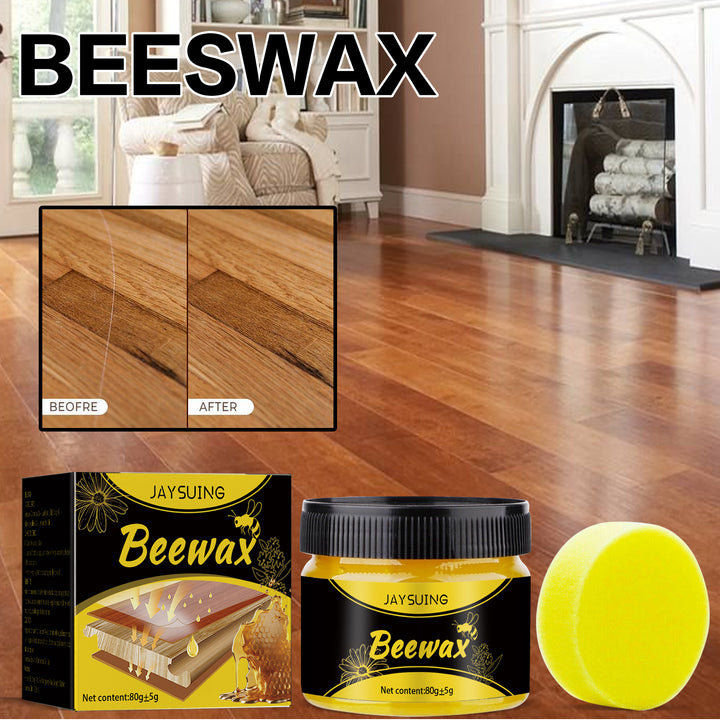


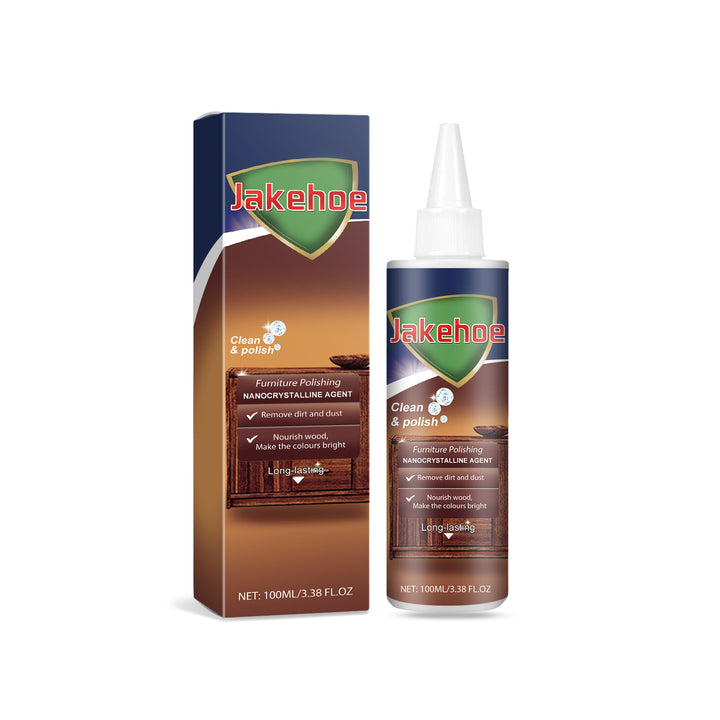

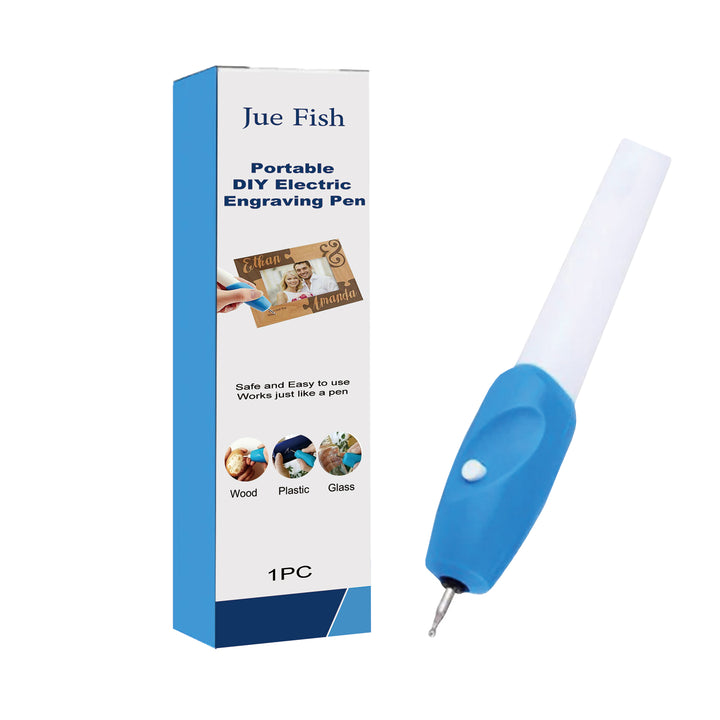

Woodworking tools cover everything from shaping and engraving wood to repairing, filling, and protecting finished surfaces. This category focuses on practical DIY helpers, including an electric engraving pen, beeswax finishes, scratch repair kits, putties, gap filler, and repair glue for furniture and home projects.
Start with the job rather than choosing a large woodworking tools list at random. For lettering, marking, or decorative detail, choose the portable electric engraving pen and use it on suitable, clean wood surfaces. For scratches and small cosmetic damage, select a wood furniture repair kit or repair putty that matches the surface and finish. Beeswax polish is suited to conditioning and refreshing finished wood, while pure beeswax granules are useful for DIY wax projects and custom blends. Use floor gap filler for seams and joints in wood flooring, and choose multi-functional repair glue when you need to bond compatible household materials. Check the product instructions, color options, surface compatibility, and required preparation before buying.
Traditional woodworking hand tools include chisels, planes, saws, marking gauges, and carving tools. This category is more focused on finishing, light detail work, and repairs than on cutting large boards or flattening rough lumber. The engraving pen adds a powered option for names, patterns, and small DIY wood projects. Repair kits, putties, and gap filler help correct scratches, dents, seams, and other visible imperfections. Beeswax products provide a surface-care option for suitable furniture and leather projects. Glue handles bonding tasks where the materials and surfaces are compatible. Comparing these types by purpose makes shopping easier: engrave for decoration, fill for gaps, repair for damage, glue for bonding, and polish or wax for finishing.
Look for a tool that matches the material, damage, and level of control your project requires. With an engraving pen, consider its portability, grip, control layout, and suitability for the wood you plan to mark. For putty, filler, and scratch-repair products, check whether the color can be matched, sanded, smoothed, or polished after application. Beeswax furniture polish should suit the existing finish and be applied sparingly to avoid an unwanted buildup. Pure beeswax granules offer flexibility for DIY preparation, but they require your own mixing and handling process. For glue, review the surfaces it is designed to join and the recommended preparation and curing instructions. Clear directions are especially valuable for woodworking tools for beginners.
Prepare the work area before using any product: remove dust, clean the surface as directed, and test on an inconspicuous spot. For an engraving pen, sketch a light guide and practice on scrap wood before working on the finished piece. Apply repair putty, wood putty, or floor gap filler in controlled amounts, pressing it into the damaged area or seam and removing excess before it hardens. Allow the repair to dry or set according to the instructions, then smooth it if the product allows sanding or polishing. Use repair glue on clean, properly aligned surfaces and follow its setting guidance. Apply beeswax polish with a soft cloth in a thin layer, then buff gently if recommended.
A common mistake is buying a general woodworking tools set when the project only needs a targeted repair or finishing product. Another is using furniture putty on a moving floor seam, or applying floor gap filler where a rigid repair is unsuitable; always match the product to the location and movement involved. Do not assume every glue bonds every wood, finish, plastic, or metal surface. Applying too much polish or wax can leave an uneven or greasy-feeling surface, while skipping a hidden-area test can reveal color or finish differences too late. Beginners may also press too hard with an engraving pen and lose control. Read preparation, drying, cleanup, and compatibility instructions before starting.
These products suit homeowners, hobbyists, furniture upcyclers, renters handling small repairs, and beginners building a practical collection of woodworking hand tools and finishing supplies. They are useful when the goal is to refresh an existing item, conceal a scratch, close a small gap, add a decorative mark, or complete a household repair without investing in a full professional woodworking tools workshop. Experienced makers can also keep putty, filler, wax, glue, and repair kits on hand for finishing work between larger projects. If you need to cut timber, flatten boards, make joinery, or remove substantial material, look for dedicated saws, planes, chisels, clamps, and router tools instead. For shoppers searching woodworking tools near me, online selection can provide convenient project-specific alternatives.
The essentials depend on the work, but a practical starting collection often includes measuring and marking tools, a saw, clamps, a screwdriver set, sandpaper, and basic chisels. For furniture care and small DIY repairs, add wood putty, repair glue, filler, and a suitable beeswax finish.
A useful list includes a tape measure, combination square, marking pencil, handsaw, chisel, hand plane, clamps, sanding supplies, screwdriver, and drill or engraving tool. The right selection changes with the project, so repair kits, putty, gap filler, and polish may be more useful than cutting tools for furniture maintenance.
Common names include hand saw, backsaw, chisel, plane, mallet, marking gauge, combination square, clamp, rasp, file, router, drill, and engraving pen. Repair and finishing supplies are also part of many woodworking setups, including wood putty, filler, glue, furniture polish, and beeswax.
Classic woodworking tools include the hand plane, chisel, backsaw, marking gauge, try square, wooden mallet, brace, and hand scraper. These tools are valued for controlled shaping, joinery, and surface preparation, while modern repair kits and portable electric tools can speed up finishing and detail work.
Ten common carpentry tools are a tape measure, pencil, utility knife, hammer, screwdriver, level, combination square, handsaw, drill, and clamps. Larger construction jobs may also require specialized saws, fastening tools, or layout equipment that are different from furniture repair supplies.
A portable electric engraving pen is a versatile choice for adding names, patterns, and decorative details to DIY wood projects. Other useful additions include color-matching repair kits, smooth-finish putty, floor gap filler, multi-purpose repair glue, and beeswax products for refreshing completed work.