Window Cleaning Tools: Pro Equipment for Streak-Free Glass
5 products
Find practical window tools for removing dust, water, grime, and light residue from glass and screens. This collection includes spray-and-wipe tools, scrapers, silicone wipers, and an automated glass-cleaning robot for different cleaning routines and window sizes.
How to choose the best window tools for your glass
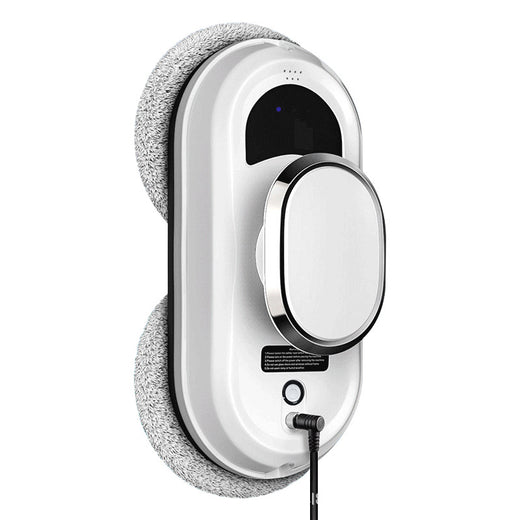
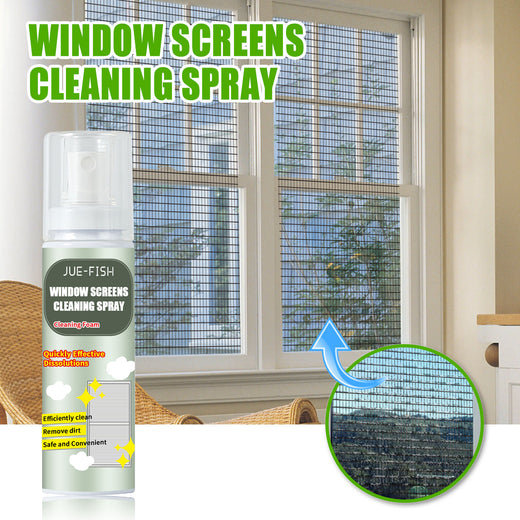
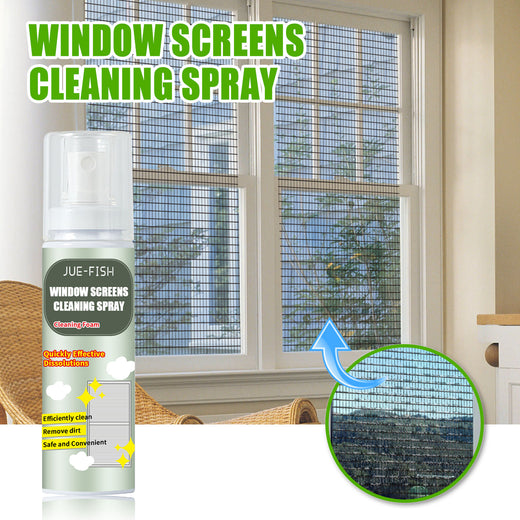
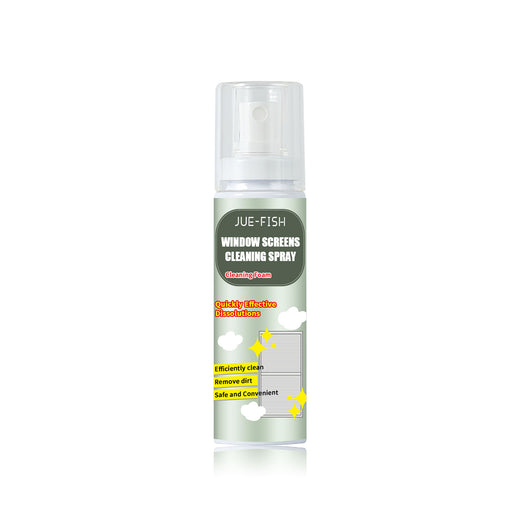
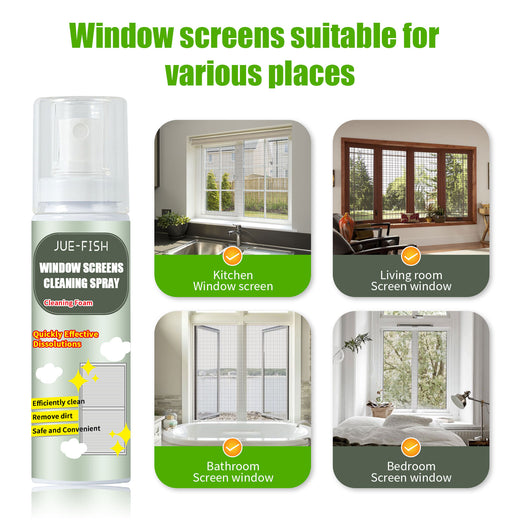
Start with the type of surface, the amount of buildup, and how often you clean. For routine fingerprints, dust, and light marks, use the Window Cleaning Foam Spray with a lint-free cloth or the 3-in-1 Window Cleaning Tool. If water spots are your main problem, a silicone wiper can remove liquid in a controlled pass before it dries. For larger panes or frequent cleaning, the 5600Pa Auto Glass Cleaner Robot can reduce manual wiping, but check that the surface and window layout are suitable. These products are designed for cleaning rather than window installation tools or professional window tinting tools, so choose a separate kit when fitting frames, applying film, or handling construction work.
What are the different types of window cleaning tools?
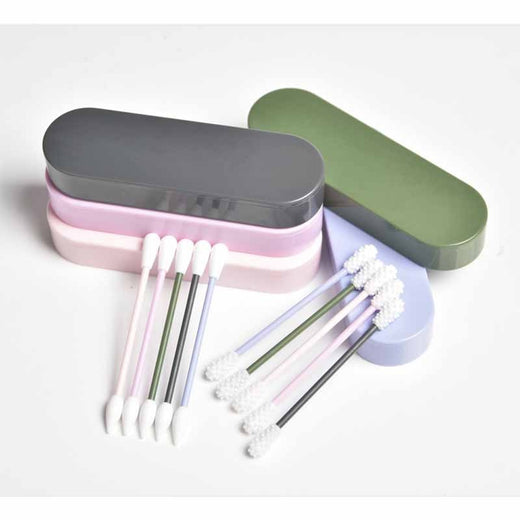
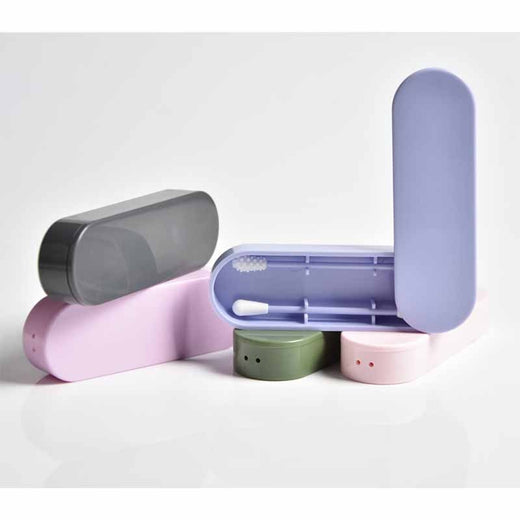
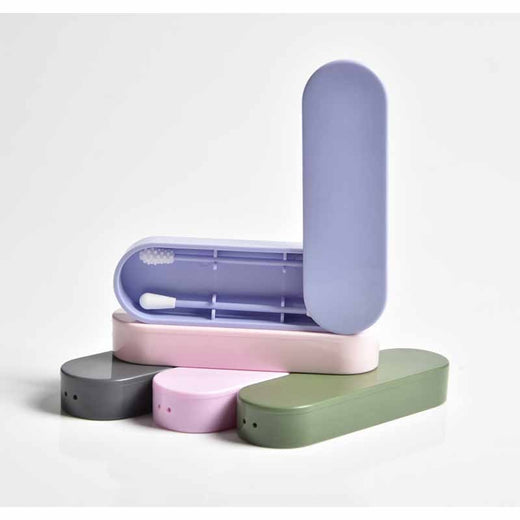
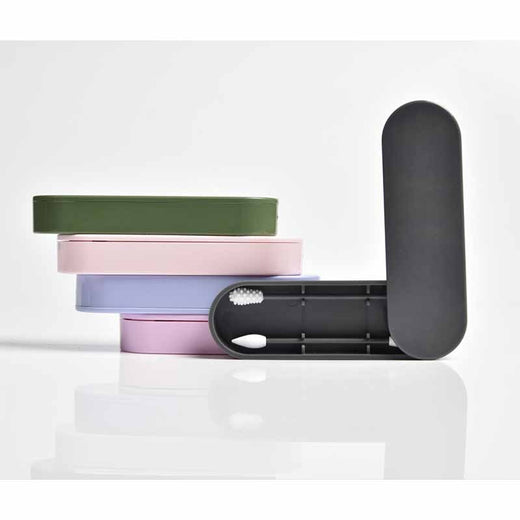
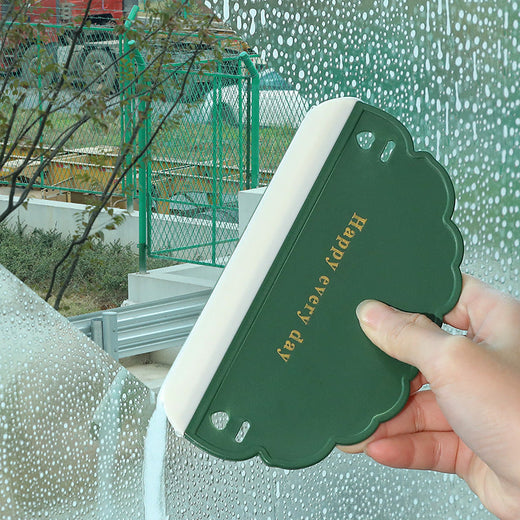
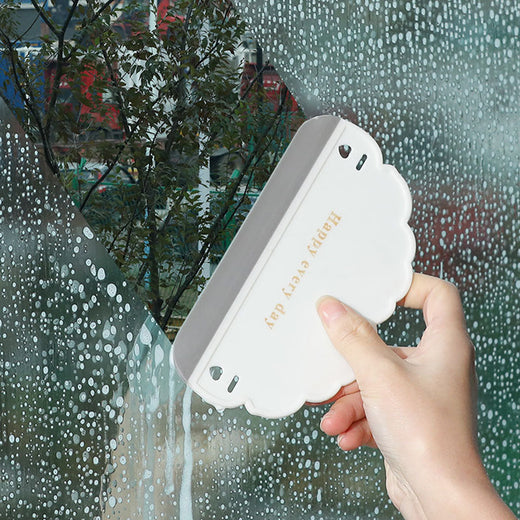
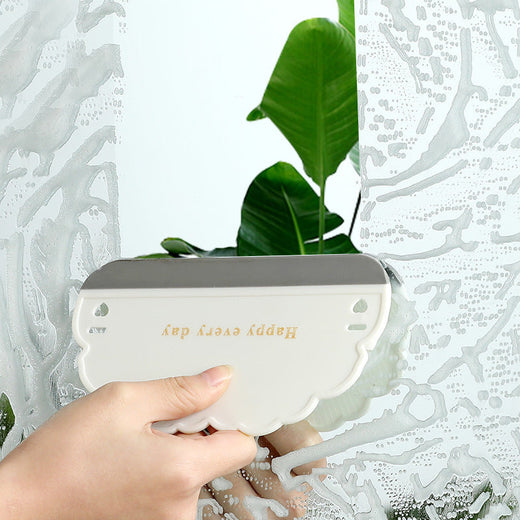
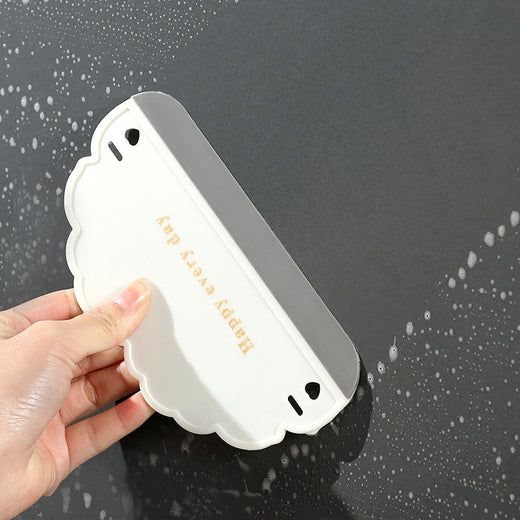
Sprays loosen dust and fingerprints before wiping, while combination tools bring several steps into one handle. The 3-in-1 tool combines spraying, scraping, and wiping for small messes and everyday maintenance. A cloud-shaped glass wiper is useful for pushing away water and cleaner with fewer separate passes. A robot cleaner is intended for hands-off cleaning on compatible glass surfaces and can be helpful on broad panes. Reusable silicone swabs are better suited to narrow edges, tracks, corners, or detailed cleanup than to cleaning an entire window. If you are searching for window tint tools or a window tint tool kit, look for film squeegees, trimming blades, and installation accessories rather than general glass-cleaning products.
What to look for in professional window cleaning tools
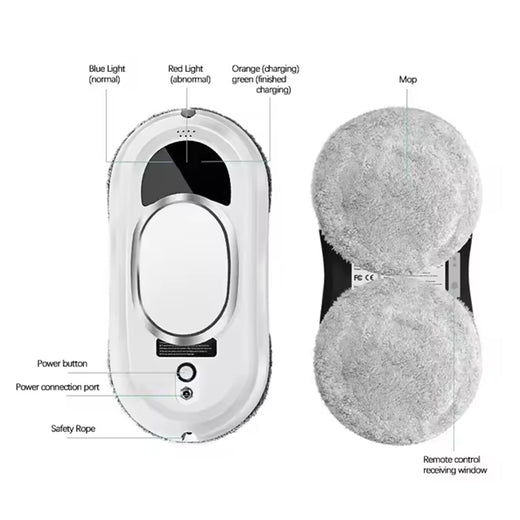
Look for a comfortable grip, a working edge that reaches corners, and materials that will not leave lint or scratch-prone debris behind. A spray-and-wipe design can save time when cleaning several panes, while a separate silicone wiper gives you more control over water removal. For a robot, review its glass-surface compatibility, navigation approach, power requirements, and safety instructions before use. Scraping features should be used carefully and only on suitable surfaces, since abrasive dirt or an unsuitable blade can mark glass. If you need tools for window installation or tinting, prioritize purpose-built measuring, trimming, smoothing, and positioning tools; cleaning products alone will not complete those jobs.
How to use window tools for streak-free glass
Remove loose dust first so it does not turn into muddy residue during wiping. Apply a light, even layer of Window Cleaning Foam Spray, then work from the top of the pane downward with a clean cloth or the wipe function of the 3-in-1 tool. Use the silicone glass wiper with overlapping strokes, wiping its edge between passes to avoid redistributing water. Reserve the scraper for compatible stuck-on residue and use gentle pressure rather than forcing the edge. For the window-cleaning robot, follow its setup and attachment instructions, keep the working area clear, and monitor the first cleaning cycle. Finish by checking edges and corners, where excess cleaner commonly collects.
What are common mistakes when cleaning windows?
Using too much spray is a common cause of smears because excess moisture takes longer to remove. Reusing a dirty cloth or wiper edge can spread grit, so rinse or replace the cleaning surface as it becomes soiled. Avoid cleaning hot glass in direct sunlight when possible; cleaner can dry before you finish the pane. Do not use a scraper automatically on every surface, and do not press hard enough to drag trapped particles across the glass. For automated tools, skipping compatibility checks, ignoring the safety tether, or leaving the device unattended can create avoidable problems. Window tint film also needs compatible tint tools and careful technique, not aggressive scraping.
Who should buy these window cleaning tools?
Homeowners who want a simple routine can start with the foam spray and a reusable wiping tool. Renters and apartment residents may prefer the compact 3-in-1 design for mirrors, interior glass, shower panels, and smaller windows. People cleaning large panes or maintaining glass regularly may value the automatic robot, provided their windows meet the product requirements. Detail-focused shoppers can use the cloud-shaped wiper for water removal and silicone swabs for narrow tracks and corners. These items suit cleaning and maintenance, not structural window installation, replacement glazing, or professional window tinting. If your project involves fitting a new window, applying film, or removing old tint, shop specifically for window installation tools or professional window tinting tools.
Frequently asked questions
What are the windows tools?
Window tools are implements used to clean, dry, scrape, detail, install, or tint windows. Cleaning examples include sprays, wipers, scrapers, microfiber cloths, and automated glass-cleaning devices. Installation and tinting require different specialized tools.
What are some common windows tools?
Common cleaning tools include spray cleaners, squeegees or silicone wipers, scrapers for suitable residue, microfiber cloths, and edge-detailing tools. A 3-in-1 window cleaning tool combines spraying, scraping, and wiping in one product. Installation tools may include measuring tools, shims, levels, caulk tools, and fastener-driving equipment.
What is the best tool for windows?
The best tool depends on the job. A foam spray and wiping tool work well for routine marks, while a silicone wiper is useful for removing water with controlled strokes. For large compatible panes, a window-cleaning robot may reduce manual effort, but always follow its surface and safety requirements.
What tools are needed for window installation?
Window installation commonly requires accurate measuring tools, a level, shims, a drill or driver, suitable fasteners, a utility knife, a caulk gun, and materials for sealing and insulation. The exact list depends on the window type, opening, frame material, and installation method. Cleaning tools alone are not a substitute for installation equipment.
What tools are needed to install windows?
You may need a tape measure, level, pry or removal tools, drill or driver, shims, screws or other specified fasteners, a utility knife, sealant, and a caulk gun. Protective equipment and materials for flashing or insulation may also be required. Follow the window manufacturer's installation instructions and local building requirements.
What is the average labor cost to install a new window?
Labor costs vary by location, window size and type, access, existing-frame condition, and whether structural repairs are needed. Because those factors differ substantially, there is no single reliable price for every installation. Request itemized quotes from local installers that separate labor, materials, removal, disposal, and possible repair work.