
$99.90
Free delivery · 7–14 days
Lace Front Wig With Long, Voluminous Glamorous Waves

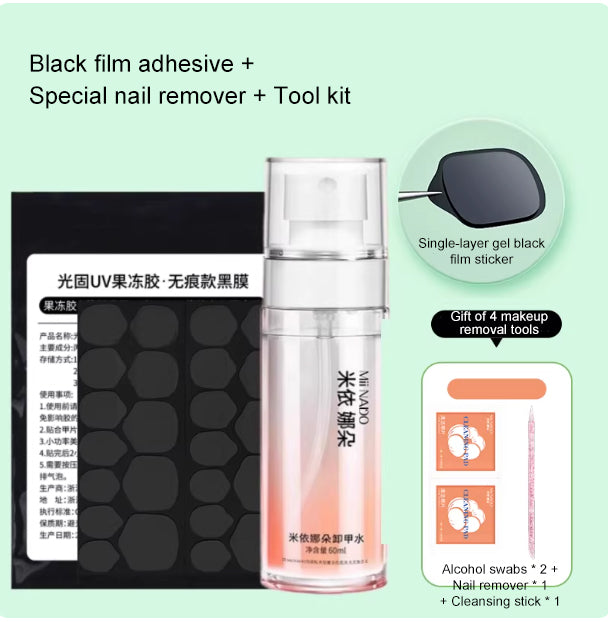


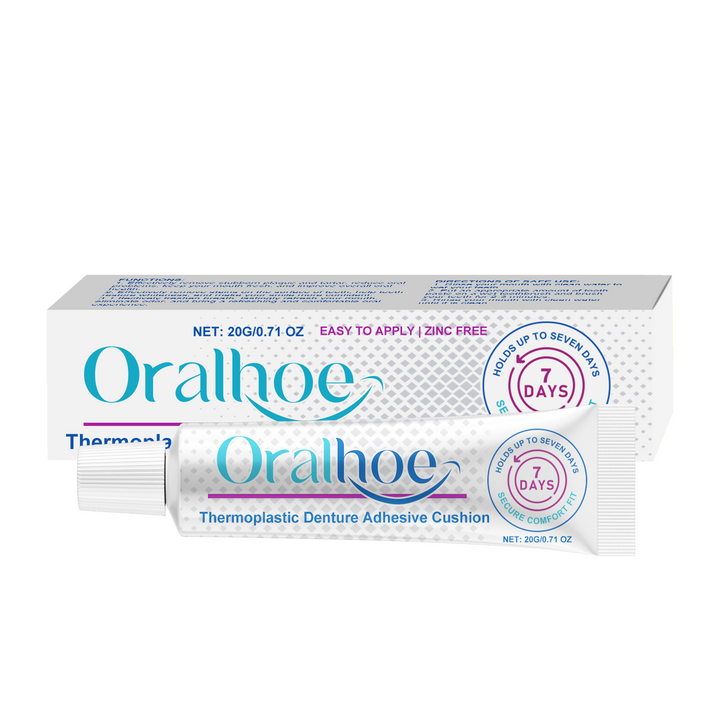


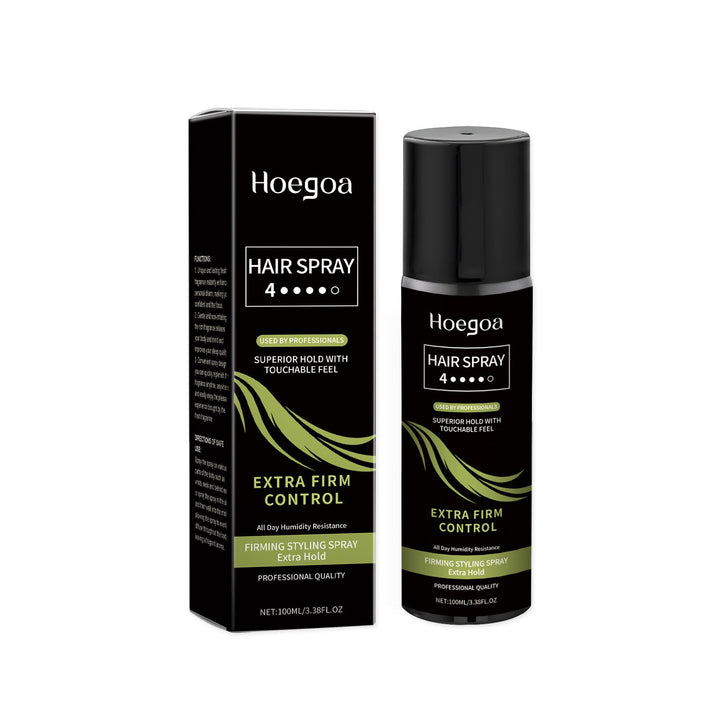
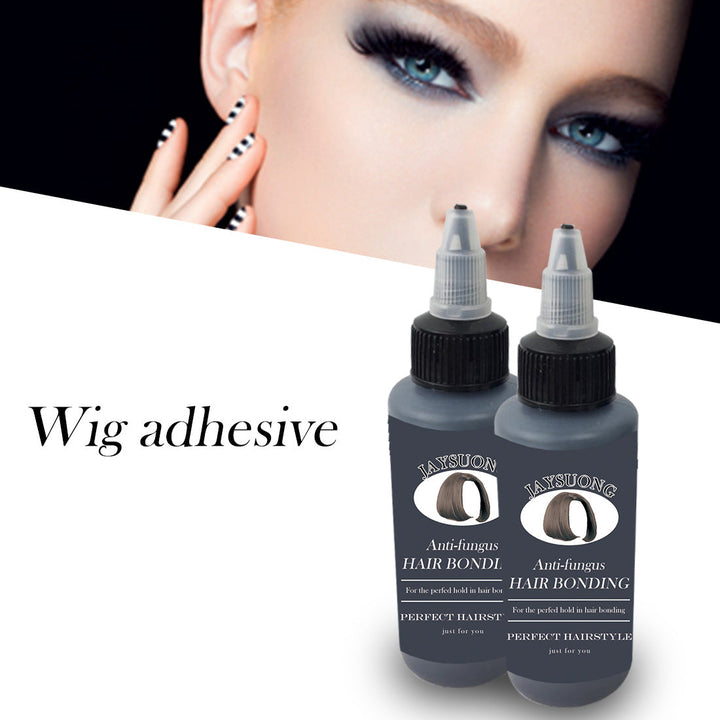

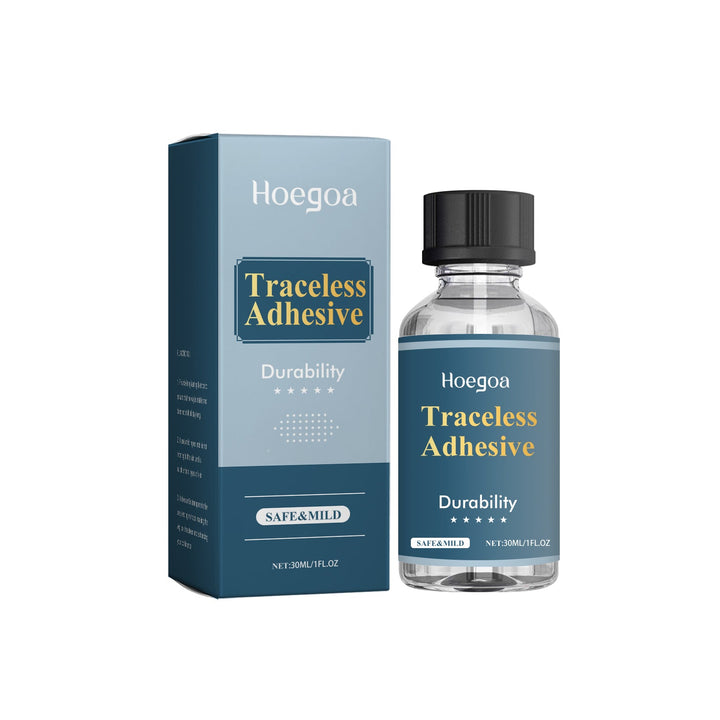
Wig glue and lace adhesive can help secure lace-front styles when you want a more fitted, styled finish. Compare adhesive formats, hold preferences, application steps, and removal needs before choosing products for wigs such as long straight, curly, wavy, highlighted, platinum, or pastel lace-front styles.
Start by considering how you plan to wear the wig. A liquid lace wig glue may suit a more fixed installation, while wig glue spray can be convenient for lighter styling or touch-ups. Check the product instructions for its intended use, drying time, removal method, and whether it is designed for lace materials. Your wig style also matters: a long straight wig with bangs may need a different hairline approach than a deep, voluminous wave or short highlighted style. If you change wigs often, prioritize an adhesive that is easy to remove and clean from the lace. If you want a daily, glue-free option, the Lace Front Wig: Long Platinum Waves Without Glue Daily may be a better fit.
Wig adhesive is commonly sold as liquid glue in a wig glue tube, spray adhesive, or lace-friendly bonding products with different hold levels. Liquid formulas can be useful when you want to apply adhesive precisely along selected sections of the lace. Spray formats may offer quicker coverage, but they still require careful placement and drying according to the label. For styling a long orange lace-front wig, pastel mint synthetic hairpiece, or blonde curly lace front, choose a product compatible with synthetic hair and lace rather than relying on a general styling product. Compare the wig glue price with the amount supplied, application control, and removal process—not just the advertised hold.
Look for clear directions covering application, drying, reactivation, removal, and storage. The adhesive should be intended for wigs or lace-front pieces, and the packaging should identify whether it is a liquid, spray, or tube formula. A controlled applicator can help you avoid spreading glue onto the hair or creating a visible buildup along the hairline. If you are installing a lace front with a natural-looking hairline, test how the dried adhesive looks on a small, hidden area of lace first. Consider your routine too: long glamorous waves and curly styles may require more care around the perimeter, while a short highlighted lace front can be easier to position and check. Buy from a seller with clear product information when searching for where to buy wig glue.
Begin with clean, dry skin and a clean lace edge. Keep the wig away from the adhesive until the product instructions indicate that it is ready for contact. Apply a thin, even layer along the intended hairline rather than saturating the lace, then allow the product to dry or become tacky as directed. Position the lace carefully from one side to the other, press it into place, and avoid pulling the wig while the adhesive sets. Keep the wig hair out of the glue by clipping or wrapping it back during installation. For removal, use the recommended adhesive remover and loosen the lace gradually; do not force or rip it away. Clean residue from both the lace and skin before the next wear.
Using too much adhesive is a common mistake because excess product can spread into the hairline, show through the lace, or make cleanup harder. Applying glue to damp, oily, or product-covered skin can also affect placement. Do not skip a small compatibility or sensitivity check, and stop using the product if you experience discomfort. Avoid applying adhesive directly to hair unless the instructions specifically allow it. Another mistake is choosing glue without considering removal: a long pastel mint, platinum wave, or voluminous blonde wig may need different handling to protect its lace. Do not use household glue, craft adhesive, or unlabelled products. Follow the package directions and store the wig glue tube or spray securely between uses.
Wig glue can suit shoppers who want a more anchored lace-front installation for styling, photos, events, or regular wear and are comfortable allowing time for application and removal. It may be useful with long straight, curly, or wavy lace-front wigs when you want to position the hairline carefully. A glue-free wig can be more convenient for quick daily changes, beginners, or anyone who prefers not to use adhesive. The Lace Front Wig: Long Platinum Waves Without Glue Daily is designed around that type of routine. If you need flexibility, consider a wig grip, adjustable straps, combs, or other non-adhesive accessories where appropriate. Choose based on your schedule, styling goals, lace construction, and comfort with maintenance rather than searching only for the best wig glue.
The best wig glue depends on your wig’s lace, how long you plan to wear it, and how you prefer to remove it. Choose a product labelled for wig or lace-front use, then compare liquid and spray formats, application control, drying instructions, and cleanup.
Use an adhesive specifically made for wigs or lace fronts, with instructions that match your styling routine. For occasional touch-ups, a spray may be convenient; for precise hairline placement, a liquid formula in a wig glue tube may offer more control.
A lace-compatible liquid adhesive or wig glue spray can work for installation when used exactly as directed. Consider the lace material, desired hold, drying process, and removal method before choosing, and test a small area first.
You can choose a glue-free wig, wig grip, adjustable straps, combs, or other non-adhesive accessories designed for wig positioning. A glue-free lace-front style, such as the long platinum waves option in this category, can be convenient for daily wear and quick changes.
Homemade adhesive is not recommended because household ingredients may not be designed for lace, hair, or skin contact and can make removal difficult. Choose a labelled wig adhesive or a non-adhesive securing method instead, and follow the product directions.
Hairspray is a styling product, not necessarily a lace adhesive, so it may not provide the positioning or removal characteristics you need. Use a product labelled for wig or lace-front installation, and check its instructions before applying it near the hairline.