
$38.90
Free delivery · 7–14 days
Blood Pressure Support Cream — Safe, Targeted Topical


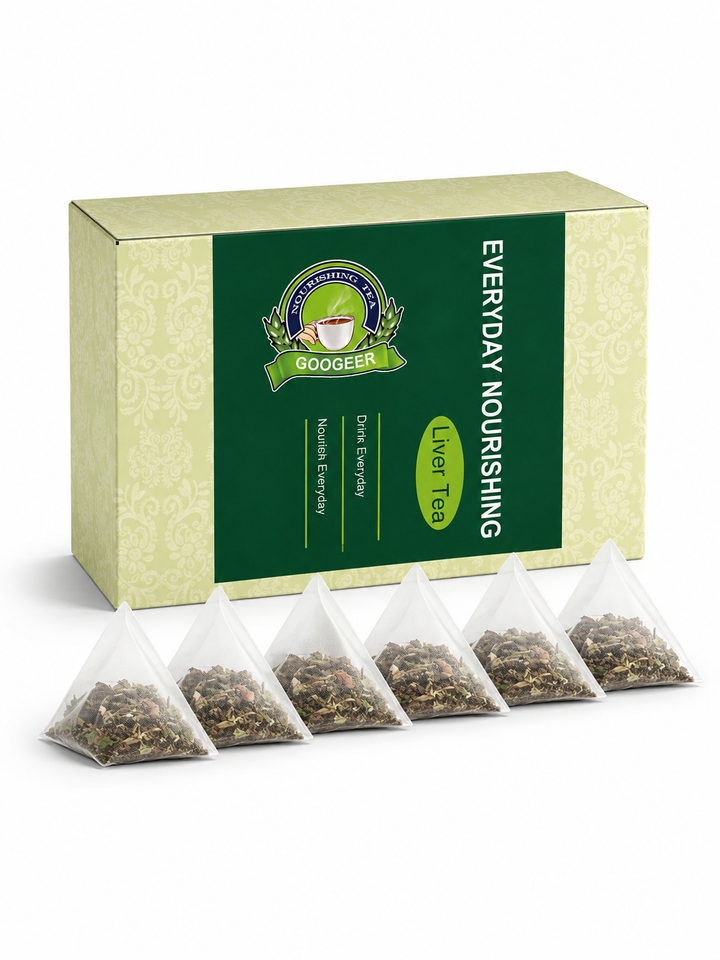

Explore herbal teas and complementary wellness products selected for everyday relaxation, digestive routines, and general vitality. Use this guide to compare tea formats, review ingredients, and choose an option that fits your preferences without treating any product as a substitute for professional medical advice.
Start with your main routine goal: a calming evening drink, a digestive-focused tea, or a convenient daily wellness habit. For relaxation, look for familiar herbal ingredients such as chamomile, lemon balm, peppermint, or lavender, while checking the label for caffeine if you want a nighttime option. For vitality, consider blends positioned around daily nourishment rather than promises of treating fatigue or illness. This category includes a 30-day liver wellness tea, a pyramid-bag herbal tea, and sugar-free digestive support drops, so format matters too. Choose tea bags for simple brewing, pyramid bags for loose-leaf-style infusion, or drops when you prefer a liquid supplement instead of tea.
Wellness products differ by purpose, ingredients, and preparation. Herbal teas are usually caffeine-free unless the label says otherwise, making them a practical choice for an evening wind-down. A liver wellness tea is designed as a structured 30-day beverage routine, while daily liver cleansing herbal tea comes in six pyramid bags for a shorter trial or occasional use. Sugardown herbal tea is presented for blood sugar support, so read its directions and ingredient list carefully rather than assuming it replaces prescribed care. Dietary supplement drops offer sugar-free digestive support without brewing. A topical blood pressure support cream is not a tea, so compare it separately and follow its packaging directions.
Check the full ingredient list, serving directions, package quantity, and any caffeine information before buying. If relaxation is your priority, avoid blends with stimulating tea leaves late in the day and look for herbs suited to a soothing beverage routine. If you want digestive support, review sweeteners, flavorings, and serving size, especially when choosing sugar-free drops. Consider whether you prefer individual bags, pyramid bags, loose herbs, or a liquid format. Clear labeling is also important for products associated with blood sugar, liver, or blood pressure support. These are wellness-focused products, not guaranteed treatments, so consult a qualified professional if you take medication, are pregnant, or have a health condition.
Follow the brewing and serving instructions printed on the product rather than making the tea unusually strong. Create a consistent routine by enjoying a cup at a similar time, such as after dinner or before reading, and allow it to cool to a comfortable temperature. Keep caffeine in mind if you are using tea near bedtime. For pyramid bags, use one bag as directed and discard or compost it according to local guidance. Do not combine several concentrated wellness products simply because they have similar purposes. Drops, topical cream, and herbal teas have different instructions, so use each product only as labeled. Stop if you notice an unwanted reaction and seek advice when appropriate.
One common mistake is choosing a product from a strong promise instead of its actual ingredients and format. A tea labeled for liver, blood sugar, or blood pressure support should not be treated as a replacement for medical care or prescribed treatment. Another mistake is overlooking caffeine, sweeteners, serving size, or the number of bags in the package. Some shoppers also buy a large routine before deciding whether they enjoy the flavor. Start with a format that suits your schedule and read the directions before combining tea with drops or other supplements. Finally, avoid assuming that natural means risk-free; check for ingredient sensitivities and ask a healthcare professional about possible interactions.
Wellness tea can suit adults who enjoy herbal beverages and want a simple addition to a relaxation, hydration, or digestive routine. It may appeal to shoppers seeking an evening caffeine-free option, a 30-day tea plan, compact pyramid bags, or sugar-free liquid drops. The best choice depends on taste, preparation time, and the ingredients you are comfortable using. People who are pregnant or breastfeeding, managing a medical condition, taking medication, or considering a product related to blood pressure, blood sugar, or liver health should ask a qualified healthcare professional first. Children should only use products when a responsible healthcare professional recommends them. Review each label because products in this category are not interchangeable.
The best choice depends on your taste, caffeine preference, and evening routine. A caffeine-free herbal blend with ingredients such as chamomile, lemon balm, peppermint, or lavender may suit a calming beverage ritual; check the specific label before buying.
Wellness tea provides a beverage-based way to enjoy selected herbs as part of a daily routine. Products in this category are positioned for relaxation, digestive support, or general wellness, but they should not be viewed as guaranteed treatments or replacements for professional care.
Some people find a warm herbal drink and a consistent evening routine relaxing, while individual experiences vary. Check the ingredients and caffeine content, and avoid making health decisions based on claims that are not supported by the product label or professional advice.
There is no single best wellness tea for everyone. Choose based on your goal, such as relaxation or digestive support, along with flavor, caffeine level, serving format, package size, and any ingredients you need to avoid.
No single tea is automatically the unhealthiest for every shopper. Concerns may include excessive caffeine, added sugar, ingredients that conflict with medication, or using a wellness product in place of needed care, so read the label and follow serving directions.
There is no universal top three because the right choice depends on your needs and dietary preferences. Caffeine-free herbal tea, unsweetened green tea, and plain black tea can all fit different routines, but review caffeine, ingredients, and serving guidance before choosing.