
$38.90
Free delivery · 7–14 days
Organic Herbal Minty Heat Patches For Joints


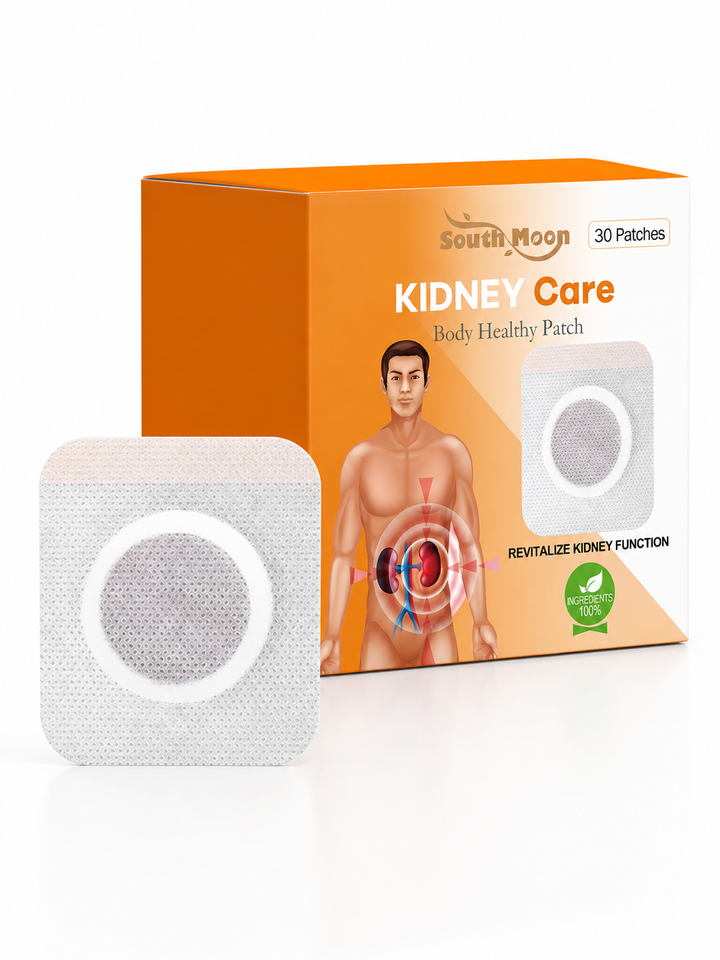
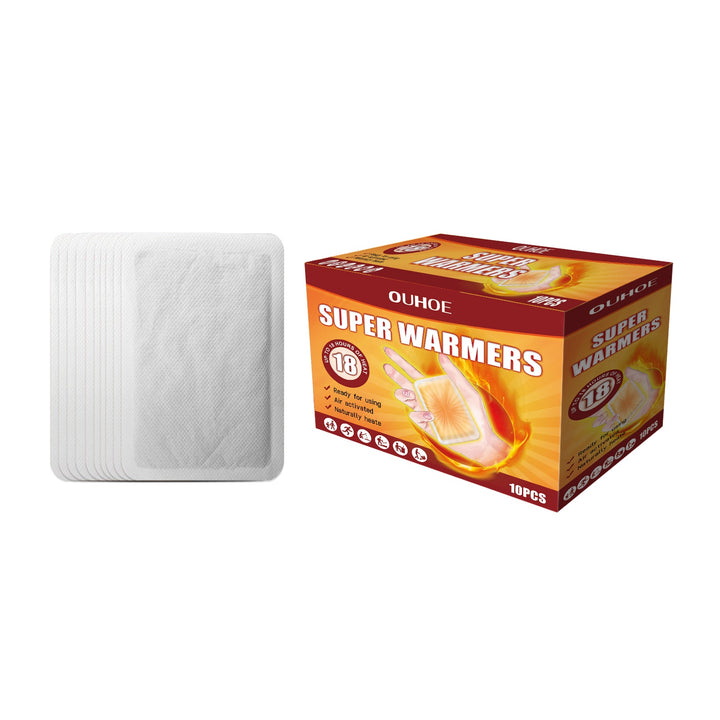
Warming patches provide convenient, targeted warmth for shoulders, backs, necks, joints, feet and other areas that feel cold, tight or uncomfortable. Compare the format, placement, wear instructions and ingredients to choose between disposable heat patches, foot warmers, topical creams, oils, gels and minty warming patches.
Start with the area you want to warm and how portable the product needs to be. Disposable heat patches suit travel, outdoor use and a heat patch for winter, while foot warming patches are designed for cold or tired feet. For shoulders, backs and necks, choose a product whose directions clearly explain whether it is intended for clothing or direct to skin heat therapy. Creams, oils and roll-ons can be useful when you prefer topical application rather than a self-heating patch. If you are shopping for a heating patch for cramps or hot patches for period pain, check the product instructions and placement guidance carefully; do not assume every body patch is suitable for the abdomen.
Disposable heat patches are compact and convenient for portable warmth, with no plug or charging required. Some are made for use over clothing, while others may be approved for direct skin application, so read the label before opening. Foot warming patches focus on keeping footwear areas comfortable in cold conditions. Minty heat patches offer a cooling-and-warming sensory experience, whereas warming creams, body oils and gel roll-ons let you apply a smaller amount to a chosen area such as the shoulder or back. Kidney- or prostate-themed warming products should be used only as directed and should not be treated as substitutes for medical evaluation. Compare texture, scent, application method and cleanup as well as heat level.
For neck pain or back discomfort, look for clear instructions covering placement, maximum wear time, skin contact and removal. A flexible patch or roll-on may be easier to position around the shoulder, while a cream or oil can be spread over a broader area. Check whether the product is intended for direct skin use or over clothing; never place a clothing-only patch against bare skin. Review the ingredient list if you have sensitive skin or avoid fragrance, mint or botanical ingredients. A warming product should feel comfortably warm, not intensely hot, burning or irritating. Stop use if you notice redness, itching, stinging, blistering or unusual discomfort, and seek professional advice for persistent or worsening pain.
Read the packaging before use, including the body area, application method and wear limit. Apply only to clean, dry, unbroken skin when the instructions specifically allow direct skin use. Do not combine a heat patch with creams, oils, gels, tight bandages, heating pads or other heat sources unless the label says it is suitable. Check your skin regularly and remove the product immediately if it becomes too hot or causes irritation. Avoid placing patches over numb areas, damaged skin or areas with reduced ability to sense heat. Do not cut, fold, puncture or microwave a disposable patch. After removal, inspect the skin and follow the disposal instructions.
Do not sleep while wearing a heat patch unless the product packaging specifically says it is designed and approved for overnight use. During sleep, you may not notice excessive warmth, pressure, moisture or skin irritation quickly enough. Avoid using a patch under tight clothing or bedding if this could increase heat or pressure. Never use disposable heat patches with an electric blanket, hot-water bottle or other warming device. If you want warmth at bedtime, check the instructions for a product intended for that situation and follow its time limit precisely. Products described for kidney, back or prostate comfort should not be used to self-treat unexplained pain or urinary symptoms.
Ask a healthcare professional before using heat patches if you have reduced sensation, circulation concerns, diabetes, a skin condition, an open wound or a history of reacting to adhesives or warming ingredients. Children, older adults and anyone who may not be able to remove a patch promptly may need extra caution or should avoid use unless advised otherwise. Do not apply warming products to irritated, infected, numb or recently injured skin. Follow the label regarding pregnancy, medication, allergies and specific body areas. Heat is not a suitable response for every type of back pain, especially pain after significant injury, pain with weakness or numbness, or symptoms that are severe, unusual or getting worse; seek medical advice instead.
Heat patches can provide a warming sensation and may help some people feel more comfortable when muscles feel tight or when the body feels cold. Results vary by product, placement and individual response. Use them only as directed and stop if the heat feels excessive or the skin becomes irritated.
People with reduced heat sensation, circulation concerns, diabetes, damaged skin, adhesive sensitivities or certain skin conditions should ask a healthcare professional before use. Extra care is needed for children, older adults and anyone unable to monitor or remove a patch. Always follow the product label.
The best option depends on where you want warmth and whether you prefer a disposable patch, foot warmer, cream, oil or roll-on. Compare direct-to-skin approval, placement guidance, ingredients, scent, wear instructions and portability. Choose a product made for the intended body area rather than relying on the phrase 'warming patches' alone.
Wear a heat patch only for the maximum time stated on its packaging. The permitted duration can differ between disposable patches, direct-skin products and topical creams or gels. Remove it sooner if you feel burning, excessive heat, itching, stinging or other irritation.
Do not sleep with a heat patch unless its instructions specifically permit overnight use. You may not notice overheating or skin irritation while asleep, and additional bedding or heat sources can increase risk. Never combine it with an electric blanket or hot-water bottle unless the product directions explicitly allow this.
Heat may be inappropriate when back pain follows a significant injury or comes with severe, unusual or worsening symptoms. Seek medical advice for pain with weakness, numbness or other concerning changes rather than relying on a warming patch. Avoid applying heat to numb, damaged or irritated skin.