$45.90
Free delivery · 7–14 days
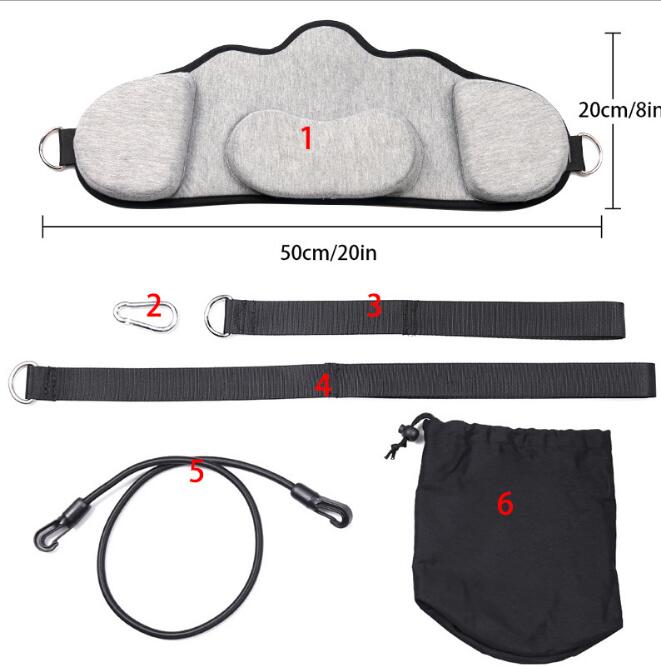
Neck Hammock Memory Foam — Portable Tension Relief Travel


The right travel pillow can make it easier to rest during a flight, especially when you need support in an upright seat. This guide compares airplane neck pillows, chin-support designs, hand-shaped cushions, and compact alternatives so you can choose based on comfort, portability, and how you sleep.
Start with your usual sleeping position and the kind of support you miss most in an airplane seat. If your head drops forward, a travel neck scarf pillow with 360° chin support may feel more secure. If your neck feels tense after sitting, a memory foam Neck Hammock may be preferable because it is designed for portable tension relief. A hand-shaped neck support cushion gives you a more defined place to rest your head or jaw. For long flights, consider whether the pillow can be adjusted, packed easily, and used without pressing uncomfortably against your shoulders. The best travel neck pillow for long flights is not the same for everyone: prioritize the support style you can keep in place while seated.
Airplane travel pillows generally fall into several useful formats. A wraparound scarf pillow supports the neck and chin while keeping the design close to the body. A memory foam Neck Hammock offers a compact option for travelers who want portable support and a less traditional shape. A hand-shaped neck support cushion is suited to people who prefer a more structured resting point. You can also pair a neck pillow with a 3D sleep mask when light makes it harder to settle in your seat. A motion sickness patch is a separate travel accessory rather than a pillow; follow its label directions and review the ingredients before use. Comparing these formats helps narrow the best travel pillows for your seat, sleep style, and packing space.
Look for support in the area where your head actually moves during a flight. Chin support can help limit forward movement, while a cushion with hand-shaped support may suit travelers who like a defined contact point. Consider the pillow’s profile too: a bulky design can interfere with a headrest, tray table, or over-ear headphones. A portable format is useful when you need to move through an airport or fit the pillow into a personal item. Softness matters, but a pillow that feels comfortable for a few minutes may not suit a full flight if it lacks stable positioning. If you are comparing a standard travel pillow with a compact Neck Hammock, check how each one sits around your shoulders and whether the closure or adjustment feels easy to manage.
Try the pillow at home before your trip so you can learn the correct position without boarding-time pressure. Sit upright in a chair and place the support where your neck tends to lose alignment. For the Travel Neck Scarf Pillow, position the 360° chin support so it supports rather than pushes your jaw. With the hand-shaped cushion, adjust the contact point until your head can rest without leaning heavily to one side. If you use the Neck Hammock, follow the product instructions and make sure it feels secure before settling back. Keep your seat belt visible and accessible, and avoid placing any accessory where it interferes with the belt. A 3D sleep mask can be added after the pillow is positioned, especially when cabin light is distracting.
One common mistake is choosing a pillow only because it looks soft. Airplane seats vary, so a pillow that works in a living-room chair may feel too tall or too loose against an aircraft headrest. Another mistake is fastening a wraparound design too tightly; the support should feel stable without creating pressure. Travelers also overlook packing size and end up carrying a pillow that is awkward between flights. Test whether the pillow can be stored or carried comfortably before committing to it for a long journey. Do not assume every accessory belongs around your neck: a 3D sleep mask is for blocking visual distractions, while a motion sickness patch should be used only as directed on its packaging. If you search for a “hest travel pillow” or “hest pro travel pillow,” compare features rather than relying on a name.
Travel pillows suit passengers who want a more supported way to rest while seated, including people taking long flights, overnight journeys, or frequent trips. A chin-support scarf pillow may suit sleepers whose head falls forward, while a Neck Hammock may appeal to travelers who prefer a compact design for carrying between connections. The hand-shaped cushion can work for anyone who likes a more specific place to rest the side of the neck or jaw. A 3D sleep mask is useful for travelers who want to reduce visual distractions alongside neck support. If you dislike anything around your neck, consider using a small regular cushion, a folded garment, or the seat’s headrest instead. Travel pillows are optional comfort accessories, so the best choice depends on what you can wear and adjust comfortably.
The best option depends on how your head moves and where you want support. Choose a 360° chin-support pillow if your head falls forward, a hand-shaped cushion for a defined resting point, or a Neck Hammock if compact portability is a priority.
The best travel pillows balance support, comfort, and packability. Compare the Travel Neck Scarf Pillow, Neck Hammock Memory Foam, and hand-shaped neck support cushion based on your sleeping position, seat space, and preferred level of structure.
There is no single best travel pillow for every passenger. A wraparound design may suit forward sleepers, while a compact memory foam or hand-shaped cushion may be better for travelers who want a less bulky support style.
A travel pillow can provide a more consistent resting surface than relying only on an airplane seat, but comfort varies by person and seat design. Testing the pillow at home and positioning it correctly can help you decide whether its support style works for you.
You can try a folded sweater, small cushion, or the airplane seat’s headrest, provided it does not interfere with your seat belt or seating position. A compact Neck Hammock is another option if you want purpose-designed support without carrying a bulky traditional pillow.
They can be worthwhile if you regularly travel, sleep upright, or find that your head falls forward during flights. If you rarely sleep while seated or dislike neck-worn accessories, a folded garment or small cushion may be a better fit.