Skip to content

Tongue Cleaners for Bad Breath – Best Tongue Scraper Tools

7 products

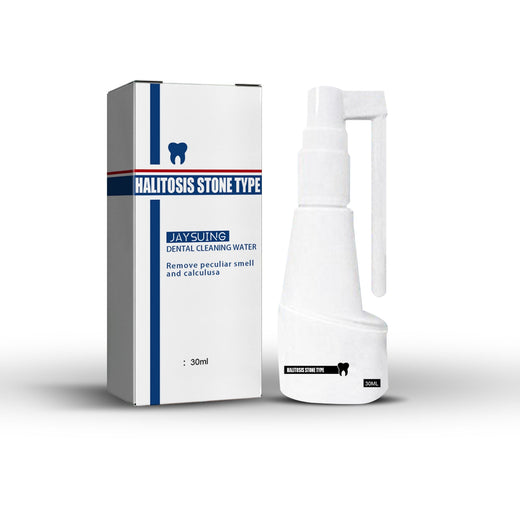
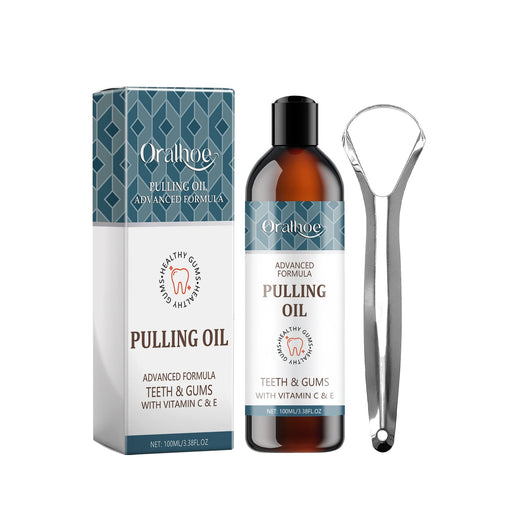
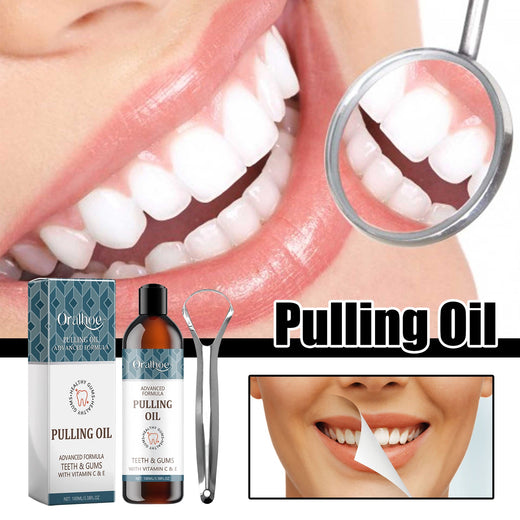
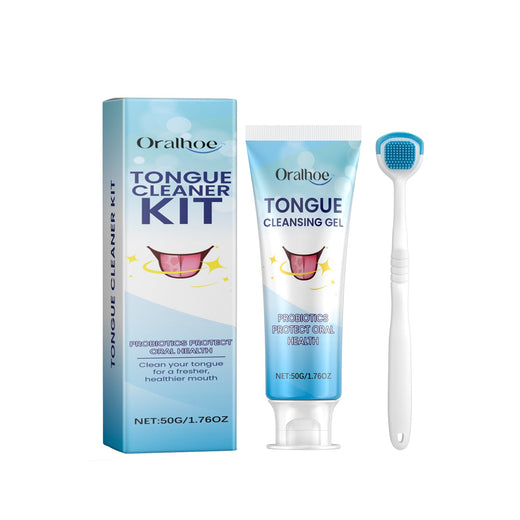
Tongue cleaners help remove surface buildup from the tongue as part of a regular oral-care routine. This guide compares tongue scrapers, tongue-cleaning kits, sprays, pulling oil, and a baby silicone toothbrush set so you can choose a tool that matches your preferences, comfort level, and intended user.

How to choose the best tongue cleaner

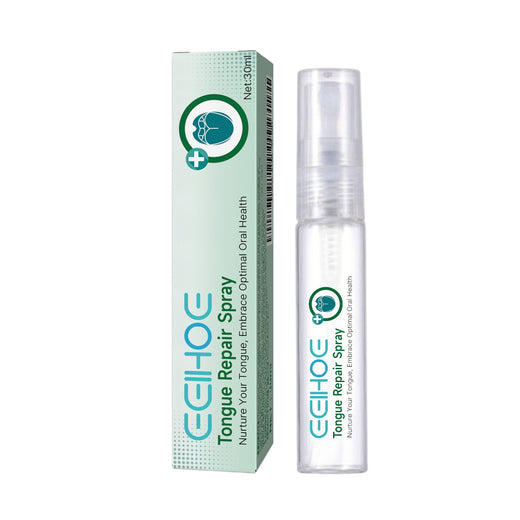
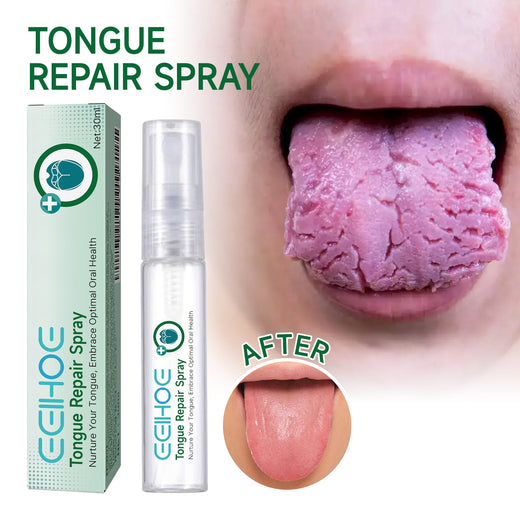
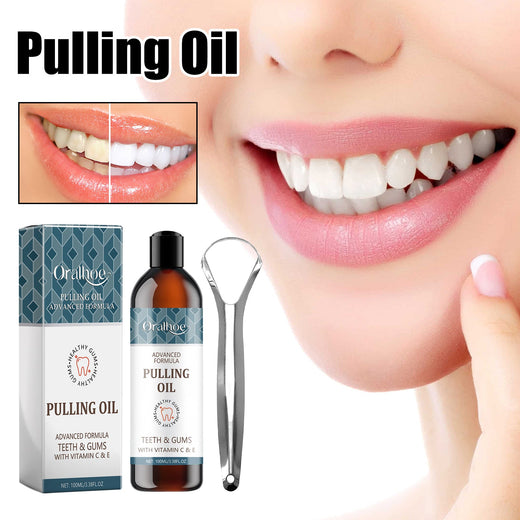
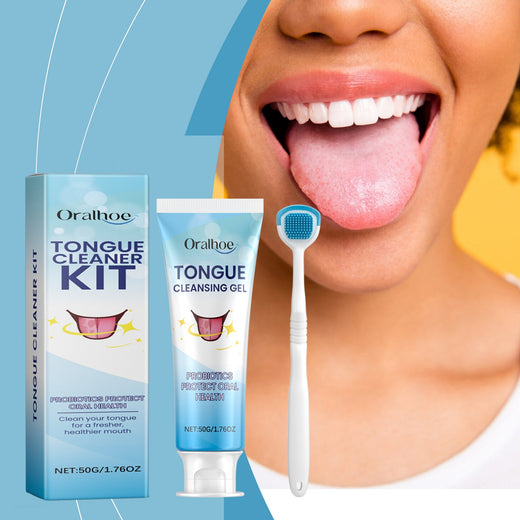
Start by deciding whether you prefer scraping, brushing, or a liquid-based routine. A stainless steel tongue scraper is a simple choice for adults who want a reusable tool with a smooth, firm edge. A tongue cleaner kit may suit shoppers who want additional mouth-care items in one package, while a spray or natural pulling oil can be used as part of a broader routine rather than as a replacement for brushing and flossing. Check the intended user, cleaning instructions, grip design, and storage needs before buying. If you are comparing a metal tongue scraper with a softer option, consider how much pressure feels comfortable. The best tongue scraper is one you can use gently and consistently.

What types of tongue cleaners are there?

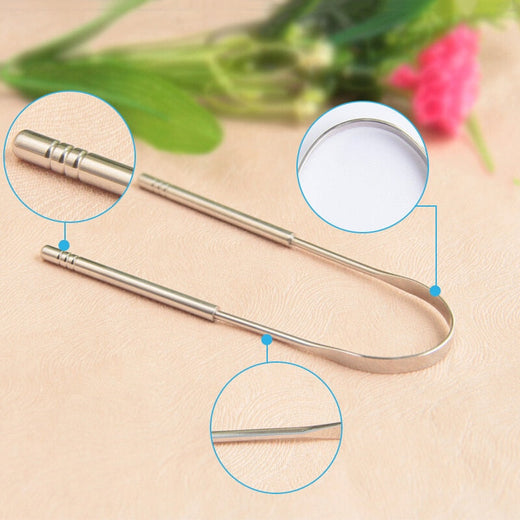
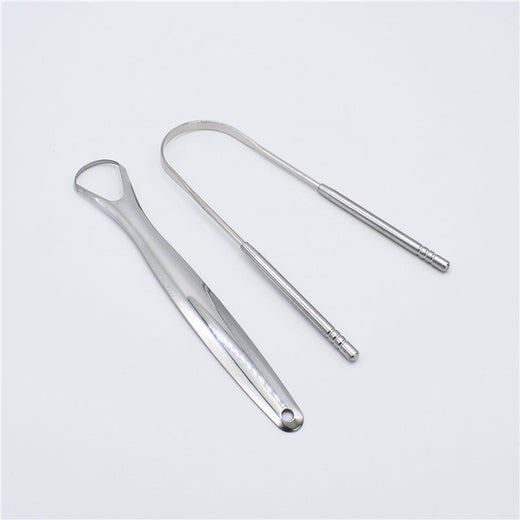
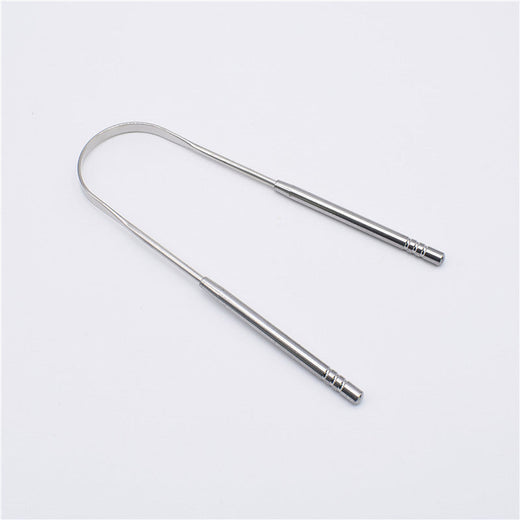
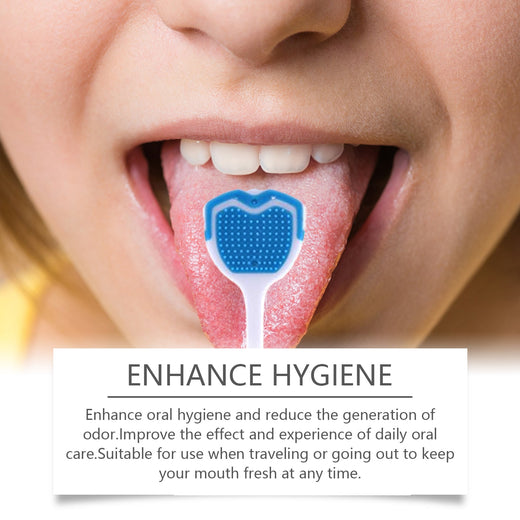
Stainless steel tongue scrapers use a curved metal surface to collect residue from the tongue with a light pulling motion. Copper tongue scrapers are another metal style some shoppers search for, but the products in this category focus on stainless steel designs. Tongue brushes use bristles or soft silicone textures and may feel more familiar to people who prefer brushing. Sprays and natural pulling oil are liquid options that can complement a mouth-care routine, although they work differently from a physical scraper. For babies and young children, the Baby Silicone Toothbrush & Tongue Cleaner Set provides a softer format than an adult metal tool. Compare texture, control, cleaning, and the age guidance listed for each product.

What to look for in a stainless steel tongue scraper

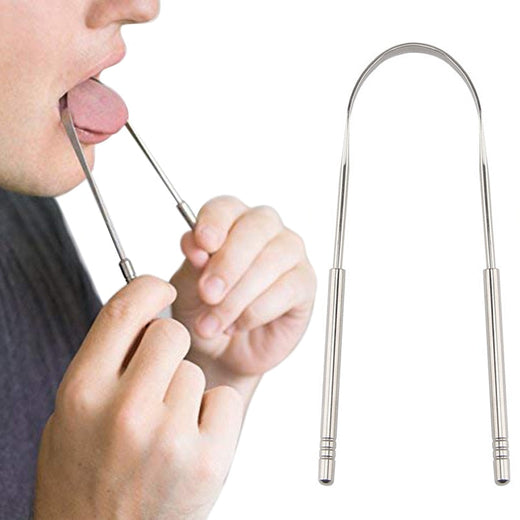
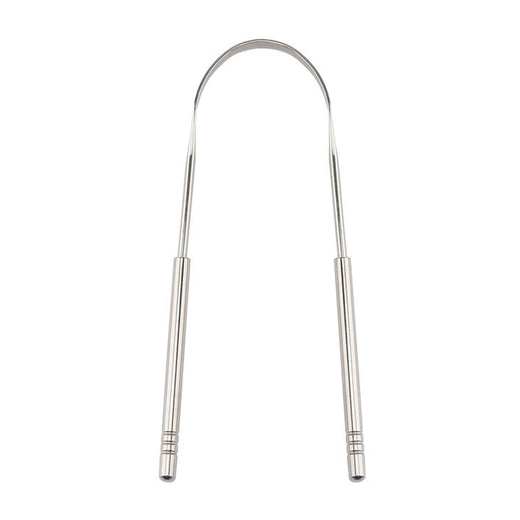
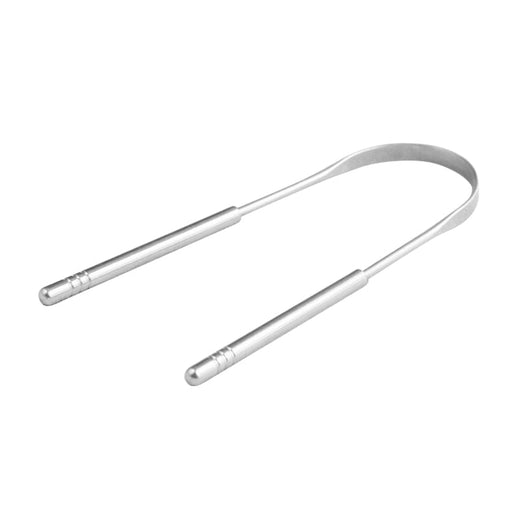
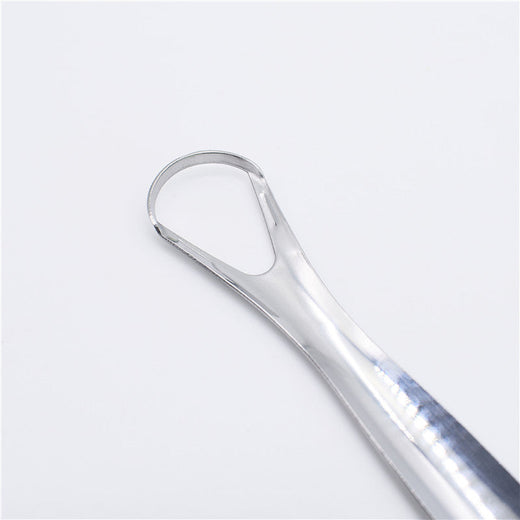
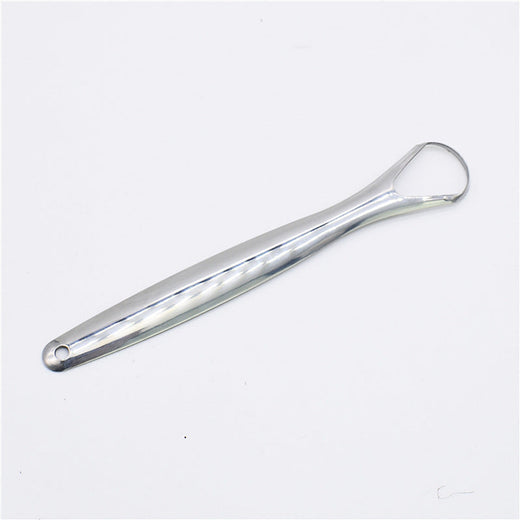
When shopping for a stainless steel tongue scraper, look for a smooth scraping edge, rounded or comfortable ends, and a handle that is easy to hold with wet hands. The scraper should be simple to rinse after use and easy to store hygienically. A metal tongue scraper is usually selected for its firm feel and reusable construction, but it should still be used with gentle pressure. Review product dimensions if you want a compact tool for travel or a wider design for fewer passes. Inspect the finish when it arrives and stop using the tool if it becomes bent, sharp, or uncomfortable. Shoppers comparing the Stainless Steel Tongue Scraper — Fresh Breath & Superior with the Stainless Steel Tongue Scraper – Remove Bad Breath can use these practical features to decide.
How to use a tongue cleaner correctly

Rinse the tongue cleaner before use, then stand over a sink and extend your tongue comfortably. Place the scraper toward the back only as far as feels manageable, without forcing it or triggering discomfort. Pull it forward with light, even pressure, rinse the tool, and repeat across the tongue as needed. Rinse your mouth and clean the scraper according to the product instructions before storing it dry. Do not share a tongue cleaner, and do not use a damaged tool. A scraper is intended for the tongue’s surface, not the teeth or gums. If a spray, oil, or kit includes separate directions, follow its label rather than assuming it should be used in the same way as a metal scraper.

Common tongue-cleaning mistakes to avoid

One common mistake is pressing too hard in an attempt to remove more gunk from the tongue. Excessive pressure can make the routine uncomfortable, so use short, gentle passes instead. Avoid scraping repeatedly over one area, using a tongue cleaner on irritated tissue, or reaching farther back than feels comfortable. Another mistake is treating a tongue cleaner as a substitute for brushing, flossing, or routine dental care. Clean and dry reusable tools after each use, and replace them if the surface becomes rough or damaged. Do not share tools between household members. For sprays, pulling oil, and probiotic products, read the ingredient and use instructions carefully, especially if you have sensitivities or are selecting a product for a child.

Who should use a tongue cleaner for adults or children?

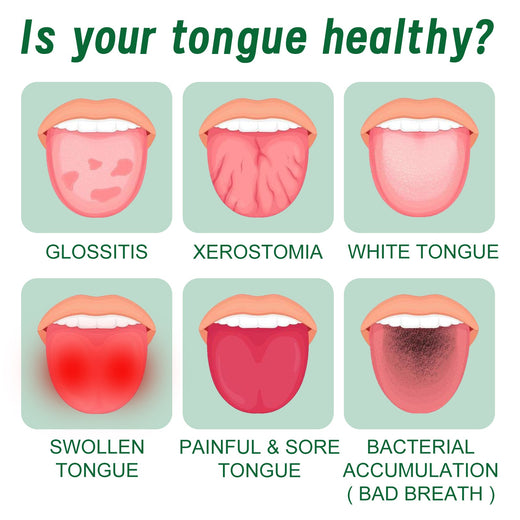
Adult tongue cleaners are designed for shoppers who want to add tongue cleaning to their daily oral-care routine. Stainless steel models may appeal to adults who prefer a firm, reusable tool, while a kit can be convenient for someone building a more complete routine. A baby silicone toothbrush and tongue cleaner set is intended for a different use case and should not be treated as an adult scraper; follow the listed age guidance and supervise use. Liquid options may suit shoppers who prefer not to use a scraping tool, but they should be selected according to the label. If tongue coating, soreness, bleeding, or persistent breath concerns continue, ask a dentist or other qualified healthcare professional for personalized guidance.

Frequently asked questions

What is the best thing to clean your tongue?

For many adults, a tongue scraper or tongue brush is a practical way to remove surface buildup from the tongue. A stainless steel scraper offers a firm, reusable design, while a silicone or bristled cleaner may feel gentler. Choose the option you can use comfortably and clean according to its instructions.

Do dentists recommend tongue cleaners?

Many dental professionals may include tongue cleaning as one part of an overall oral-care routine, but individual advice can vary. A tongue cleaner does not replace brushing, flossing, or dental visits. Ask your dentist which tool and technique are suitable if you have sensitivity or ongoing concerns.

What type of tongue cleaner is best?

The best type depends on your preferred feel and routine. Stainless steel tongue scrapers are firm and reusable, tongue brushes offer a brushing-style approach, and liquid products may suit shoppers who prefer a non-scraping option. Check comfort, cleaning requirements, and age guidance before choosing.

What is the best tool to clean my tongue?

For an adult seeking a straightforward physical tool, a smooth stainless steel tongue scraper is a popular format to consider. Look for a comfortable grip and rounded, smooth edges, then use light pressure. If metal feels uncomfortable, consider a softer tongue brush or silicone design.

How do I remove gunk from my tongue?

Rinse a clean tongue scraper, extend your tongue, and gently pull the tool from the back toward the front without forcing it. Rinse the scraper between passes, then rinse your mouth and clean the tool before storing it. Stop if the process causes pain, bleeding, or irritation.

What is the best tongue cleaner for adults?

An adult stainless steel tongue scraper is a suitable starting point if you want a reusable tool with a firm surface. A tongue cleaner kit, spray, or natural pulling oil may be preferable if you want a broader or liquid-based routine. Compare the instructions, materials, handling, and cleaning requirements for each option.