$64.90
Free delivery · 7–14 days
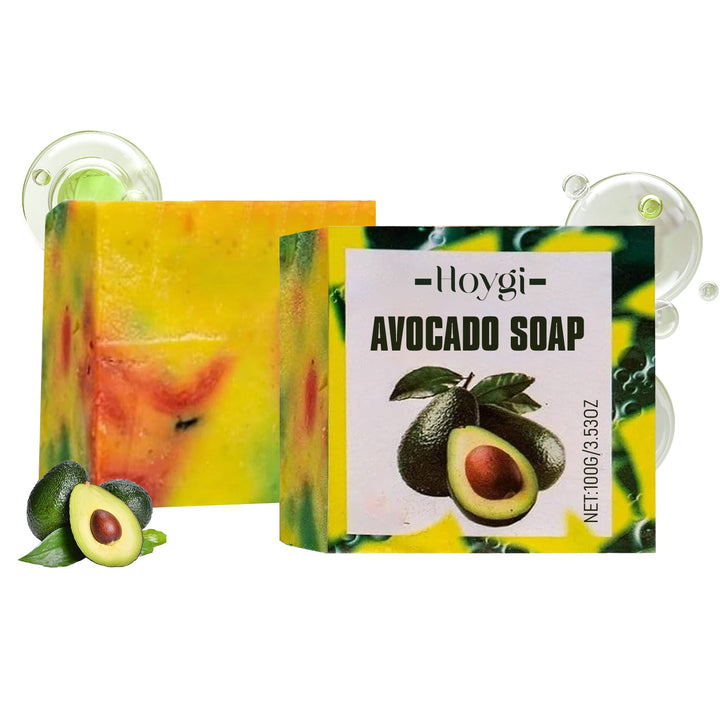
Avocado Soap - Deep Moisturizing & Cleansing Bar for Soft Skin


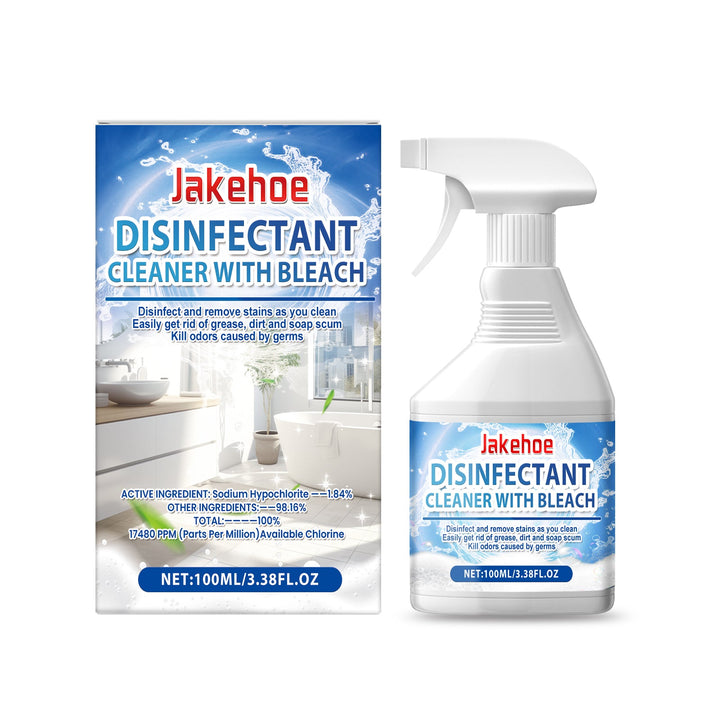


Refresh your shower routine with cleaning sprays, tablets, tile care, glass and tub stain removers, body wash, and an aromatherapy body sponge. Use this guide to compare products by the surface, residue, fragrance preference, and cleaning method you need for your shower or shower with tub.
Start by identifying the job. For regular upkeep, Bathroom Cleaning Tablets for No-Scrub Surface Shine are designed for a simple maintenance routine. For water marks on glass, tile, or tubs, choose a Bathroom Water Stain Remover for Glass, Tile & Tubs or a Bathroom Foam Cleaning Spray for Water Stains and Scale. Soap residue calls for a Bathroom Foam Cleaner for Soap Scum and Scale, while tougher buildup may suit the Stubborn Stain Removal spray. If you are planning a shower kit or updating a small shower, choose products that match the surfaces already installed. For personal care, pair Moisturizing Body Wash with the Aromatherapy Body Sponge according to your preferred texture and fragrance.
The main options in this category are tablets, foam sprays, liquid stain removers, and body-care products. Cleaning tablets suit a repeatable, low-effort surface routine. Foam sprays cling to vertical areas such as shower walls and can target water stains, scale, soap scum, or stubborn marks depending on the formula. A dedicated water stain remover is useful when deposits appear on glass, tile, or tubs. Bathroom Tile Cleaner Spray focuses on residue-free shine for tiled areas. Body wash and a body sponge are not surface cleaners; they are for washing and exfoliating as part of your shower routine. Comparing these types helps whether you are shopping for a complete shower setup or replacing products in an existing enclosure.
Read the product description for its intended surface and cleaning target before buying. A glass-and-tub stain remover is a better match for shower doors and tub surrounds than a general body-care item. For tiled showers, look for a tile cleaner when residue-free shine is your priority. Check whether you prefer a foam format for targeted application or tablets for a no-scrub maintenance approach. Consider the areas you clean most often: shower walls, glass doors, tub surfaces, or tile joints. For body care, select a moisturizing body wash if lasting fragrance is important, and choose the aromatherapy body sponge if you want a dedicated washing tool. Always review label directions and surface cautions before use.
Use every product according to its label, especially on finished tile, glass, tubs, fixtures, and grout. Apply foam cleaners to the recommended surface, allow the stated contact time, and rinse or wipe as directed. Use the water stain remover only on the surfaces listed for that product. For tablets, follow the package instructions for preparation and application rather than combining them with another cleaner. Keep bathroom ventilation running while cleaning, and avoid mixing cleaning products. Use body wash with water and the body sponge gently enough for your comfort; rinse the sponge thoroughly and allow it to dry between uses. Separate body-care tools from household cleaning supplies, and keep all products away from children and pets.
A common mistake is choosing a product by scent or format without checking the intended surface. Water stains, soap scum, scale, and stubborn marks may need different formulas, so match the cleaner to the buildup described on the package. Do not use a body sponge or body wash to clean shower walls, glass, or tubs. Do not mix sprays, tablets, or other household cleaners, and do not exceed label directions. Applying foam to a dry or wet surface without checking instructions can affect results. Leaving residue behind can also make a clean shower look dull, so rinse or wipe as directed. If you are comparing shower ideas for a small space, plan storage so cleaning products stay separate from daily bathing items.
This selection suits shoppers maintaining an existing shower, a shower with tub, or a compact bathroom where a focused routine matters. Choose the tile spray or stain remover if your main concern is the appearance of shower surfaces. Choose a foam cleaner when soap scum, scale, or water marks are the recurring issue. Tablets may suit shoppers who want a straightforward maintenance format, while the stubborn-stain spray is intended for more persistent marks described on the product page. Body wash and the aromatherapy sponge suit shoppers building a more complete personal-care routine. These products can complement shower kits complete with base, walls, and door, but they do not replace the fixtures themselves. They are practical additions for cleaning, bathing, and everyday upkeep.
A shower is a bathing setup that sprays water over the body, usually within an enclosure or over a tub. In this category, shower products include cleaners for glass, tile, tubs, and walls, plus body wash and a body sponge for personal care.
There is no single schedule that suits every 70-year-old. Frequency can depend on personal preference, activity, skin comfort, and routine; follow individual needs and any guidance from a qualified healthcare professional.
Current shower ideas often emphasize easy-care surfaces, organized storage, and routines that reduce visible water marks and residue. Foam cleaners, tile sprays, glass-and-tub stain removers, and simple maintenance tablets can support upkeep, but the best choice depends on your shower materials and cleaning preferences.
People commonly describe showers by their setup, such as a standalone shower, a shower over a tub, or a shower enclosure with a base, walls, and door. The exact terminology can vary by retailer and bathroom design.
Dark showering generally refers to a mindful, low-light shower routine designed to create a calmer atmosphere, often with reduced lighting and fewer distractions. It is a personal routine rather than a specific type of shower fixture or cleaning product.
The best shower depends on your space, whether you want a shower with tub, the available installation area, and how easy you want the surfaces to maintain. For a small shower, prioritize a practical layout and storage; for any setup, choose cleaning products matched to its glass, tile, tub, or wall surfaces.