
$39.90
Free delivery · 7–14 days
Knee Protector with Steel Bars — Meniscus Support


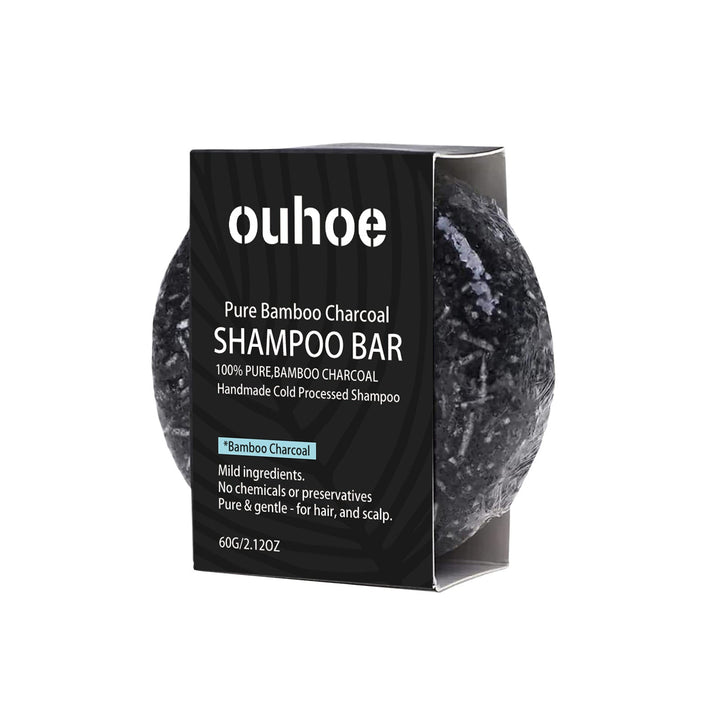
Shampoo bars offer a compact alternative to bottled shampoo, with less packaging and a travel-friendly format. This category features a bamboo charcoal shampoo bar designed for a thorough scalp cleanse, making it a practical option for shoppers comparing shampoo bars for everyday hair care.
Start with your scalp and hair needs rather than choosing by appearance or scent alone. A bamboo charcoal shampoo bar is suited to shoppers who want a deeper-feeling cleanse, especially after styling product buildup, workouts, or exposure to dust and oil. If your hair is dry, coarse, curly, or color-treated, check the product directions and introduce the bar gradually so you can assess how your hair responds. Look for clear ingredient information, a shape that is easy to hold, and instructions for storing the bar between washes. Reviews can help you compare lather, rinse feel, fragrance, and longevity, but results vary by water hardness, hair density, and washing routine. The best shampoo bar is the one that matches your scalp preferences and is easy to use consistently.
Shampoo bars are not all made or used in the same way. Some are formulated as solid versions of liquid shampoo, while others use a soap-based approach that may feel more cleansing and can require a different adjustment period. Within either group, bars may focus on gentle cleansing, moisture, fragrance, or scalp freshness. This bamboo charcoal shampoo bar is positioned for deep scalp cleansing, so it may appeal to shoppers who prefer a more thorough wash rather than a conditioning-heavy finish. People searching for shampoo bars for curly hair should consider whether their curls need extra slip and moisture after cleansing. A bar can be convenient and low-waste, but it should still suit your wash frequency, texture, and styling routine. Read the label instead of assuming every solid bar performs alike.
Check the full ingredient list, intended hair type, cleansing focus, and storage guidance before buying. For a bamboo charcoal shampoo bar, look for clear directions explaining how to wet the hair, apply the bar, and rinse thoroughly. A comfortable grip matters because a bar that is difficult to handle can be frustrating in the shower. Consider fragrance preferences, especially if you wash frequently or share products with other household members. If you have curly, dry, or easily tangled hair, look for guidance about pairing the bar with conditioner or a leave-in product. Avoid relying only on terms such as natural, detox, or best, since those labels do not tell you how the bar will feel on your hair. Reviews are most useful when they describe hair texture, scalp feel, lather, and storage habits.
Thoroughly wet your hair and the bar first. You can glide the bar over the scalp in sections or create lather between wet hands and massage the lather into the roots; use the method that gives you better control and less tugging. Focus cleansing on the scalp, then let the rinse pass through the lengths rather than aggressively scrubbing the ends. Rinse until the water runs clear and follow with conditioner if your hair needs extra softness or detangling. A bamboo charcoal shampoo bar is intended for a deep scalp cleanse, so start with a normal wash routine and adjust based on how your hair feels afterward. Keep the bar on a draining dish or in a ventilated container between uses. Allowing it to sit in standing water can make it soften faster.
One common mistake is rubbing the bar repeatedly over the entire head without enough water, which can create unnecessary drag and use more product than needed. Another is treating a shampoo bar like a body soap without checking its intended use or directions. Applying too much pressure, skipping a thorough rinse, and storing the bar in a puddle can also reduce comfort and product life. Shoppers sometimes switch products too quickly without considering water hardness, wash frequency, or the need for conditioner. If your hair is curly or prone to dryness, avoid assuming that a deep-cleaning bar should replace every other hair-care step. Do not judge a bar only by its first lather; pay attention to scalp feel, manageability, and how your hair behaves after drying. Stop using it if it causes discomfort or irritation.
Shampoo bars suit shoppers who want a compact product for travel, a shower with less bottle clutter, or a solid format that is easy to store and carry. They can also appeal to people comparing sustainable hair-care options and looking for a product with less conventional packaging. This bamboo charcoal shampoo bar may be a good fit for those who prefer a thorough scalp cleanse and want a bar that can be handled directly or lathered in the hands. It may require more consideration for very dry, curly, tangled, or chemically treated hair, where conditioning needs are important. Anyone with a sensitive scalp should review the ingredients and use the bar cautiously rather than assuming every formula is gentle. As with shampoo bars reviews, personal experience depends on hair texture, scalp preferences, water, and routine.
Shampoo bars are not automatically better for every hair type. Their main advantages are a compact format, easy travel, and the potential to reduce reliance on bottles. The right choice depends on the formula, your scalp preferences, hair texture, and whether you use conditioner.
Some users need an adjustment period, especially when changing from liquid shampoo or when using a soap-based bar. A bar can also soften if it is left in standing water, and a deep-cleansing formula may not provide enough conditioning for very dry or curly hair. Storage and rinsing habits make a noticeable difference.
The best bar shampoo is one that matches your scalp and hair needs, has clear ingredient and use instructions, and feels comfortable in your routine. This bamboo charcoal shampoo bar is designed for shoppers seeking a thorough scalp cleanse. If your hair needs extra moisture, plan to use conditioner or another compatible care product.
A good shampoo bar should be easy to hold, simple to rinse, and suitable for your hair texture and washing frequency. This bamboo charcoal option is a practical choice for shoppers who prefer a deeper scalp-cleaning feel. Check the directions and ingredient list before use, particularly if your hair is dry, curly, or easily tangled.
Avoid choosing a bar solely because it is labeled natural, detox, or best, since those terms do not explain how it will perform for your hair. Also avoid leaving the bar submerged in water, scrubbing aggressively, or skipping the rinse. Review the ingredients and directions if you have known sensitivities or specific hair-care requirements.
A bar formulated for deep scalp cleansing is the more relevant choice when you want a thorough wash after product use, exercise, or a buildup-prone routine. This bamboo charcoal shampoo bar is made for that type of cleansing preference. Use it as directed and pair it with conditioner if your lengths need additional softness.