Best Setting Powder for Oily & Dry Skin: Brightening Finish
12 items
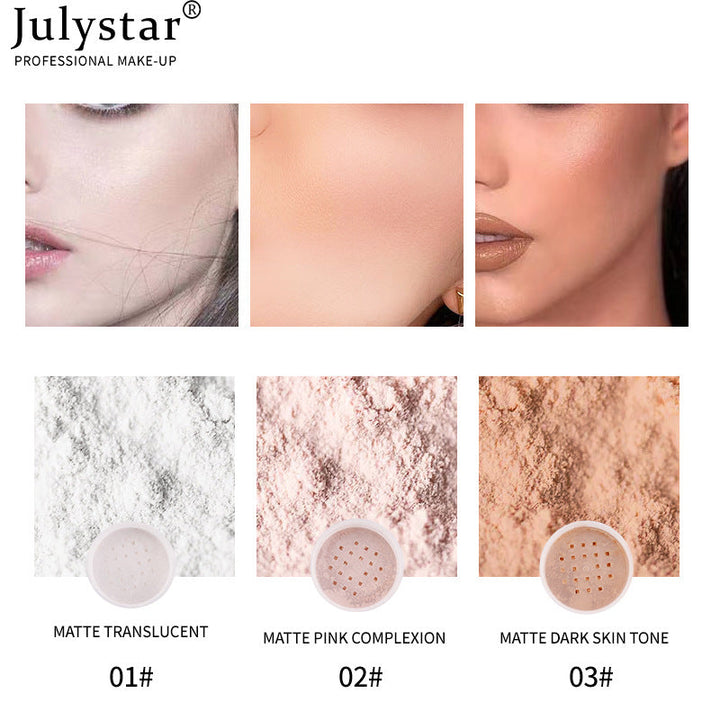
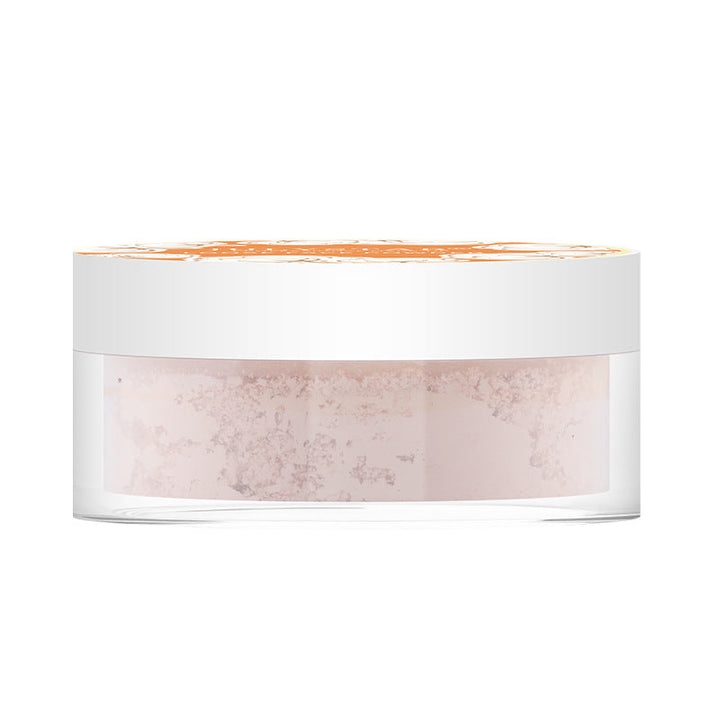
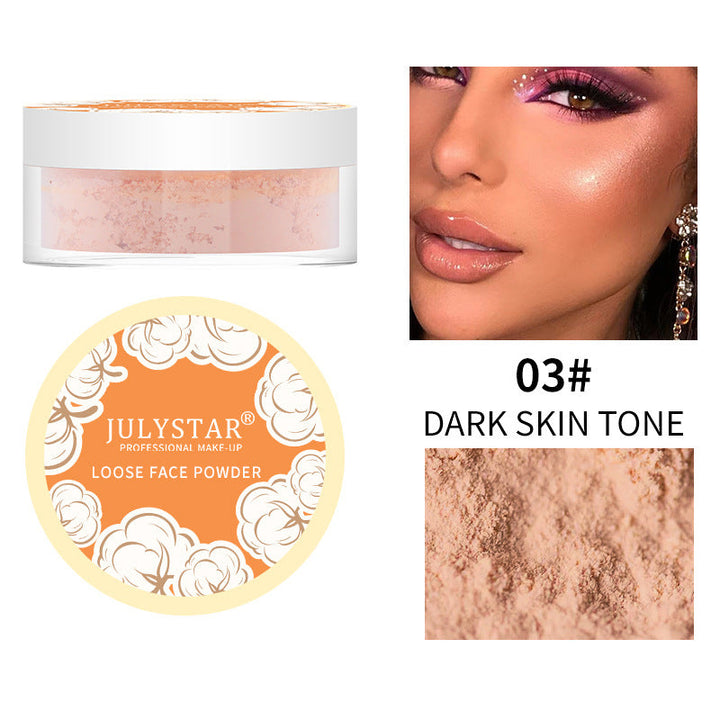

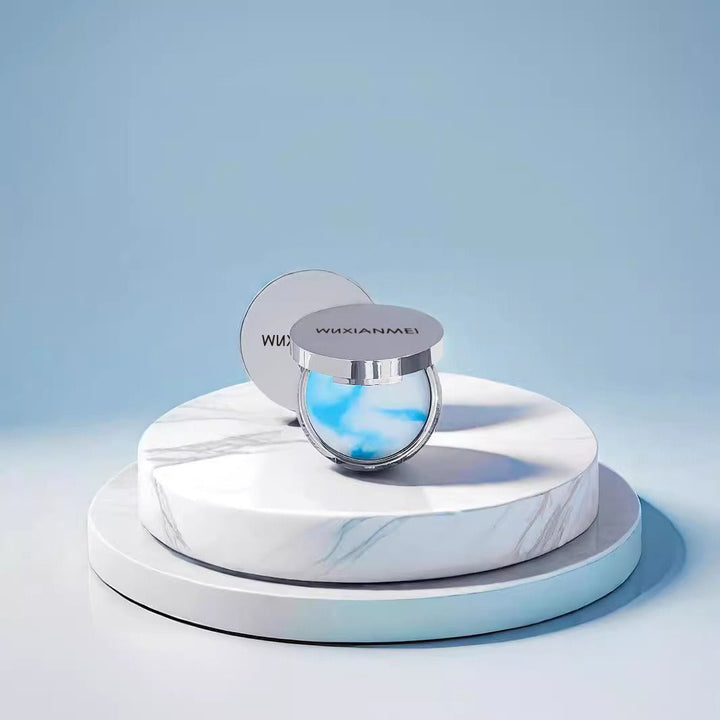
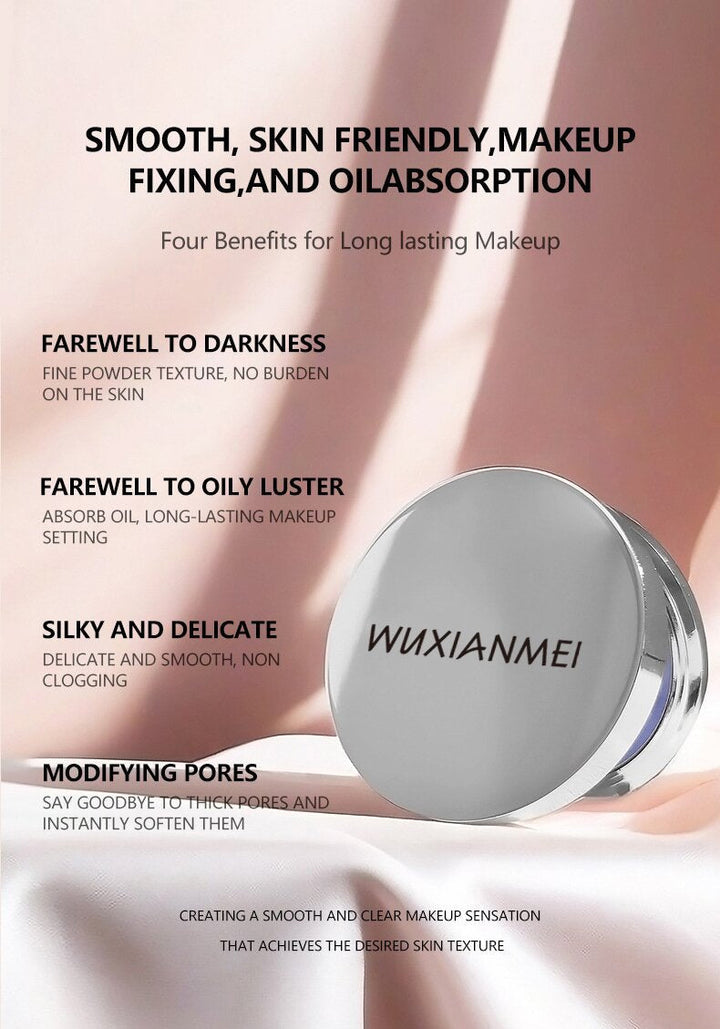
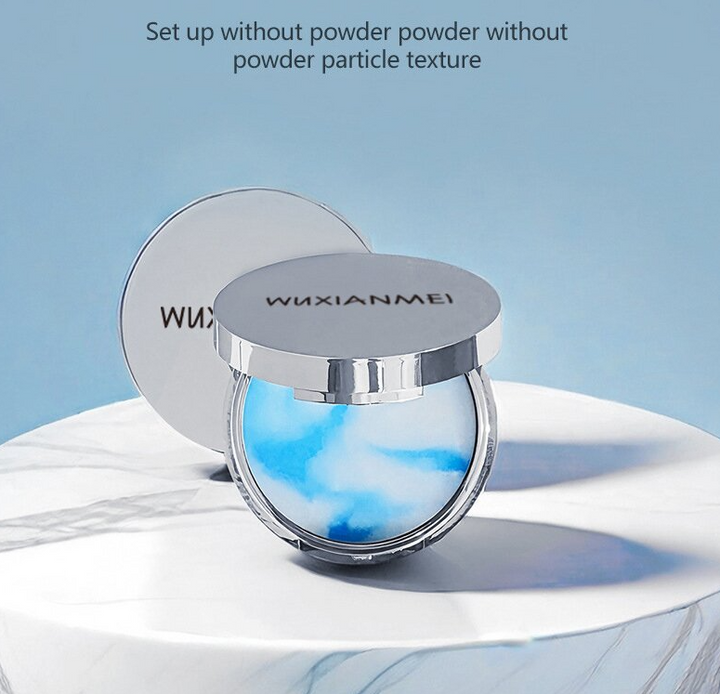


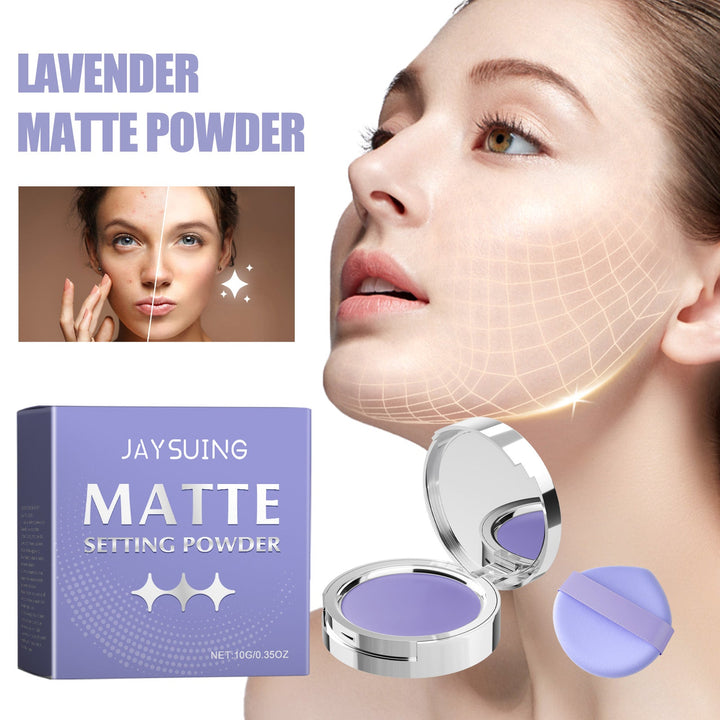
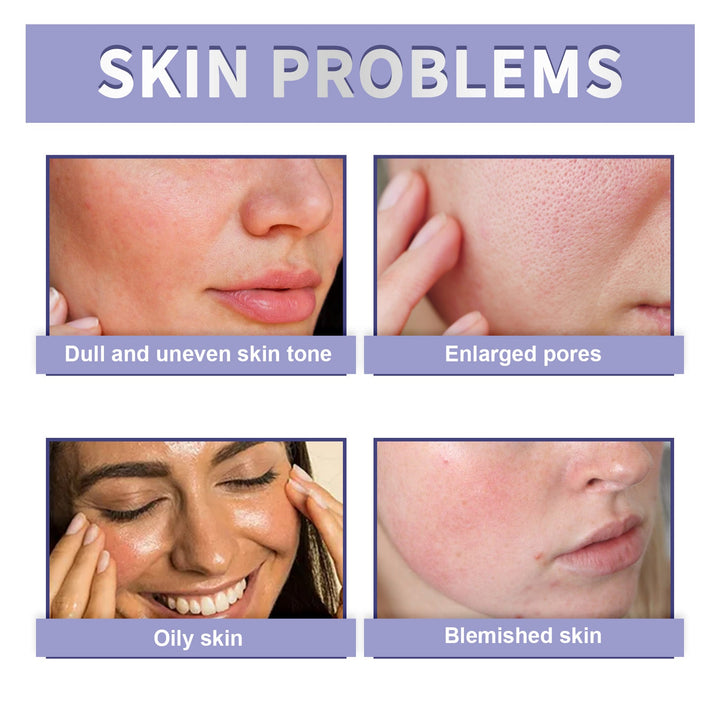
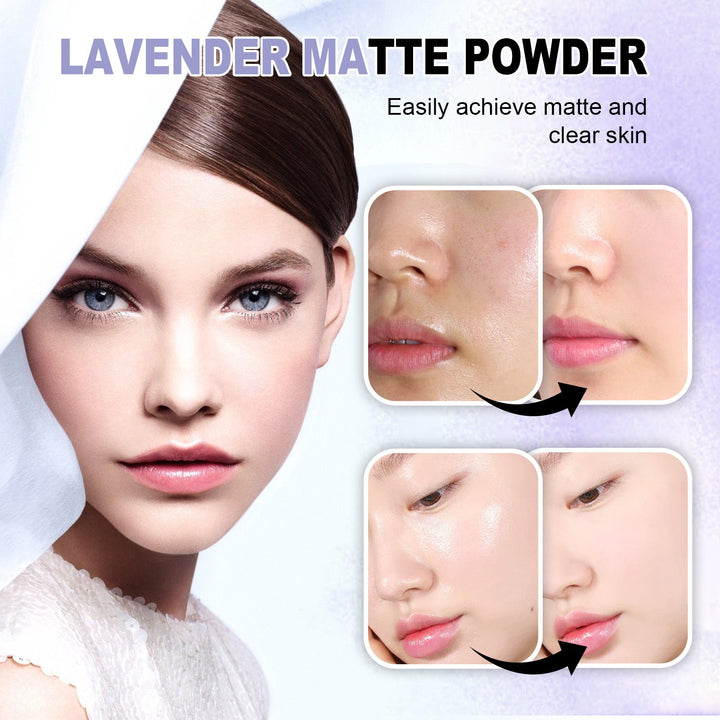


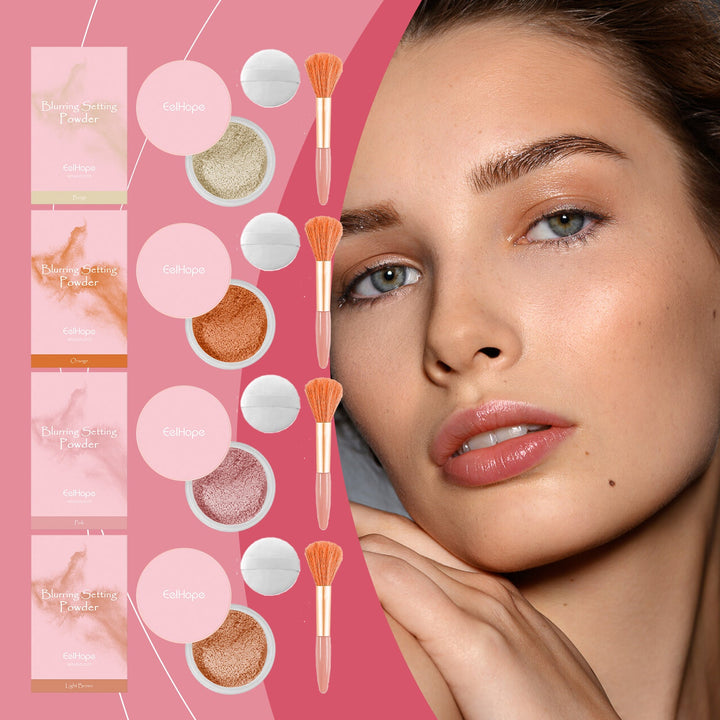
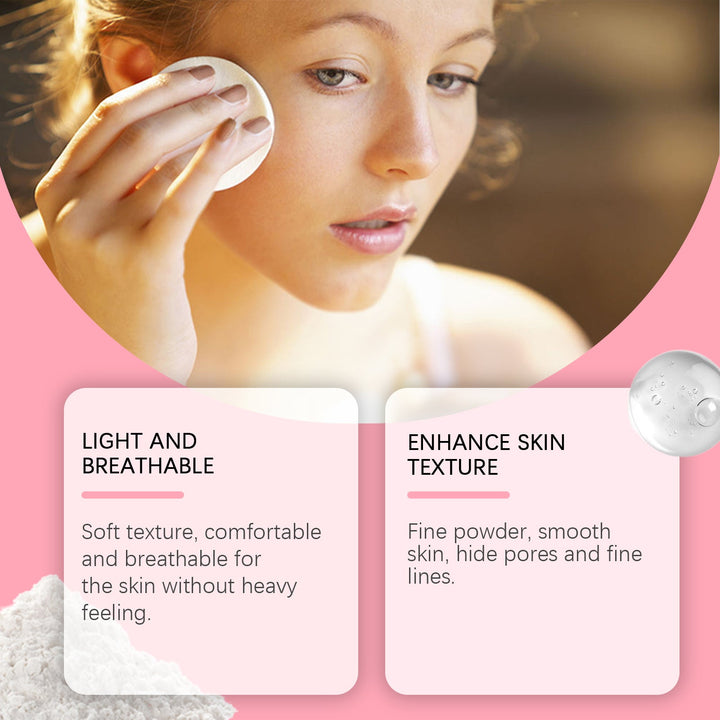
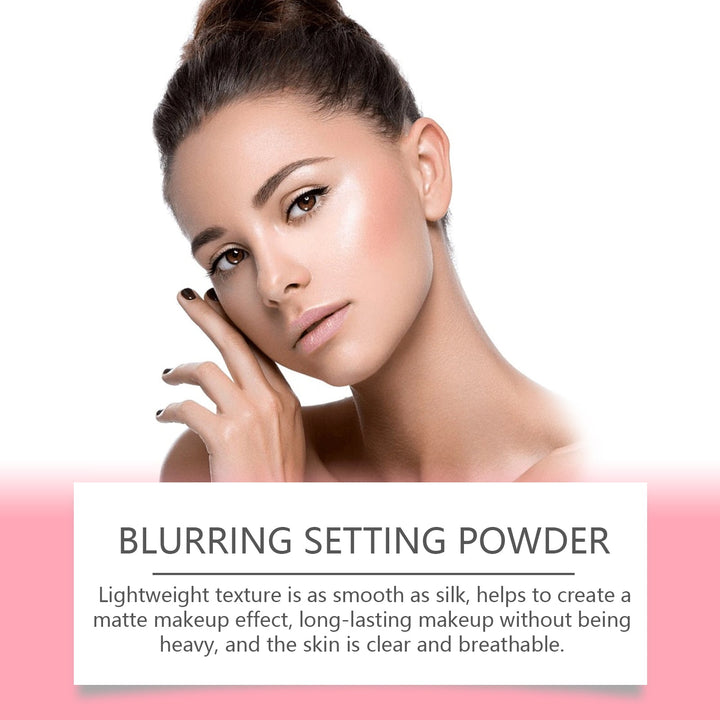

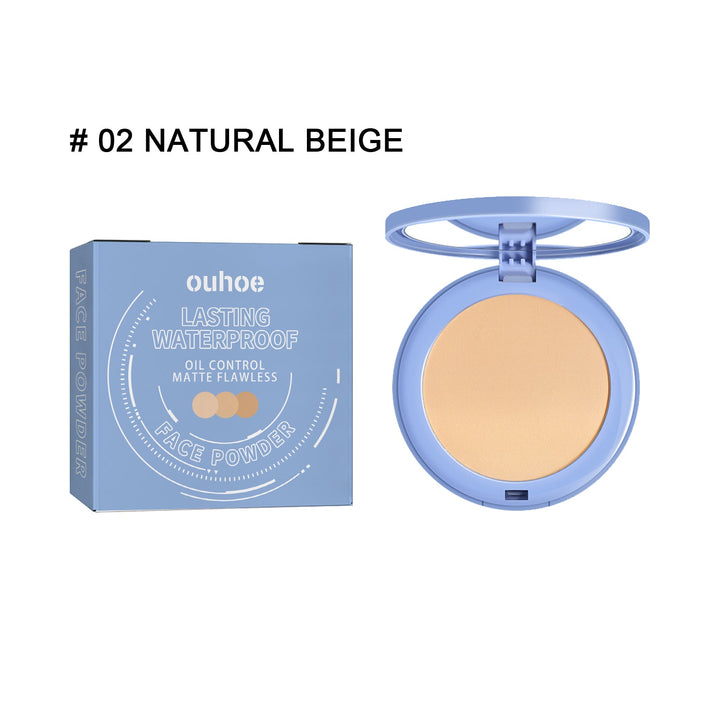
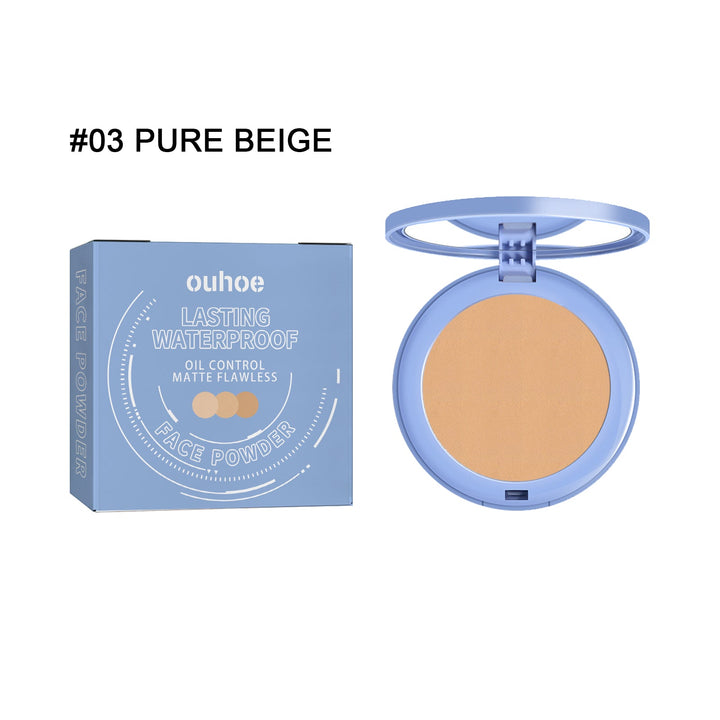
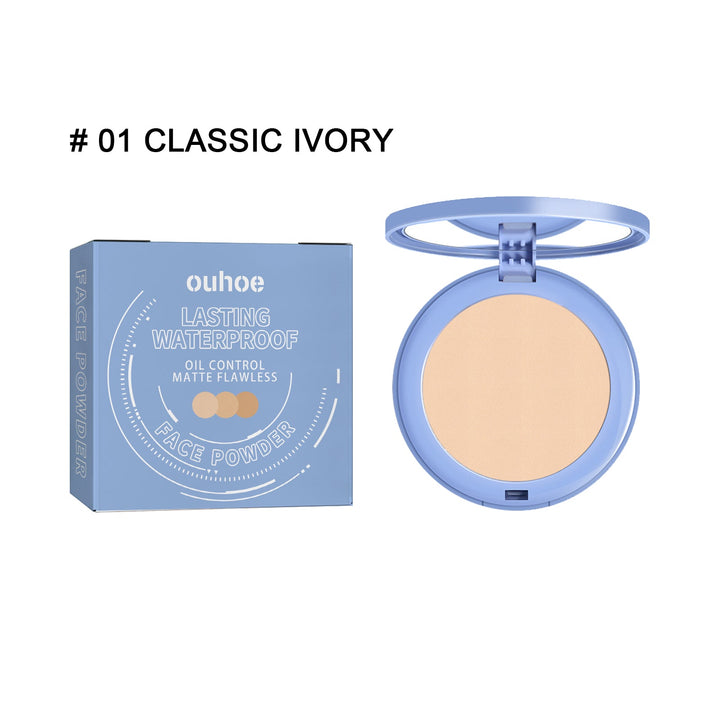


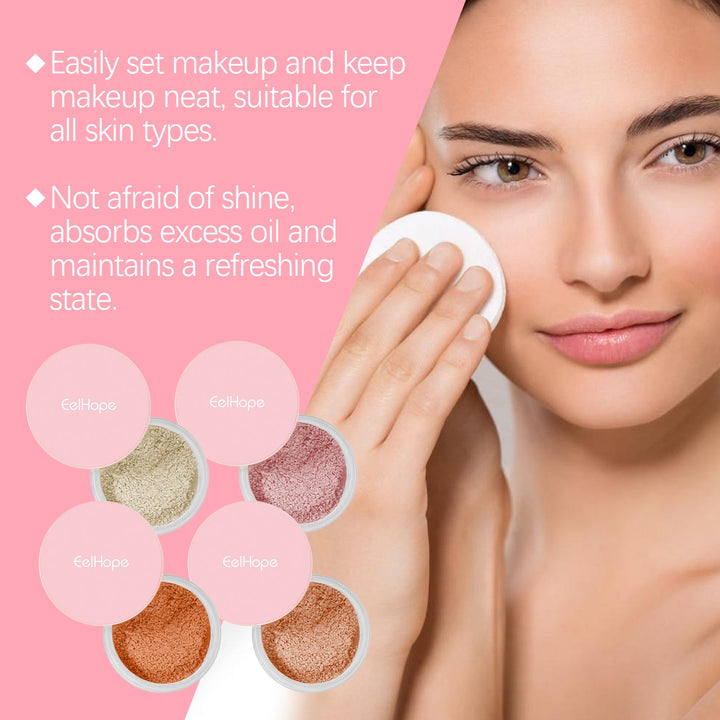






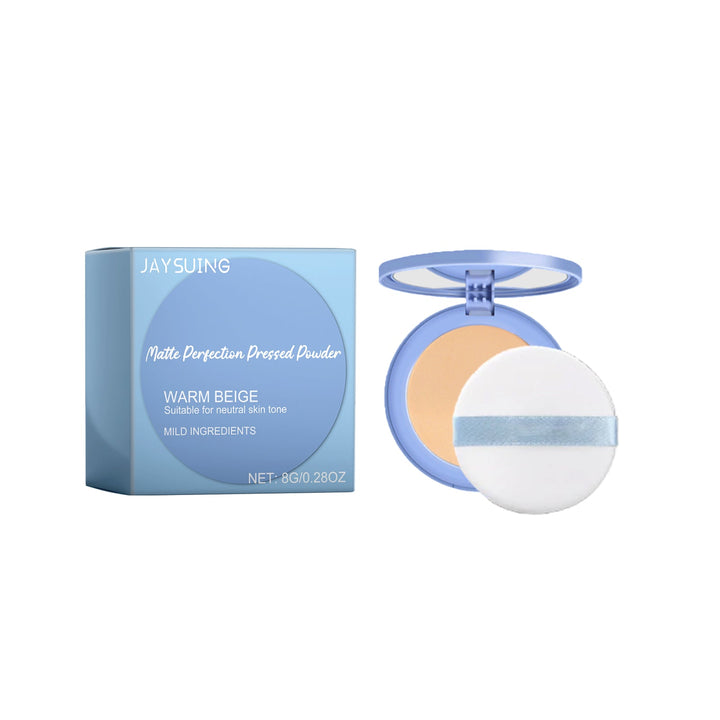
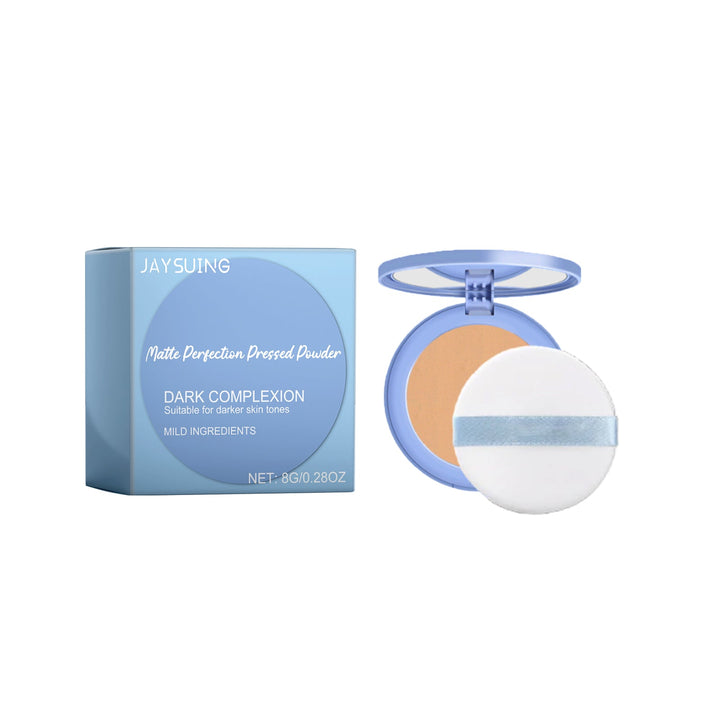
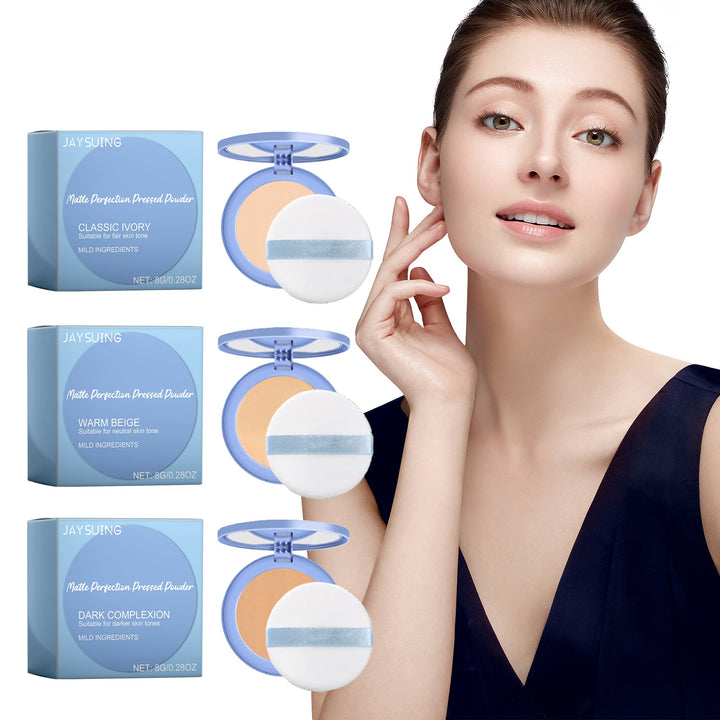
Find a setting powder to help makeup look smoother, reduce visible shine, and create a brightening finish without making the complexion look overly flat. This category includes loose and pressed formulas, lavender-toned powders, soft-focus finishes, and options with a brush for easy application and touch-ups.
How to Choose the Best Setting Powder
Start with your skin type, preferred finish, and application routine. For oily skin or makeup that tends to look shiny, choose a matte, shine-control formula such as a loose setting powder or pressed setting powder. If your skin is dry or you prefer a more refined look, a smooth soft-focus powder can help set makeup with a lighter visual finish. Lavender powders are worth considering when you want a brightening effect rather than a traditional beige or translucent appearance. Choose a loose formula for targeted setting under the eyes and around the T-zone, or select pressed powder for convenient touch-ups. A setting powder with brush is useful when you want a compact, portable option for applying or refreshing makeup.
Loose Setting Powder vs Pressed Setting Powder
Loose setting powder is a good choice when you want to control the amount used and set specific areas, such as the forehead, nose, chin, or under-eye area. It works well with a powder puff or soft brush and is often selected for full makeup-setting routines. Pressed setting powder is contained in a compact, making it easier to carry and less prone to spilling in a makeup bag. It is especially practical for oil-control touch-ups during the day. Both types can create a matte or blurred finish, depending on the formula and application. When comparing setting powder vs loose powder, remember that loose powder describes the format, while setting powder describes the product's intended makeup-setting use.
What to Look for in Setting Powder for Oily or Dry Skin
For oily skin, look for wording such as matte, shine-free, oil control, or lasting matte finish. These options are suited to setting foundation and concealer while helping reduce the look of surface shine. For dry skin, choose a lightweight powder with a smooth, soft-focus finish and apply it only where makeup needs setting. Too much powder can make dry areas look more noticeable, so avoid automatically covering the entire face. If you want a brighter-looking finish, consider a lavender setting or finishing powder and use a light layer. A built-in or included brush can make application easier, while a compact pressed formula is convenient for targeted touch-ups over makeup.
How to Apply Setting Powder for Makeup
Apply setting powder after foundation and concealer have been blended, before any final setting spray if you use one. Pick up a small amount with a clean brush or puff, tap off excess, and press or lightly sweep it onto areas where makeup moves or shine appears. Focus first on the T-zone, under-eye area, and around the nose rather than coating the whole face automatically. For a matte look, build thin layers gradually with a loose or pressed powder. To create a brightening finish, use lavender powder sparingly in suitable areas instead of applying a heavy layer everywhere. A brush can give a lighter, more diffused result, while a puff provides more targeted coverage and oil-control touch-ups.
Common Setting Powder Mistakes to Avoid
Using too much product is one of the most common mistakes, especially with loose setting powder. Excess powder can make makeup appear heavy or emphasize dry-looking texture, so start with a small amount and add only where needed. Applying powder before foundation or concealer can interfere with blending unless that is part of a specific makeup technique. Avoid rubbing powder over wet or unset concealer, as this may disturb the base. Another mistake is choosing an overly matte formula for every area of the face when only the T-zone needs shine control. Finally, check the shade and finish in your usual lighting: lavender powder can look brightening when applied lightly, but a thick layer may look visibly tinted.
Who Should Use Setting Powder?
Setting powder suits anyone who wants to help foundation and concealer look more set, reduce visible shine, or create a smoother-looking finish. It is especially useful for oily skin, combination skin, and makeup routines that need matte oil control around the T-zone. People with dry skin can also use it, but a lightweight soft-focus formula and targeted application are usually more comfortable visually than a heavy all-over layer. Choose pressed powder if you want quick touch-ups, loose powder for more controlled application, or a powder with brush for portability and convenience. If you prefer a brighter finish, lavender setting powder can be used lightly over selected areas. You do not have to powder every part of the face.
Frequently asked questions
What is the setting powder for?
Setting powder is used after foundation and concealer to help makeup look more set and reduce visible shine. It can also create a matte, soft-focus, or brightening finish, depending on the formula.
What is the difference between face powder and setting powder?
Face powder is a broad term for powder makeup used on the complexion, while setting powder is intended primarily to set liquid or cream makeup. Some face powders add coverage or color, whereas setting powders are commonly chosen for shine control, smoothing, or a finishing effect.
Do you really need a setting powder?
No, setting powder is optional. It can be useful if you want to reduce shine, help makeup look more set, or create a matte or blurred finish, but you may prefer setting spray or no additional setting product.
When should you apply setting powder?
Apply setting powder after foundation and concealer have been blended and before setting spray, if you use one. Use a light layer on areas where makeup moves or shine appears, such as the T-zone and under-eye area.
What are the common mistakes when using setting powder?
Common mistakes include applying too much, powdering the entire face when only certain areas need it, and applying it before liquid makeup has been blended. Using a very matte powder on dry-looking areas can also make the finish appear heavier.
Is there a difference between translucent powder and setting powder?
Yes. Translucent describes a powder with little or no visible coverage or color, while setting powder describes its intended purpose of helping set makeup. A setting powder may be translucent, tinted, lavender, pressed, or loose.