Posture Correctors & Back Braces for Better Posture
8 items
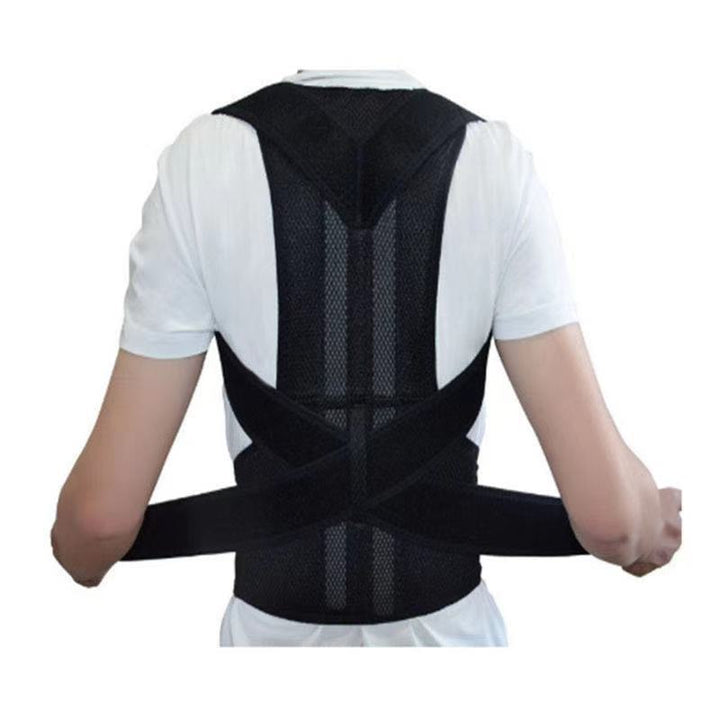


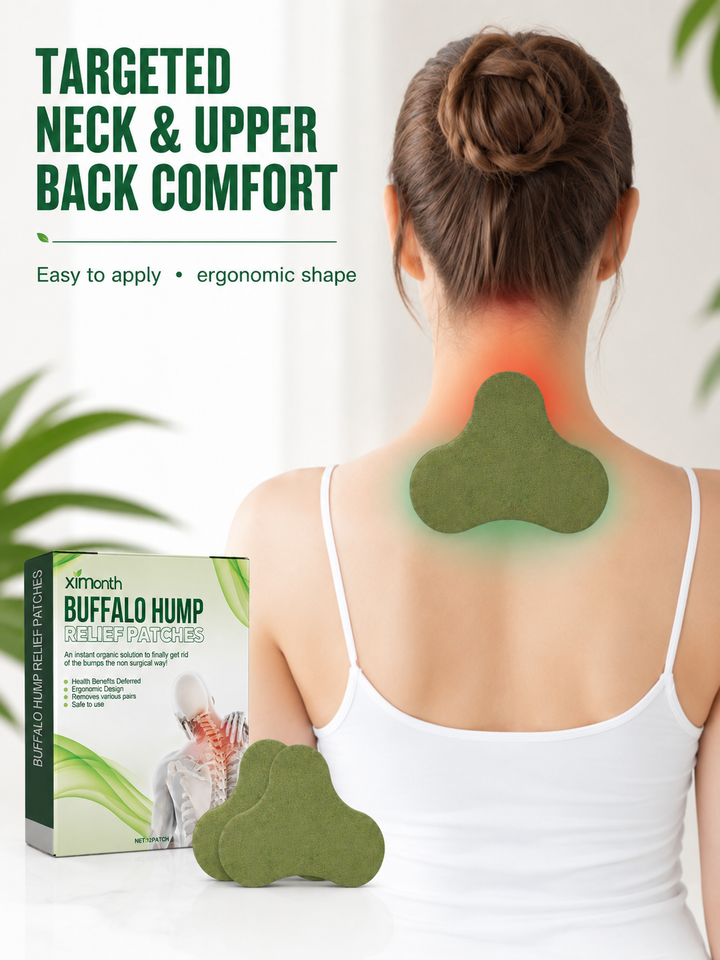




Posture correctors and back braces can provide gentle reminders, support, or adjustable compression while you build more comfortable sitting and standing habits. Compare the support style, fit, adjustability, and intended use before choosing a brace, belt, smart wearable, or patch-based product.
How do you choose the best posture corrector?
Start with the problem you want to address: a reminder to sit taller, upper-back support, lower-back support, or a discreet option under clothing. A posture corrector with steel support may feel more structured, while a posture corrector belt is usually easier to adjust for everyday wear. Smart posture correctors can use vibration or voice prompts to remind you when your shoulders or back position changes. Check the size chart, adjustment range, strap placement, materials, and return policy. If you are comparing a posture corrector for men with the best posture corrector for women, focus on torso measurements and comfort rather than the product label. The best posture corrector is one you can wear as directed without rubbing, slipping, or restricting normal movement.
What types of posture correctors are available?
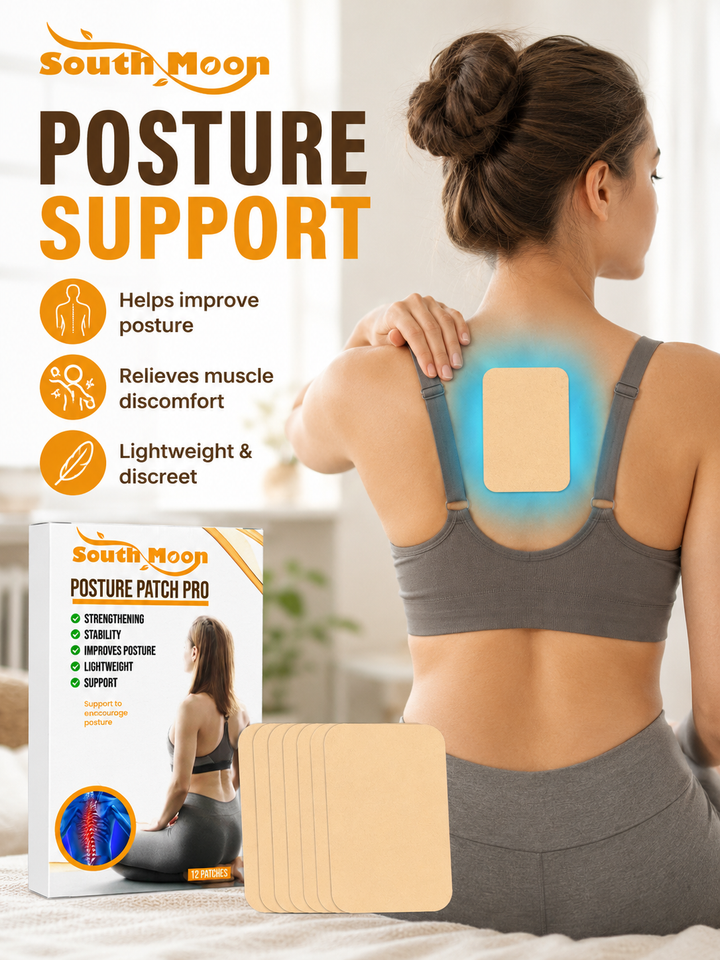
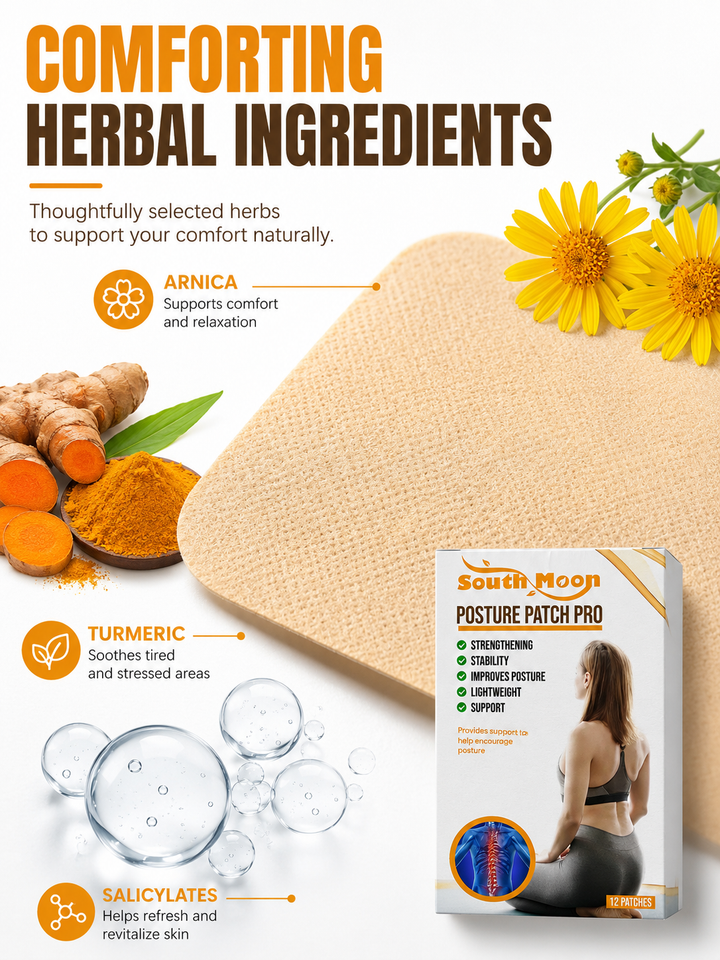
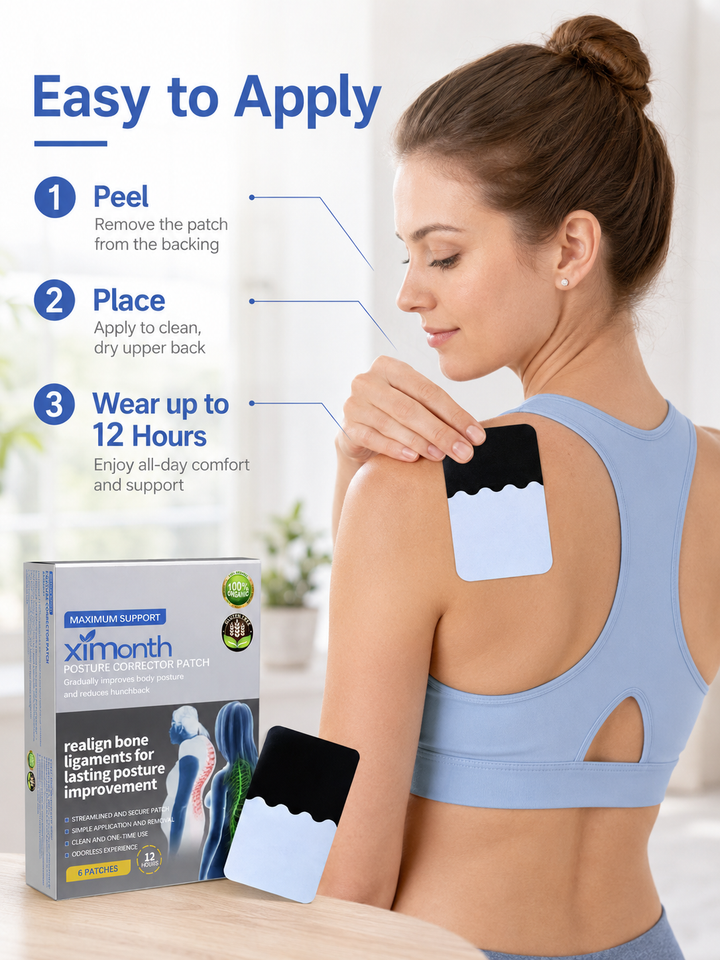
Wearable braces and belts use straps, fabric, or structured panels to provide physical support and posture feedback around the shoulders, upper back, or waist. Steel-support designs generally offer a firmer feel, while lighter belts may suit short periods at a desk or during routine activities. Smart devices add vibration or voice coaching instead of relying only on tension. Patches are adhesive, low-profile alternatives that may appeal to shoppers who want an invisible layer under clothing; they do not offer the same adjustable support as a brace. Lumbar vertebra plasters are positioned for the lower back rather than shoulder alignment. Compare each format by target area, visibility, adjustability, skin contact, and whether you want physical support or a reminder.
What should you look for in a posture corrector?
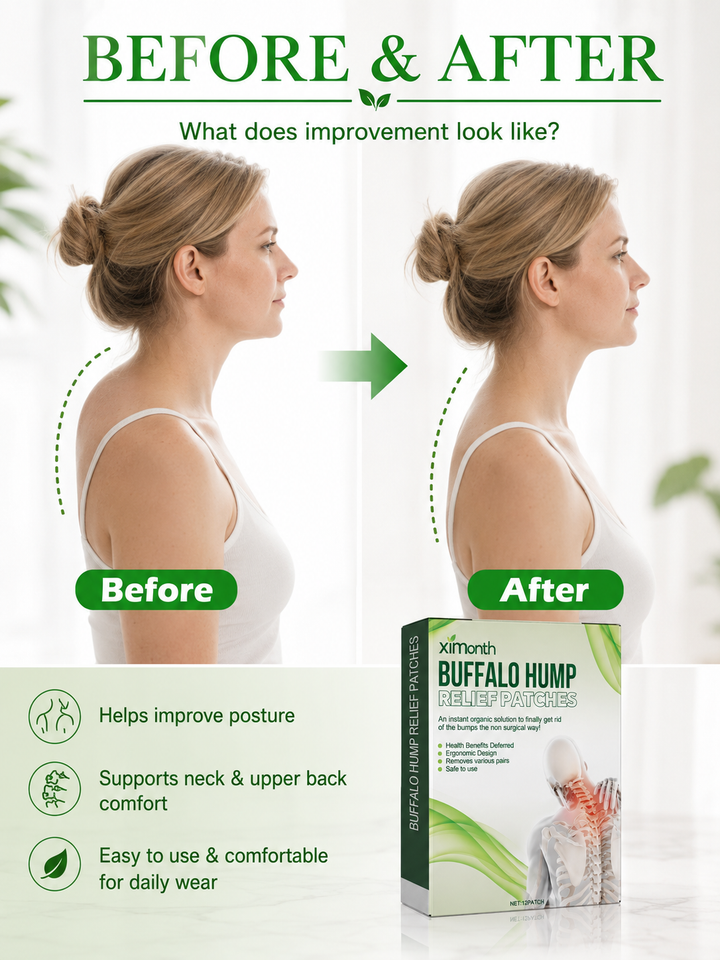
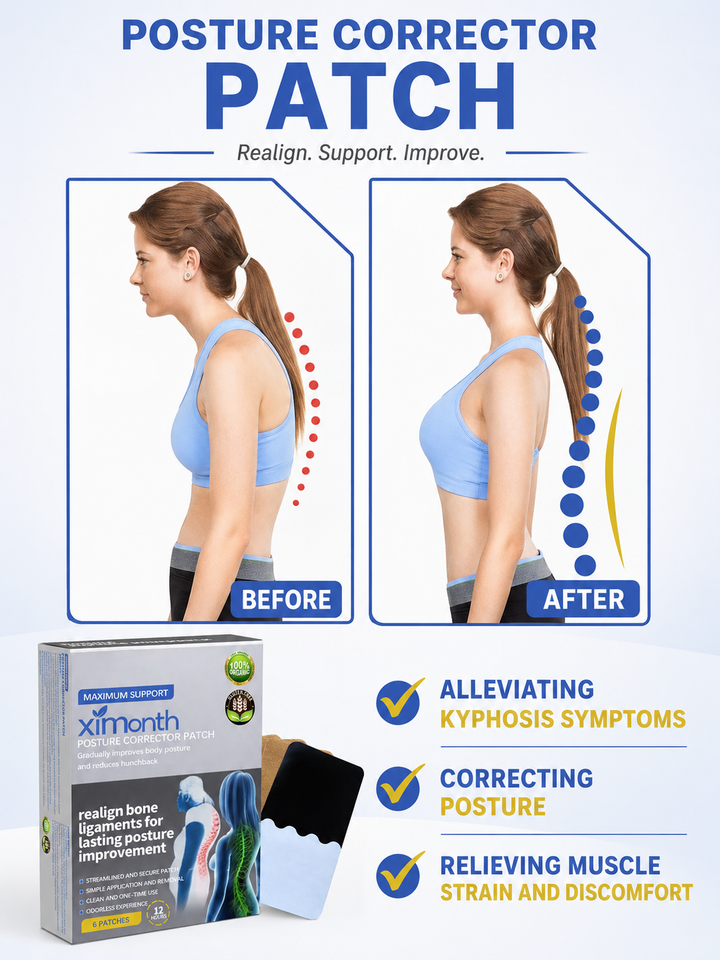
Look for clear sizing based on torso, chest, waist, or shoulder measurements, along with straps that can be adjusted without help. Breathable fabric and smooth edges can make a brace more comfortable over a shirt, while removable or washable components may simplify care. Check whether the design sits across the upper back, around the shoulders, or over the lower back; these placements serve different purposes. A smart posture corrector should explain how alerts are controlled and how the device is charged or cleaned. For patches, review adhesive instructions, placement guidance, and skin-contact warnings. Product descriptions that promise to realign the spine, correct scoliosis, or permanently fix a hunchback should be treated cautiously; a support product should not replace professional assessment.
How should you use a posture corrector?
Read the included instructions before fitting the product, and adjust it while standing or sitting in a relaxed, neutral position. The brace should feel supportive without digging into the shoulders, ribs, waist, or underarms, and it should not make breathing or ordinary movement uncomfortable. Begin with the wear schedule provided by the manufacturer rather than wearing it continuously by default. Use it as a cue to check your sitting setup, screen height, and shoulder position—not as a substitute for moving regularly. Keep adhesive patches on clean, dry skin only when their directions allow it, and stop if the area becomes irritated. Remove the product for sleep unless the instructions specifically say otherwise. Clean, store, and recharge the device as directed.
What are common posture corrector mistakes?
Choosing the wrong size is one of the most common errors. A brace that is too tight can rub or restrict movement, while one that is too loose may shift and provide little useful feedback. Another mistake is selecting a shoulder brace for lower-back support, or expecting patches to provide the same adjustability as a belt. Wearing a corrector all day without breaks can also make it harder to notice whether the fit remains comfortable. Do not tighten straps to force your shoulders backward or use a product over damaged, irritated, or sensitive skin. Avoid relying on dramatic claims such as permanent realignment or guaranteed pain relief. If discomfort persists, or if you have an injury, diagnosed spinal condition, numbness, or weakness, seek guidance from a qualified health professional.
Who should use a posture corrector?
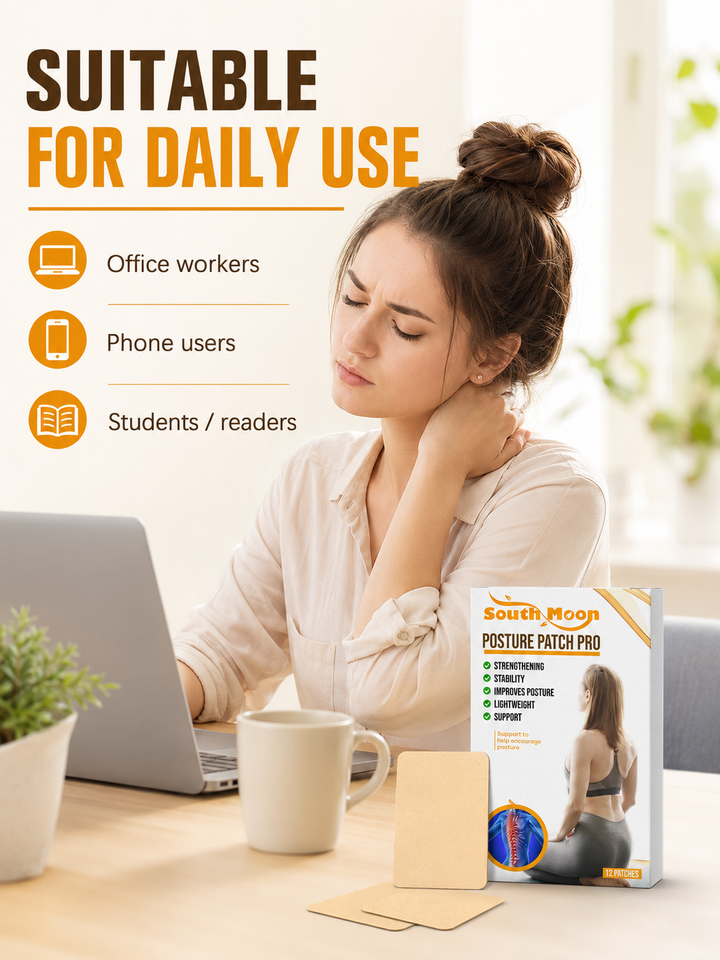
Posture correctors may suit adults who want a wearable reminder while working at a desk, commuting, studying, or building awareness of shoulder and back position. A posture corrector for men or a best posture corrector for women should be selected by measurements, garment fit, and support needs rather than gender alone. A discreet patch may suit someone who dislikes visible straps, while a structured brace may be preferable when adjustable support is the priority. Smart coaching can help shoppers who want alerts during screen-based tasks. People with scoliosis, persistent pain, a recent injury, unexplained symptoms, or concerns about a pronounced upper-back curve should ask a qualified health professional before choosing a device. No posture corrector should be treated as a diagnosis or a guaranteed treatment.
Frequently asked questions
Do any posture correctors really work?
They can provide physical support or reminders that help some people notice and adjust their posture while wearing them. Results depend on fit, comfort, consistent use, and everyday habits, and a posture corrector is not a guaranteed permanent solution.
What is the best device to correct posture?
The best option depends on whether you want adjustable support, a discreet patch, or vibration and voice reminders. Choose by target area, measurements, comfort, adjustability, and the product’s instructions rather than by a general “best” label.
What is the best device for correcting back posture?
For upper-back awareness, compare shoulder and upper-back braces with smart posture reminders. For lower-back support, look for a design intended for the lumbar area. Check the fit and intended use, and seek professional advice if pain or a diagnosed condition is involved.
What are the risks of using a posture corrector?
An incorrect fit or excessive tension may cause rubbing, skin irritation, discomfort, or restricted movement. Follow the wear instructions, take breaks as directed, and stop using the product if it causes persistent discomfort or skin reactions.
Do doctors recommend posture correctors?
A qualified health professional may recommend or advise against a posture corrector depending on a person’s symptoms, condition, and goals. Products in this category should not replace an assessment or personalized guidance, especially for scoliosis, injury, persistent pain, numbness, or weakness.
What did Taylor Swift use for posture?
There is no reliable product information provided here to identify a posture device used by Taylor Swift. Avoid choosing a posture corrector based on an unverified celebrity claim; compare the product’s fit, support style, instructions, and intended use instead.