$34.90
Free delivery · 7–14 days
Soap Tablets — Portable Cleansing For Travel Hygiene


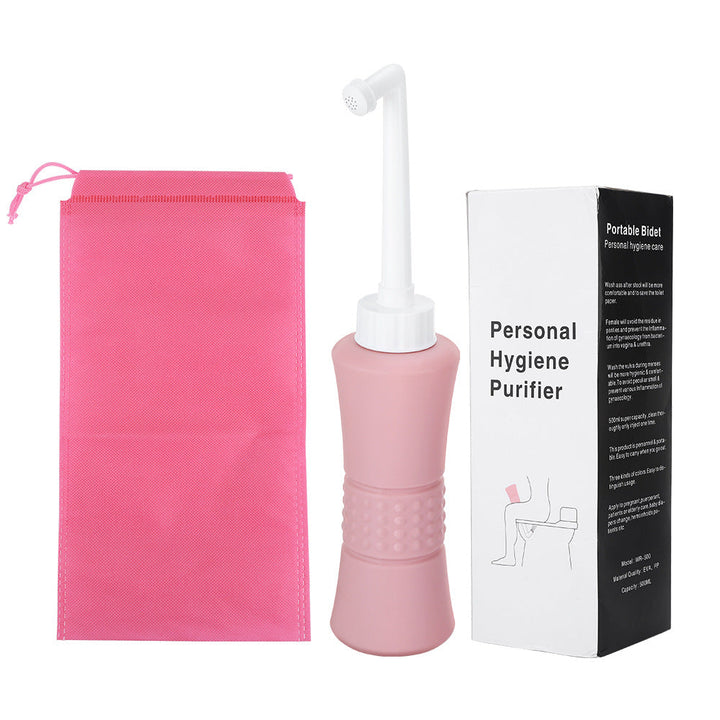
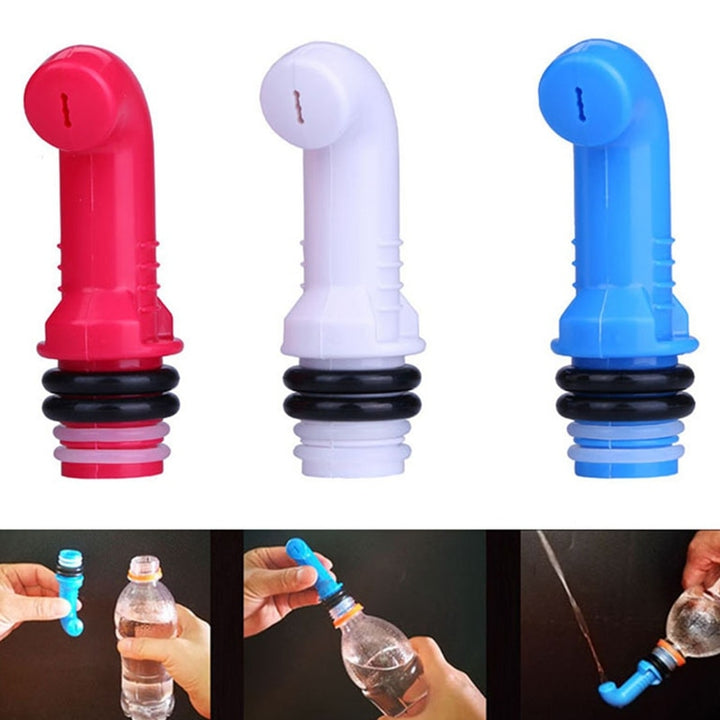
Portable bidets make it easier to rinse with water when you are travelling, camping, commuting, or using a toilet without a built-in bidet. This category includes squeeze-bottle travel bidets, attachable handheld sprayers, and portable electric bidets, with options for gentle rinsing, compact packing, and convenient toilet-side use.
Start with where and how you plan to use it. A squeeze-bottle portable bidet is simple, lightweight, and does not need batteries, making it useful for flights, hotels, camping, and emergencies. An attachable portable bidet spray can connect to a suitable bottle or container for added flexibility. A portable electric bidet may provide powered pressure and convenient controls, but it needs charging and careful packing. Check the bottle capacity, nozzle shape, folded or packed size, and whether the spray direction suits your toilet setup. If you want a high pressure portable bidet, look for adjustable pressure rather than assuming the strongest setting will be most comfortable.
Manual squeeze bottles are the most straightforward portable bidets: fill the reservoir, turn or attach the nozzle, and squeeze to create the spray. They are quiet, travel-friendly, and ready whenever you have access to clean water. Handheld travel bidet sprayers that attach to a bottle or container can offer a familiar spray handle and more control over direction. Portable electric bidets use a small pump to deliver water at the press of a button, which may suit shoppers who prefer powered operation. Compare charging needs, noise, water capacity, replacement parts, and cleaning access before choosing between manual and portable bidet electric designs.
Prioritise a nozzle that directs water accurately without requiring an awkward angle. A multi-hole nozzle, such as the gentle 14-hole design on some 500ml portable irrigators, can spread the flow for a softer rinse, while a narrower outlet may feel more concentrated. Look for a leak-resistant cap, secure nozzle connection, and a bottle that is easy to fill and empty. One-handed operation helps when you are in a small bathroom. For travel, consider whether the unit fits a wash bag and whether the nozzle folds, covers, or detaches. Clear capacity information also helps you judge whether one fill will be enough for your routine.
Fill the reservoir with clean, comfortably warm or cool water, then attach or extend the nozzle according to the instructions. Sit on the toilet and hold the bidet from the front or back, choosing the position that gives you the clearest, most comfortable angle. Start with gentle pressure and aim the water at the area you want to rinse, moving slowly rather than spraying forcefully. Use the bidet only externally, and avoid directing water internally. After rinsing, pat dry with toilet paper or a clean towel; a small amount of wiping can help check that you are comfortable and clean. Empty and rinse the device after use.
Do not fill a portable bidet with unclean water, scented products, or harsh cleaners unless the instructions specifically allow them. Avoid squeezing too hard at first, since a strong stream can splash or feel uncomfortable. Test the spray over the toilet before aiming it, especially with a new high pressure portable bidet or an unfamiliar nozzle. Keep the bottle upright while positioning it and check that caps and connectors are fully secured to reduce leaks. Do not share a personal nozzle without cleaning it properly. After travel, dry the reservoir and nozzle before storage to help prevent stale smells. Recharge electric models before trips and follow their water-resistance guidance.
Portable bidets suit travellers, campers, festival visitors, commuters, and anyone who wants a water-rinse option away from home. They can also be useful in bathrooms without plumbing access for a fixed bidet, provided the user has a clean water source and enough room to position the device. Choose a manual model if low weight, quiet operation, and no charging are most important. Choose an electric model if powered spray control is more appealing and charging is convenient. An attachable travel bidet may suit shoppers who already carry a compatible bottle. Consider grip size, nozzle control, storage, and cleaning before buying for regular use.
They can work well for rinsing when filled with clean water and used at a comfortable angle. Performance depends on the nozzle, water capacity, grip, and pressure control, so choose a design that matches your toilet space and travel routine.
Fill it with clean water, position the nozzle externally, and begin with gentle pressure while aiming at the area to rinse. Pat dry afterward, and rinse and empty the bidet before storing it.
A fixed bidet toilet can require installation, space, plumbing access, and regular cleaning. Portable bidets avoid much of that setup, but they require filling, carrying, and positioning the device each time.
Many people pat dry or use a small amount of toilet paper after rinsing. The amount depends on the spray, your preferred level of dryness, and whether you have a clean towel available.
Advice can vary, but general safe use means rinsing externally with clean water and avoiding forceful or internal spraying. If you have a personal health concern or irritation, ask a qualified healthcare professional rather than relying on a product guide.
Sit in the position that gives you the best control of the spray while keeping the nozzle external. Many users choose a front or rear approach depending on the toilet and device, then use gentle pressure and avoid spraying from back toward front.