
$69.90
Free delivery · 7–14 days
Electric Blackhead Remover — Smooth, Refined Pores After
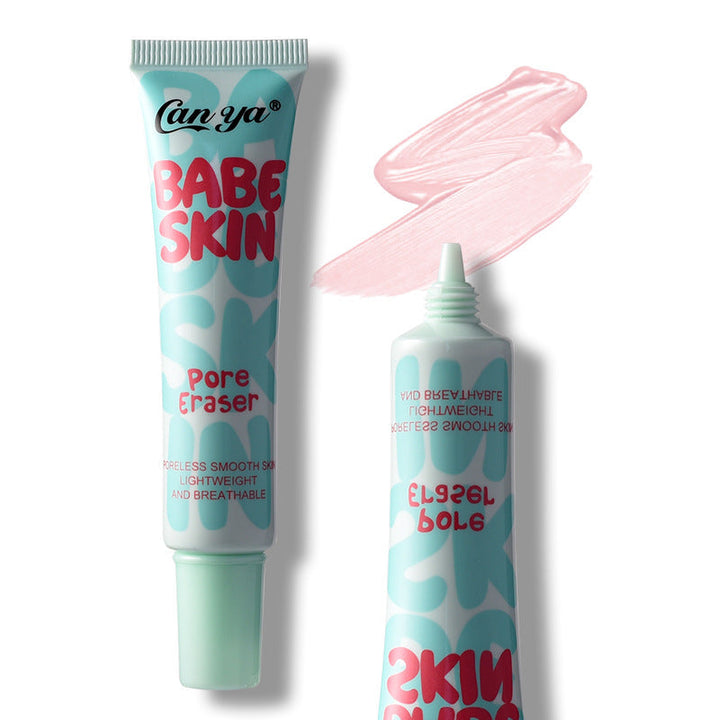


A pore primer can help makeup look smoother by creating a more even-feeling surface and softening the look of visible pores. This category includes lightweight primers, serum formulas, a primer stick, a night serum, an oily-skin option, and an electric blackhead remover, so you can choose based on finish, routine, and skin feel.
Start with the finish you want and when you plan to use the product. Choose the Pore Eraser Makeup Primer for Lightweight Smooth Skin when you want a light layer under foundation. The Pore Smoothing Primer Stick for Even-Looking Makeup is convenient for targeted application around the nose, cheeks, or forehead. For a skincare-style texture, consider the Pore Minimizer Serum - Refined-Looking Skin. If shine is your main concern, the Matte Face Primer for Oily Skin — Pore-Minimizing 5ml may suit your routine. A pore primer does not permanently reduce pore size; it helps pores look less noticeable while the product is applied and makeup is worn.
A pore primer is applied before makeup to help create a smoother-looking base. Its texture can sit over uneven areas, helping foundation or concealer apply with less emphasis on the appearance of pores. Some formulas focus on a lightweight, natural feel, while others provide a matte finish or targeted application. The Pore Minimizer Serum - Refined-Looking Skin is suited to shoppers who prefer a serum format, while the Pore Smoothing Primer Stick is useful when you want control over placement. A night serum serves a different role from a makeup primer: it belongs in an evening routine and is not intended to replace a daytime makeup base.
For oily skin, look for a pore primer with a matte or shine-conscious finish and apply only where you need it. The Matte Face Primer for Oily Skin — Pore-Minimizing 5ml is designed for shoppers who want a compact option focused on a less shiny-looking base. You can also use the Pore Eraser Makeup Primer in a thin layer before foundation, especially around the T-zone. Avoid applying a heavy amount across the entire face, since excess product can make makeup feel thick or affect wear. If you have combination skin, use a matte primer on the forehead, nose, and chin, then choose a lighter formula for areas that feel drier.
Yes, but the best choice for dry skin depends on texture and application. A lightweight serum-style product, such as the Pore Minimizer Serum - Refined-Looking Skin, may feel more comfortable than a strongly matte formula. Apply your usual moisturizer first, allow it to settle, and then use a small amount of primer only where pores are most visible. The Pore Smoothing Primer Stick can work for targeted areas, but avoid building up layers on patches that already feel tight or flaky. If a matte finish makes your complexion look flat, use the pore primer selectively and choose a more comfortable, radiant-looking base elsewhere.
Begin with clean skin and your regular skincare, then allow moisturizer to absorb before applying primer. Use a small amount and press or gently smooth it over visible pores rather than rubbing repeatedly. Concentrate on the nose, inner cheeks, forehead, or chin, depending on where makeup tends to collect. With a stick formula, draw short strokes directly over the target area and blend the edges with clean fingertips. Wait until the surface feels settled, then apply foundation by pressing or lightly stippling instead of dragging it across the skin. For best results, test the primer with your foundation first; some combinations layer more smoothly than others.
The most common mistake is using too much product. A thick layer can make foundation slide, separate, or look textured instead of smooth. Another mistake is applying a matte primer over every part of the face when only the T-zone needs shine control. Skipping moisturizer can also make a primer feel uncomfortable on dry areas, while applying makeup before the primer settles may disturb the surface. Do not confuse the Electric Blackhead Remover — Smooth, Refined Pores After with a makeup primer; it is a separate device category and should be used according to its product instructions. Patch-test new products if your skin is easily bothered, and stop use if discomfort occurs.
Pore primer can suit anyone who wants makeup to look more even around visible pores, including mature skin. It is optional, not a required step, and the best result usually comes from using a thin layer only where needed. Mature skin may look more comfortable with a lightweight or serum-style formula rather than a heavy matte coating. Oily skin shoppers may prefer the Matte Face Primer for Oily Skin, while shoppers wanting a simple targeted application may prefer the primer stick. If you do not like the feel of primer or your foundation already applies smoothly, you can skip it. Makeup artists may also omit primer when skincare and foundation already provide the desired finish.
The best option depends on your preferred texture and application style. Choose the Pore Eraser Makeup Primer for Lightweight Smooth Skin for a light all-over base, or the Pore Smoothing Primer Stick for Even-Looking Makeup when you want to target specific areas such as the nose and inner cheeks.
A pore primer helps create a smoother-looking surface before foundation or concealer. It can make visible pores appear less noticeable while the product is on the skin, but it does not permanently change pore size.
A primer cannot permanently reduce pores, but it can help minimize their appearance temporarily by smoothing the makeup base. For targeted application, try the Pore Smoothing Primer Stick; for a serum-style routine, consider the Pore Minimizer Serum - Refined-Looking Skin.
Yes, primer is optional and can be useful at any age. Mature skin may prefer a lightweight formula applied sparingly, especially around visible pores, rather than a thick layer across the whole face.
That is a personal makeup preference and is separate from pore primer. If you wear bottom-lash eyeliner, use the placement and intensity that feels comfortable and suits the look you want.
Primer is not necessary for every person, foundation, or finish. A makeup artist may skip it when skincare and foundation already layer well, or use it only on areas where pores, shine, or makeup texture need extra attention.