
$64.90
Free delivery · 7–14 days
Green Ginger Hair Treatment Spray for Scalp Care


Piercing care products can help you keep a new ear piercing clean and supported while it settles. This guide compares aftercare sprays, drops, solutions, and kits so you can choose an option that fits your routine and follow the product directions carefully.
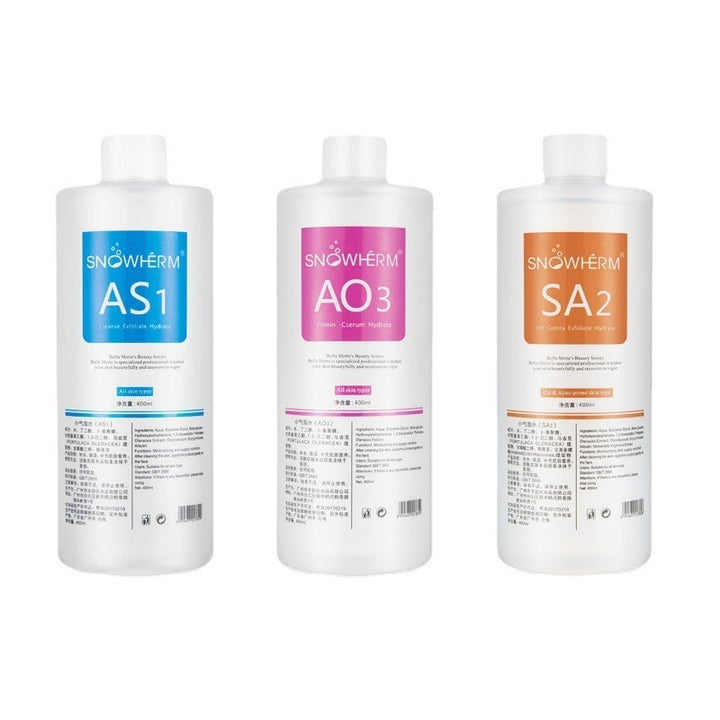
Start by choosing a product made specifically for piercing aftercare rather than a general skincare or hair product. A spray is convenient for reaching both sides of an ear piercing without touching the area, while drops can be useful when you prefer controlled application. Check the ingredients, directions, nozzle or dropper design, and storage instructions before buying. If you are building a piercing care kit, look for a suitable aftercare product alongside clean, single-use supplies rather than adding unrelated items. Green Ginger Hair Treatment Spray is intended for scalp care, and Hydrafacial Serum Solution is intended for facial cleansing and hydration, so they are not substitutes for an ear piercing care spray or solution.
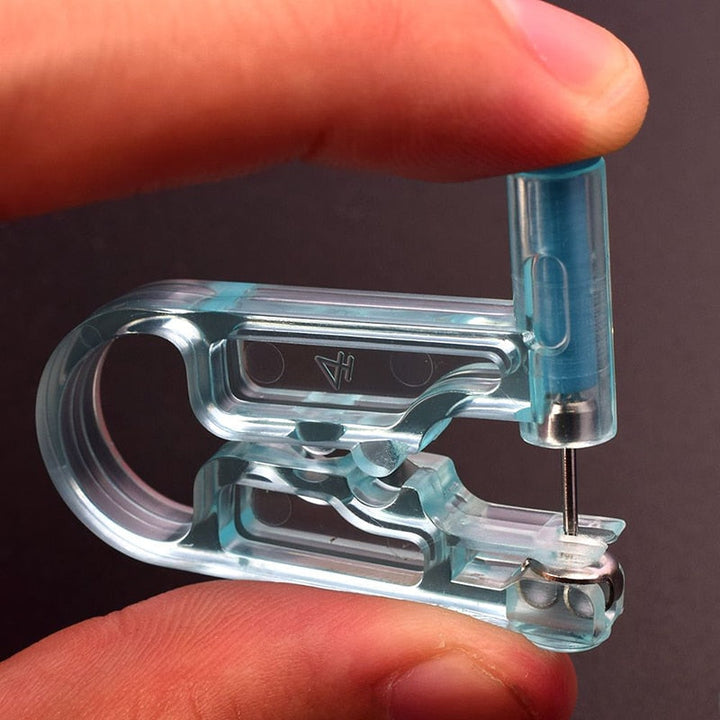
Piercing aftercare sprays are a practical choice for quick, touch-free application and are easy to include in a daily routine. Piercing aftercare drops offer a more targeted format, which may suit shoppers who want to apply a small amount to a specific area. A piercing care solution may be packaged as a spray or liquid, so compare the application method rather than relying only on the product title. At-home piercing kits are a separate purchase: a disposable ear piercing gun is designed for the piercing process, not ongoing aftercare. For routine ear piercing care, choose an aftercare spray or drops product whose label clearly explains how and where to use it.
Look for clear instructions that explain how often to apply the product, whether it is intended for external use, and how to keep the container clean. A fine mist can make an ear piercing care spray easier to apply around the front and back of the piercing, while drops may provide more control for a small area. Consider the bottle size if you are travelling or want a product for home use. Avoid choosing based only on phrases such as “fast healing” or “painless”; results and comfort can vary, and product wording should not replace proper guidance. If the area becomes increasingly uncomfortable or looks unusual, contact a qualified healthcare professional or your piercer instead of changing products repeatedly.
Wash your hands before touching the piercing or its jewellery. Follow the product label for the amount and frequency, applying the spray or drops without sharing the container or allowing the tip to contact skin, jewellery, or other surfaces. Let the area dry as directed, and avoid twisting or removing the jewellery unless a qualified professional tells you to do so. Keep hair, cosmetics, headphones, and clothing from rubbing against the area where practical. You can shower according to your normal routine, but rinse away shampoo or soap residue and gently pat the piercing dry with a clean, disposable material. Do not mix homemade salt water with a ready-to-use aftercare product unless a professional specifically advises it.
Common problems with piercing care include touching the jewellery with unwashed hands, picking at dried material, applying alcohol or other harsh products without professional advice, and using several aftercare products at once. Avoid swimming or soaking the piercing when your piercer advises against it, and keep pillowcases, phones, helmets, and headphones clean when they contact the area. Do not use scalp treatments, facial serums, or other products from your bathroom cabinet as an ear piercing care solution. Avoid changing jewellery too soon or relying on a “3/2 piercing rule” as a universal instruction; care needs can vary by piercing location, jewellery, and individual circumstances. Follow the written directions and your piercer’s guidance.
An aftercare spray suits shoppers who want a quick, low-contact step for a fresh ear piercing, while aftercare drops suit those who prefer targeted application. A piercing care kit may be useful if it includes clearly identified, single-purpose items and straightforward instructions. The disposable ear piercing gun is for shoppers considering at-home piercing, but piercing yourself carries practical and hygiene considerations; professional piercing is worth considering if you are unsure about placement, jewellery, or aftercare. Products in this category are not interchangeable: Green Ginger Hair Treatment Spray is for scalp care, and Hydrafacial Serum Solution is for facial use. Choose the item whose label matches your intended use, and ask a professional about any concerns during healing.
Wash your hands before touching the area, use a piercing aftercare spray or drops product according to its label, and keep the jewellery in place unless a qualified professional advises otherwise. Reduce rubbing from hair, clothing, headphones, and bedding, and ask your piercer or a healthcare professional about symptoms that concern you.
The “3/2 piercing rule” is not a universal aftercare standard that applies to every piercing. Care instructions can vary by location, jewellery, product, and individual circumstances, so follow the directions supplied by your piercer and the aftercare product rather than relying on an informal rule.
Do not assume that homemade salt water is suitable for every piercing or that it is better than a purpose-made aftercare product. Concentration, cleanliness, and application can vary, so use a piercing care solution as directed and ask your piercer before adding another method.
Avoid touching the piercing with unwashed hands, picking at buildup, twisting the jewellery, or applying harsh or unrelated products without advice. Also limit rubbing, soaking, and exposure to dirty surfaces when recommended by your piercer, and do not change the jewellery prematurely.
You generally do not need to delay a normal shower solely because you have a new piercing, but follow your piercer’s instructions. Keep soap and shampoo from sitting on the area, rinse away residue, and gently pat it dry rather than rubbing.
There is no single answer that applies to everyone, and the likelihood of a piercing moving or being pushed out can depend on placement, jewellery, technique, and individual factors. Ask an experienced professional about the anatomy and jewellery choices for the piercing you are considering, and seek advice if the position appears to be changing.