Piercing Aftercare: Saline Spray & Solution for Ear & Body
3 items
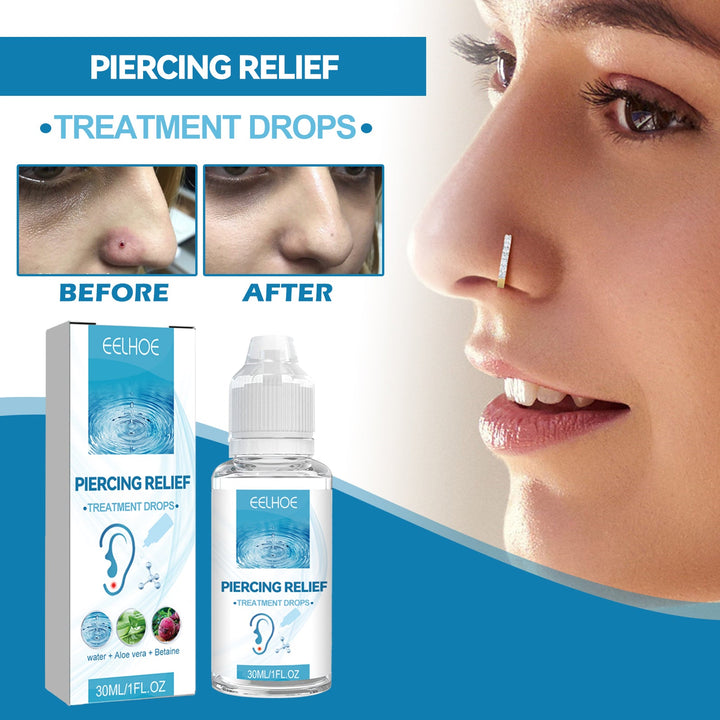
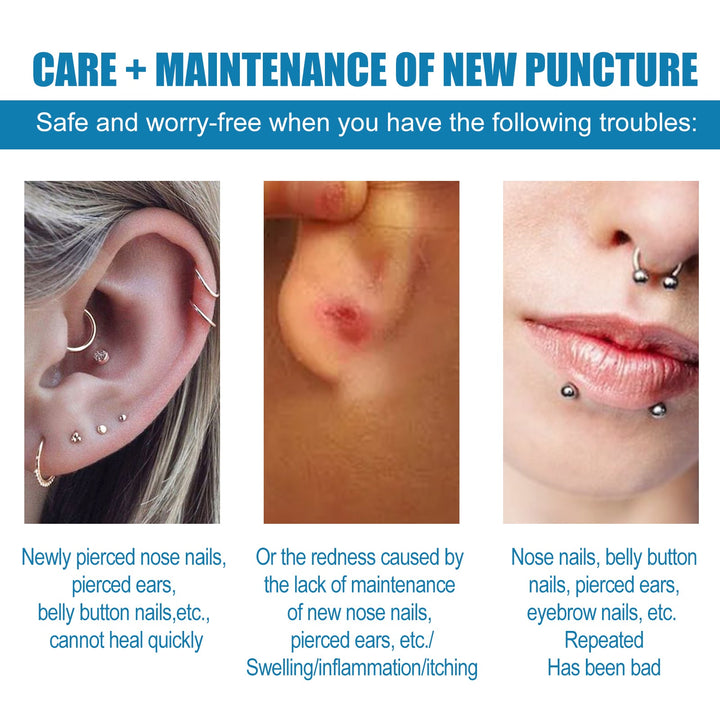

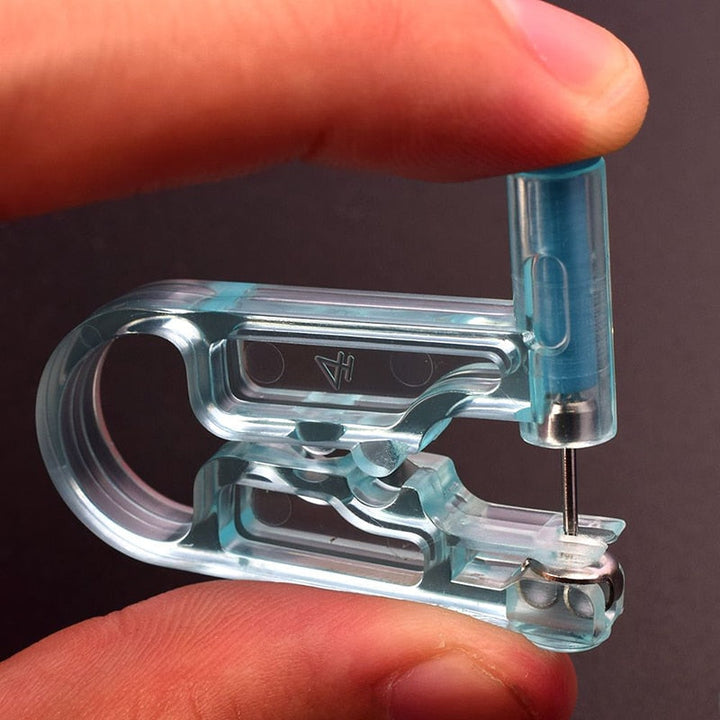
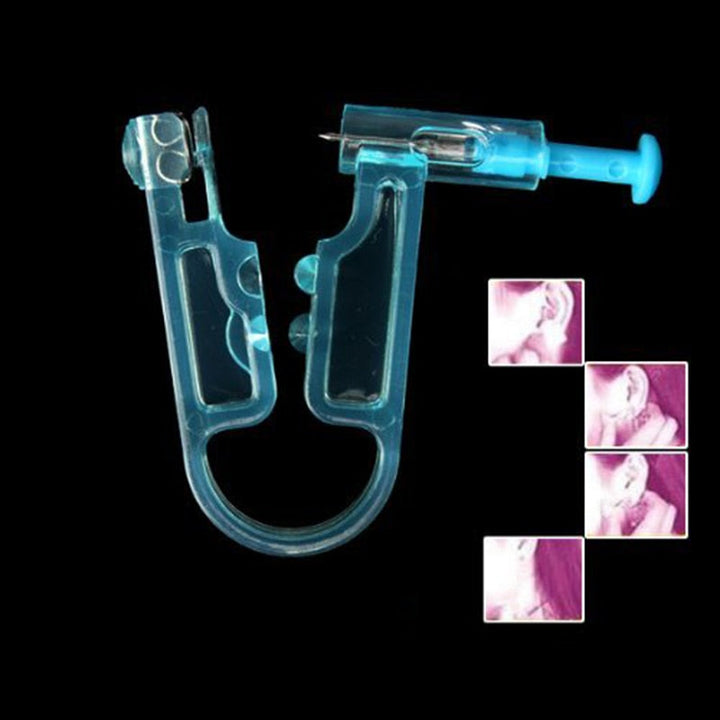

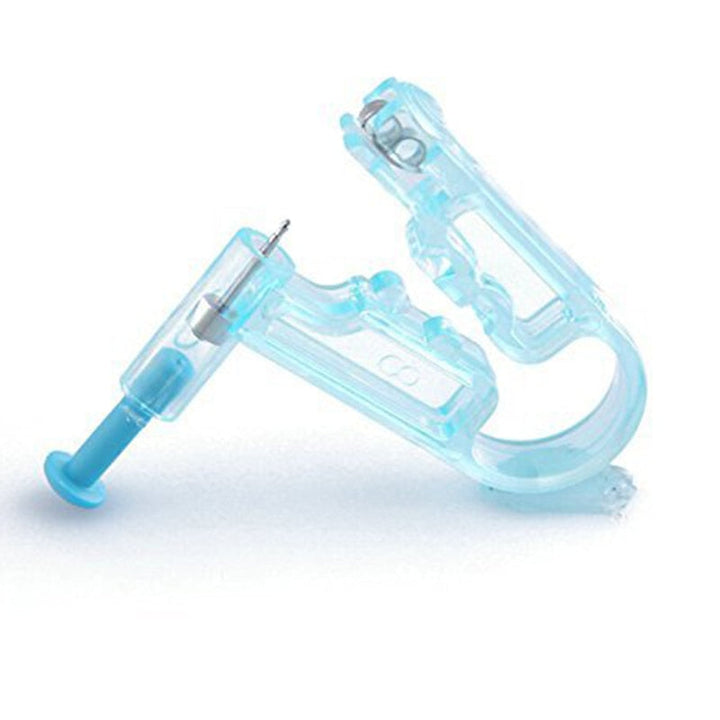

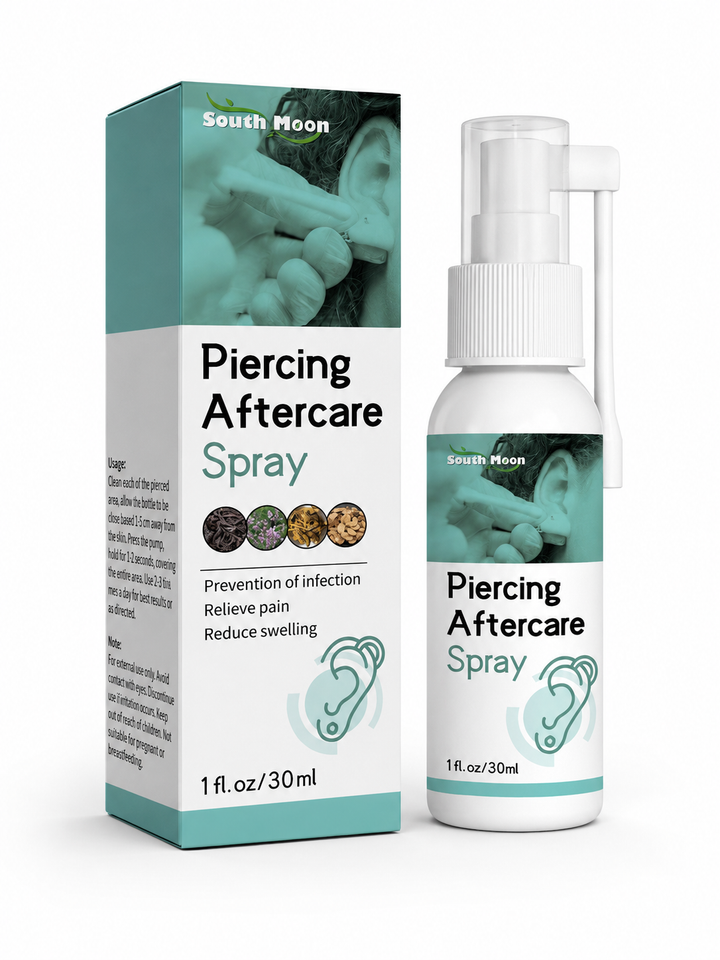

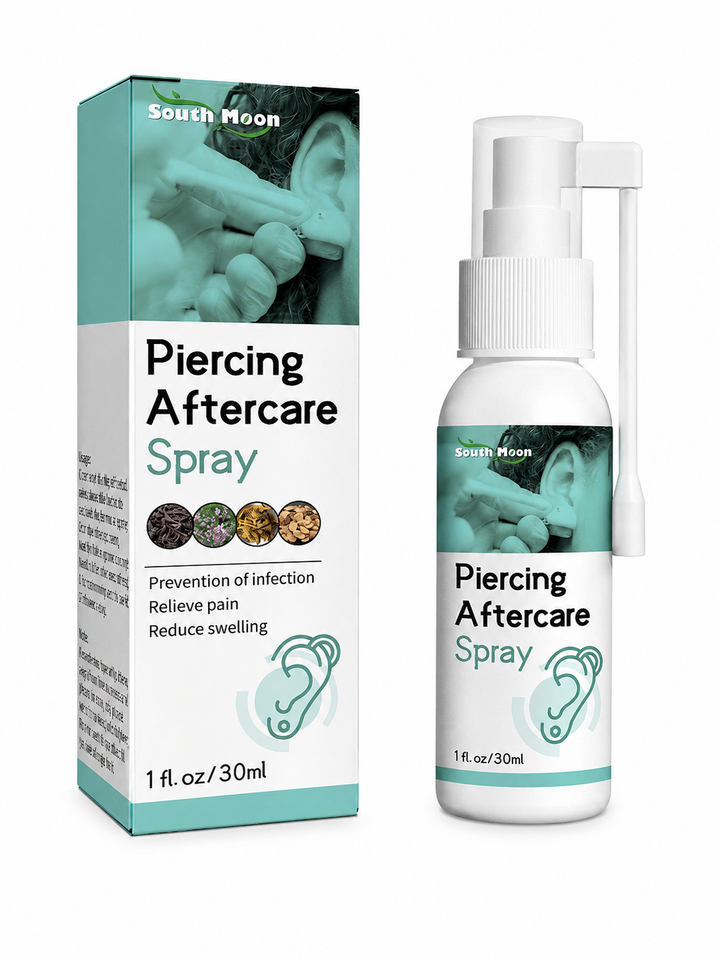
Piercing aftercare products help you keep a new ear, nose, or body piercing clean while it settles. This category includes aftercare drops, saline spray, and a disposable ear-piercing kit, so compare the product format, ingredients, and instructions before buying.
How to choose piercing aftercare for an ear or body piercing
Start by choosing the format that fits your routine. Piercing aftercare spray is convenient for hands-free application and larger areas, while aftercare drops can be useful when you want controlled application around a small piercing. Check the label for directions, intended use, ingredients, storage guidance, and whether the product is suitable for your piercing location. A simple saline-based formula may be preferable if you want to avoid unnecessary fragrance or cosmetic additives. For ear piercing aftercare, consider whether the bottle is easy to use around the front and back of the lobe or cartilage. If you are comparing piercing aftercare near me, piercing aftercare at Walmart, or online options, compare the full ingredient list and instructions rather than relying on the retailer or search result alone.
Piercing aftercare spray vs solution and drops: what is the difference?
Sprays apply a light layer over the piercing and nearby skin, making them practical for routine care and hard-to-reach areas. Solutions or drops allow more targeted application, which can suit a lobe, nostril, or other small piercing. Neither format removes the need for clean hands and gentle handling. Review the package directions because application frequency, contact time, and storage instructions can differ between products. A spray may be easier to pack for travel, while drops may help limit over-application. If you have been searching for piercing aftercare NeilMed alternatives, focus on the product’s saline or solution details and whether the formula matches your preferences. Do not assume that a product marketed for one piercing location is appropriate for every location.
What to look for in a piercing aftercare solution
Look for clear labeling, a complete ingredient list, an intact container, and instructions written for piercing aftercare rather than general skincare alone. A product with a fine, controlled spray can help you apply it without rubbing the area. For drops, a clean applicator and a cap that closes securely are useful everyday features. Avoid choosing only by claims such as “fast healing,” “painless,” or “prevent infection,” since results depend on the piercing, jewelry, routine, and individual skin. Check the expiry or use-by information and follow storage guidance. If your skin is sensitive, compare fragrance, alcohol, and other ingredients carefully. The disposable ear piercing gun is a separate purchase from aftercare products; review its instructions and consider professional piercing services where appropriate.
How to use piercing aftercare spray or drops
Wash your hands before touching the piercing or bottle. Follow the product label for the amount and frequency, then apply the spray or drops without twisting, rotating, or removing the jewelry unless a qualified professional tells you to do so. Let the area air-dry or gently pat around it with a clean, disposable material if the instructions allow. Showering does not usually require delaying the entire routine, but avoid directing forceful water at the piercing and dry it gently afterward. Keep bottles from contacting the piercing, sink, or other surfaces, and do not share them. For nose piercing aftercare, take extra care not to inhale or spray the product into your eyes or mouth. Stop and seek professional guidance if the area becomes increasingly painful or otherwise concerning.
What should you not do after a new piercing?
Do not pick crusting, scratch the area, or repeatedly check the jewelry with unwashed hands. Avoid harsh household products, fragranced cosmetics, unnecessary ointments, and improvised solutions unless a qualified professional specifically recommends them. Do not change jewelry early, sleep directly on a fresh ear piercing, or let headphones, helmets, hair, or clothing catch on it. Swimming and shared water can expose a healing piercing to avoidable contamination, so follow your piercer’s guidance about timing and protection. Use only the recommended amount of aftercare spray or solution; more product is not automatically better. Online discussions, including piercing aftercare Reddit threads, can provide ideas but are not a substitute for the package instructions or advice from your piercer. Keep the routine gentle and consistent.
Who is piercing aftercare spray or solution best suited for?
Saline spray and aftercare drops suit shoppers who want a simple product for routine care of a new ear, nose, or body piercing. Spray can be convenient for people who prefer quick, touch-free application, while drops may suit anyone who wants more precise coverage. They can also be useful for building a travel or home aftercare kit, provided the container is stored and used as directed. These products are not a replacement for a professional assessment, sterile piercing technique, or appropriate jewelry fitting. The disposable ear piercing gun is intended for shoppers considering an at-home ear-piercing option, but read all safety instructions carefully and check local requirements before use. If you have allergies, ongoing irritation, or a condition affecting your skin, ask a qualified healthcare professional which products are appropriate.
Frequently asked questions
What's the 3/2 piercing rule?
There is no single, universally accepted “3/2 piercing rule,” and people use the phrase to mean different aftercare or jewelry guidelines. Follow the instructions supplied with your product and the advice of your professional piercer rather than applying an unexplained schedule.
What should you not do after a piercing?
Do not touch it with unwashed hands, twist the jewelry, pick at crusting, or use harsh and fragranced products without guidance. Avoid unnecessary jewelry changes and reduce rubbing from clothing, hair, headphones, and bedding.
What helps an ear piercing heal faster?
A gentle, consistent routine can help you avoid unnecessary irritation: clean hands, label-directed saline aftercare, and minimal handling. Healing times vary by piercing location and person, so do not remove jewelry or change products simply to speed up the process.
Should I wait to shower after a piercing?
You generally do not need to avoid showering altogether, but keep water pressure gentle and avoid directing soap or fragranced products onto the piercing. Rinse away residue and dry the area carefully without rubbing.
What are the top 3 most painful piercings?
Pain is subjective and depends on anatomy, technique, jewelry, and personal sensitivity, so there is no reliable universal top three. A professional piercer can explain the expected experience and placement-specific considerations before you decide.
How do I sleep with new ear piercings?
Try sleeping on the opposite side and keep bedding clean to reduce pressure and friction. A travel pillow may help keep your ear in the open center, but avoid anything that catches the jewelry or presses tightly against it.