
$35.90
Free delivery · 7–14 days
Personal Lubricant Applicator for Clean, Easy Application
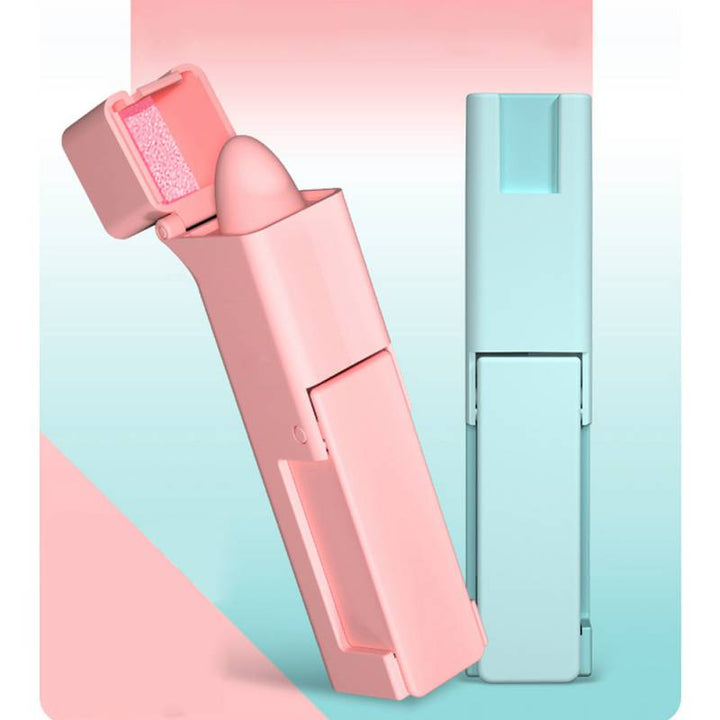


Personal hygiene products help support everyday cleanliness, comfort, and touch-free routines at home or in public spaces. This category includes intimate care creams and capsules, a personal lubricant applicator, and a hygiene door opener tool, so you can choose products that match your routine and preferences.
Start with the task you want to make easier: intimate care, lubricant application, or avoiding direct contact with shared surfaces. For external intimate care, look for a cream described as soothing and pH-balanced, and follow the label directions. If you use capsules, check the intended application method and storage guidance before buying. A personal lubricant applicator can help make application more controlled and less messy when used with a compatible lubricant. For public hygiene, a touch-free door opener tool is useful for handles, buttons, and other commonly touched points, where appropriate. Consider portability, ease of cleaning, single-use versus reusable design, and whether the product fits your existing routine.
The products in this category serve different personal hygiene needs. A feminine intimate care cream is designed for external use according to its instructions and can be part of a gentle cleansing and comfort routine. Intimate care capsules are a separate format, so review the product directions carefully and do not substitute them for products intended for external use. A personal lubricant applicator supports clean, easy application of compatible lubricant. A hygiene door opener tool is not an intimate product; it is a touch-free accessory for public doors and access points. Comparing formats helps you avoid buying based only on broad searches such as personal hygiene products or personal hygiene for women.
Read the product description for intended use, application instructions, ingredients, packaging, and storage requirements. For an intimate care cream, confirm whether it is intended for external use and choose a product with clear pH-balanced positioning if that is important to your routine. For capsules, check how they are applied, how often the label recommends use, and whether the format suits you. Avoid fragranced household soaps or unapproved products in intimate areas, since they may cause discomfort for some people. Stop using any product that causes irritation and seek professional advice for persistent or unusual symptoms. Good personal hygiene is not about using more products; it is about choosing suitable products and following directions.
Wash your hands before and after handling intimate care products or a lubricant applicator. Use only the amount and application method stated on the packaging, and keep products away from eyes unless the label specifically permits it. Do not share applicators or intimate products, and clean reusable tools exactly as directed. Store capsules, creams, and applicators in their recommended conditions, away from children and excessive heat. A hygiene door opener tool should be used as a contact-reduction accessory, not as a substitute for handwashing; wash or sanitize your hands after public outings when possible. If a product feels uncomfortable, stop and review the instructions before trying it again.
One common mistake is treating all hygiene products as interchangeable. An intimate cream, capsule, lubricant applicator, and door opener have different purposes and should not be used outside their instructions. Another is over-cleaning intimate areas with harsh soaps, scrubbing, or douching, which can increase discomfort. Do not apply a lubricant with an applicator unless the applicator and lubricant are compatible and intended for that use. Avoid sharing personal products, using items past their recommended period, or storing them in damp conditions. A touch-free tool also needs cleaning according to its material and design. Simple habits such as clean hands, gentle washing, dry storage, and reading labels are practical personal hygiene examples.
These products suit adults choosing practical additions to a personal hygiene routine, with the right product depending on the intended task. The feminine intimate care cream and intimate care capsules may appeal to shoppers seeking dedicated intimate-care formats, while the personal lubricant applicator suits anyone who wants a cleaner, more controlled application method for compatible lubricant. The hygiene door opener tool is useful for commuters, travelers, students, caregivers, and anyone seeking a touch-free option in shared spaces. They are not replacements for regular washing, clean underwear, hand hygiene, or professional care when symptoms persist. If you are pregnant, have sensitive skin, use medication, or have a specific concern, check the label and ask a qualified healthcare professional whether a product is suitable.
Seven commonly taught personal hygiene habits are washing the body, washing hands, brushing teeth, caring for hair, keeping nails clean and trimmed, wearing clean clothes, and using the toilet hygienically. Menstrual and intimate care can also be included in a broader routine. A personal hygiene chart or poster may present these habits as a simple daily checklist.
Five practical rules are to wash hands regularly, bathe or shower as needed, brush teeth, wear clean clothes and underwear, and keep nails, hair, and intimate areas clean with suitable products. Follow product instructions and avoid sharing personal-care items. These rules can provide a simple starting point for a personal hygiene project or classroom poster.
Seven broad types are personal hygiene, hand hygiene, oral hygiene, menstrual or intimate hygiene, food hygiene, environmental hygiene, and respiratory hygiene. The categories overlap, but each focuses on a different part of daily cleanliness and shared-space care. Products in this category mainly support personal, intimate, and touch-free hygiene routines.
Possible signs include noticeable body odor, visibly dirty skin or clothing, unwashed hair, untrimmed or dirty nails, persistent bad breath, and not washing hands after using the toilet. These signs can also have causes unrelated to routine hygiene, so they should not be used to judge someone’s health. Persistent skin, mouth, or intimate concerns are best discussed with a qualified professional.
Poor hygiene can increase the chance of spreading or developing some infections, but there is no single disease that applies in every situation. The risk depends on the behavior, exposure, environment, and individual health factors. Handwashing, safe food handling, oral care, clean clothing, and appropriate intimate care can help support everyday hygiene.
Going without showers may allow sweat, oil, dirt, and odor to build up, and some people may experience skin discomfort or irritation. The effect varies with activity, climate, skin type, and access to other washing methods. Regular gentle washing, clean clothing, and hand hygiene are useful, but avoid harsh scrubbing or over-washing sensitive areas.