Outdoor Sports Gear & Rugged Hiking Clothes for Winter Adventures
10 items



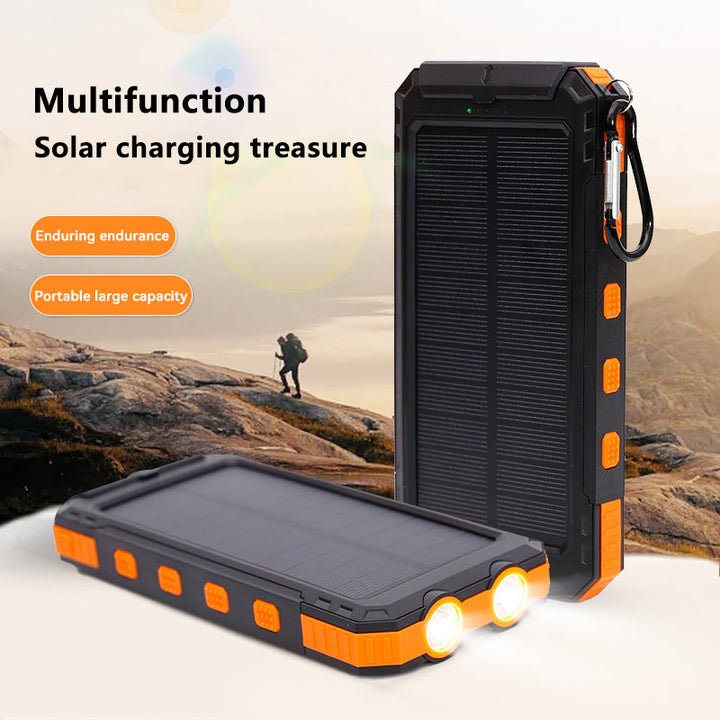
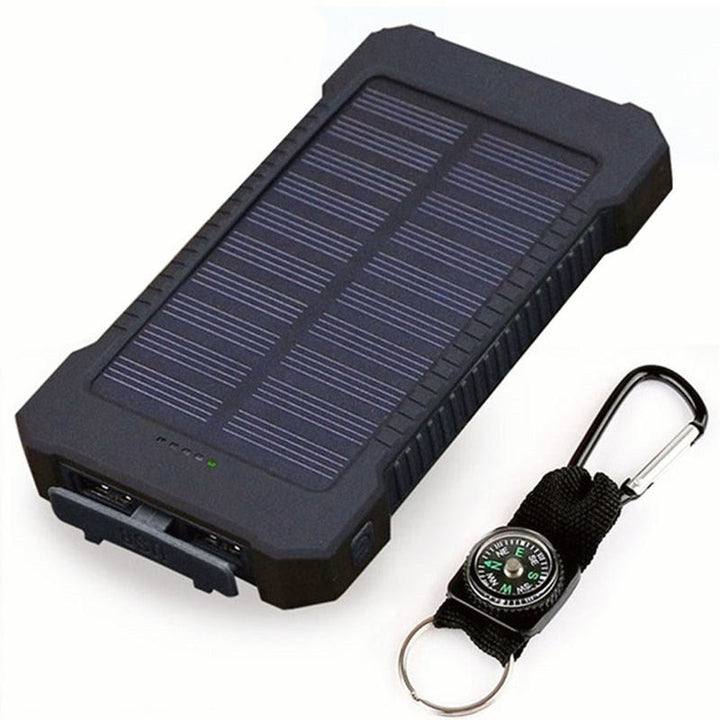


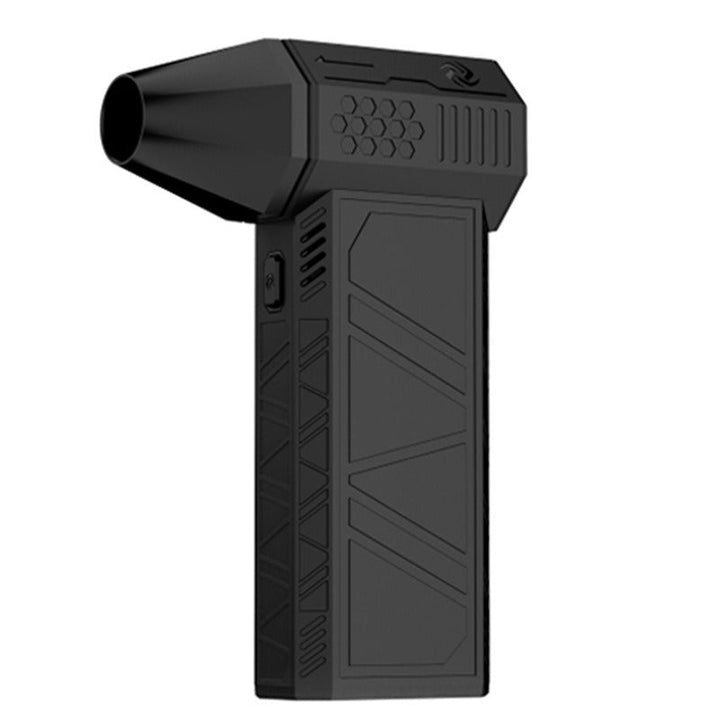


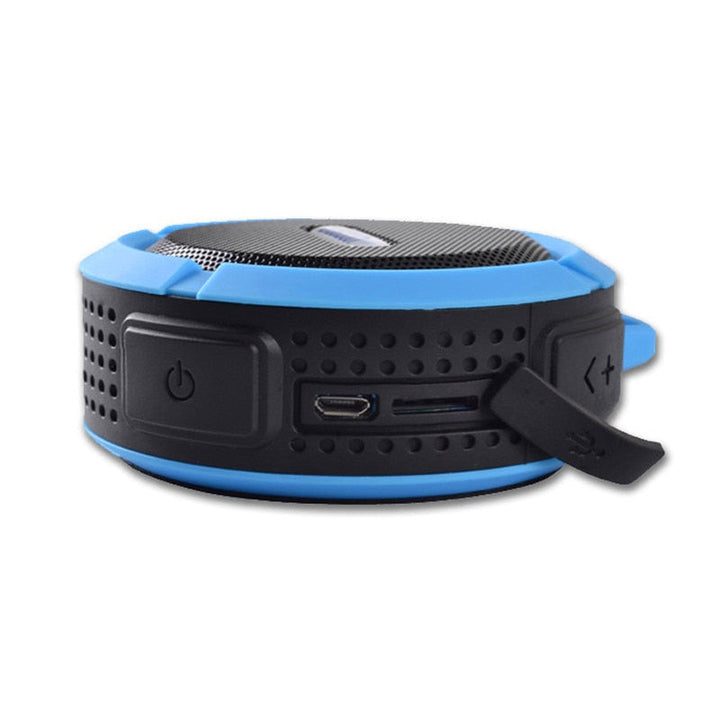













Prepare for cold-weather hikes with practical outdoor sports gear and rugged hiking clothes accessories. This category combines warmth, traction, power, lighting-free charging support, cooling options, and entertainment for changing trail conditions.
How to choose outdoor sports gear for winter hiking
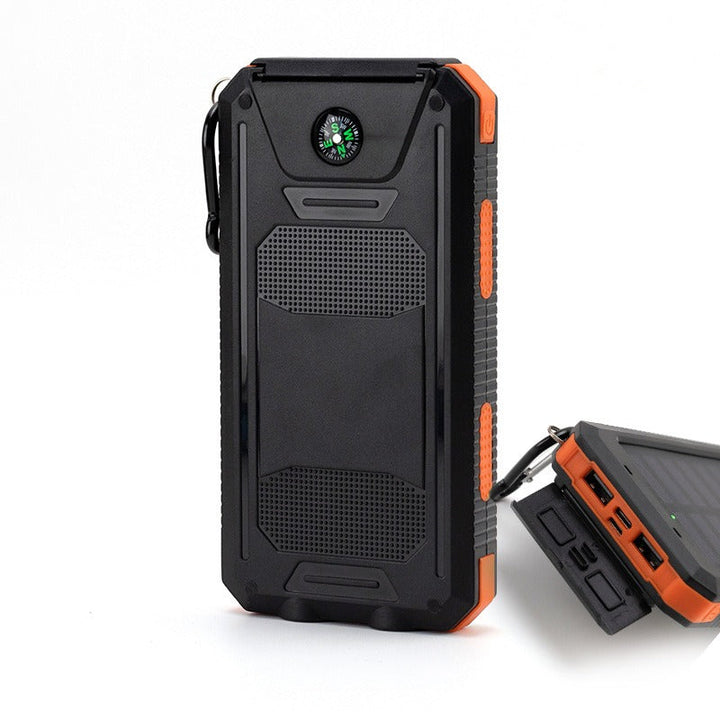
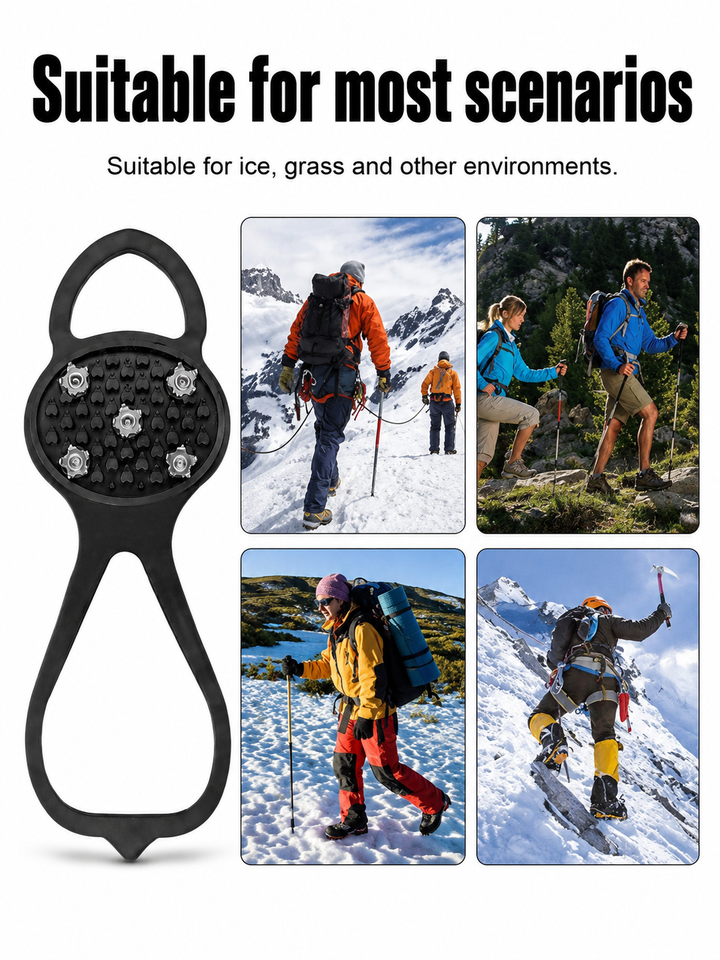
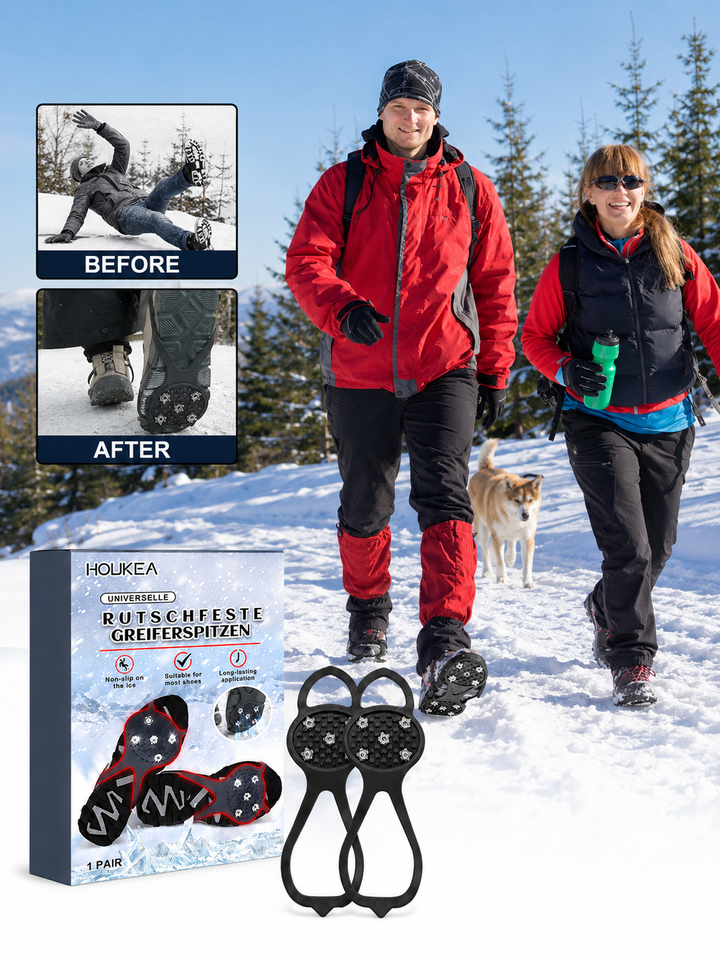
Start with the conditions you expect rather than choosing by appearance alone. For icy paths, Universal Ice Crampons with 10 Steel Spikes can add traction when worn over compatible footwear; check the fit before leaving home. For cold stops, the Magnetic 2-in-1 Hand Warmer provides portable warmth and can charge two devices through USB. A Waterproof Solar Power Bank 20000mAh with Compass or the separate Solar Power Bank 20000mAh can help keep phones and small electronics powered, but solar charging depends on available sunlight. If your route includes exposed areas, pack layers, gloves, a hat, and waterproof outerwear alongside your accessories. Consider weight, battery capacity, water resistance, attachment options, and how easily each item can be operated with gloves.
What are the best types of hiking clothes and gear?
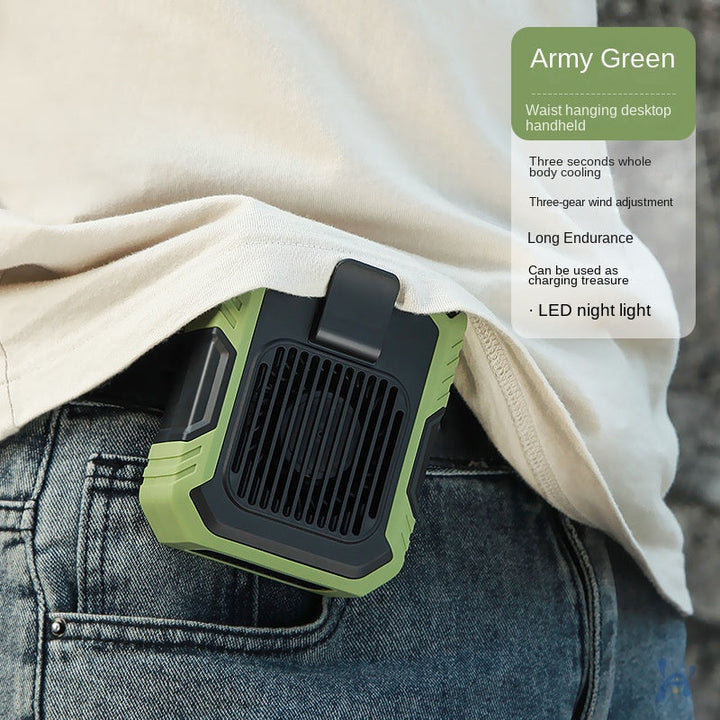
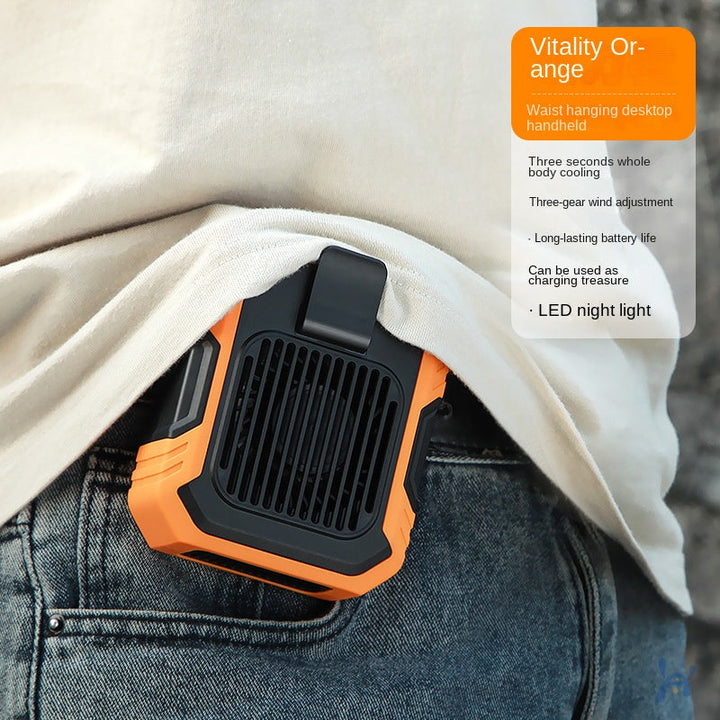
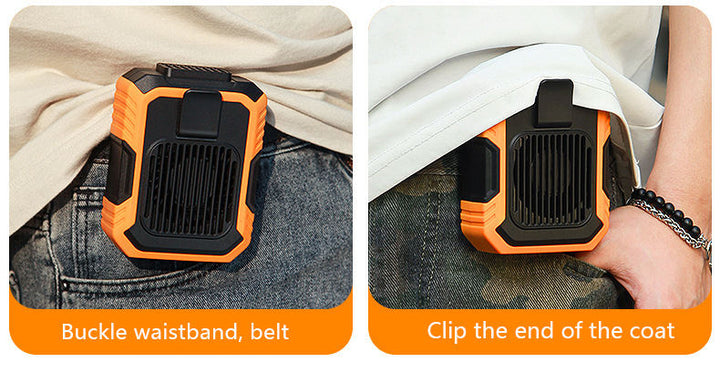
A useful hiking system usually includes a moisture-managing base layer, an insulating mid-layer, and a wind- or waterproof outer layer. Add durable trousers, warm socks, gloves, and footwear suited to the terrain. Accessories solve different trail problems: the Bladeless Waist Fan is designed for hands-free cooling during warmer sections, while the Turbo Handheld Fan — 52m/s Hurricane Wind Blower offers directed airflow when you want a handheld option. The Magnetic 2-in-1 Hand Warmer suits cold breaks and device charging. Universal Ice Crampons are for slippery winter surfaces, not ordinary dry trails. For longer outings, a power bank, phone, map, water, food, first-aid supplies, and emergency layer should take priority over optional extras.
What to look for in outdoor brands and hiking accessories
When comparing outdoor gear, focus on specifications that match your route. Look for clear battery-capacity information, charging ports, weather-resistant construction, secure closures, and controls that are easy to use outdoors. For the Portable Waterproof Bluetooth Speaker, check how it connects to your phone and whether its size fits your pack; keep sound low and remain considerate of other trail users. For power banks, compare capacity, cable compatibility, charging indicators, and whether a compass is useful for your needs. For crampons, examine spike coverage, stretch material, and footwear compatibility. Clothing should allow free movement and fit over your base layers. A reputable seller should provide care instructions, dimensions, operating details, and limitations rather than relying only on broad outdoor marketing language.
How to use winter hiking gear safely and comfortably
Test every item before a trip. Fit the crampons over your actual hiking boots, walk indoors or on a safe surface, and confirm they stay centered before using them on ice. Charge power banks and warmers before departure, pack the correct cables, and keep electronics protected from moisture even when a product is described as waterproof. Store a Bluetooth speaker at a volume that does not block awareness of approaching people, vehicles, or changing trail conditions. Use handheld or waist-mounted fans only where airflow is helpful, and avoid letting cords or straps interfere with walking. Layer clothing so you can adjust during climbs and rests. Follow each product’s instructions, especially for charging, cleaning, battery storage, and temperature limits.
What are common mistakes when buying hiking clothes and gear?
One common mistake is treating a single accessory as a substitute for proper clothing and preparation. A hand warmer cannot replace insulated gloves, and crampons cannot replace footwear with a suitable fit. Another mistake is buying based only on maximum power or capacity without checking size, weight, ports, charging time, or compatibility. Shoppers also overlook weather exposure: a power bank and speaker should still be placed inside a sensible pack setup, and wet clothing can make a cold stop uncomfortable. Do not rely on a solar power bank as your only charging plan when sunlight may be limited. Finally, avoid packing optional gadgets before the essentials. Use the 20% rule for backpacking as a planning prompt: leave room for unexpected items rather than filling every part of the pack.
Who is this winter outdoor gear suitable for?
This category suits day hikers, casual winter walkers, campers, commuters who spend time outdoors, and anyone building a practical trail kit. Ice crampons are most relevant to people walking on icy or compacted snowy surfaces, while the hand warmer is useful for cold pauses or travel between activities. Power banks suit hikers who use phones for navigation, photos, or communication and want a backup charging option. The waist fan and handheld fan are better for warm-weather hikes, layered trips, or active outdoor work than for deep-winter conditions. The speaker can suit campsites and relaxed outdoor gatherings, but it is not a replacement for navigation or emergency equipment. Match each product to your route, fitness, weather, footwear, and pack capacity.
Frequently asked questions
What are some good outdoor brands for hiking?
Choose outdoor brands and sellers that provide clear specifications, sizing or compatibility details, care instructions, and realistic product limitations. For hiking accessories, compare construction, battery details, water resistance, fit, and warranty or return information rather than choosing by logo alone.
What are the best types of athletic wear for hiking?
Layered athletic wear is usually practical: a comfortable base layer, an insulating layer for cold conditions, and a wind- or waterproof outer layer. Add durable trousers, hiking socks, gloves, and footwear suited to the surface, then adjust with accessories such as a hand warmer or crampons when conditions call for them.
What is the big 4 in hiking?
The hiking “big four” commonly refers to the four major backpack components: shelter, sleeping bag, sleeping pad, and backpack. Exact choices depend on the trip, season, and route. Items in this category, such as power banks, crampons, and hand warmers, are supporting accessories rather than replacements for those core items.
What are the 10 essential hiking items?
The traditional ten essentials include navigation, sun protection, insulation, illumination, first aid, fire-starting supplies, repair tools, nutrition, hydration, and emergency shelter. Adapt the list to the weather and route, and consider a charged phone or power bank as support for communication and navigation rather than as your only safety plan.
What clothes are best for hiking?
Wear moisture-managing layers that allow movement and can be adjusted as temperatures change. For winter, combine a base layer with insulation and a protective outer layer, plus warm socks, gloves, and a hat. Choose footwear for the terrain and add compatible ice crampons when icy surfaces require extra traction.
What is the 20% rule for backpacking?
The 20% rule is often used as a simple planning idea: avoid filling your backpack completely so you retain room for extra layers, water, food, or unexpected items. It is not a universal equipment standard, so use pack fit, load comfort, route length, and required safety equipment as the main guides.