Nail Extensions & Tips: Acrylic, French & Building Gels9 items
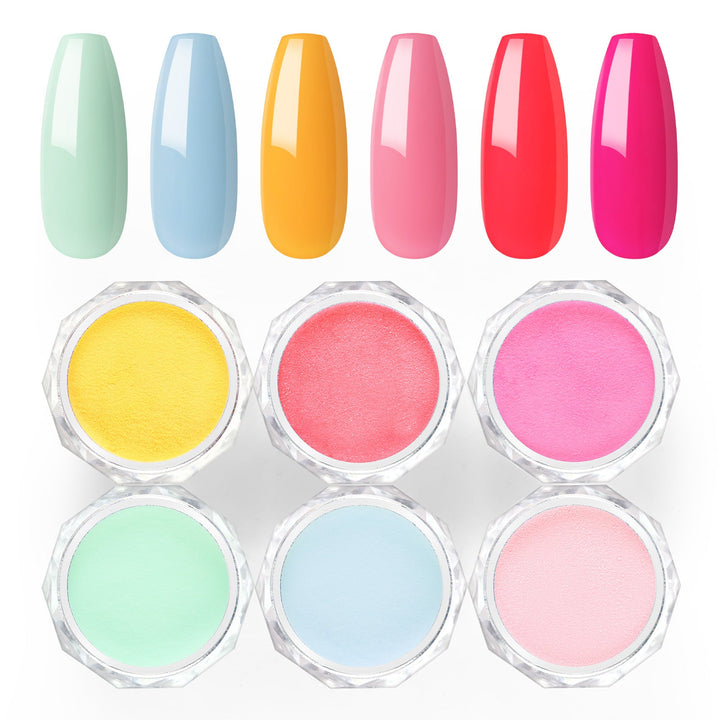
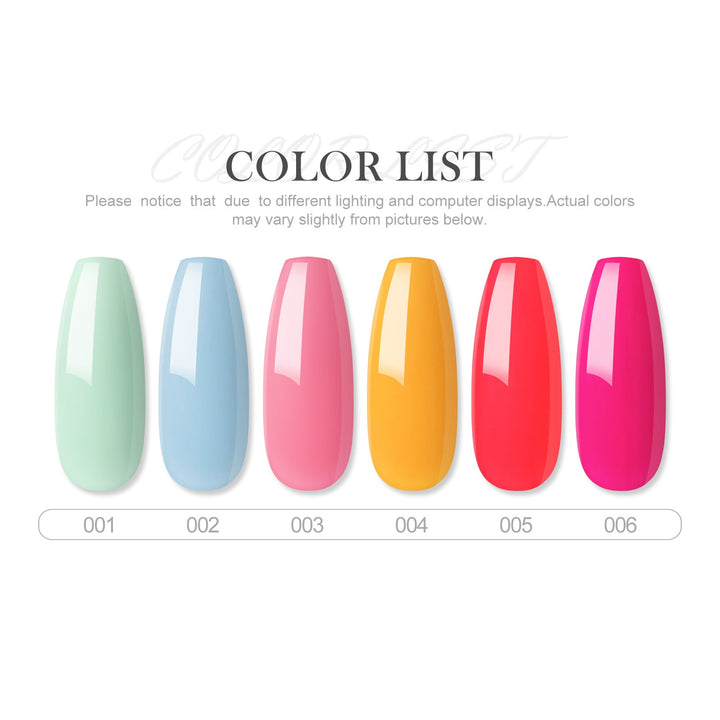
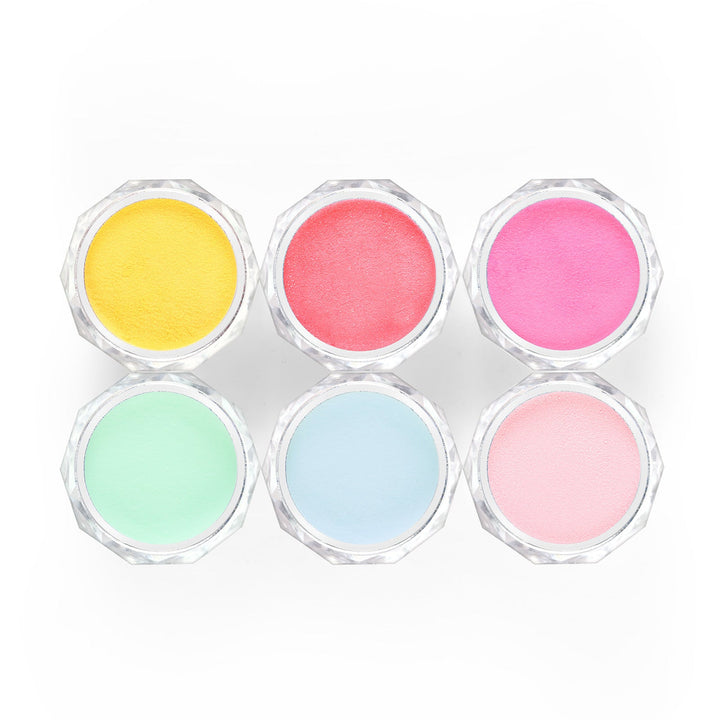
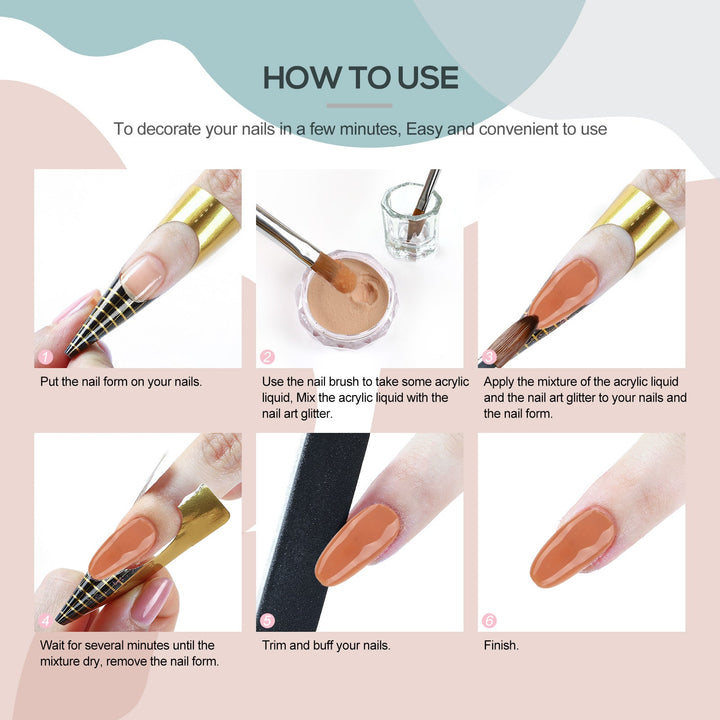

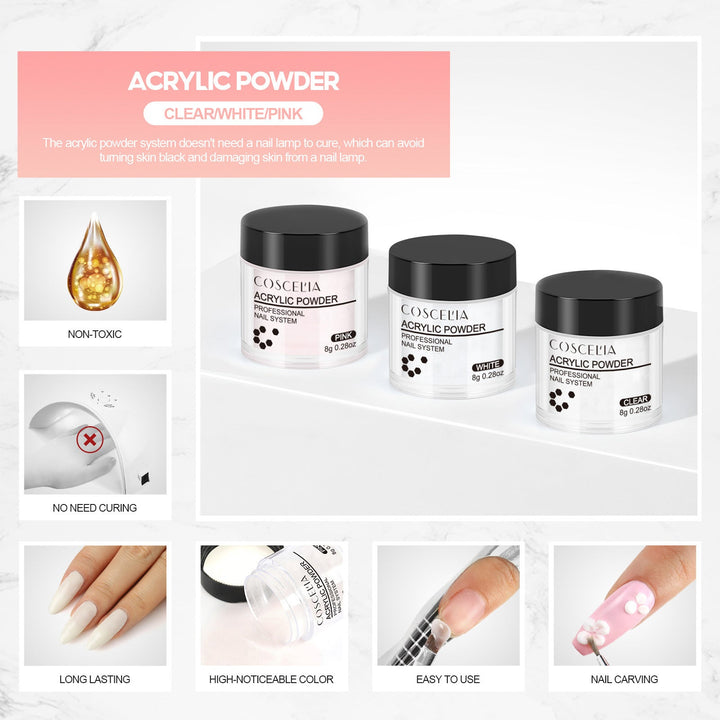
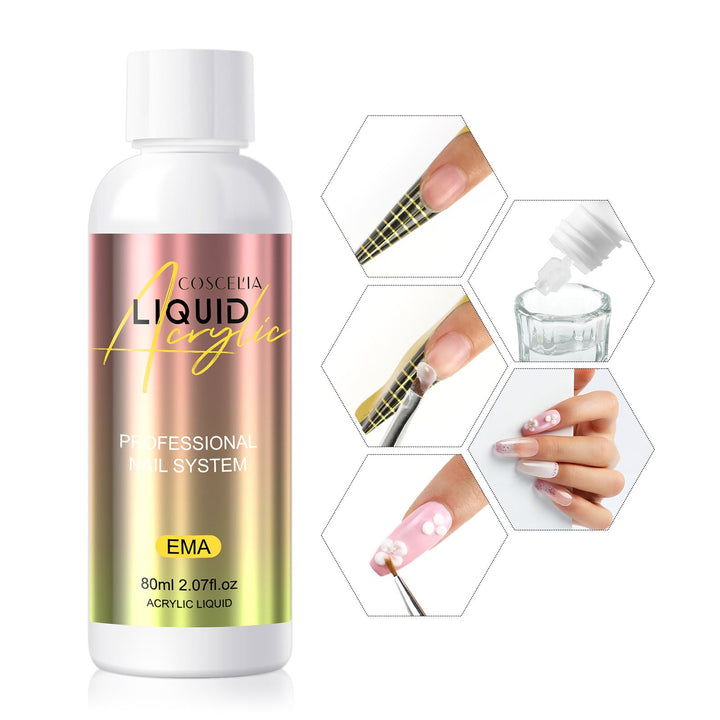
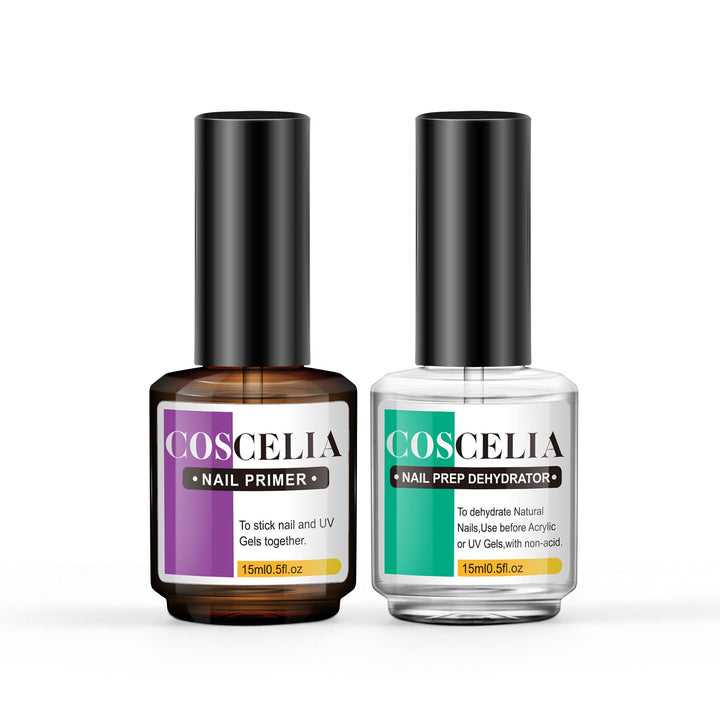
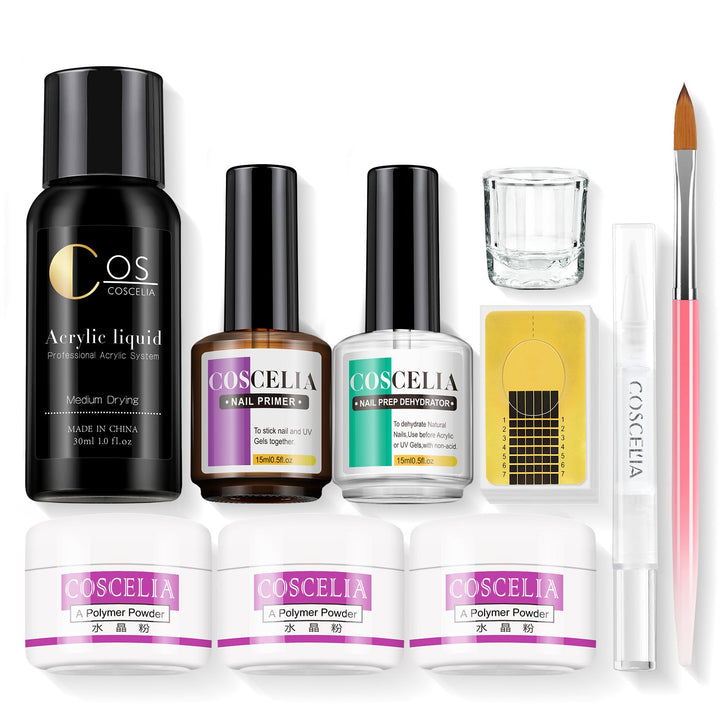
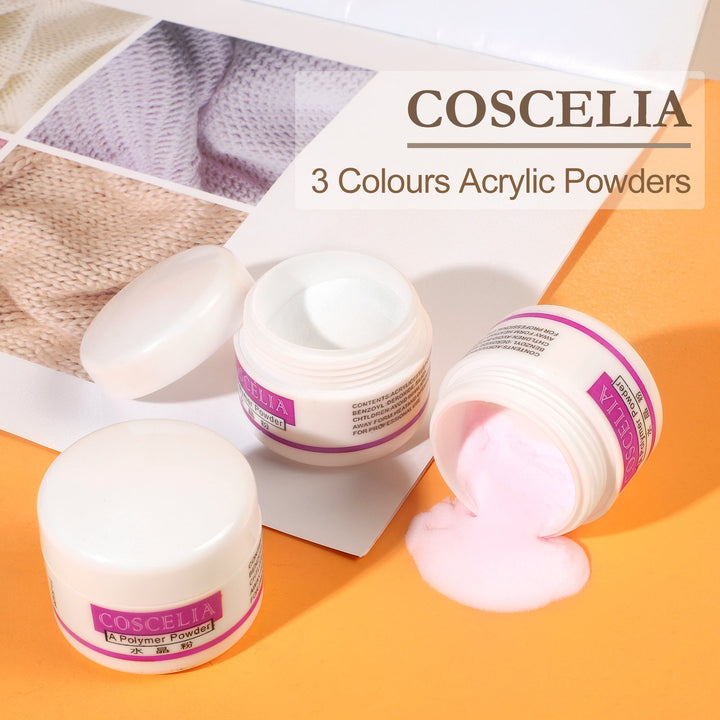
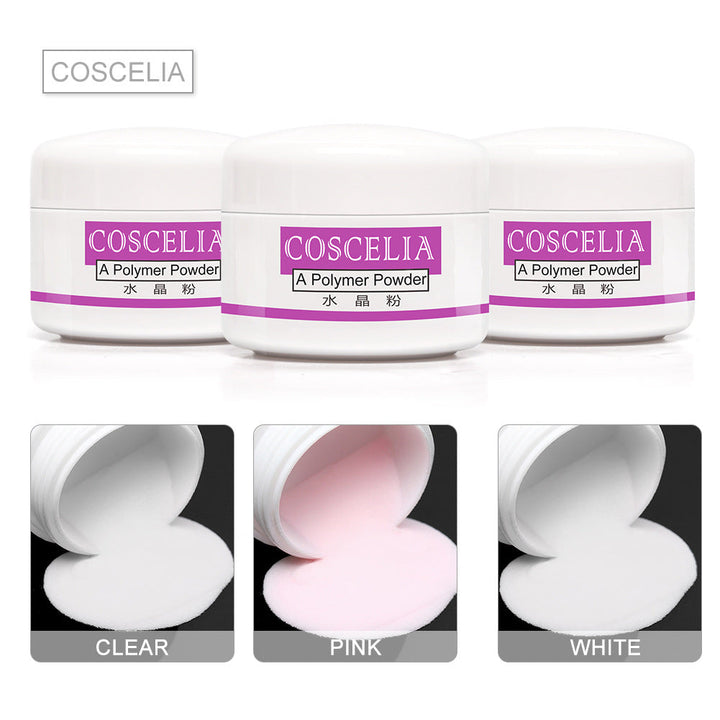
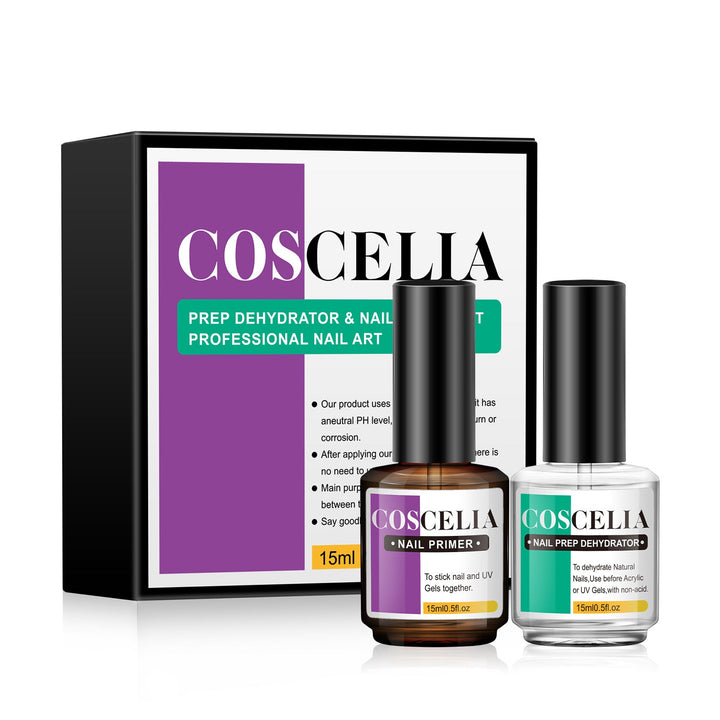

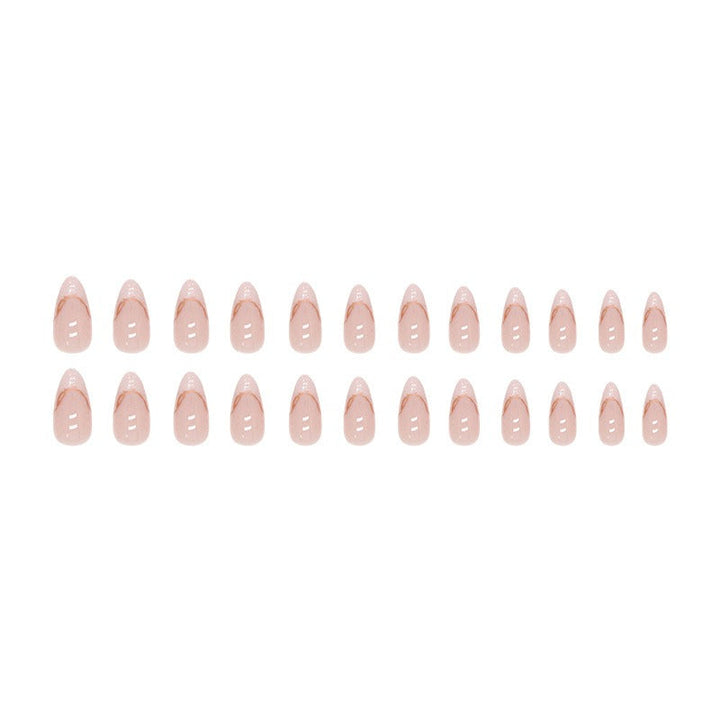
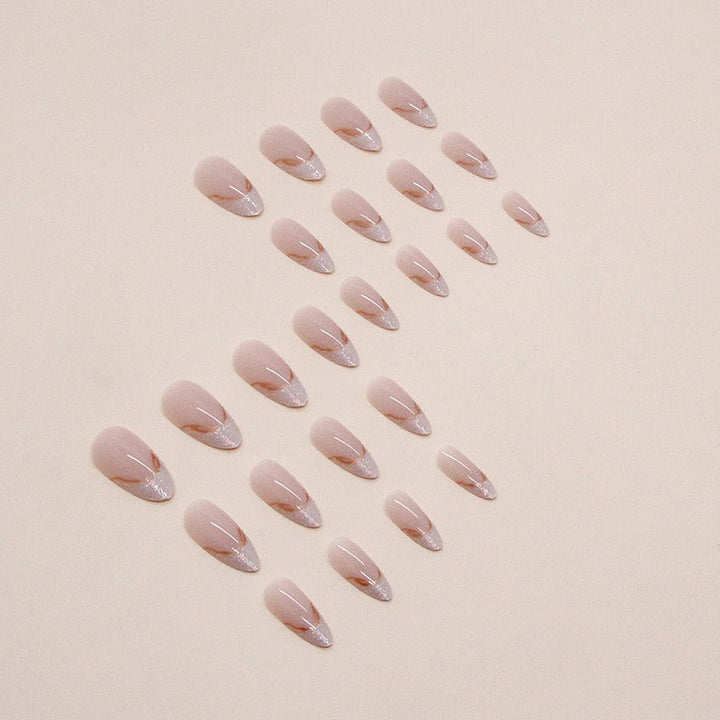
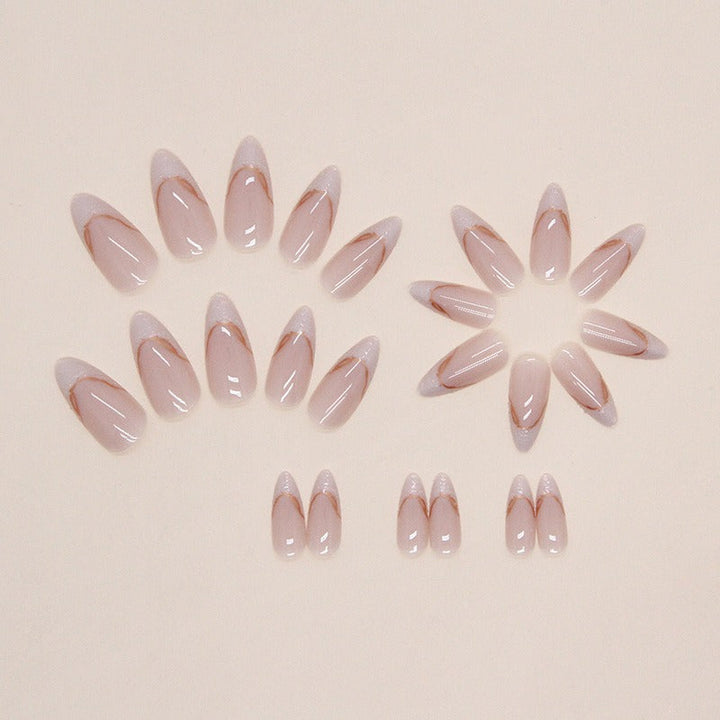

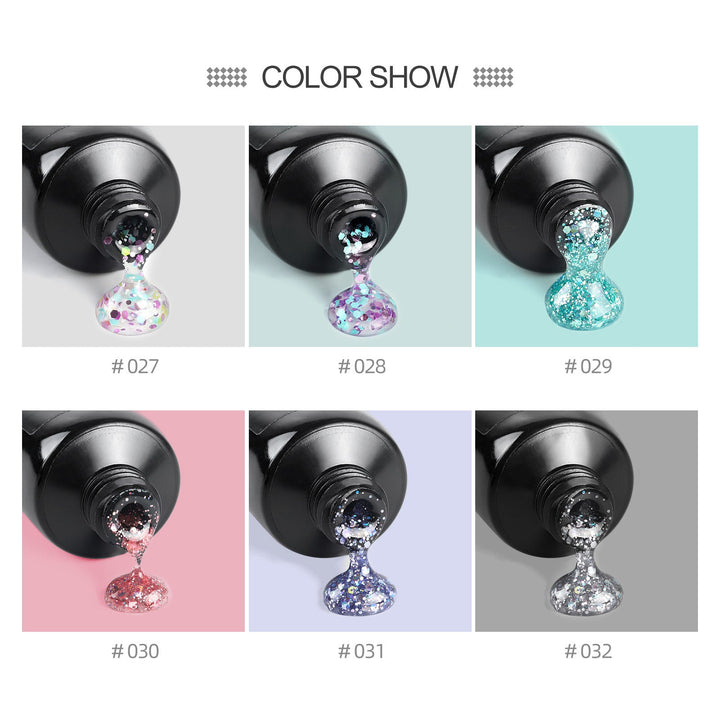
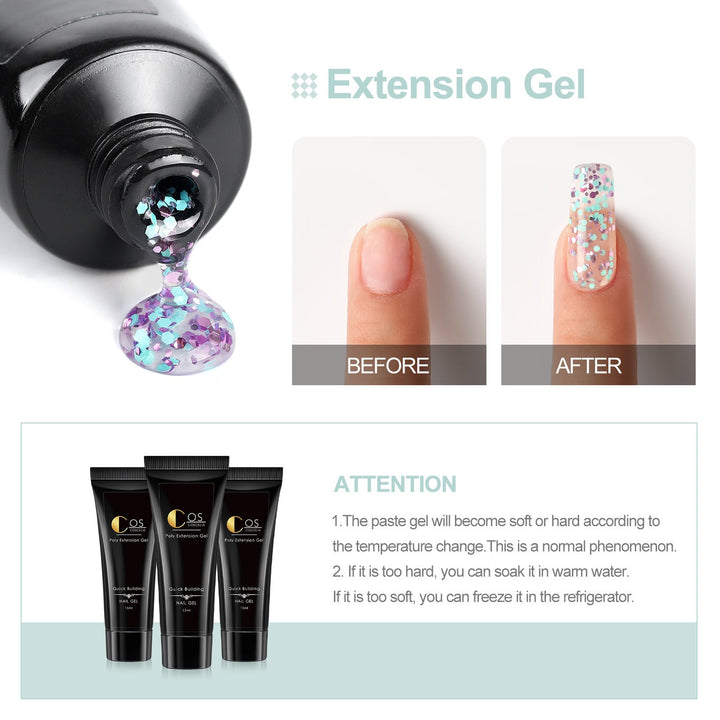
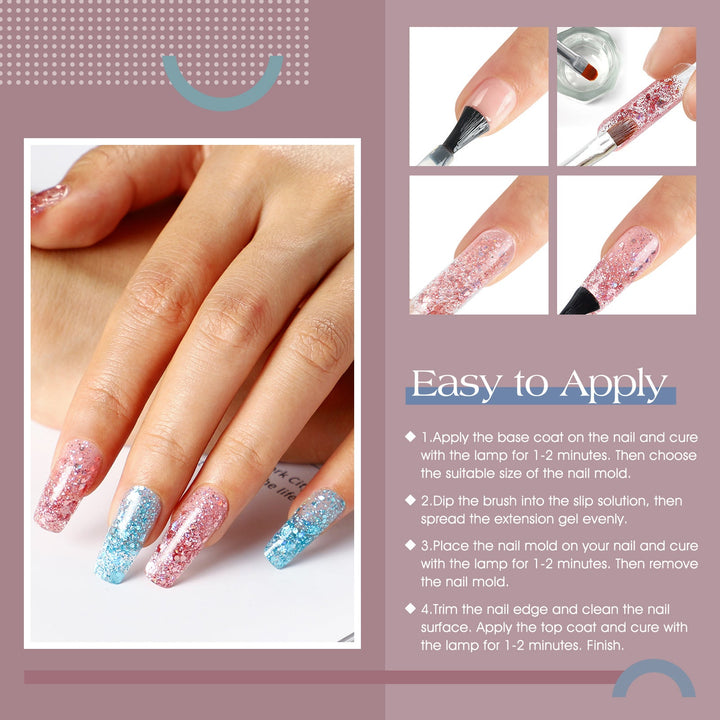

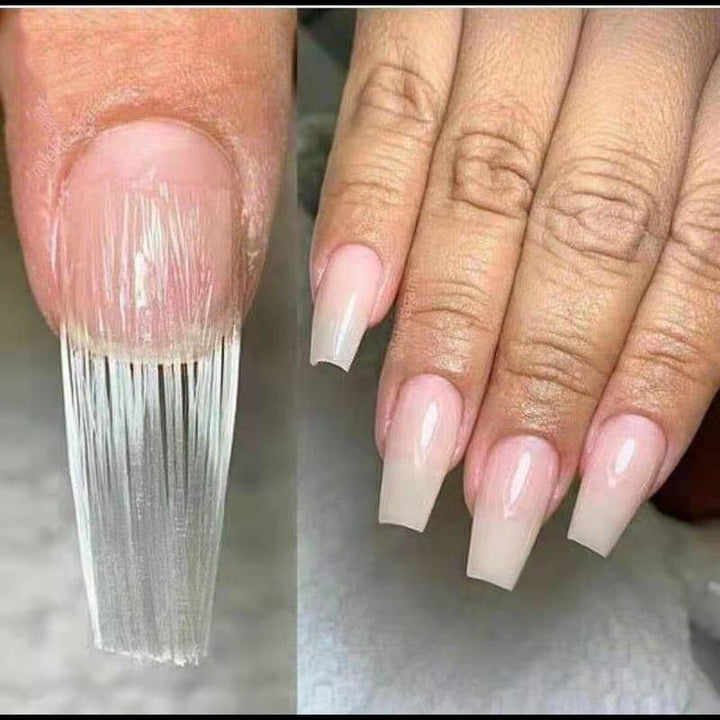
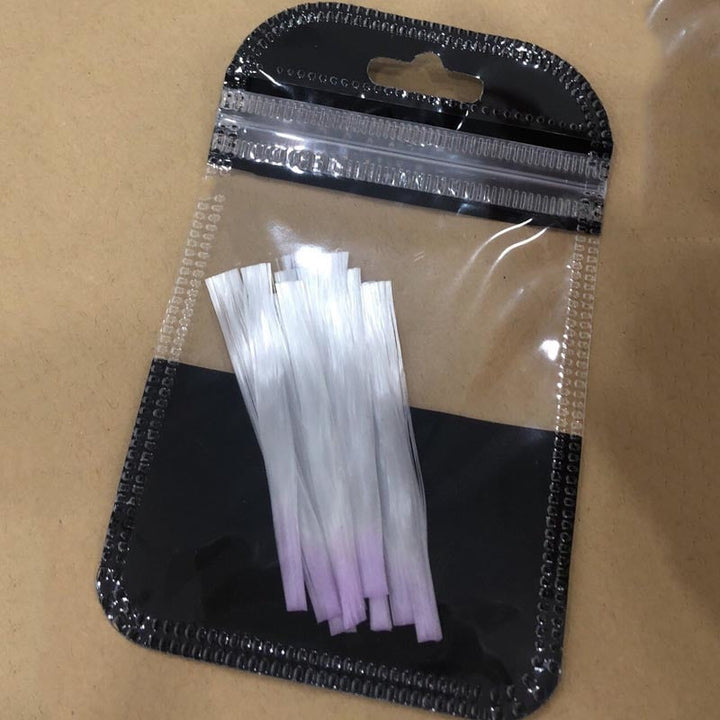
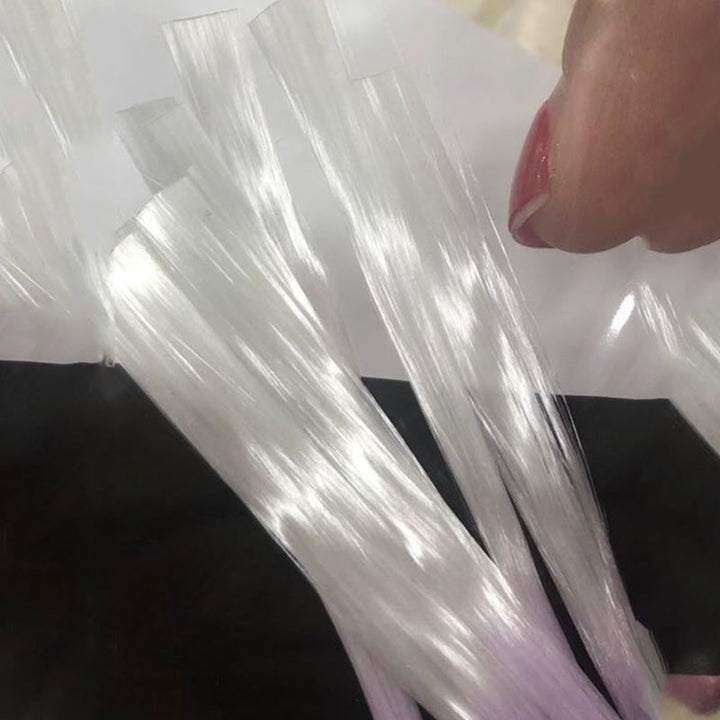

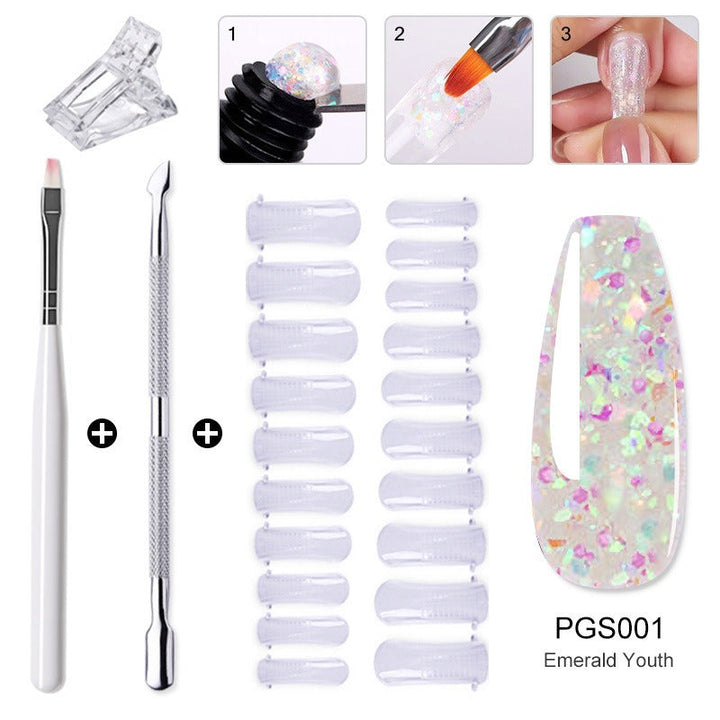
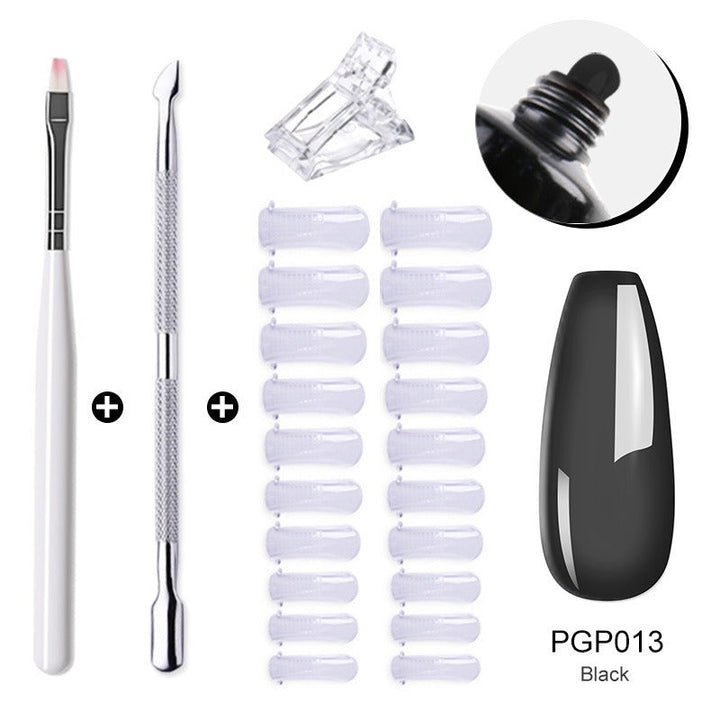
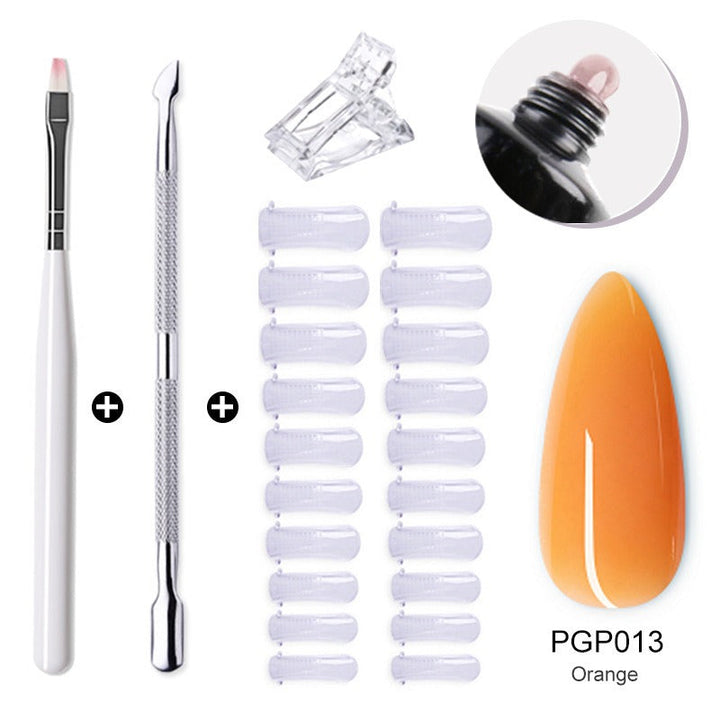

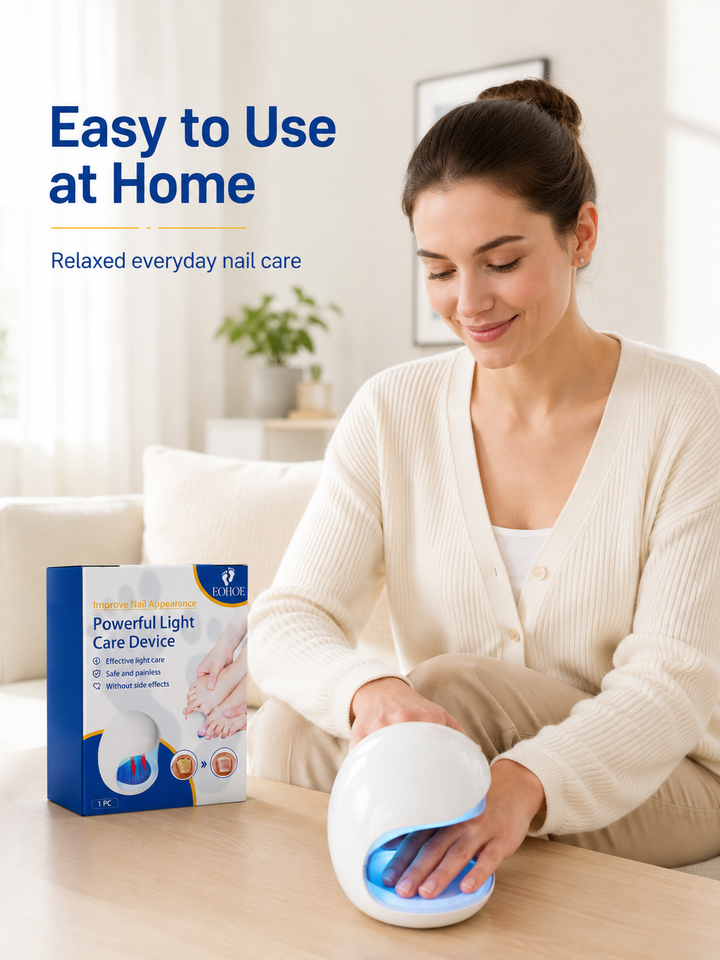
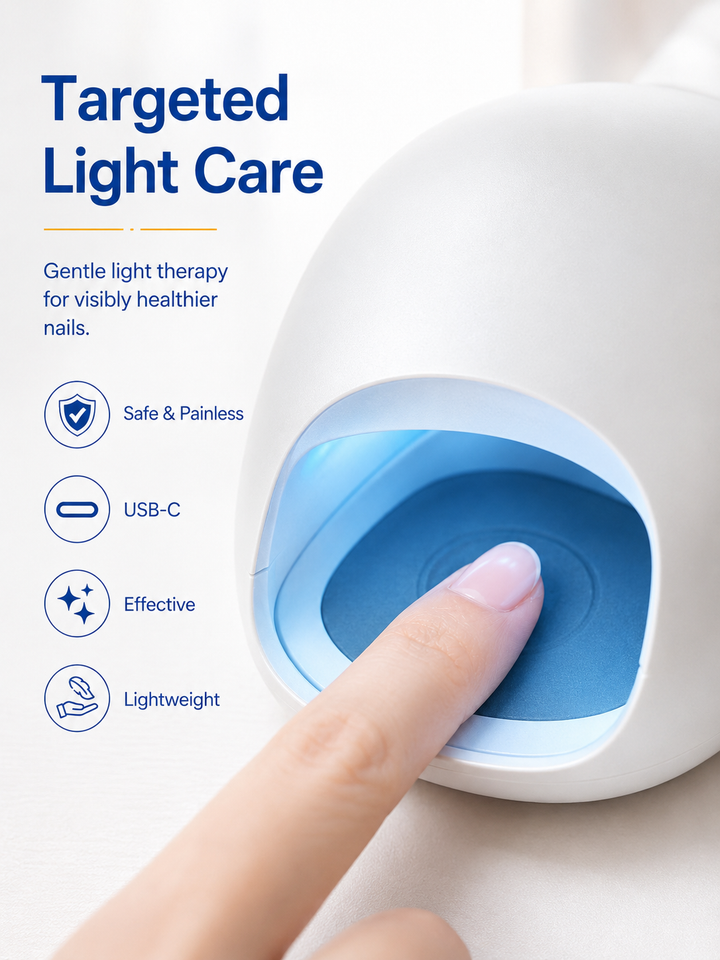
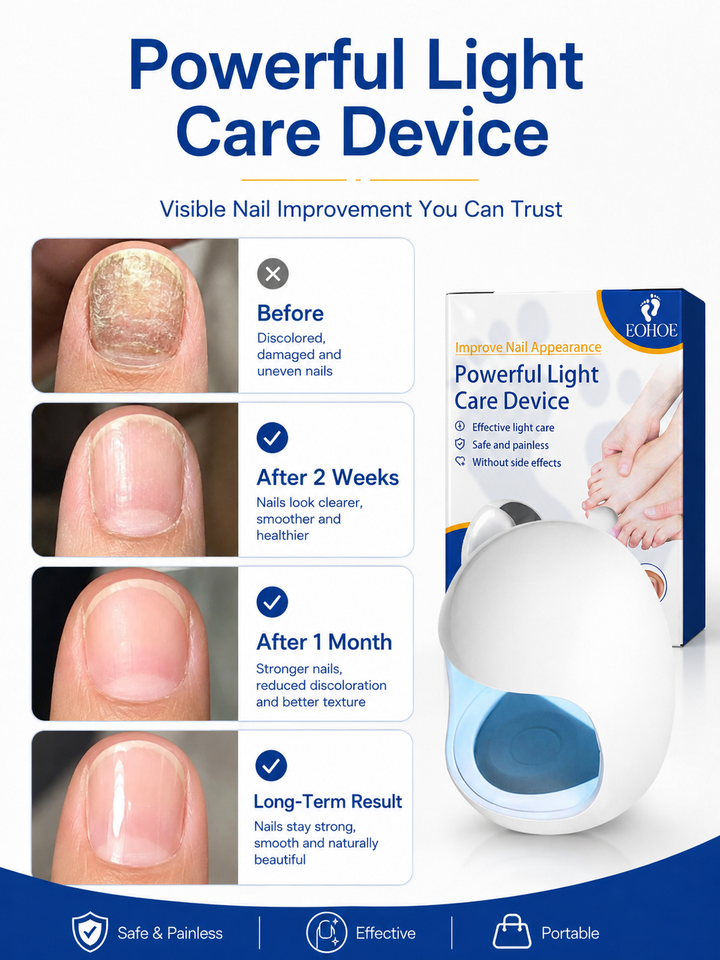
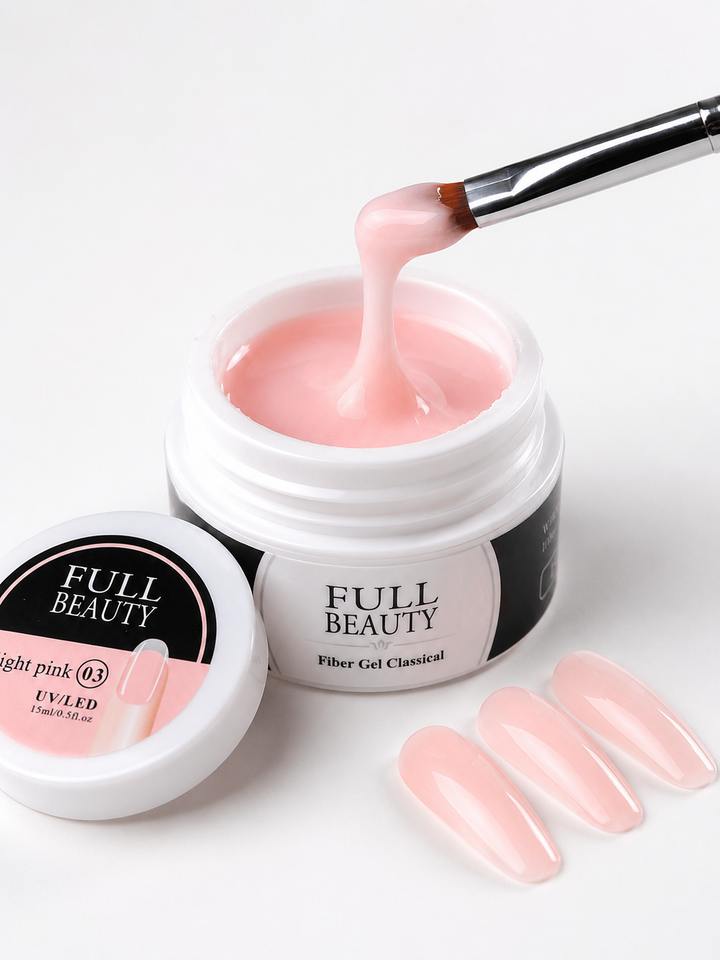
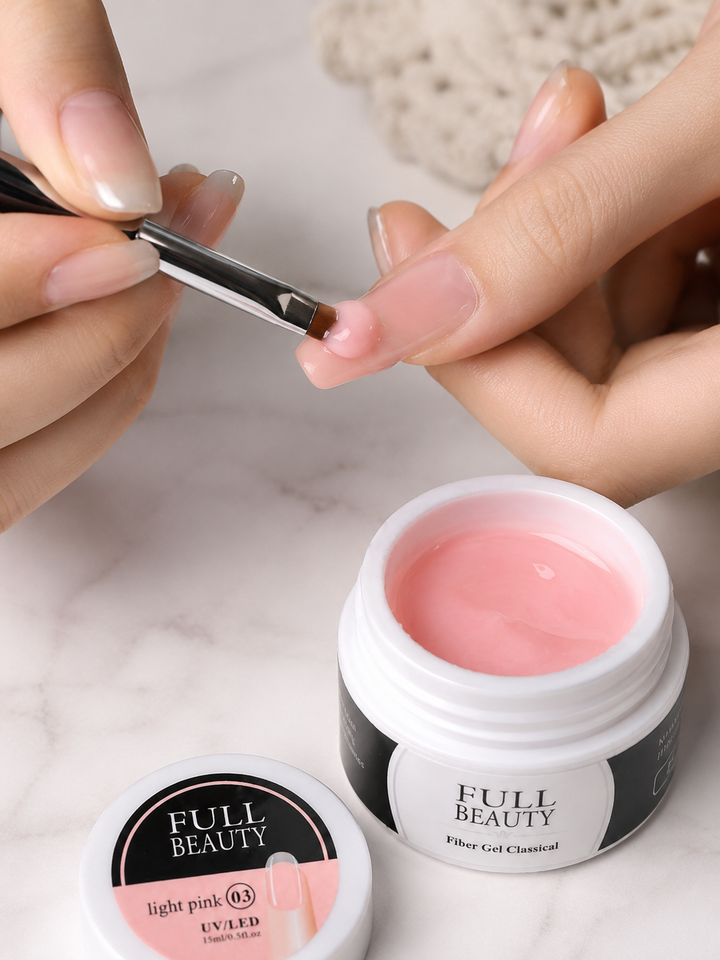
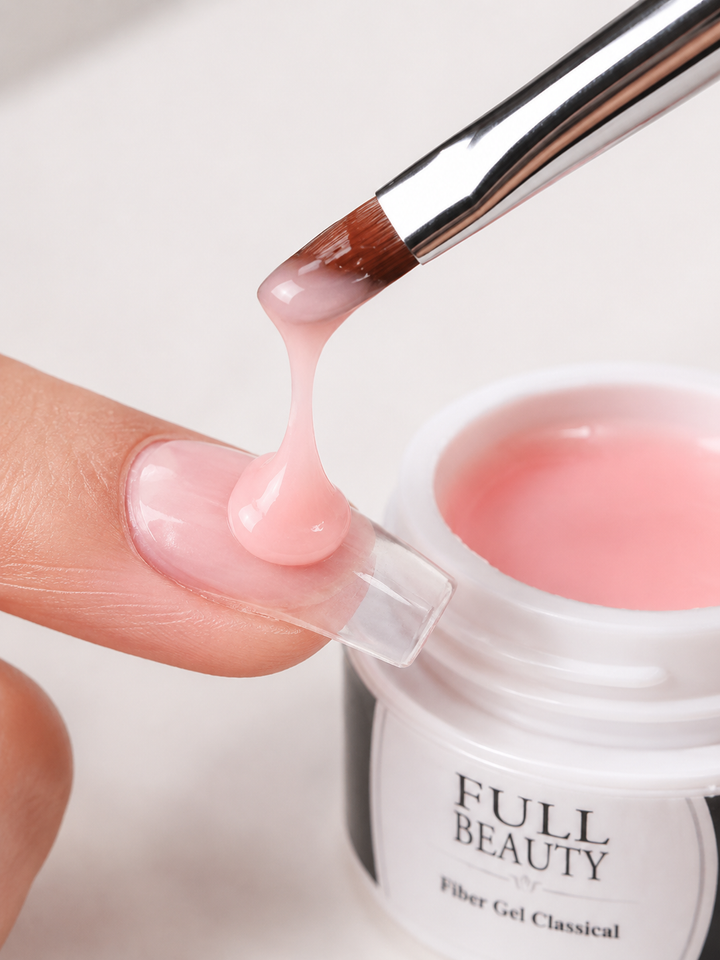
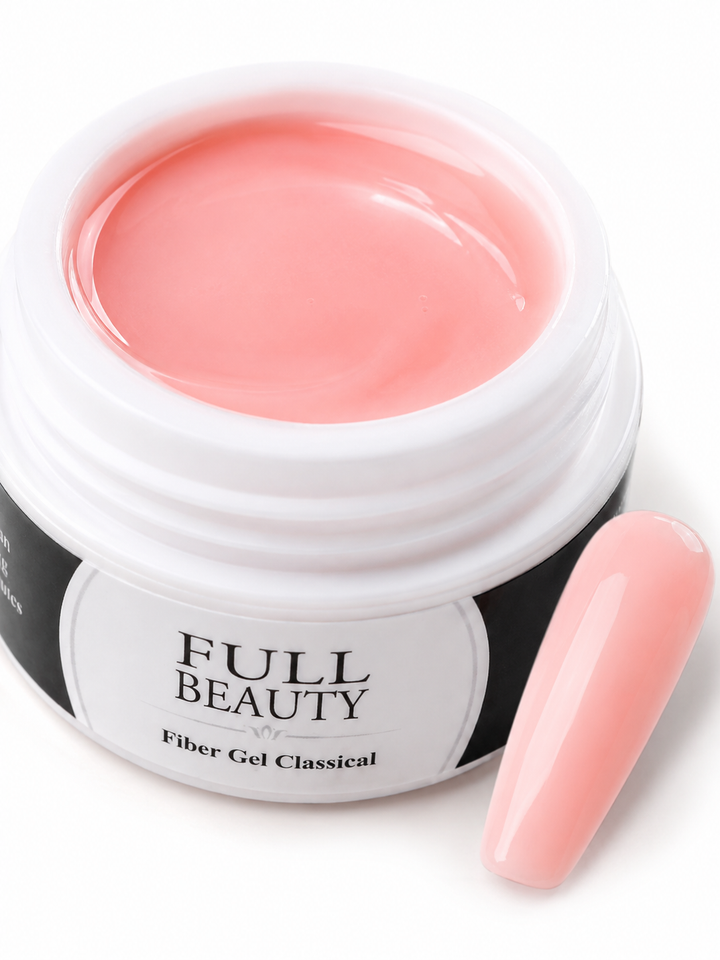
Shop nail extensions for salon-style length, added strength, and designs ranging from classic French tips to glitter gel finishes. This category includes acrylic powders and kits, gel extension systems, fiberglass strips, poly extension gel, press-on tips, and an LED nail light device for compatible curing routines.
How to choose nail extensions for your routine
Start with the finish, application method, and removal process you prefer. Acrylic nail extensions use liquid and powder systems and are a practical choice for sculpting or extending with tips. Gel nail extension kits combine tips or forms with gel that cures under a suitable LED or UV light. Poly extension glitter gel offers a thicker gel texture with decorative sparkle, while fiberglass nail extension strips can help create a lightweight overlay effect. For the quickest application, press-on almond French nails require no sculpting. If you are building a nail extensions kit, check whether it includes tips, adhesive or gel, tools, and a compatible lamp before buying.
What are the types of nail extensions compared?
Acrylic extensions are built from powder and liquid, then shaped after they set. They suit shoppers who want a traditional salon-extension method and a kit with powder shades. Gel extensions use curing gel and tips or forms; they are a good fit for shoppers who prefer a gel nail extensions routine and already have, or plan to buy, a compatible LED lamp. Poly extension gel offers a thicker consistency for shaping and can add glitter to the finished look. Fiberglass strips are narrow reinforcement materials that can be layered and covered with compatible products. Press-ons are pre-shaped and convenient, especially for short-term French or almond styles.
What to look for in a nail extensions kit
Compare what each kit actually contains rather than judging by the number of pieces alone. Acrylic kits may include powder shades, liquid, a brush, dappen dish, files, and nail tips; confirm that all required liquids are included. Gel systems should state whether tips, extension gel, base or top products, and a curing lamp are supplied. Check the lamp’s compatibility with the gel and follow its stated curing instructions. Look for multiple tip sizes and a shape that matches your natural nail, such as almond, square, or coffin. A press-on set should include enough sizes, plus adhesive or application materials. For nail extensions at home, clear instructions and removal guidance are especially useful.
How to apply nail extensions at home
Prepare clean, dry nails by gently pushing back the cuticle area and lightly smoothing the surface; avoid aggressive filing. Select tips that fit from sidewall to sidewall without forcing them. For acrylic systems, use the powder and liquid exactly as directed, then shape the enhancement after it sets. For gel tips or poly extension gel, apply the product evenly, keep it off the surrounding skin, and cure it using the specified lamp and timing. Fiberglass strips should be positioned neatly before applying compatible overlay product. Press-ons need careful alignment and firm, even pressure. Work in a ventilated area and stop if the product causes discomfort or irritation.
What are the common nail extension mistakes?
A frequent mistake is choosing tips that are too narrow, which can create pressure and lifting. Applying product onto the surrounding skin may affect wear and can make removal more difficult, so keep the edges clean. Do not skip surface preparation, but avoid thinning or harshly scraping the natural nail. With gel nail extensions, under-curing can result from using an incompatible lamp, applying layers that are too thick, or ignoring the product instructions. Acrylic users should measure the powder and liquid consistently instead of guessing. Never peel or force off extensions; follow the product’s removal directions. Store powders, gels, and liquids as directed and replace products that have changed texture or smell.
Who do nail extensions suit best?
Nail extensions suit shoppers who want temporary length, a shaped canvas for nail art, or a polished French finish without waiting for natural nails to grow. Choose press-on tips for occasional events and fast changes, acrylic kits for a traditional sculpting setup, or gel and poly gel systems if you prefer curing-based application. Fiberglass strips can suit shoppers looking for a more subtle reinforcement approach. Home application requires patience, steady hands, suitable ventilation, and time for careful preparation and removal. If you are comparing nail extensions vs acrylic, remember that acrylic is one type of extension; gel, poly gel, fiberglass, and press-ons are other approaches with different tools and techniques.
Frequently asked questions
How long do nail extensions last?
Wear time varies with the product, application quality, nail growth, daily activities, and maintenance. Press-ons are generally chosen for shorter-term wear, while professionally or carefully applied acrylic and gel enhancements can be maintained for longer. Follow the specific product instructions and replace or remove extensions when they lift, crack, or become uncomfortable.
Are nail extensions better than acrylics?
Acrylic is itself a type of nail extension, so the comparison usually means acrylic versus gel, poly gel, fiberglass, or press-ons. Acrylic may suit shoppers who like powder-and-liquid sculpting, while gel systems require compatible curing equipment and press-ons prioritize convenience. The better option depends on your preferred finish, application method, budget, and removal routine.
What are the types of nail extensions?
Common options include acrylic powder-and-liquid enhancements, gel tips or forms, poly extension gel, fiberglass strips with an overlay, and pre-shaped press-on tips. Acrylic and gel systems are shaped or cured during application, while press-ons are pre-made for faster use. Each type requires different products, tools, and removal steps.
What is the healthiest extension for nails?
There is no single extension type that is healthiest for everyone. Nail condition depends heavily on gentle preparation, correct application, avoiding product on the surrounding skin, proper curing where required, and careful removal without peeling or scraping. If your nails or surrounding skin are sensitive or damaged, consider waiting and seeking professional advice before applying extensions.
What are the downsides of getting nail extensions?
Possible drawbacks include application time, maintenance, cost, lifting, breakage, and the need for careful removal. Home kits also require practice and the correct lamp or liquids for the chosen system. Extensions can be inconvenient if you regularly work with your hands, and improper preparation or removal may leave nails feeling thin or rough.
What are the most natural looking nail extensions?
Short, well-fitted tips in a natural or sheer shade usually create the most subtle appearance. Almond or softly rounded shapes can look understated when the tip matches the nail width and the product is applied in a thin, even layer. Fiberglass overlays, short gel tips, and neutral French press-ons are useful options for a polished, natural-style finish.