
$64.90
Free delivery · 7–14 days
Multi-Surface Foam Cleaner for Kitchen and Bathroom Grime


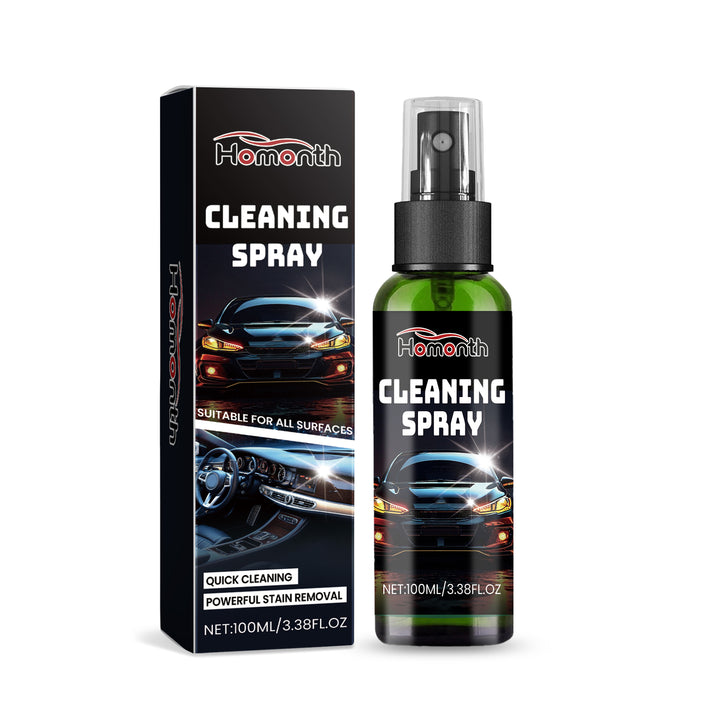


Multi-surface cleaners help tackle everyday dirt across compatible areas such as countertops, sealed floors, tile, appliances, and washable surfaces. Choose a spray, concentrate, tablet, cream, floor cleaner, or specialty formula based on the mess, surface, and cleaning routine you need.
Start with the surfaces you clean most often and the type of mess you need to remove. A multi-purpose cleaner spray is convenient for counters, tables, appliances, and other washable surfaces, while a dedicated floor formula is better suited to stubborn dirt and stains on sealed floors. For kitchen grease and odors, choose a degreasing or odor-focused spray. Cleaning tablets and concentrates can reduce packaging and let you prepare the amount needed for your routine. Check the product label for compatible materials, dilution instructions, contact time, and whether rinsing is required. If you need targeted cleaning beyond household surfaces, consider the car interior foam cleaner or ceramic glue separately rather than treating every product as a general cleaner.
Multi-surface cleaner spray is ready to use and practical for quick daily wipe-downs. Disinfecting cleaner spray is designed for cleaning and disinfecting only when used exactly as directed on the label. A floor cleaner focuses on tracked-in dirt, marks, and stains across compatible sealed flooring. Cream cleaners provide a thicker texture for areas where extra wiping action is useful, while concentrates and cleaning tablets are diluted before use. Fast-drying sprays can suit busy kitchens, bathrooms, and work areas where you want less residual moisture. A multi-surface cleaner machine is different: it is equipment that applies or extracts cleaning solution, so confirm that the chosen formula is approved for that machine.
Look for a clear surface-use list rather than relying only on the phrase “multi-surface.” Useful details include compatibility with sealed stone, stainless steel, laminate, tile, glass, finished wood, plastic, or painted surfaces. A trigger spray is convenient for spot cleaning, while a concentrate or tablet may work better for frequent whole-home cleaning. For kitchen use, look for wording that addresses grease, food residue, or odors. For bathrooms, check whether the formula is intended for soap residue and everyday buildup. If you are comparing a multi-surface cleaner on Amazon or another marketplace, read the directions, ingredients, size, refill options, and user feedback about scent and residue. Always test an unfamiliar product on a small hidden area first.
Remove loose crumbs and debris before spraying, then apply the product according to its label. On larger areas, work in small sections so the cleaner does not dry before wiping. Use a clean cloth, mop, or approved machine attachment, and change the cloth when it becomes soiled to avoid spreading dirt. Follow the stated dwell or contact time for products that require it, and rinse when the instructions call for rinsing. Do not spray electrical controls, unsealed wood, porous stone, delicate finishes, or other sensitive materials unless the label specifically allows it. Open windows if the product instructions recommend ventilation, keep cleaners away from children and pets, and wash hands after use.
Do not assume one formula is safe for every surface. Avoid using a general spray on unsealed stone, untreated wood, delicate coatings, or floors that require a manufacturer-approved cleaner unless the label confirms compatibility. Never mix vinegar with multi-surface cleaner, bleach, disinfectants, ammonia-based products, or other household chemicals; combinations can create irritating or dangerous vapors. Using too much product can leave streaks or residue, especially on glass and floors, so follow the recommended amount. Do not use a disinfecting cleaner without following its full directions, and do not wipe it away sooner than the stated contact time when disinfection is the intended use. Keep original labels and never transfer cleaners into unmarked bottles.
Multi-surface cleaners suit shoppers who want one routine product for compatible kitchen, bathroom, dining, office, and household surfaces. Choose a spray if you prefer quick spot cleaning, a floor formula if floors are your main concern, or tablets and concentrate if you want a refillable cleaning setup. Households dealing with kitchen grease may prefer a grease-focused spray, while people cleaning car dashboards, seats, or trim should choose a product specifically labeled for vehicle interiors. Ceramic glue is for repairs, not cleaning, so it should not replace a household cleaner. A machine-compatible formula is appropriate only when you own equipment designed for multi-surface cleaning and the product instructions confirm compatibility.
The best option depends on the surfaces and messes you clean most often. Choose a general spray for everyday wipe-downs, a grease-focused formula for kitchens, a floor cleaner for sealed flooring, or tablets and concentrate for refillable cleaning routines. Always check the label for surface compatibility and usage directions.
A dedicated multi-surface floor cleaner is usually the better choice for sealed floors because it is intended for floor soil, marks, and stains. Confirm that it suits your flooring, especially if you have laminate, finished wood, tile, vinyl, or sealed stone. Use only the recommended amount to help prevent streaks and residue.
A multi-surface cleaner is a household cleaning product labeled for use on several compatible washable surfaces. Depending on the formula, it may be designed for everyday dirt, kitchen grease, odors, stains, or disinfecting. “Multi-surface” does not mean every material is safe, so read the surface-use instructions before applying it.
If you make a homemade cleaner, use only a simple recipe whose ingredients and proportions you understand, and label the container clearly. Test it on a hidden area and avoid using homemade mixtures on delicate, porous, or manufacturer-protected surfaces. For predictable cleaning directions and surface guidance, a ready-to-use spray, concentrate, or tablet may be more practical.
No. Do not mix vinegar with multi-surface cleaner or other household cleaning products unless the product label specifically gives that instruction. Use one product at a time, follow its directions, and rinse or wipe the surface as directed before switching products.
Some glass-cleaner brands also offer products labeled for multiple surfaces, but a glass cleaner is not automatically suitable for counters, floors, painted finishes, or stone. Check the specific product label for approved surfaces, streak guidance, and whether rinsing is needed. Choose a dedicated multi-surface formula when broader household use is your priority.