
$74.90
Free delivery · 7–14 days
Red Light Face Massager Roller — Firmer Jawline, Reduced
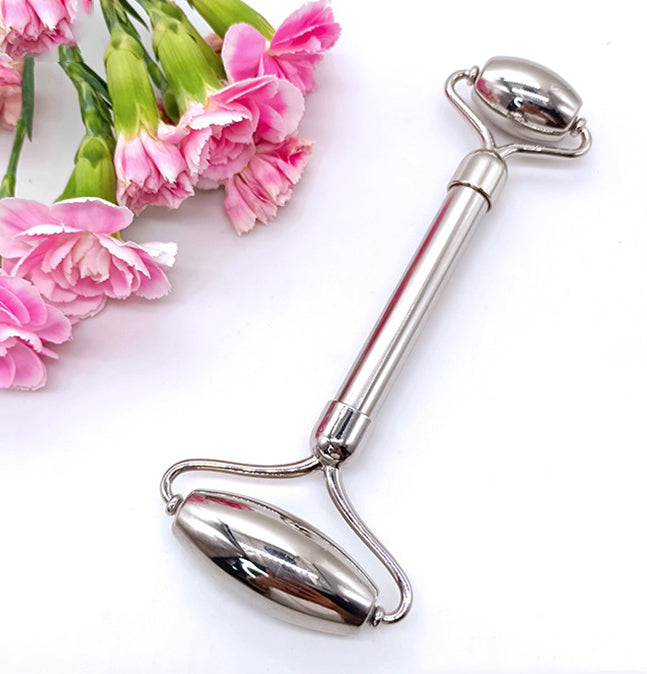


Massage rollers range from compact facial tools to full-size foam rollers, massage roller sticks, and textured balls for feet and targeted muscle work. Use this guide to compare materials, shapes, pressure levels, and intended areas before choosing a massage roller for your routine.
Start with the area you want to work. A massage foam roller suits larger areas such as the back, thighs, calves, and glutes, while a massage roller stick gives more controlled pressure without requiring you to support your full body on the tool. For feet and small trigger points, choose a compact massage roller ball or PVC spiky massage ball. Facial tools are designed for gentle surface massage rather than deep muscle pressure: consider a stainless steel V-shaped roller, red light face massager roller, cooling eye roller, or ice therapy massage balls. Also check the handle, grip, cleaning needs, and storage size. If you are shopping for massage rollers on Amazon or comparing the best massage rollers, prioritize the tool that matches your target area instead of choosing by appearance alone.
Foam rollers provide broad contact and are useful for slow, controlled rolling across larger muscle areas. A massage roller stick has several rolling sections or beads and is easier to guide with your hands, making it practical for calves, thighs, shoulders, and arms. Ball-style tools create more focused pressure: the massage roller ball is suited to small areas, while the PVC spiky massage ball adds a textured feel for foot and targeted-point routines. Facial rollers are smaller and smoother. The stainless steel face roller and ice therapy facial massage balls feel cool on the skin, while the silicone eye roller and eye cream spoon are shaped for the delicate eye area. A massage foam roller vibrating model can add vibration, but it is not necessary for every routine.
Choose firmness and texture according to your comfort level. Smooth surfaces generally feel more even, while raised PVC spikes or contoured beads create a more noticeable, localized sensation. For a foam roller, consider diameter, length, surface pattern, and whether you can maintain steady control. A compact ball is easier to pack and position under the foot, but it covers less area than a roller. For facial use, look for a smooth, easy-to-clean surface and a shape that follows the cheeks, jawline, or eye contour. Stainless steel and silicone tools can be wiped after use; wooden tools should be kept dry and cleaned according to their care instructions. If buying a red light face massager roller, review the product instructions for charging, cleaning, and intended use rather than assuming the light replaces massage.
Use slow movements and light-to-moderate pressure, especially during your first sessions. On a foam roller or massage roller stick, work along comfortable areas such as the thighs, calves, upper back, or glutes, pausing briefly when a spot feels tight without forcing the pressure. A massage roller ball or spiky ball can be used under the foot while standing with support nearby, or while seated for easier control. Facial rollers should glide over clean skin with gentle pressure; avoid dragging the tool across irritated skin and use the eye tools around, not directly on, the eye. Clean each tool after use and stop if you feel sharp pain, numbness, unusual swelling, or skin irritation. Massage rollers are for personal comfort and routine maintenance, not a substitute for professional advice.
One common mistake is choosing a tool that is too firm or textured for the area. A spiky massage ball may feel useful under the foot but can be uncomfortable on the face or sensitive skin. Another is rolling directly over joints, the front of the neck, or areas that are bruised, irritated, or injured. Avoid rushing: fast, forceful movement can make it harder to control pressure. Do not assume a vibrating foam roller is automatically better than a standard foam roller; compare comfort, noise, charging, and ease of use. Keep facial tools clean and avoid sharing them. Finally, be cautious with claims that massage rollers remove cellulite, tone sagging skin, or produce lymphatic changes. They may temporarily improve how skin feels or looks after massage, but results vary and are not guaranteed.
Massage rollers can suit people who want a simple tool for warm-up, post-exercise relaxation, foot massage, or a short facial-care routine. Choose a larger foam roller if you prefer broad pressure and have space to use it on the floor. A stick or ball is more portable and gives you better control over individual areas. Facial rollers suit shoppers who want cooling or gliding massage around the cheeks, jaw, forehead, or eye contour; select the eye cream spoon or silicone eye roller when a smaller head is more convenient. If you are new to self-massage, start with a smooth, moderate-pressure tool rather than a deeply textured ball. Anyone with an injury, ongoing pain, circulation concerns, or a medical condition should ask a qualified healthcare professional whether self-massage is appropriate.
They can be useful for controlled self-massage, temporary relaxation, and a warm-up or cool-down routine. The experience depends on the tool, pressure, and area, so a foam roller, stick, ball, and facial roller will not feel the same. They are not a guaranteed solution for pain, cellulite, or changes in body shape.
A lymphatic massage roller can provide a gentle gliding massage and may make skin feel temporarily refreshed. It should not be treated as a guaranteed way to change lymph flow, reduce swelling, or produce permanent body changes. Use light pressure and follow the tool instructions; seek professional guidance for persistent swelling or health concerns.
The best massage roller depends on the area and the pressure you prefer. Choose a foam roller for larger body areas, a stick for hand-guided rolling, a massage ball for focused pressure, and a smooth facial roller for facial care. For feet, compare the compact massage roller ball with the more textured PVC spiky massage ball.
Massage may temporarily change how skin looks or feels by warming and stimulating the surface, but massage rollers do not guarantee cellulite removal. Results vary and are not permanent. Choose the beech wood lymphatic massage roller only if you enjoy its shape and pressure, and use it gently rather than pressing hard to chase a visual result.
There is no reliable reason to assume that one tool or routine can get rid of cellulite permanently. Social media and celebrity routines may feature massage, body treatments, or other methods, but those examples are not a guarantee of results. A massage roller can be used for a personal massage routine, not as a promised cellulite-removal treatment.
Massage rollers cannot tone muscles or permanently remove cellulite on their own. A balanced routine involving regular movement and strength-focused exercise may support overall muscle conditioning, while a roller can provide temporary massage and relaxation. Use a foam roller, stick, or beech wood tool comfortably and avoid aggressive pressure on sensitive or irritated areas.