Waist Belts: Elastic, Leather & Running Belts for Women
4 items
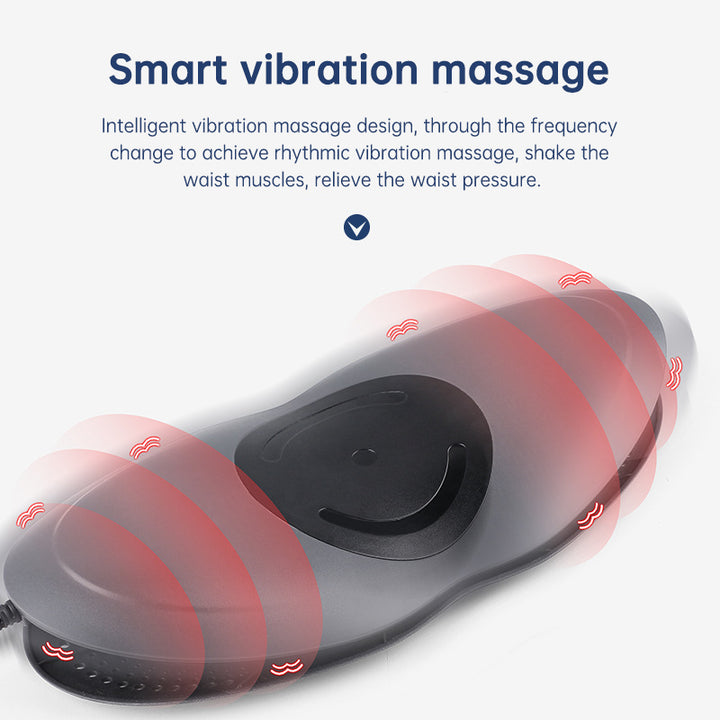

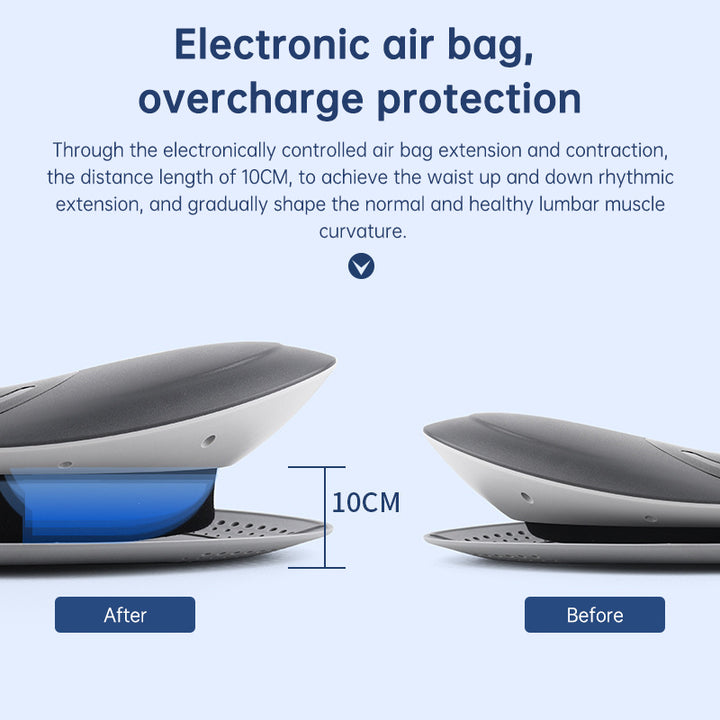


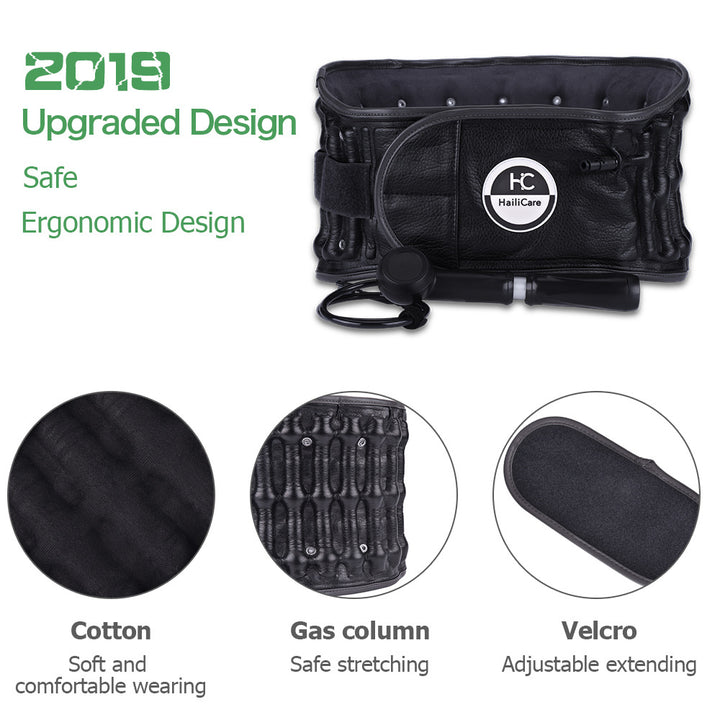


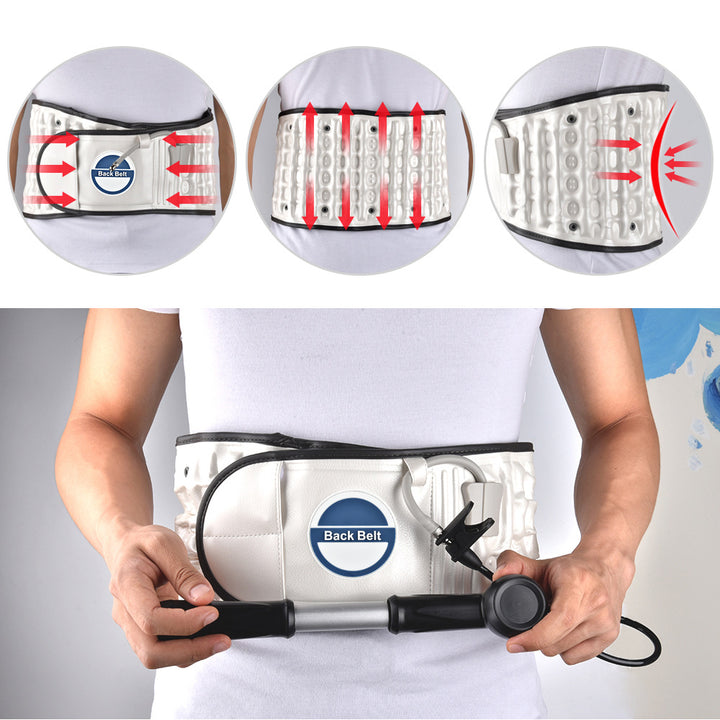

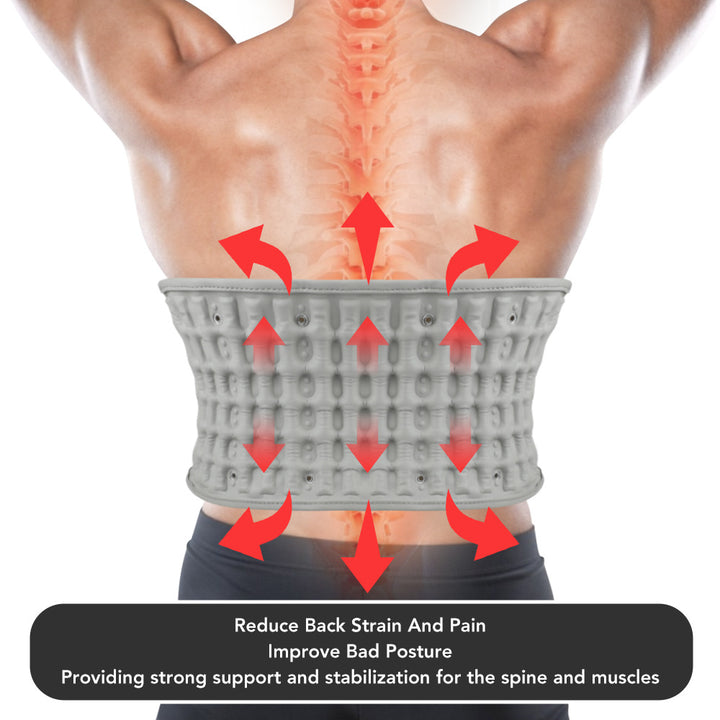
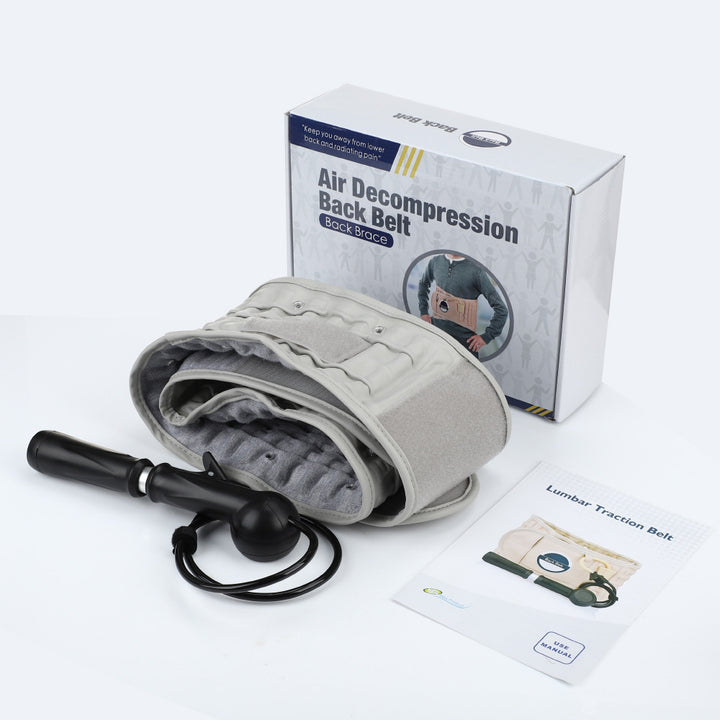

Lumbar traction belts and back-support products are designed to provide adjustable compression, stretching, or massage around the lower back. This guide compares inflatable belts, custom-compression supports, and heat-and-massage designs so you can choose a product that matches your comfort preferences and intended routine.
How to choose a lumbar traction belt for home use
Start by deciding whether you want adjustable stretching, everyday support, or massage and heat. An inflatable lumbar traction belt lets you control the level of expansion and may suit shoppers exploring a lumbar traction kit for a home routine. A custom-compression support belt is better for a close, supportive fit without an inflatable chamber. If you prefer a more active comfort feature, a lumbar traction massager combines a stretch-focused design with heat and massage. Check the product sizing guide, closure style, adjustment range, and whether the belt can be worn over clothing. These products are not substitutes for professional assessment, so consider your symptoms, existing conditions, and comfort before use.
What are the types of lumbar traction compared?
Common types of lumbar traction include manual traction, belt-based traction, and machine-assisted traction. Manual traction is usually performed by a trained professional, while a lumbar traction belt is a wearable product intended for adjustable support or decompression-style stretching. A lumbar traction machine may offer more structured positioning, but it is a different category from portable belts and should be used according to its instructions. Within this category, inflatable decompression belts focus on adjustable expansion, inflatable support belts combine compression with a customizable fit, and the traction massager adds heat and massage. Compare portability, control, and ease of adjustment rather than assuming one type is suitable for every back concern.
What to look for in a lumbar traction belt
Look for a wide lower-back panel, secure fastening, and adjustment controls that are easy to reach while the belt is fitted. An inflatable design should have a clear method for adding or releasing air, allowing you to stop if the pressure feels uncomfortable. For a lumbar traction belt used at home, breathable materials and a stable closure can make short sessions easier to manage. If you want daily compression rather than a stretching sensation, compare the inflatable lumbar support belt with the traction-focused models. Heat and massage controls may be useful if you prefer a multi-function product, but they add features to manage. Always check dimensions, cleaning guidance, and the supplied instructions before buying.
How to use a lumbar traction belt safely
Read the product instructions before the first session and position the belt so it sits securely around the lower back without restricting normal breathing or movement. Begin with the gentlest available setting, remain in a comfortable position, and use the belt only for the instructions' recommended duration. Release the air or remove the belt if you notice increasing pain, numbness, tingling, dizziness, skin irritation, or other concerning symptoms. Do not sleep in a traction belt unless the instructions specifically allow it. A lumbar traction physiotherapy routine may involve professional positioning and supervision, so a home belt should not be treated as an automatic replacement. Ask a qualified healthcare professional about suitability if you have a diagnosed back condition, recent injury, or planned procedure.
What are common lumbar traction mistakes?
A common mistake is tightening the belt as far as possible instead of choosing a comfortable, controlled setting. Other problems include wearing the product for longer than directed, using it during strenuous activity, placing it too high or low, and ignoring symptoms because the product is marketed for decompression. Do not combine a belt with other traction equipment unless a qualified professional has advised you to do so. Avoid using heat or massage settings on irritated skin, and follow the cleaning and charging instructions for electronic models. If you are researching lumbar traction contraindications, remember that suitability depends on your health history and the specific device. Stop use and seek appropriate advice if discomfort persists or worsens.
Who is a lumbar traction belt suitable for?
These products may suit adults who want portable lower-back support, adjustable compression, or a home comfort accessory and who can follow fitting instructions carefully. An inflatable traction belt may appeal to shoppers wanting adjustable expansion, while the custom-compression model can suit those who prefer a supportive wrap. The massager may be more appealing if heat and massage are important features. A belt is not automatically appropriate for every cause of back pain, including pain related to a disc bulge, nerve symptoms, recent trauma, pregnancy, surgery, or another medical condition. If you are considering lumbar traction indications for a specific diagnosis, ask a qualified healthcare professional before choosing a product. Fit and comfort should guide use, not pressure to achieve a stronger stretch.
Frequently asked questions
Does lumbar traction really work?
Results can vary by person, product, and the cause of back discomfort. A wearable belt may provide temporary support or a stretching sensation, but it should not be presented as a guaranteed treatment. If symptoms are persistent, severe, or changing, seek advice from a qualified healthcare professional.
What is lumbar traction used for?
Lumbar traction is used to create a controlled pulling or stretching sensation around the lower back. In home products, this may be combined with compression, heat, or massage for comfort and support. The appropriate use depends on the device instructions and the individual’s health circumstances.
Is traction good for an L4 L5 disc bulge?
A belt cannot determine whether traction is appropriate for a specific disc bulge or spinal level. Some people may find gentle support comfortable, while others may aggravate symptoms with stretching or pressure. Ask a qualified healthcare professional before using traction for an L4-L5 disc bulge, especially if you have leg pain, numbness, weakness, or bowel or bladder changes.
How long should you do lumbar traction?
Follow the duration and frequency stated in the instructions for the specific belt or massager, and start with the gentlest setting. Do not extend sessions because the product feels comfortable or because you want faster results. Stop if symptoms worsen and seek professional guidance when you are unsure.
What's the worst thing you can do for back pain?
There is no single worst action for every person, but ignoring severe or unusual symptoms, forcing painful movement, or using traction without checking suitability can be unsafe. Avoid prolonged self-treatment when pain is worsening or accompanied by weakness, numbness, fever, or loss of bladder or bowel control. Seek urgent medical advice for serious or rapidly developing symptoms.
Can you do too much back decompression?
Yes, using a traction or decompression-style product too forcefully or too often may increase discomfort, irritation, or other symptoms. More pressure or longer sessions are not automatically better. Follow the product guidance, use a comfortable setting, and stop if you develop pain, numbness, tingling, or skin irritation.