Itch Relief Solutions for Skin, Bites & Irritation
11 items
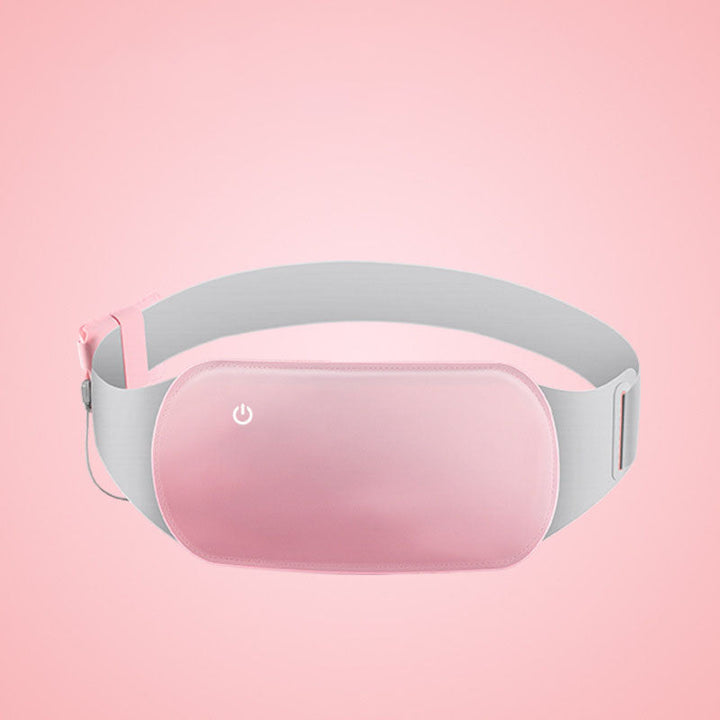
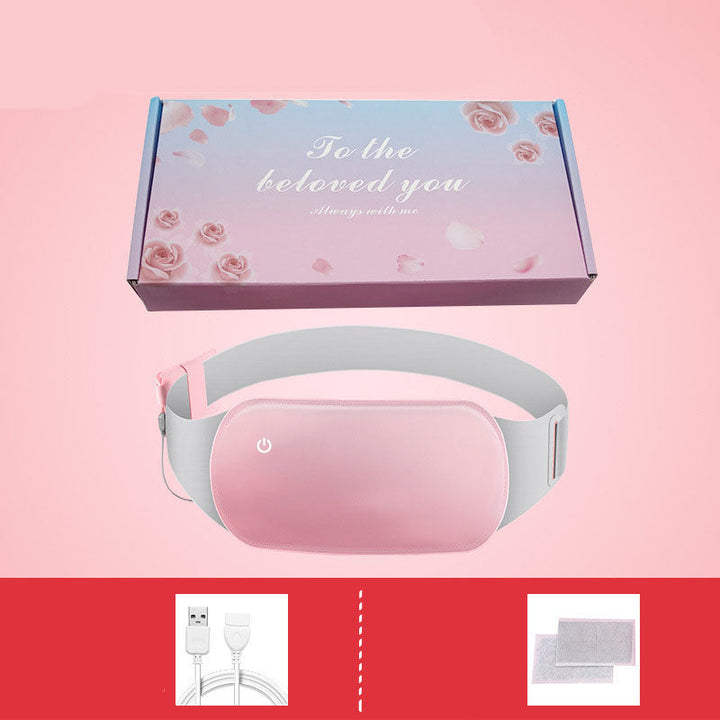
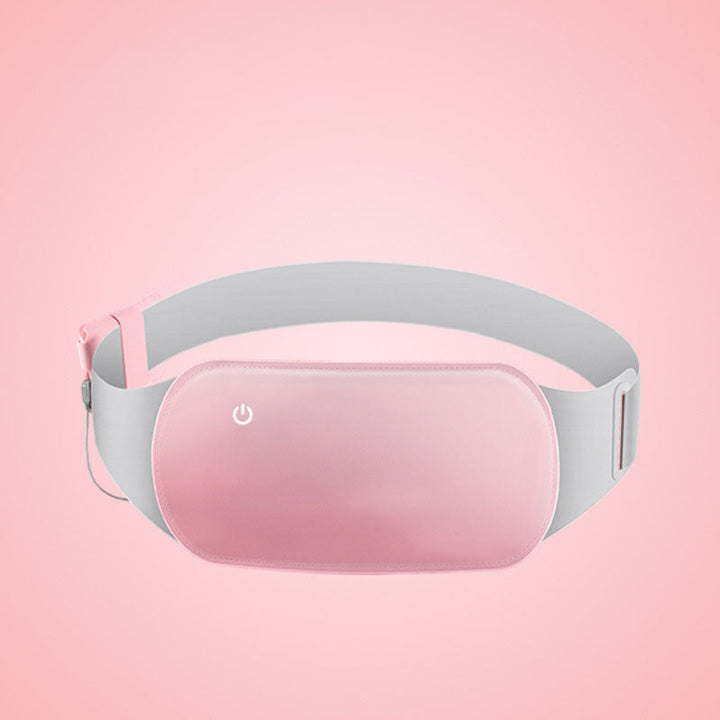




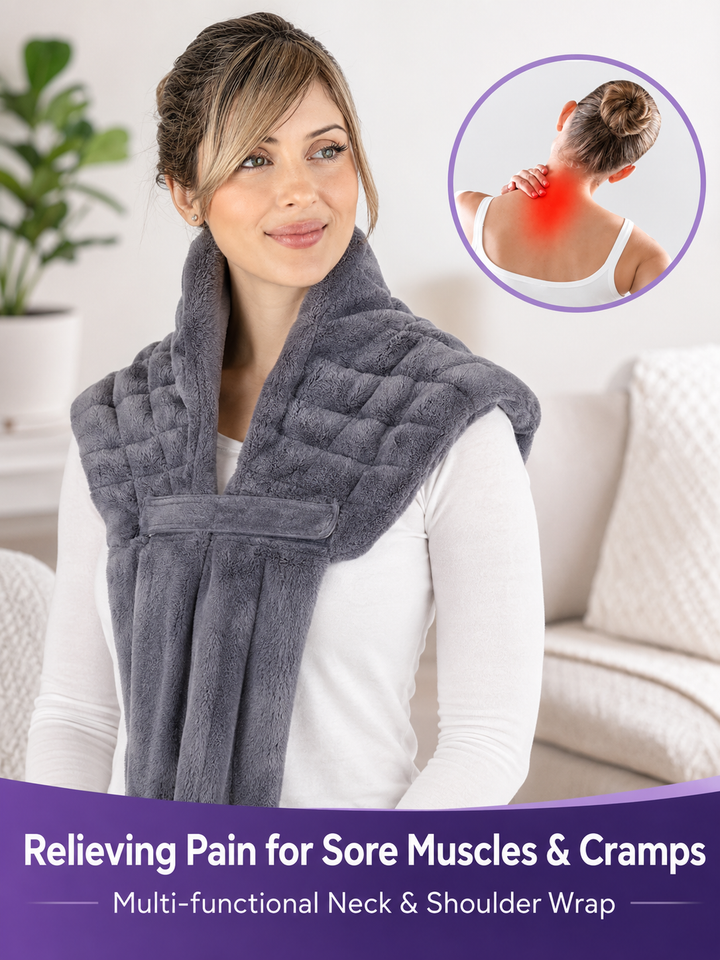
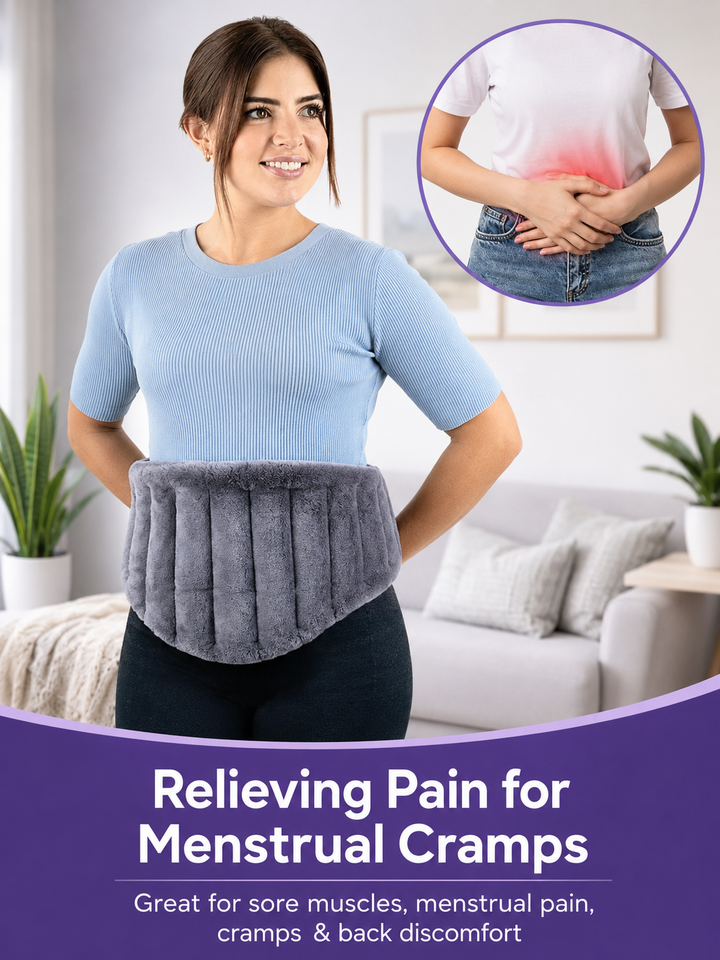


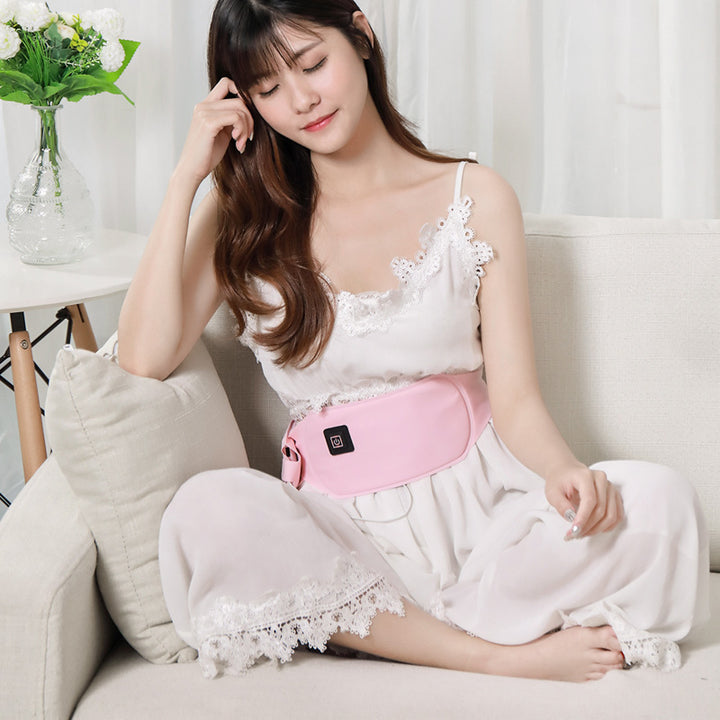
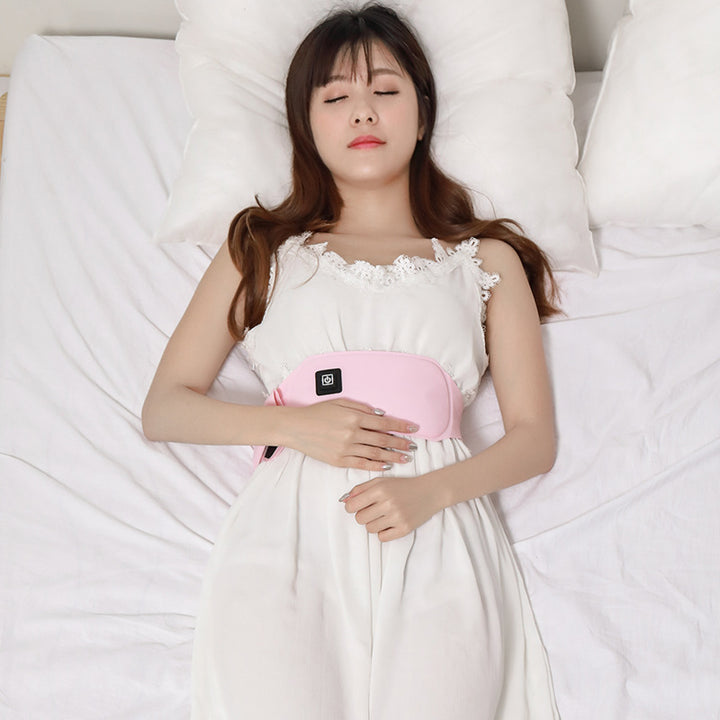
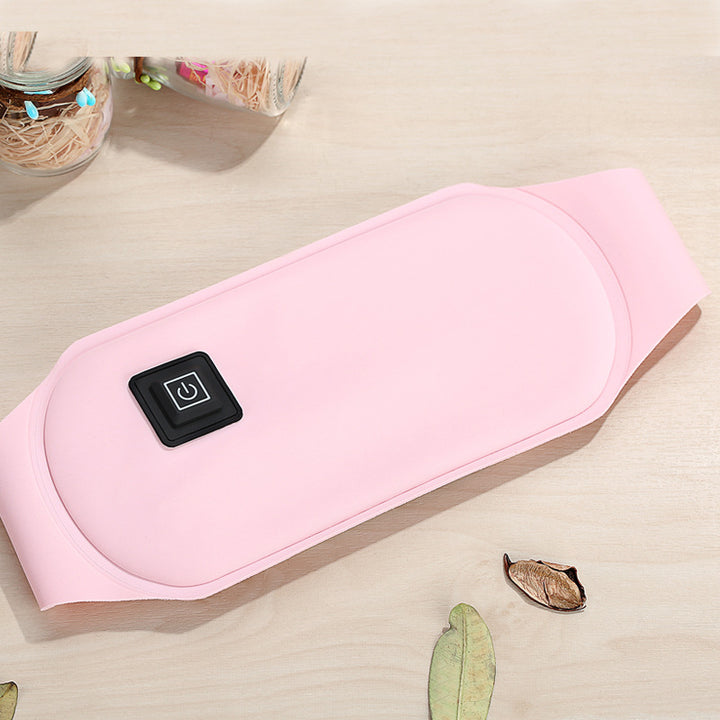


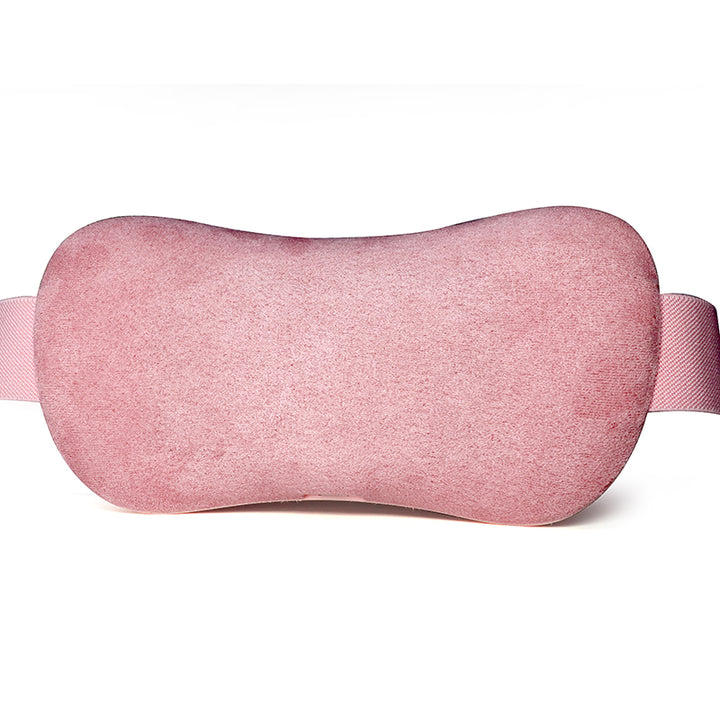
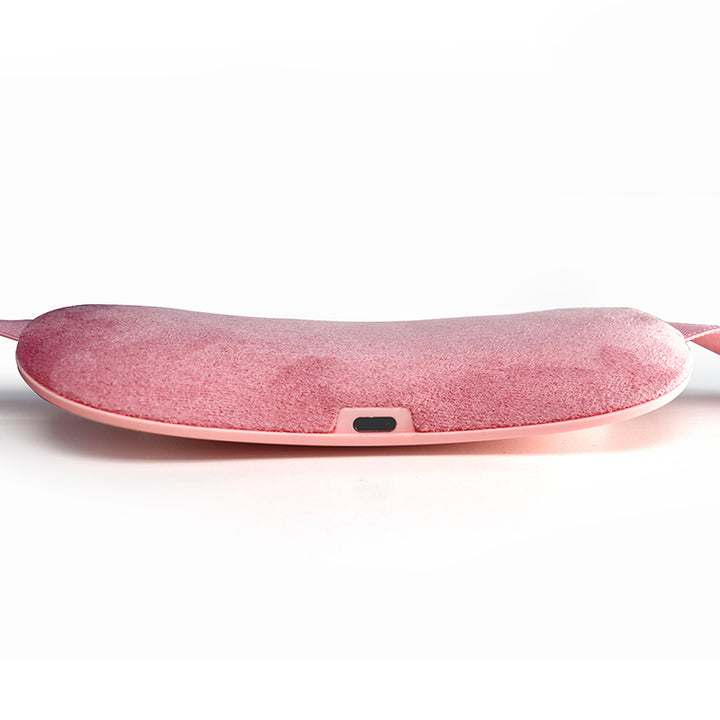

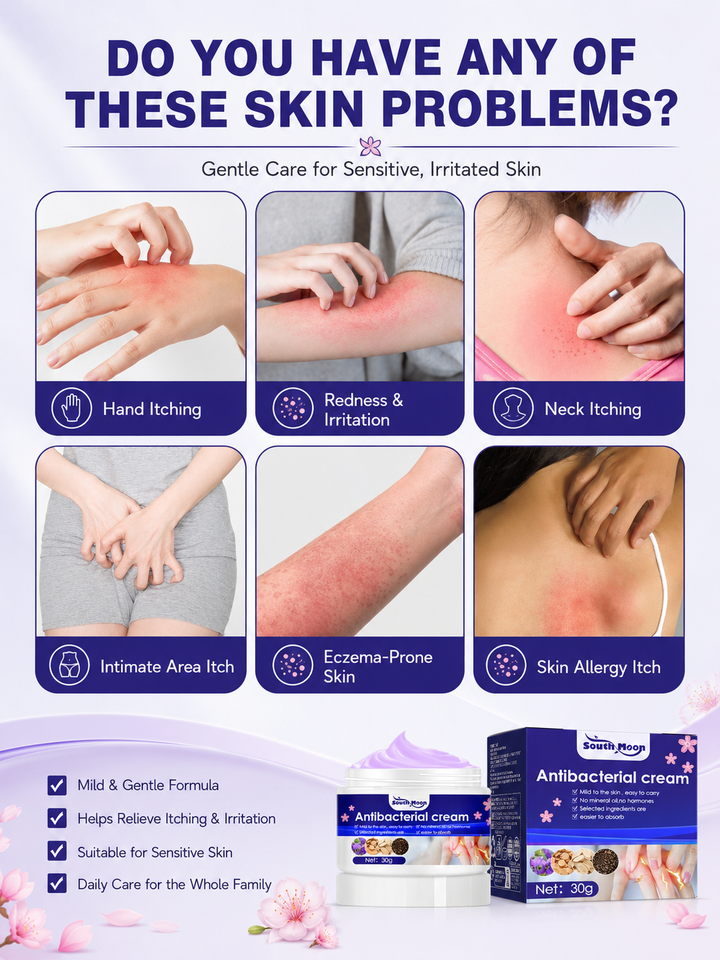
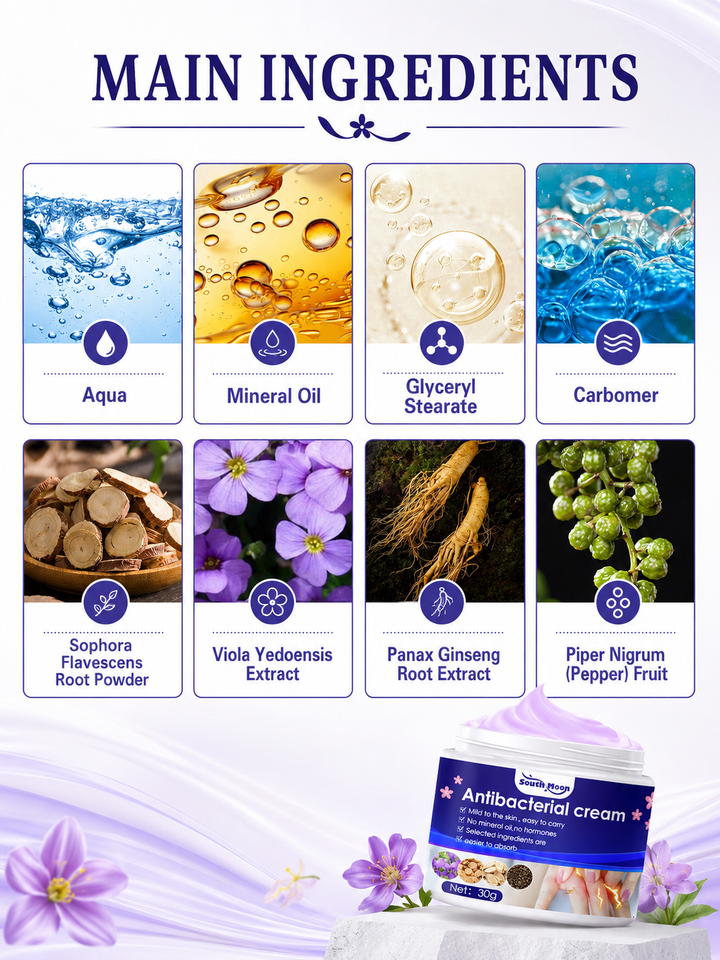

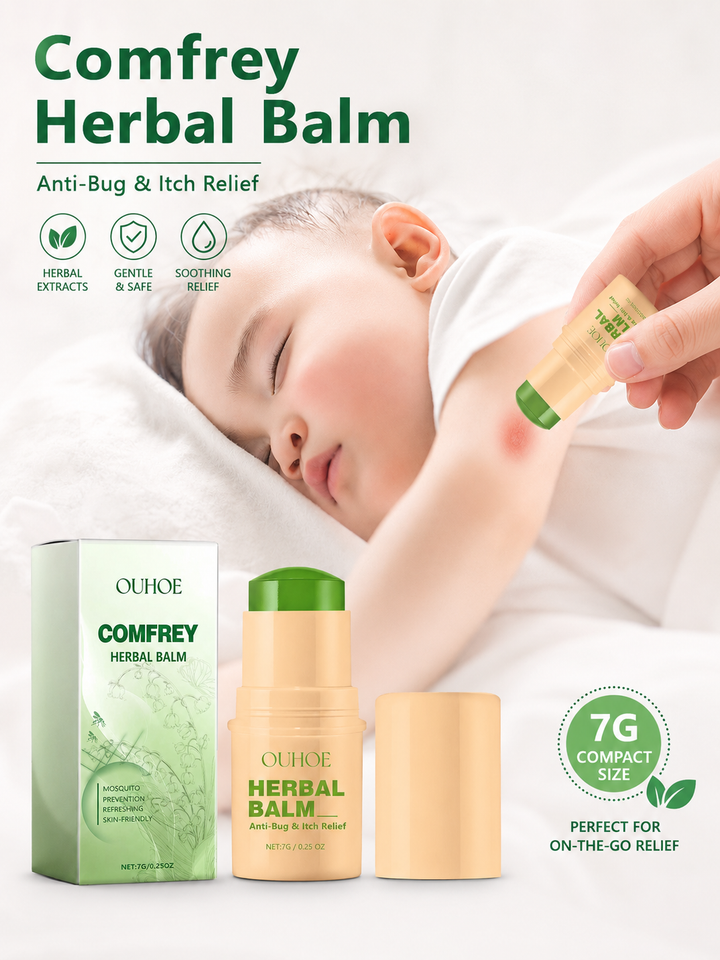
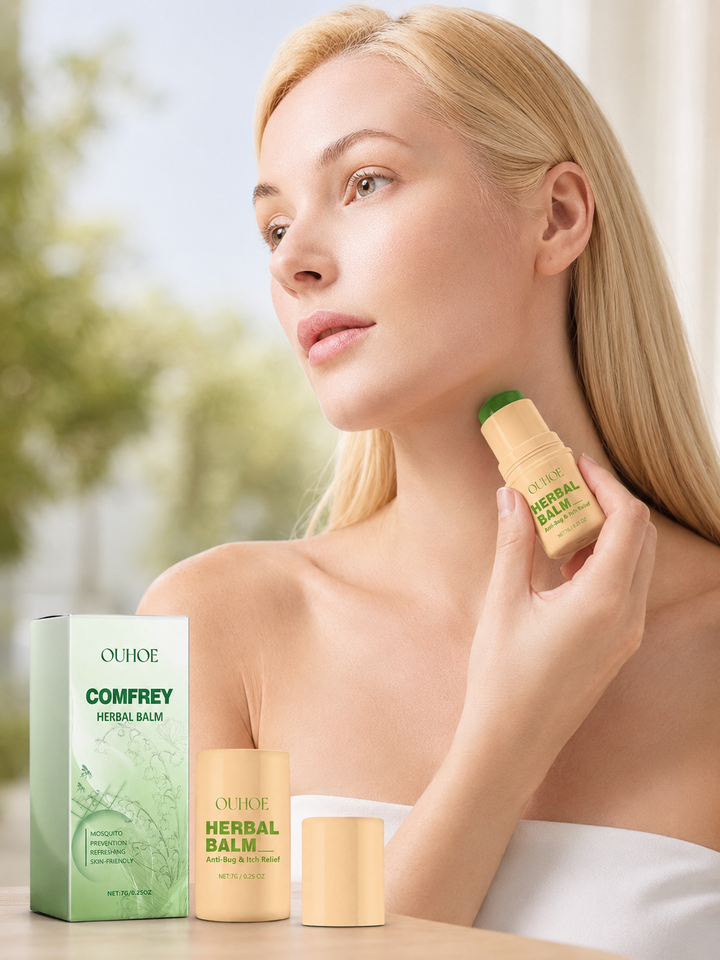



Heating belts provide adjustable warmth around the waist or lower back, with some models adding vibration, herbal fillings, magnetic features, or timed shutoff. This guide compares the heating belts in this category so you can choose a practical option for period discomfort, everyday warmth, or temporary lower-back comfort, while using bite-relief products separately for itchy skin.
How do I choose the best heating belt?
Start with the area you want to warm, the way you plan to use the belt, and whether you need a power source nearby. A heating belt for back pain should fit securely across the lower back without restricting movement, while a heating belt for cramps should sit comfortably over the lower abdomen or waist. Look for controls that are easy to reach, multiple heat settings, and a timer if you do not want to monitor the belt continuously. If portability matters, compare cordless heating belt designs with plug-in electric heating belts. For a more sensory experience, consider a vibration model; for a simpler setup, choose a basic heated waist belt. Avoid choosing based on heat intensity alone: comfort, fit, controls, and cleaning instructions matter too.
What types of heating belts are available?
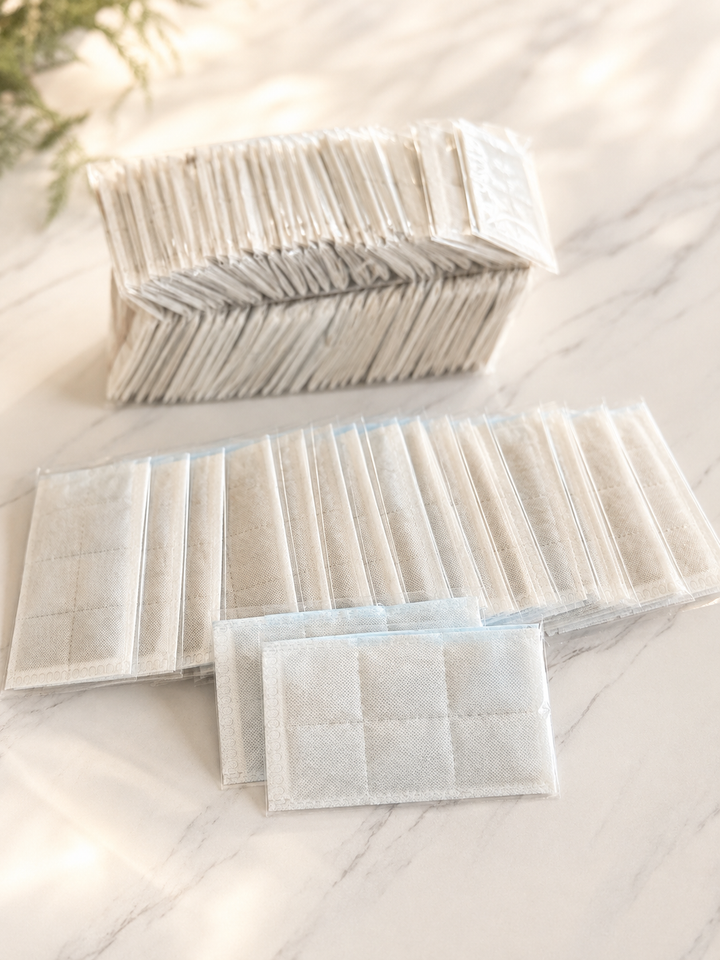
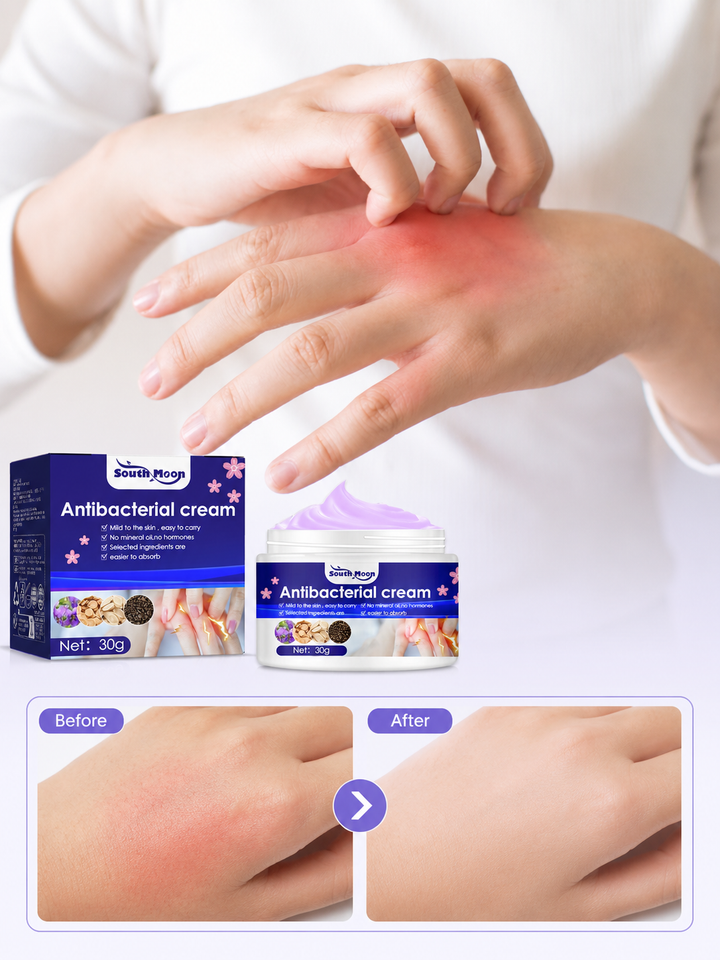
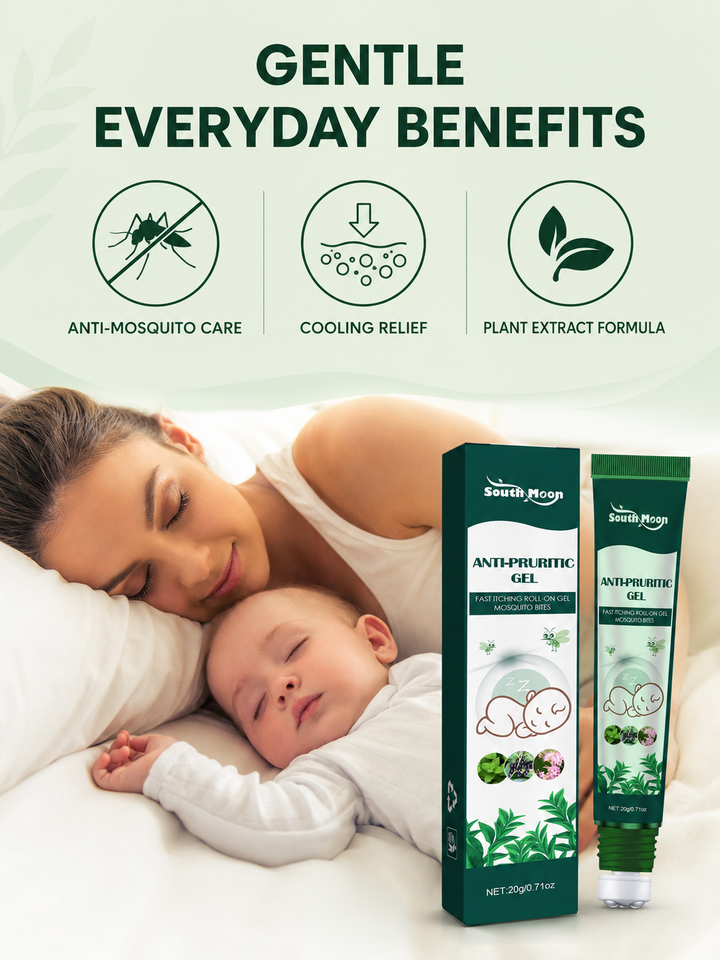
This category includes several formats for different preferences. Heating Belt with Vibration combines warmth with a massage-like vibration setting, while the Graphene Menstrual Heating Belt and Electric Heating Waist Belt focus on wearable warmth for period-related discomfort. The Heating Waist Belt with 9 heat levels and a 2-hour timer offers more control over temperature and session length. A Self-Heating Magnetic Lumbar Belt is designed for people who prefer a non-electric waist belt, and the Mugwort & Salt Heating Waist Belt offers an herbal-filled alternative. These products are not interchangeable with itch-relief treatments: the Comfrey Herbal Balm Stick and mosquito bite roll-on gel are topical options for itchy bites, not heating belts. Check each product's instructions before use.
What should I look for in a heating waist belt?
Check the belt's coverage, fastening method, control layout, power source, and safety features. A wide heating waist belt can cover more of the abdomen or lower back, while an adjustable fastening system helps keep the heat panel positioned correctly. If you want an electric heating belt, confirm whether it plugs into a wall outlet, USB power source, or rechargeable battery. For travel or office use, a cordless heating belt can be more convenient, but battery life and charging requirements become important. A timer, such as the 2-hour timer on one product in this category, can help limit a session. Also review the care instructions: some belts have removable controllers or washable covers, while others should only be spot-cleaned.
How should I use a heating belt safely?
Read the product instructions before the first use and place the belt over clothing if the instructions allow it. Begin with a lower heat setting, position the heating area comfortably, and use the timer or follow the stated session guidance. Do not fold, crush, pin, or cover an operating heating belt with heavy bedding, and keep cords and charging connections away from water. Check your skin during use, especially if the belt feels unusually hot or you have reduced sensitivity to heat. Stop using it if you notice discomfort, persistent redness, or a burning sensation. Do not use a damaged cord, battery, controller, or heating panel. A heating belt is for external warmth; do not apply it over open, irritated, or recently treated skin unless the product instructions specifically permit it.
What are common heating belt mistakes?
A common mistake is wearing a belt too tightly, which can make it uncomfortable and stop the heating panel from sitting flat. Another is selecting the highest setting immediately instead of starting gently and adjusting as needed. Do not sleep with a heating belt unless the product instructions clearly state that it is designed for that use. Avoid using an electric model near water, with a damaged cable, or while it is folded. Shoppers also sometimes expect a heated waist belt for weight loss; warmth may make you feel temporarily warm or sweaty, but a heating belt should not be treated as a weight-management product. Finally, do not use heat as a substitute for bite care: choose a topical mosquito bite itch-relief product for itchy bites and follow its label.
Who is a heating belt suitable for?
Heating belts may suit adults who want convenient external warmth around the lower back, waist, or abdomen during periods of rest. They can be useful at home, at a desk, or while travelling, depending on whether the model is plug-in, rechargeable, or self-heating. People who prefer a more adjustable experience may like the 9-level heating waist belt, while those who want added sensation may choose the vibration version. A self-heating belt can suit shoppers who do not want an electric connection. Fit and comfort are personal, so check the sizing and fastening details before ordering. Ask a healthcare professional before using heat if you have a condition, medication, or reduced ability to sense temperature that could affect safe heat use. Keep topical bite-relief products for skin irritation rather than applying heat over bites.
Frequently asked questions
What is a heating belt used for?
A heating belt is used to provide external warmth around the waist, abdomen, or lower back. Depending on the model, it may also offer vibration, timed sessions, multiple heat levels, or self-heating operation.
Is a heating belt good for back pain?
Some people use a heating belt for temporary warmth and comfort around the lower back. It should be used according to the product instructions and should not replace professional advice, particularly if discomfort is severe, persistent, or accompanied by other symptoms.
How long should you use a heating belt?
Follow the instructions for the specific belt, including any timer or maximum session guidance. Start with a lower setting, monitor your skin, and stop if the heat becomes uncomfortable or causes persistent redness.
Which heat belt is best for lower back pain?
The best choice depends on fit, coverage, power source, and preferred controls. Consider the Self-Heating Magnetic Lumbar Belt for a non-electric option, or compare electric waist belts with adjustable heat levels, timers, or vibration if those features suit your routine.
What are the risks of using a heat belt?
Potential problems include skin irritation, excessive heat, burns, discomfort from a tight fit, and electrical hazards if a cord or controller is damaged or used near water. Do not use a damaged belt, sleep in one unless the instructions allow it, or place it over open or irritated skin.
Do doctors recommend back support belts?
Whether a back support belt is appropriate depends on the person and the reason for use. A heating belt is primarily a warmth product, not a substitute for assessment or treatment; ask a qualified healthcare professional if you need guidance about back support, ongoing pain, or safe heat use.