
$64.90
Free delivery · 7–14 days
Jewelry Cleaner for Gold, Silver & Precious Jewelry


Find jewelry cleaners for routine care of gold, silver, sterling silver, precious jewelry, and selected CZ pieces. This guide compares liquid cleaners, instant-shine products, and at-home methods so you can choose a practical option for your jewelry and use it safely.
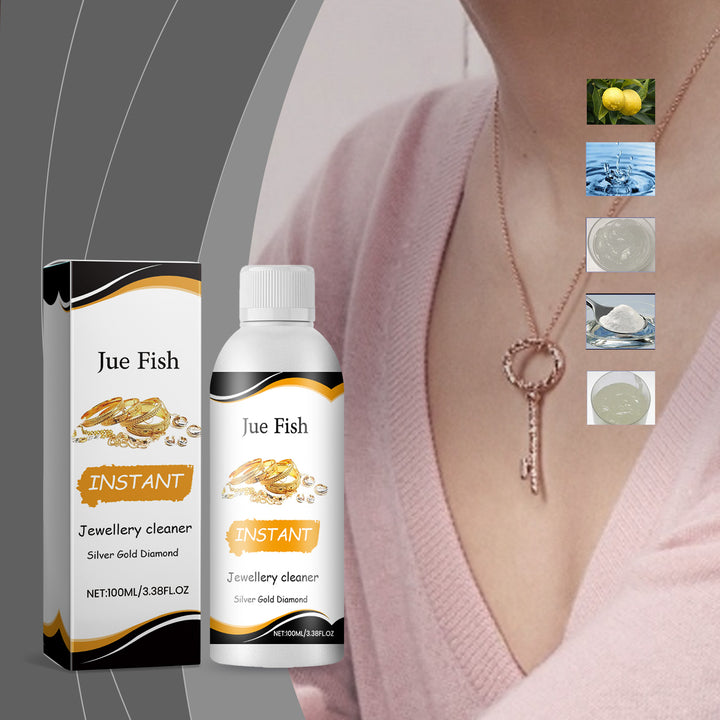
Start with the jewelry’s metal, finish, and any stones or decorative details. A cleaner made for gold, silver, and precious jewelry is a flexible choice for many everyday pieces, while sterling silver may need a product intended to refresh its appearance without aggressive scrubbing. For quick touch-ups, Body Glitter Spray for Instant Gold & Silver Shine is designed for an immediate shine-focused finish, while Jue-Fish Jewelry Cleaner — Instant Sparkle in Minutes suits shoppers who want a dedicated jewelry-cleaning option. Check the product directions before use, especially for plated surfaces, glued stones, pearls, opals, or other delicate materials. If you are comparing the best jewelry cleaners, prioritize clear usage instructions and compatibility over strong-sounding claims.
Liquid jewelry cleaners are useful when you want to soak or wipe suitable gold, silver, or precious jewelry according to the label. Instant-shine sprays are better for a fast finishing step, such as preparing gold- or silver-colored accessories before going out. Ultrasonic jewelry cleaners use vibration and a cleaning solution rather than manual wiping, but they are not automatically suitable for every piece. Loose stones, porous gems, glued settings, hollow items, and delicate finishes can require extra caution. For shoppers searching for the best ultrasonic jewelry cleaner, first confirm that the jewelry itself is suitable for ultrasonic cleaning. A soft cloth and mild soap solution can be a simpler choice for items that should not be immersed.
Look for a cleaner that clearly identifies compatible metals and explains whether the product is intended for soaking, wiping, spraying, or use in an ultrasonic machine. Directions should also cover contact time, rinsing, drying, and any materials to avoid. For silver and sterling silver, consider whether you want a cleaner for routine surface care or a quick-shine product for visible brightness. If you are buying jewelry cleaners online, review the product details and customer feedback for practical information about ease of use and the types of jewelry people cleaned. The Jewelry Cleaner for Gold, Silver & Precious Jewelry is suited to shoppers seeking one category-focused option, while Jue-Fish Jewelry Cleaner offers another dedicated choice for a quick sparkle routine.
Before cleaning, inspect each piece for loose stones, damaged clasps, lifted plating, or parts that could catch on a cloth. Follow the cleaner’s directions, use a clean soft cloth or brush only when recommended, and avoid forcing residue out of settings. Rinse only when the instructions call for it, then dry thoroughly with a soft, lint-free cloth. Work over a small bowl or towel rather than directly over an open drain. For an at-home routine, clean one material at a time and keep silver, gold, CZ, and mixed-material pieces separate. A spray made for shine can be used as directed for a finishing touch, but it should not replace compatibility checks or careful cleaning of heavily soiled jewelry.
Do not assume that a cleaner suitable for plain gold or silver is safe for every stone, coating, finish, or setting. Avoid abrasive powders, rough brushes, chlorine-based products, and untested household mixtures that may scratch, discolor, loosen, or dull jewelry. Do not leave pieces submerged longer than the directions allow, and do not use an ultrasonic machine without checking the jewelry and cleaner requirements first. Keep hydrogen peroxide, rubbing alcohol, and other strong household liquids away from unknown materials unless a professional specifically confirms compatibility. If a piece has sentimental value, a fragile setting, or visible damage, stop and ask a jeweler for advice. These precautions matter whether you choose professional jewelry cleaners or a product for home use.
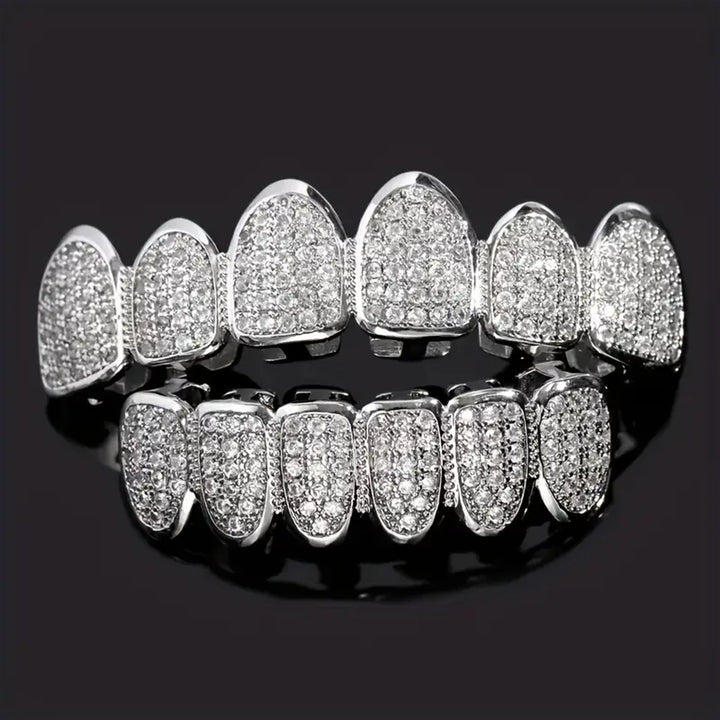
Jewelry cleaners are useful for shoppers who regularly wear gold, silver, sterling silver, or precious-jewelry pieces and want a simple maintenance routine at home. A dedicated liquid cleaner fits someone cleaning several compatible pieces, while an instant-shine spray suits occasional touch-ups before wearing accessories. CZ earrings and iced-out grillz may need especially careful handling because settings, coatings, and construction can vary; check directions before soaking or using an ultrasonic device. Sterling Silver CZ Stud Earrings can be cleaned only with a method suitable for both sterling silver and their decorative stones. Iced-Out Hip Hop Grillz — Full CZ Pavé Set in Gold & Silver should also be checked for material and finish compatibility before any liquid or machine treatment.
For many compatible gold and silver pieces, use a jewelry cleaner made for the specific metal and follow its directions. A soft, lint-free cloth is suitable for gentle surface wiping, while a mild soap solution may work for some items. Always check stones, coatings, and settings before using liquid or immersion.
Professional cleaners may use different tools and solutions depending on the jewelry, including specialized cleaning solutions, polishing materials, and ultrasonic equipment. The correct method depends on the metal, stones, setting, and condition of the piece. An ultrasonic cleaner is not automatically safe for every item.
A small amount of mild dish soap diluted in water can help clean some durable jewelry, especially when used with gentle handling and thorough drying. It is not suitable for every stone, finish, or setting, so check the jewelry’s care guidance first. Avoid soaking unknown or delicate pieces without confirming compatibility.
Neither should be treated as a universal jewelry cleaner. Hydrogen peroxide and rubbing alcohol may affect certain stones, finishes, adhesives, coatings, or mixed materials, so use them only when a jeweler or the product instructions confirm they are appropriate. A jewelry cleaner labeled for the piece’s material is usually a more practical starting point.
Avoid abrasive powders, rough brushes, chlorine-based products, and untested chemical mixtures. Do not use an ultrasonic cleaner on a piece unless its materials and construction are suitable. Be especially cautious with pearls, opals, porous stones, glued settings, plated finishes, hollow jewelry, and damaged pieces.
Identify the metal and decorative materials, inspect the piece, and use a compatible jewelry cleaner exactly as directed. Apply or soak only for the stated time, rinse when instructed, and dry with a soft cloth. For valuable, fragile, loose, or damaged jewelry, professional cleaning advice is the safer option.