Interdental Brushes: Dental Brushes for Braces & Cleaning
4 items




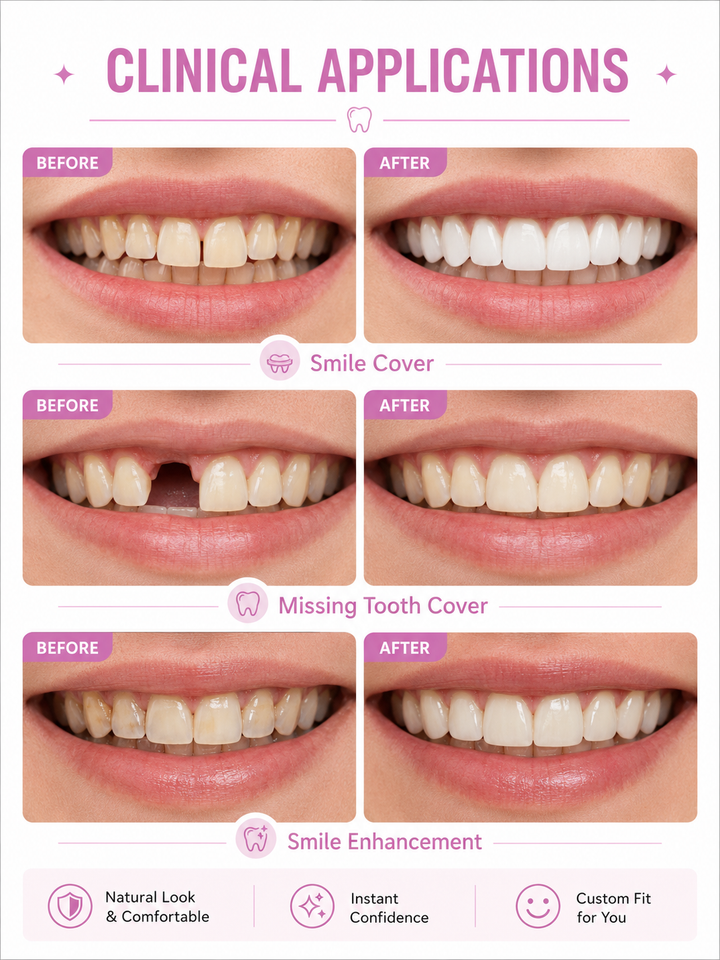
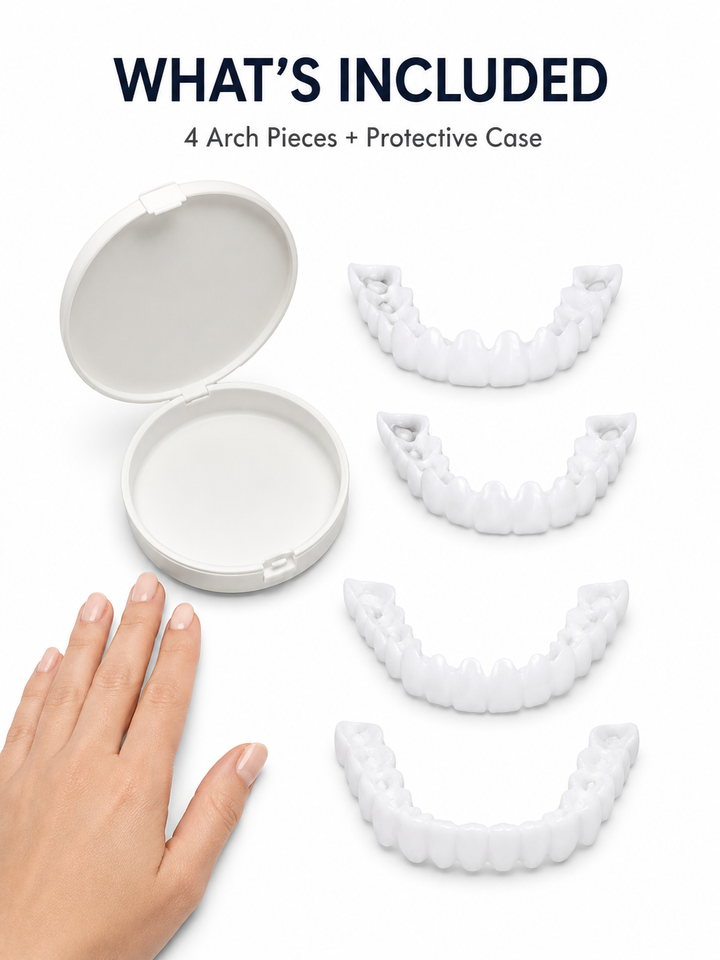

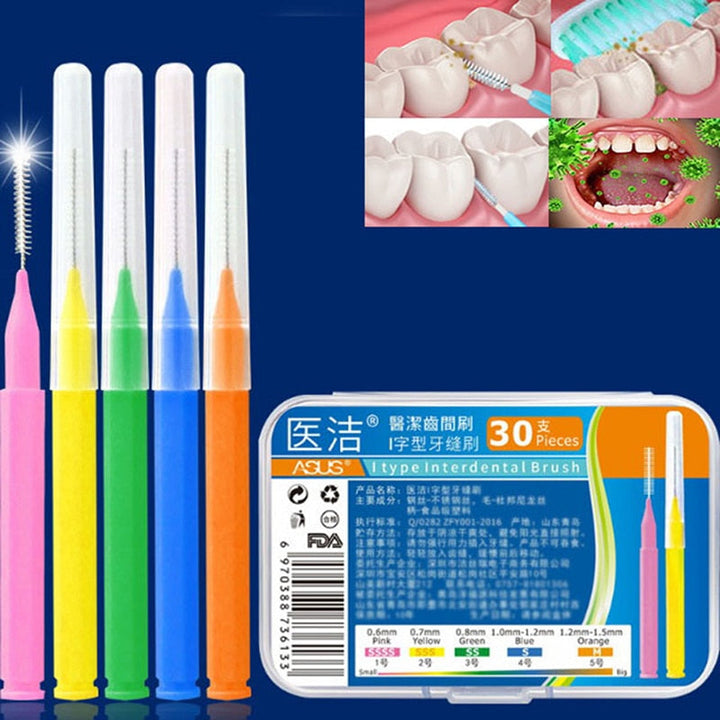
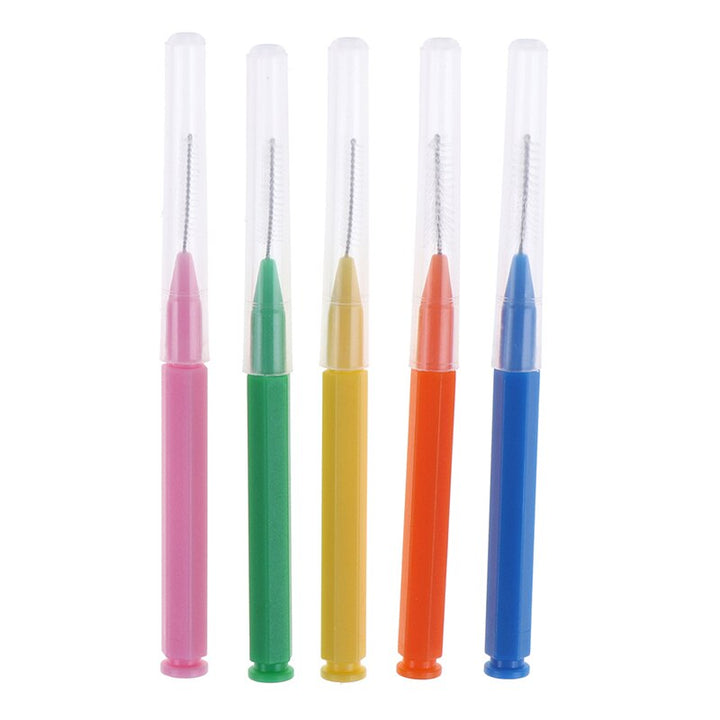

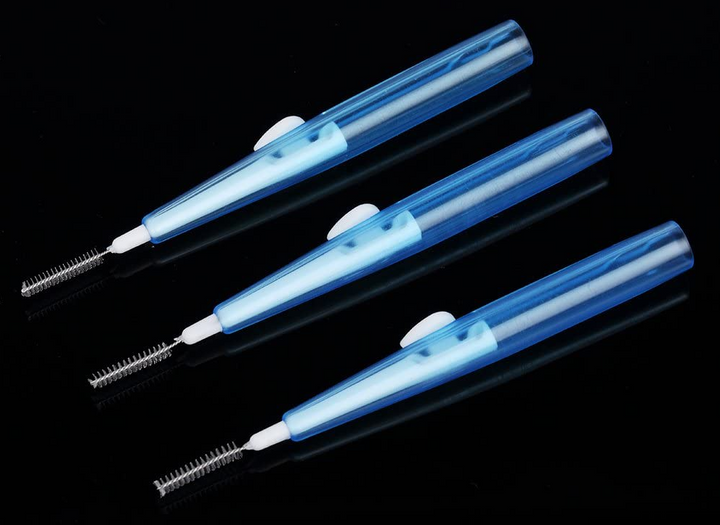
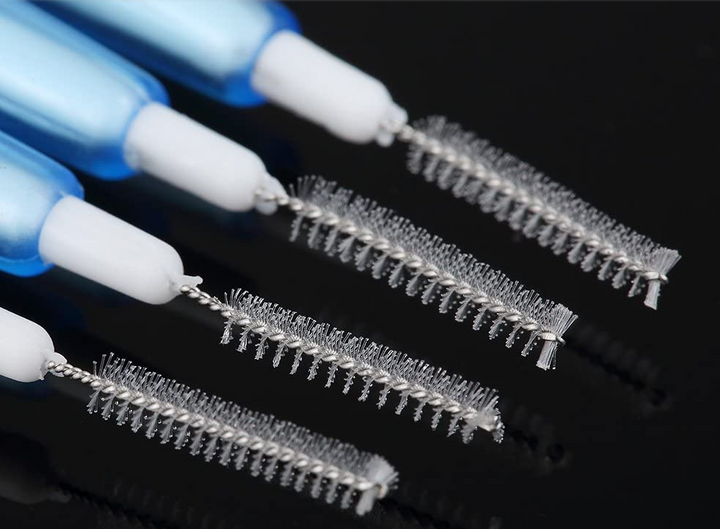
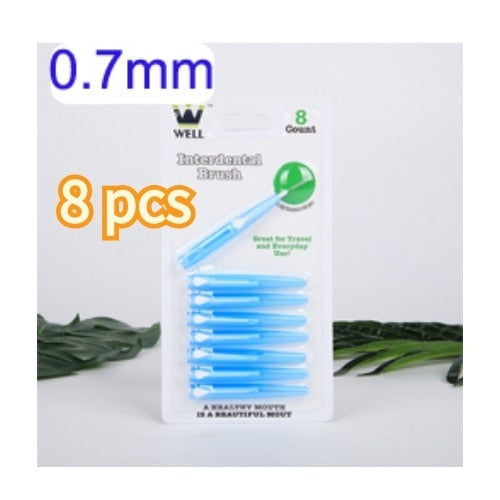
Interdental brushes are small cleaning tools designed to reach spaces between teeth, around braces, and beside dental work where a standard toothbrush may not fit. This category includes I-shaped brushes for general gap cleaning, a 0.7 mm brush for more precise access around braces, and a simulation braces smile whitening set for display or practice use.
How to choose the right interdental brush size
The best interdental brush size is the one that reaches the space without forcing or bending the wire. Smaller gaps may suit a fine brush, while wider spaces can require a larger brush. The 0.7 mm interdental brush is intended for precision cleaning around braces and other narrow areas. An I-shaped brush can be easier to guide between front teeth and around selected gaps. If you are unsure, compare the brush diameter with the spaces you want to clean and begin gently. Interdental brushes sizes are not interchangeable for every part of the mouth, so you may need more than one size. Stop if the brush catches, causes discomfort, or cannot pass smoothly, and ask a dental professional which size is suitable.
Interdental brushes vs floss: which should you use?
Interdental brushes and floss clean between teeth in different ways. A brush may be easier to guide through open spaces, around orthodontic wires, or beside bridges, while floss can slide through very tight contacts where a brush will not fit. Neither tool is automatically right for every space. Many shoppers choose interdental brushes for daily gap cleaning and keep floss for narrower areas. Whether you use one or both depends on your tooth spacing, braces, bridges, dexterity, and personal routine. Do not force a brush into a tight contact or snap floss against the gums. If you are comparing the best interdental brushes, look for a comfortable handle, a suitably sized wire, and a design that lets you reach back teeth without excessive bending.
What to look for in interdental brushes for braces and bridges
For braces, look for a brush that can pass around brackets and beneath the archwire with controlled movement. The 0.7 mm brush is suited to shoppers seeking a precision option for orthodontic cleaning. For bridges, an interdental brush may help clean accessible spaces beside or beneath the restoration, but the opening must be large enough for the brush to pass without force. An I-shaped design can provide a direct approach to front and side spaces. Check the handle shape, wire protection, brush length, and pack quantity before buying. A simulation braces smile whitening set is different from a cleaning brush: it is a display or practice-style product rather than a substitute for an interdental cleaning tool. Choose according to the job you need to do.
How to use interdental brushes correctly
Use an interdental brush with a clean, dry handle and guide it gently into the space between two teeth. Move it back and forth with short strokes, then rinse the brush before moving to the next area. Around braces, approach from the angle that gives the brush a clear path beneath the wire and around the bracket; do not twist or force it. Clean the spaces that a normal toothbrush cannot reach, including suitable areas near bridges. Interdental brushes can be used before or after brushing, but using them first may help loosen debris before you brush. Follow the product instructions and replace the brush when the bristles look worn, the wire bends, or the tool no longer feels clean and effective.
Common interdental brush mistakes to avoid
A common mistake is choosing a brush that is too large and pushing it through resistance. This can bend the wire and damage the brush, so select a smaller size for tighter spaces instead. Another mistake is using one brush size everywhere; gaps vary across the mouth, especially around braces and bridges. Avoid scrubbing aggressively, bending the wire repeatedly, or sharing a brush with another person. Rinse the brush during use and store it clean and dry. Reusing an interdental brush is possible only while it remains intact and hygienic according to the product instructions; it is not a permanent tool. If a space consistently will not accept a brush, use a suitable alternative such as floss or seek guidance from a dental professional.
Who should use interdental brushes?
Interdental brushes may suit shoppers who want to clean between teeth, around braces, or near accessible bridge spaces with a small handled tool. They can be useful for people who find string floss difficult to control or who prefer a visual, guided cleaning motion. They are not a universal replacement for every cleaning method: very tight contacts may need floss, and orthodontic appliances may require specific instructions. Japanese oral-care routines commonly include careful brushing and cleaning between teeth, but there is no single tool or routine used by everyone. Choose the I-shaped set for a straightforward general option, the 0.7 mm brush for a precision-focused braces option, or the simulation braces smile whitening set when you want a display or practice-style item rather than an interdental cleaner.
Frequently asked questions
Are interdental brushes just as good as flossing?
They are different tools, and suitability depends on the size and shape of each gap. Interdental brushes can be convenient for open spaces, braces, and some areas around bridges, while floss can reach very tight contacts. Some people use both, but do not force either tool into a space.
How many times can an interdental brush be used?
Use it repeatedly only while the brush remains clean, intact, and effective, following the product instructions. Replace it when the bristles wear, the wire bends, or the brush becomes difficult to rinse clean. Do not share interdental brushes.
What are the cons of interdental brushes?
They may not fit very tight contacts, and the wrong size can bend or catch between teeth. They also require regular rinsing and replacement. You may need multiple sizes to clean spaces of different widths, particularly around braces or bridges.
Should I use an interdental brush before or after brushing my teeth?
Either order can work if it helps you clean consistently. Many people use an interdental brush before brushing to loosen debris between teeth, then brush normally. Follow any personal instructions provided by your dental professional.
What do Japanese use to brush their teeth?
People in Japan use a range of oral-care products, including toothbrushes, toothpaste, floss, and interdental cleaning tools. There is no single product used by everyone. Choose the tool and routine that suit your spaces, braces, bridge work, and handling preferences.
Should you use both floss and interdental brushes?
You can use both when different spaces need different tools. An interdental brush may suit accessible or wider gaps, while floss may be better for very tight contacts. Use each gently and avoid forcing either one.