Hand Trainers: Grip, Finger, Wrist & Forearm Strengtheners
5 items





Hand trainers cover several needs, from building grip and finger control to supporting the wrist during everyday activities. This guide compares finger trainers, hand grippers, supportive braces and non-slip gloves so you can choose the right style for your routine.
How to choose the right hand trainer
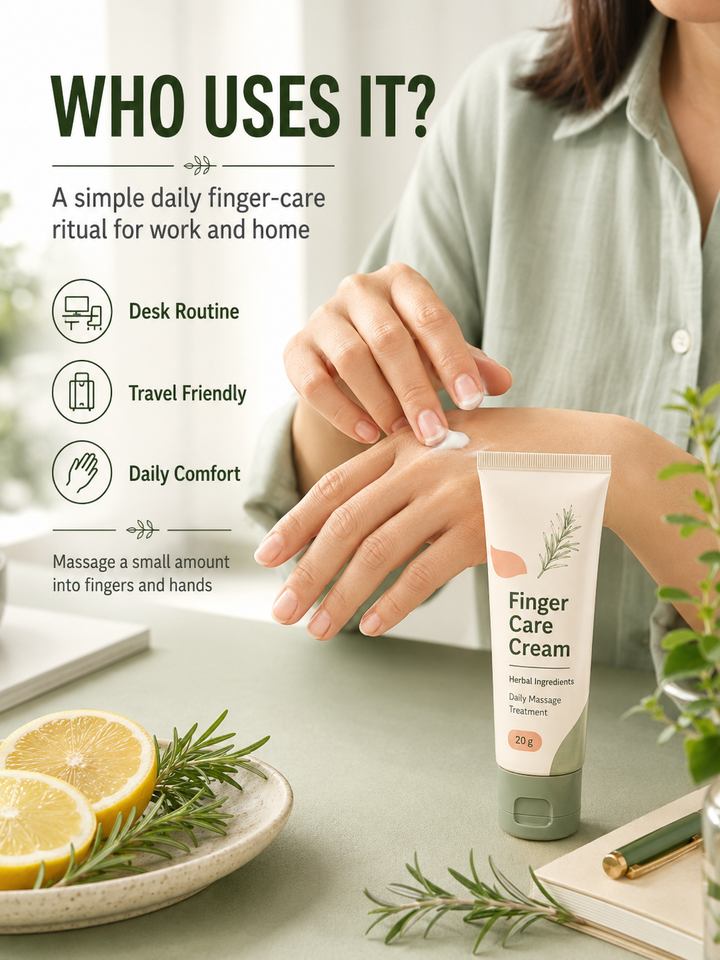
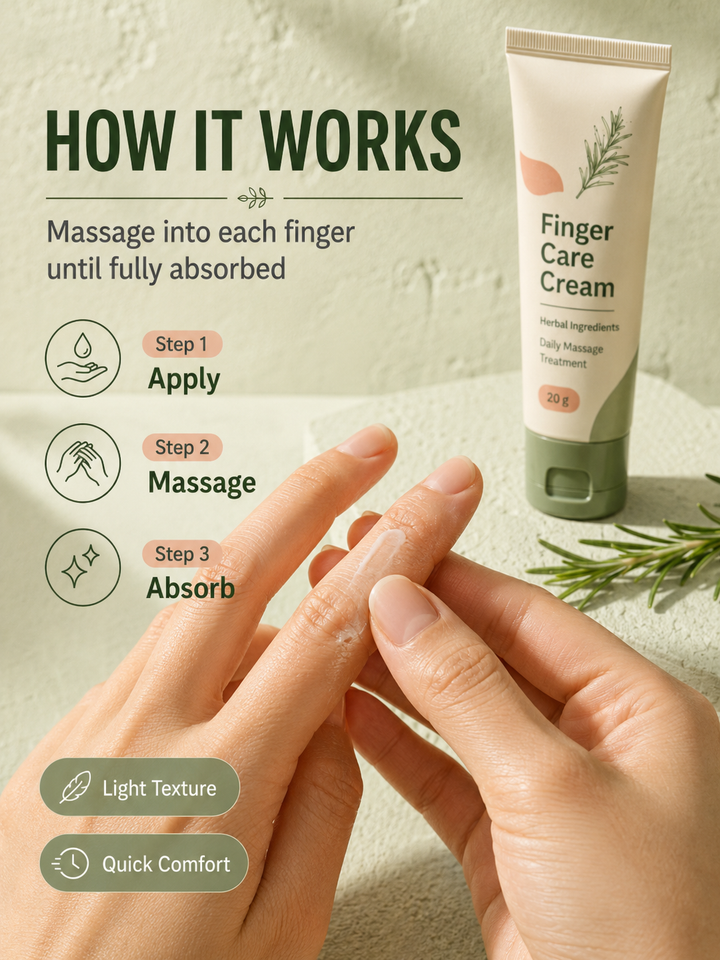
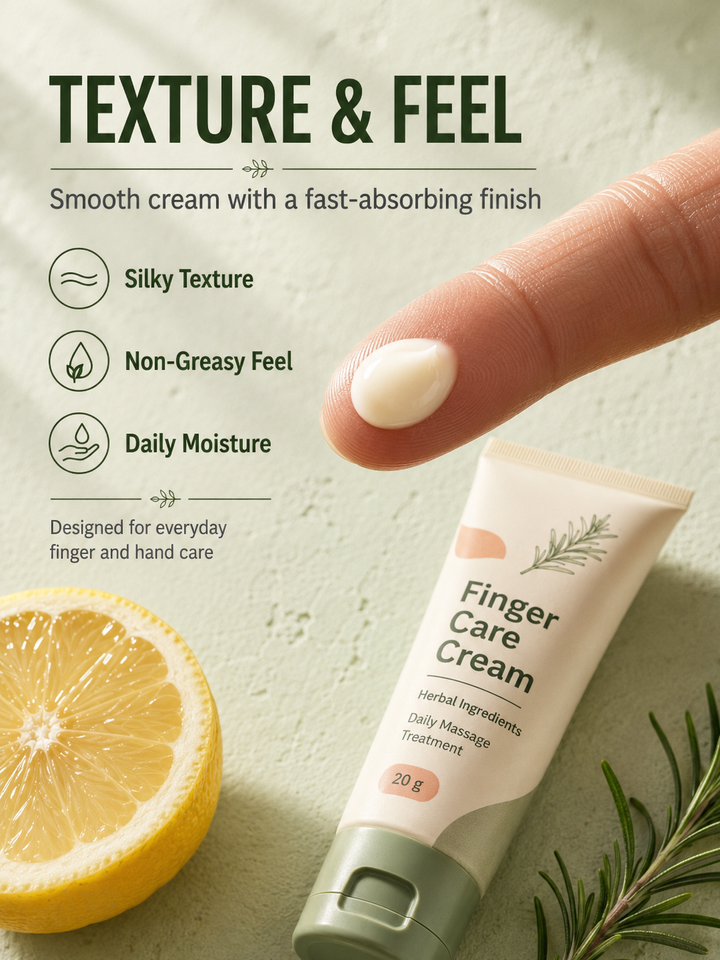
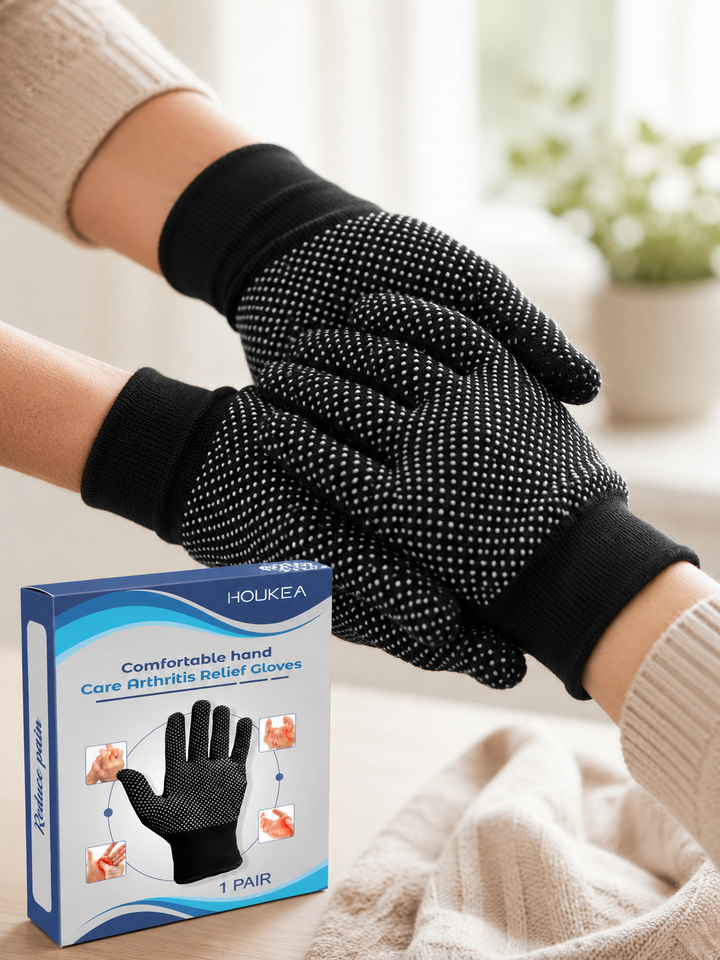
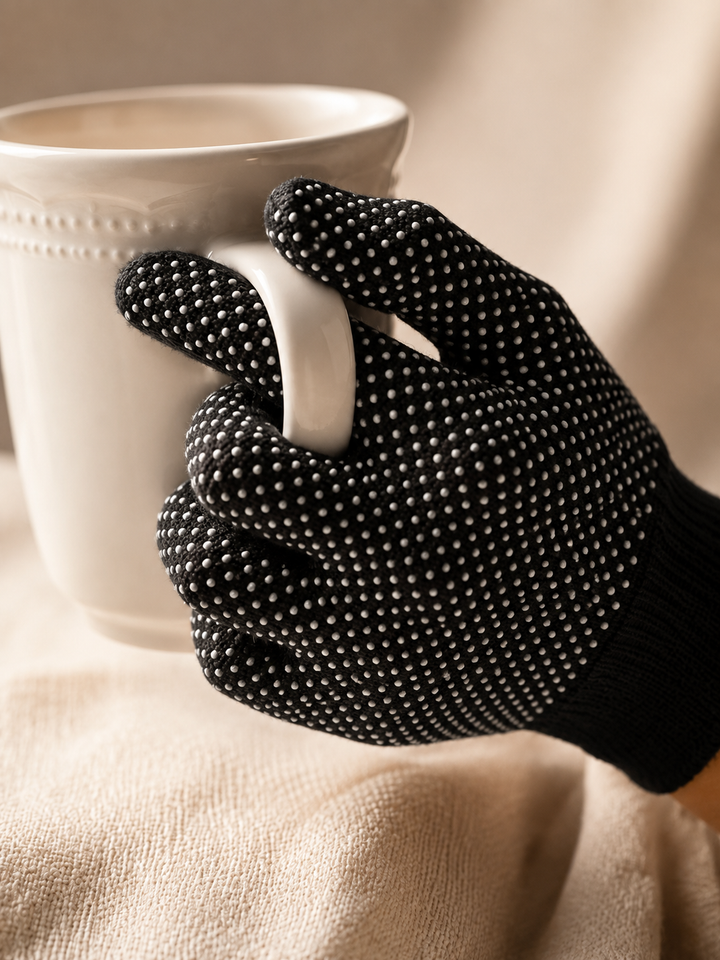
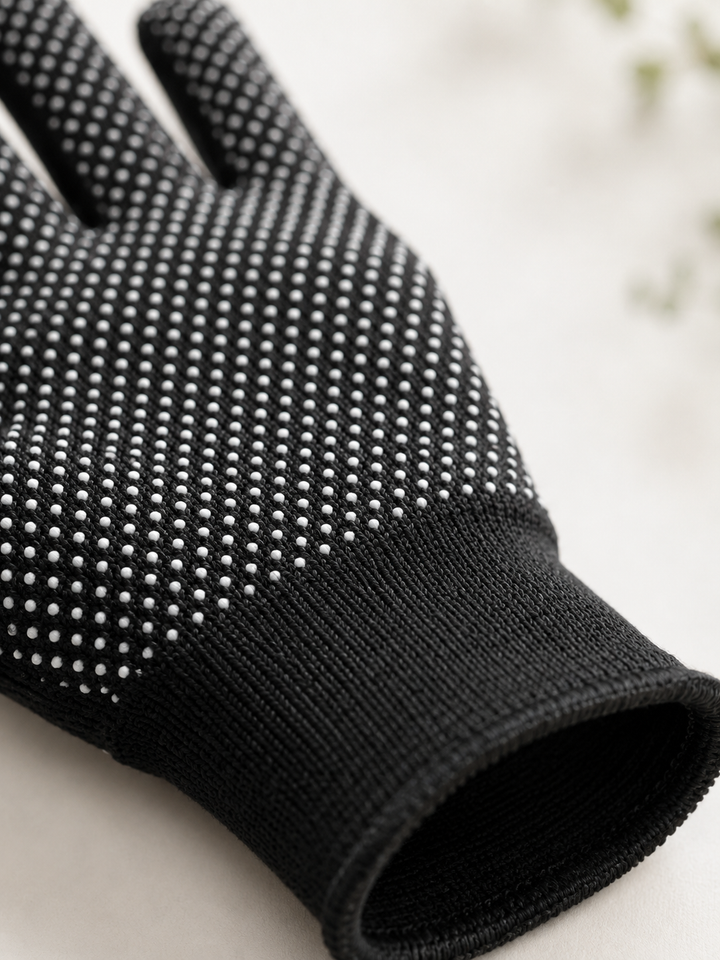
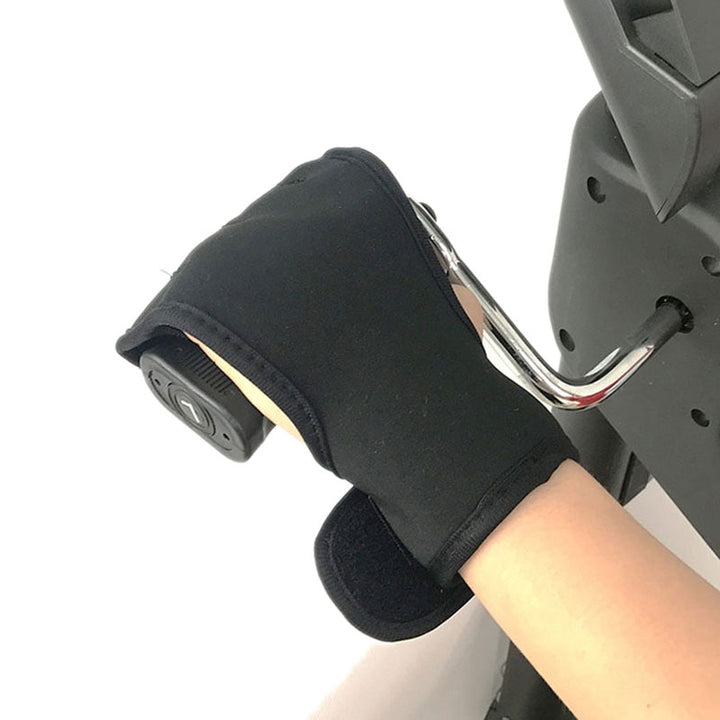
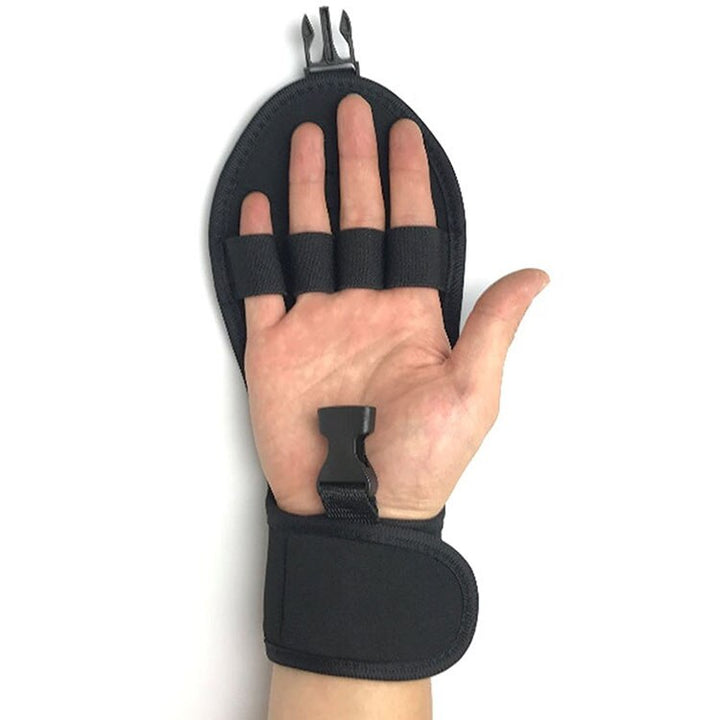
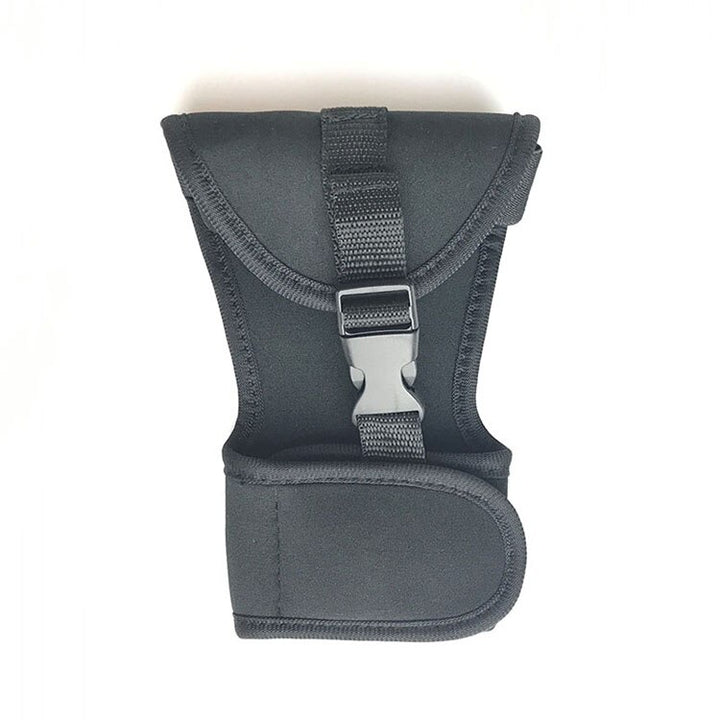
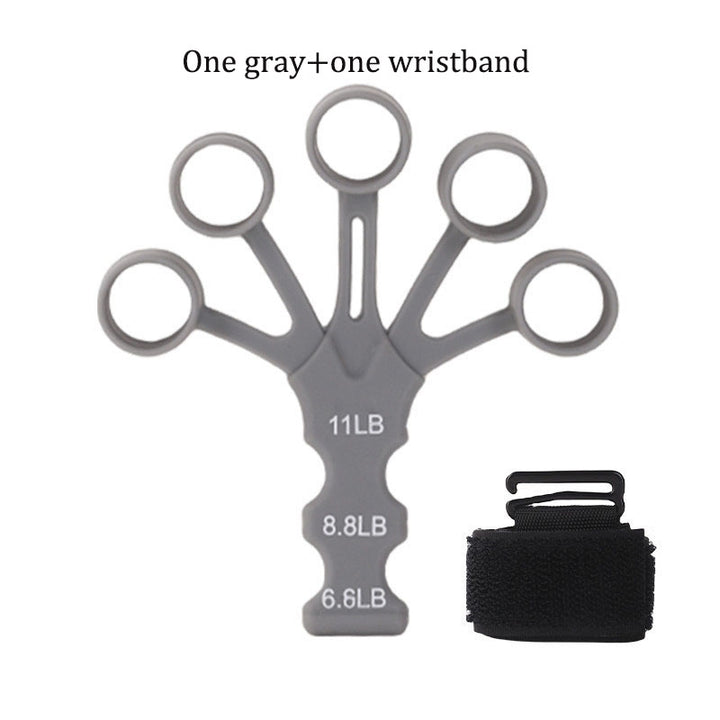
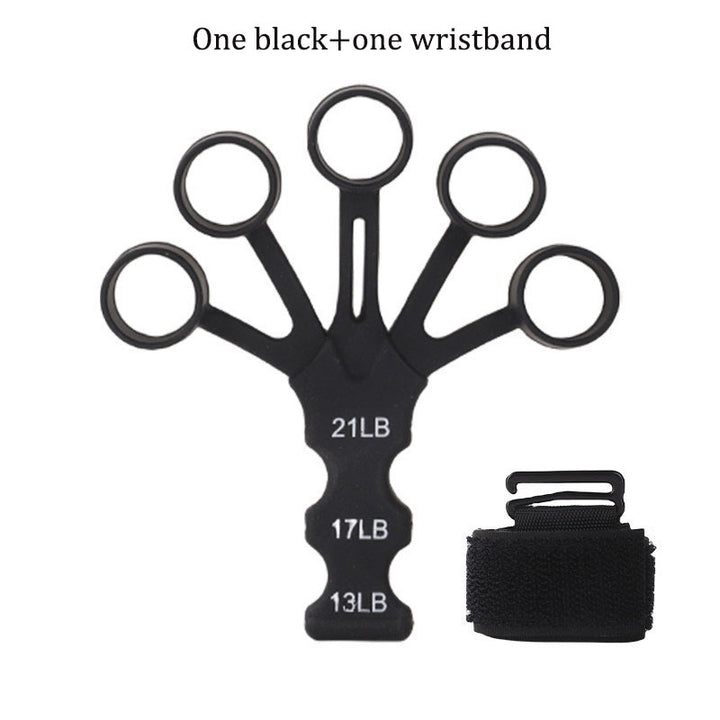
Start with your goal rather than the product name. If you want progressive resistance for squeezing, look for a hand gripper or adjustable grip trainer. For isolated finger work, a 5-Finger Silicone Grip Trainer lets you train each finger through a compact, flexible design. If your priority is positioning or support during daily tasks, consider a Finger & Wrist Splint or Hand Brace Glove. Arthritis Relief Gloves are designed for a close fit with a non-slip surface, while Finger Numbness Cream is a topical product rather than a strength trainer. Check sizing, adjustability, materials, and care instructions before ordering. The best hand grip strengthener is one you can hold comfortably and use with controlled movement.
Hand gripper types compared
Traditional hand grippers usually use two handles and spring resistance, making them suitable for repeated squeezing and release practice. Adjustable models can be useful when you want to change the challenge as your routine develops. Finger trainers use separate loops or silicone channels to focus more directly on finger opening and closing, which can complement a grip trainer. Support products work differently: a Finger & Wrist Splint helps hold the hand and wrist in a chosen position, while a Hand Brace Glove provides coverage and support during selected activities. Arthritis Relief Gloves emphasize comfort and grip on surfaces rather than resistance training. Compare these functions carefully; a brace or glove is not a substitute for a hand gripper.
What to look for in a hand grip strengthener
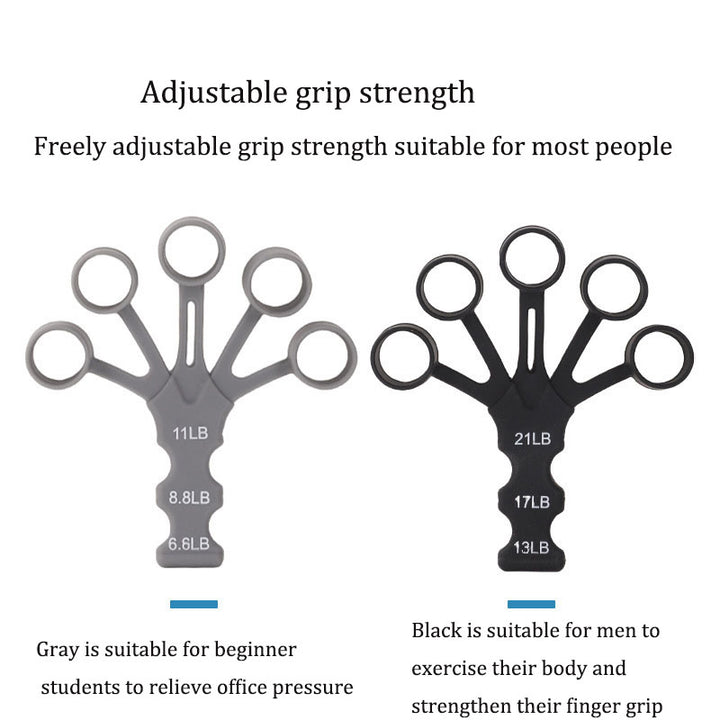
Look for a handle shape that allows a secure, neutral hold without forcing your fingers into an awkward position. Adjustable resistance is helpful if more than one person will use the trainer or if you prefer gradual changes. A textured or non-slip surface can improve control, especially during longer sessions. For finger trainers, check whether the loops fit comfortably around all five fingers and whether the silicone feels flexible enough for controlled repetitions. Inspect product dimensions and sizing guidance before buying, particularly for gloves and splints. Easy-clean materials are practical for frequent use. If you are comparing a hand grip strengthener on Amazon or another marketplace, read the specifications and customer fit notes rather than relying only on the product title.
How to use hand trainers and grip trainer exercises
Begin with a light, controlled squeeze or finger movement and keep your wrist in a comfortable, neutral position. Move slowly through the available range instead of snapping the handles together or stretching the fingers aggressively. For a hand gripper, alternate full squeezes with shorter holds; for a 5-Finger Silicone Grip Trainer, practice opening and closing the fingers evenly. Keep the shoulder relaxed and avoid gripping other objects tightly at the same time. Short, consistent sessions are generally easier to manage than exhausting your hand in one attempt. Stop if you feel sharp pain, unusual numbness, or worsening discomfort. Braces and gloves should be fitted according to their instructions and should not be used as resistance devices.
What are common hand gripper mistakes?
A common mistake is choosing resistance that is too high, causing the wrist to bend or the fingers to lose control. Another is using fast, partial repetitions and counting volume instead of focusing on smooth movement. Avoid squeezing continuously without breaks, placing the thumb in an unstable position, or training only one side when balanced hand use matters to you. Do not assume that a splint or glove should feel tight enough to restrict normal circulation, and check fit instructions before wearing either for extended periods. Using a Finger Numbness Cream or Arthritis Relief Gloves does not turn them into strength equipment. If symptoms persist or your hand function changes, seek advice from a qualified healthcare professional.
Who should use hand trainers?
Hand trainers can suit shoppers who want a compact option for grip practice, finger coordination exercises, or regular hand-strength routines. A hand gripper may appeal to people who prefer squeeze-based training, while a finger trainer is better for those who want more individual finger movement. Supportive products may suit people seeking help with hand positioning or a more secure hold during selected everyday activities, but they are not appropriate for every condition or recovery plan. Anyone with an existing injury, recent procedure, persistent pain, swelling, or reduced sensation should ask a qualified professional before starting resistance exercises. Choose based on comfort, fit, and intended use, and stop using the product if it causes pain or unusual symptoms.
Frequently asked questions
Do hand grip trainers actually work?
They can provide repeatable resistance for squeezing and releasing, which may help you practice grip strength and control when used consistently. Results depend on the resistance, technique, frequency, and your starting point. They are not a replacement for professional advice when pain, injury, or reduced hand function is involved.
What is the best hand exerciser?
The best hand exerciser depends on what you want to train. Choose an adjustable hand gripper for squeeze-based resistance, a 5-Finger Silicone Grip Trainer for finger-focused movements, or a supportive glove or splint when positioning and comfort are the priority. Fit and comfortable control matter more than choosing the most complicated design.
Is it okay to use hand grippers every day?
Some people may use light hand-gripper practice frequently, but the right schedule depends on resistance, effort, recovery, and your individual condition. Avoid training through pain or persistent fatigue, and allow recovery when your hands feel overworked. If you have an injury or ongoing symptoms, ask a qualified healthcare professional about frequency.
What are the downsides of using a hand grip strengthener?
Using resistance that is too high or technique that is uncontrolled can overload the fingers, hand, or wrist. Repetitive use without adequate rest may also cause temporary soreness or irritation. A hand gripper may not address finger mobility or wrist positioning, so another product type may be more appropriate for your goal.
How long should you use hand grippers for?
Use them for a manageable session that allows smooth repetitions and good control rather than training until your grip fails. Start conservatively, take breaks, and adjust the resistance or volume based on how your hands respond. Stop if you experience sharp pain, unusual numbness, or worsening discomfort.
What are common hand gripper mistakes?
Common mistakes include selecting excessive resistance, bending the wrist, using fast partial squeezes, and skipping rest periods. Some users also grip too tightly with the thumb or continue despite pain. Keep the movement controlled, maintain a comfortable wrist position, and follow the product's fitting and use instructions.