
$49.90
Free delivery · 7–14 days
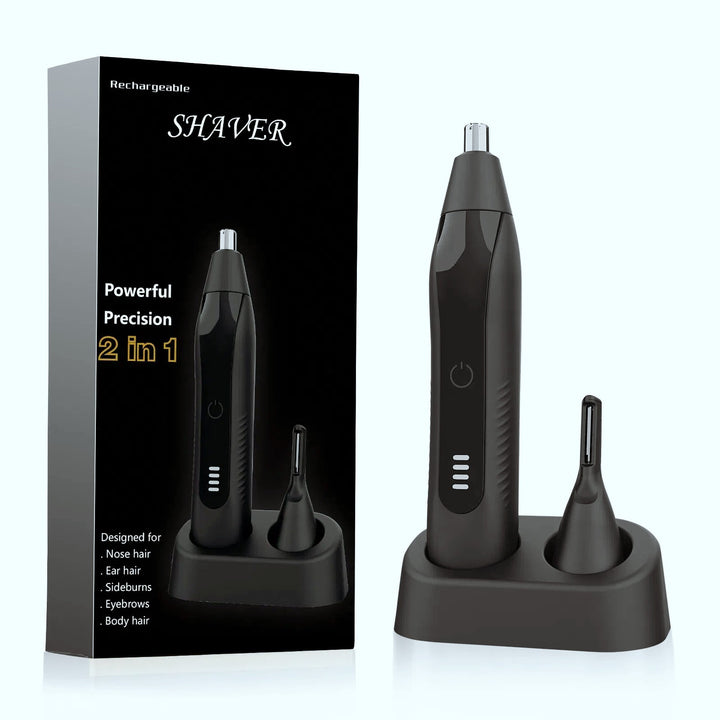
4‑in‑1 Rechargeable Nose Hair Trimmer — Precise Ear




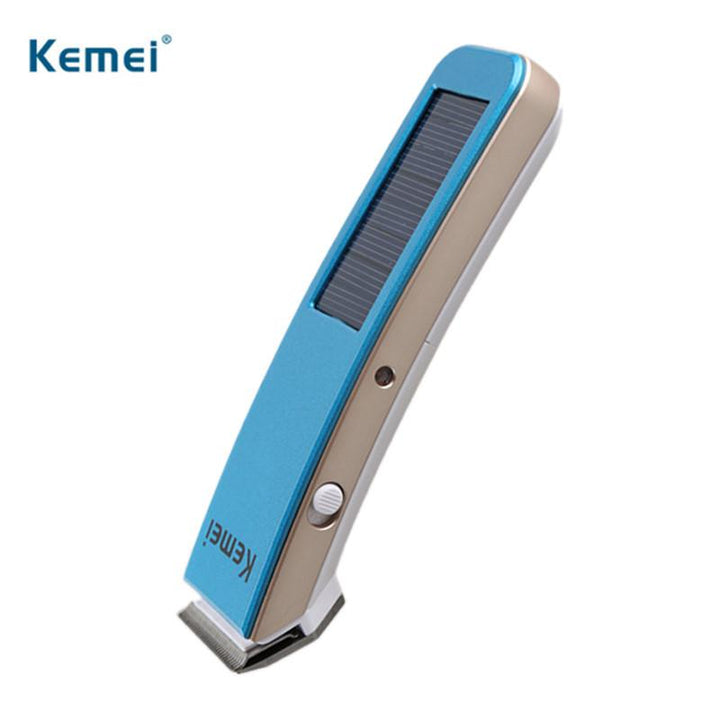


Hair trimmers cover several grooming jobs, from close beard edging and hairline detailing to full haircuts and nose or ear grooming. This category includes cordless professional clippers, 5-in-1 grooming kits, and compact nose and ear trimmers, so the right choice depends on the area you want to groom and the attachments you need.
Start by matching the tool to your main grooming task. For full haircuts, choose professional hair clippers with a cutting head and guide combs. For beard lines, sideburns, and edges, a compact hair trimmer or multi-grooming kit is easier to control. Nose and ear models are designed for those specific areas and should not be treated as substitutes for head-hair clippers. Cordless hair clippers are convenient for home use because they avoid a cable while you work, but check charging details and expected run time before buying. If several people will use the tool, look for washable or disassemblable parts where stated, plus attachments that can be removed for cleaning. A 5-in-1 kit may suit shoppers who want one device for hair, beard, and facial grooming.
Hair clippers are generally built to remove more hair across larger areas, making them suitable for home haircuts and professional barber-style work. Hair trimmers are usually more compact and better suited to outlining, short detailing, beard shaping, and tidying around the ears or neckline. A professional cordless barber clipper can be useful for repeated full-haircut work, while a 5-in-1 men's grooming kit offers more flexibility for beard and facial maintenance. Nose and ear trimmers use a dedicated head for those hard-to-reach areas. When comparing hair clippers for men, hair clippers for women, or general family use, focus on the included guards, cutting width, grip, cleaning method, and power format rather than the label alone. The best hair clippers are the ones that match your routine.
For cordless hair clippers, check how the unit charges, whether it can be used away from an outlet, and how clearly the charge status is shown. A comfortable grip matters when trimming a full head or shaping several areas in one session. Guide combs help maintain a consistent length, while a detail-focused head is useful for edges and facial hair. For nose and ear models, look for a protective head, simple controls, and an easy-clean design. Some products in this category are rechargeable, while others emphasize quiet operation or a compact format; compare these features with your priorities instead of assuming every model works the same way. Also confirm which attachments are included. A device advertised as a multi-function kit is most useful when its supplied heads cover the areas you actually groom.
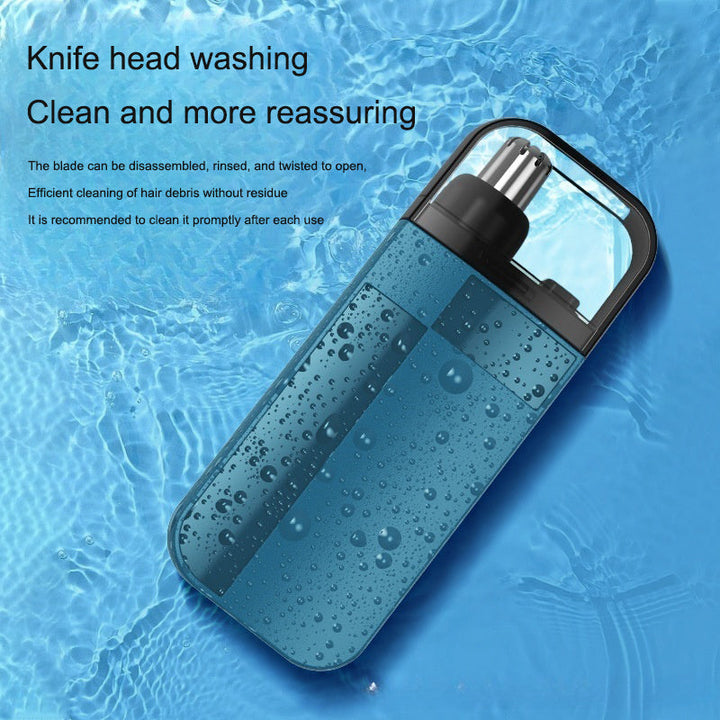
Begin with clean, dry hair unless the product instructions say otherwise, and select a guide comb before switching the trimmer on. For a haircut, work in sections and move against the direction of growth with steady, overlapping passes. Around the neckline, sideburns, and beard edges, use the bare detail head carefully and keep the skin reasonably taut. Nose and ear trimmers should be guided only around the visible hair at the opening; do not force the head deeper than the instructions allow. Turn the device off before changing attachments. After use, remove loose hair with the supplied brush or cleaning method, then let washable parts dry fully before reassembly. A cordless trimmer is convenient for home use, but a mirror, good lighting, and an uncluttered work area make control easier.
One common mistake is using a nose hair trimmer for a full haircut or expecting a detail trimmer to remove large amounts of head hair efficiently. Another is starting with no guard when you want an even length; use a longer guide first and move shorter only if needed. Pressing too hard can make passes uneven and may pull hair, so let the cutting head do the work. Do not change attachments while the device is running, and do not rinse a unit unless its product instructions permit it. Leaving hair and moisture around the blades can affect future performance, while storing loose attachments makes them easy to lose. Finally, avoid judging a haircut by a single number alone: guard numbering and included lengths can vary, so check the product details before choosing a setting.
A professional cordless clipper suits shoppers who regularly cut short hairstyles, maintain fades or tapers, or want a tool designed for repeated full-haircut sessions. A multi-grooming kit is a better fit if you want one rechargeable device for head hair, beard work, sideburns, and facial detailing. Compact nose and ear trimmers are practical for shoppers who only need discreet grooming in those areas and do not need a full clipper. These products can suit men and women; the deciding factors are hair length, styling routine, attachments, and handling comfort rather than gender. For occasional home use, prioritize simple controls, useful guards, and easy cleaning. For frequent grooming, compare charging, construction, replacement parts if listed, and the number of tasks each included head can handle.
The best hair trimmer depends on the job. Choose professional cordless clippers for full haircuts, a multi-grooming kit for hair and beard maintenance, or a dedicated nose and ear trimmer for those areas.
For home use, look for a comfortable cordless design with clear controls, useful guide combs, and an easy cleaning routine. A 5-in-1 kit is convenient when you want one device for several grooming tasks, while a dedicated clipper is better for regular full haircuts.
Clippers are generally intended for cutting more hair across larger areas, such as the head. Trimmers are usually smaller and suited to edging, detailing, beard lines, sideburns, and short grooming around precise areas.
A number 1 usually refers to a short guard setting, but the exact result depends on the clipper and its included guide comb. Check the product's stated cutting lengths, and start with a longer guard if you are unsure.
Popular choices vary, but practical styles often include short textured cuts, classic side parts, crew cuts, and neatly tapered styles. A cordless clipper with guide combs can help maintain an even length, while a detail trimmer can tidy the neckline and sideburns.
The phrase usually refers to guard numbers, such as number 1, number 2, and number 3, arranged from shorter to longer settings. Numbering is not identical across every product, so confirm the actual cutting lengths and included combs before trimming.