Hair Regrowth Serum & Microneedling for Hair Loss & Growth
12 items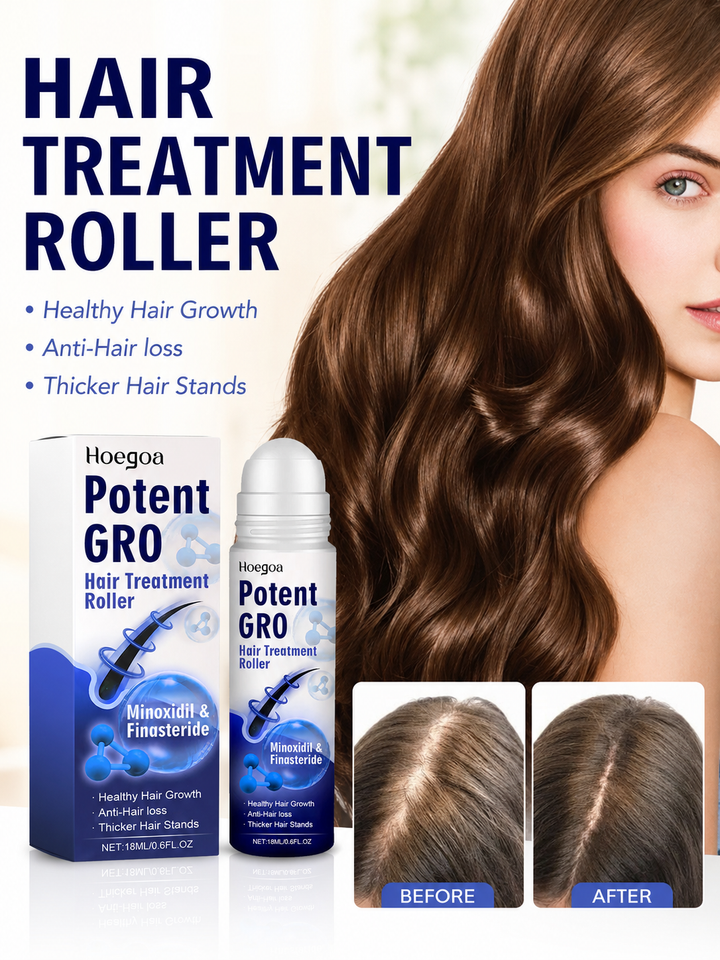


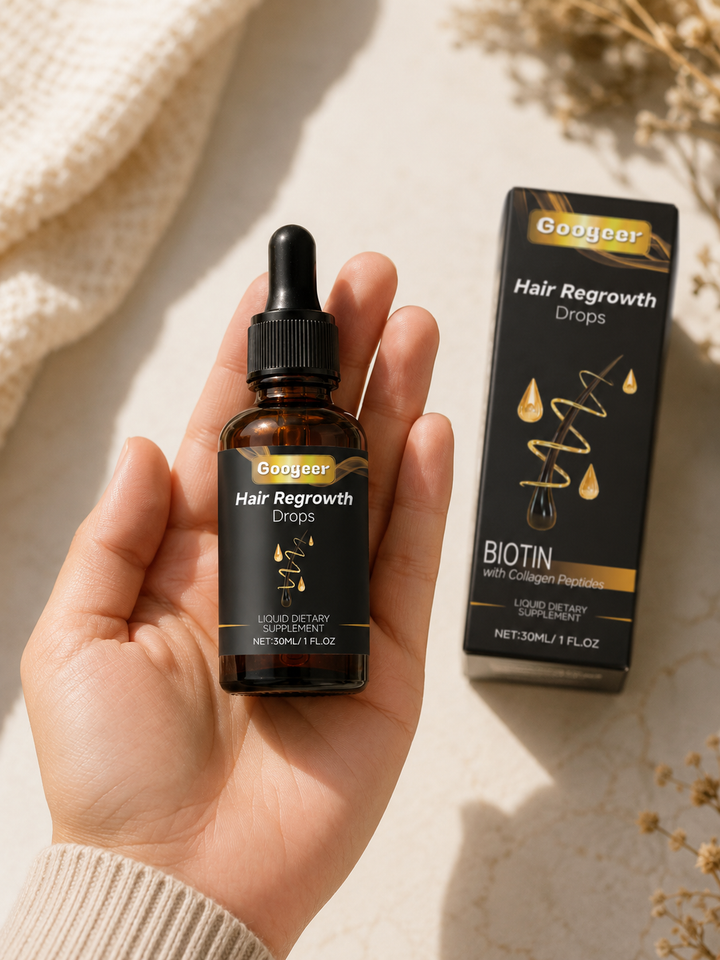


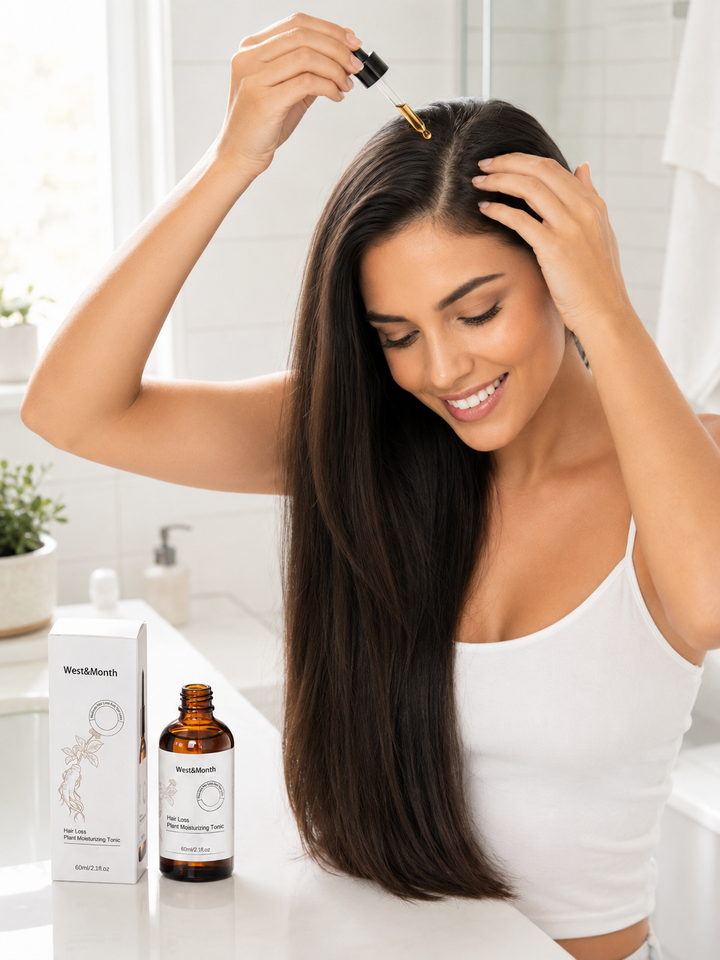

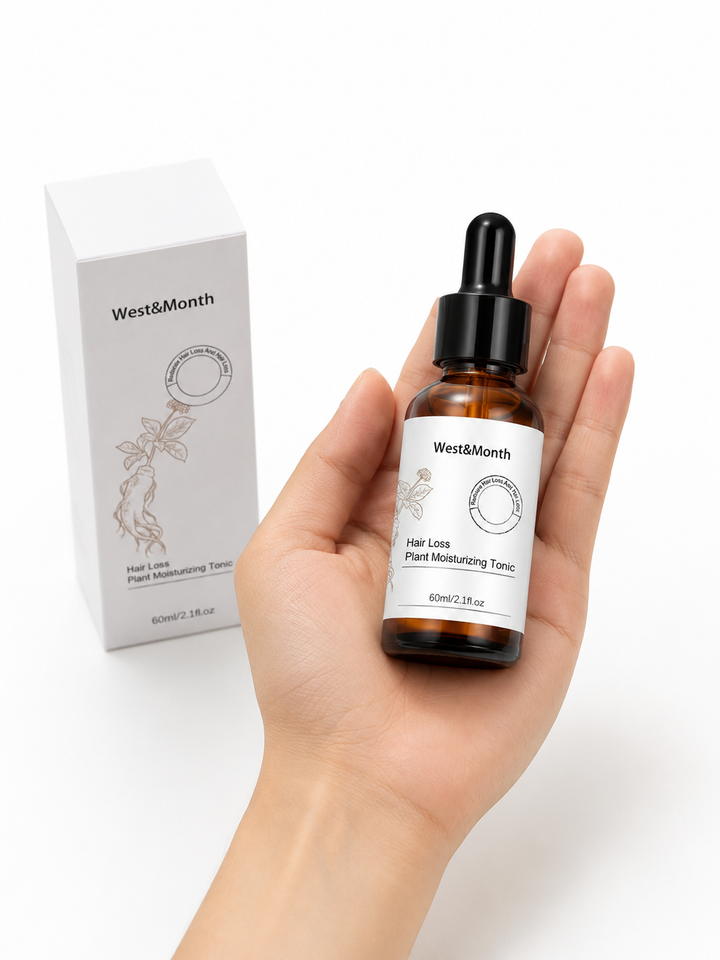


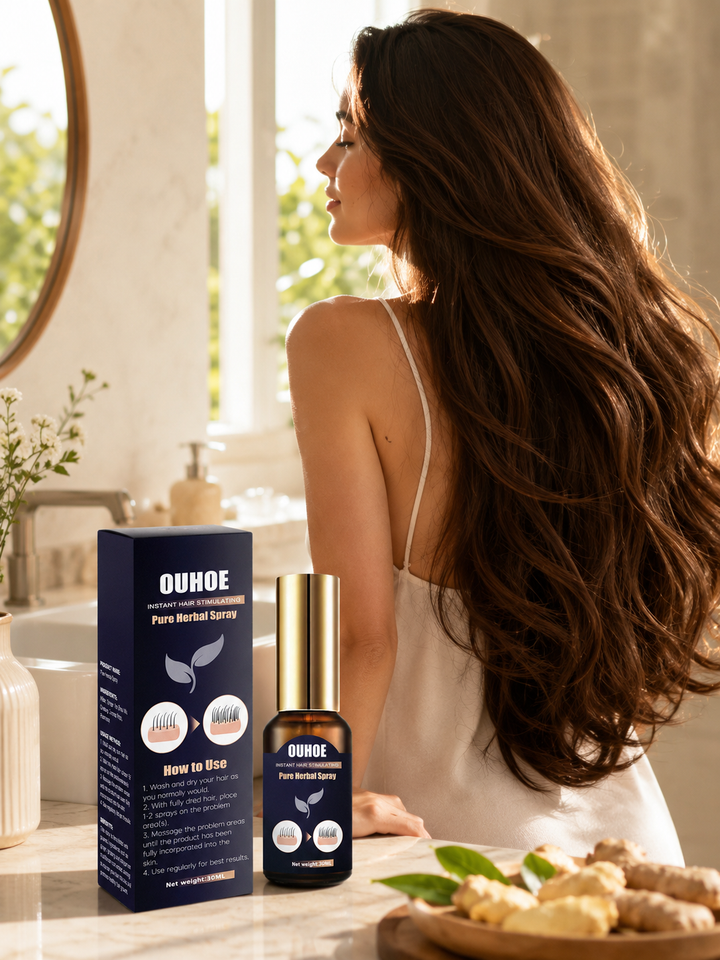


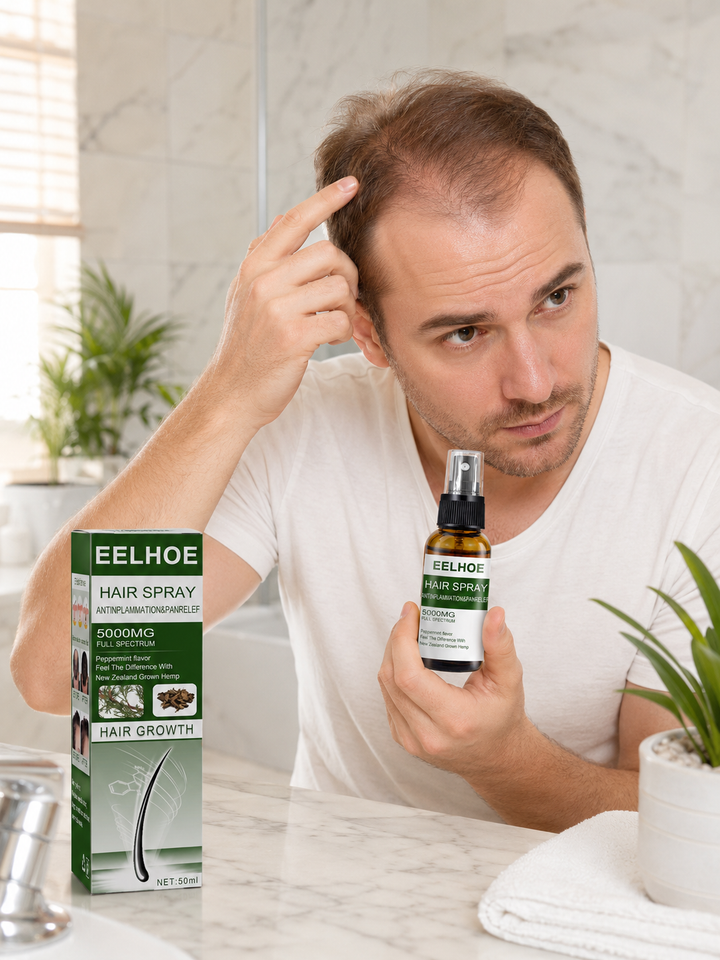
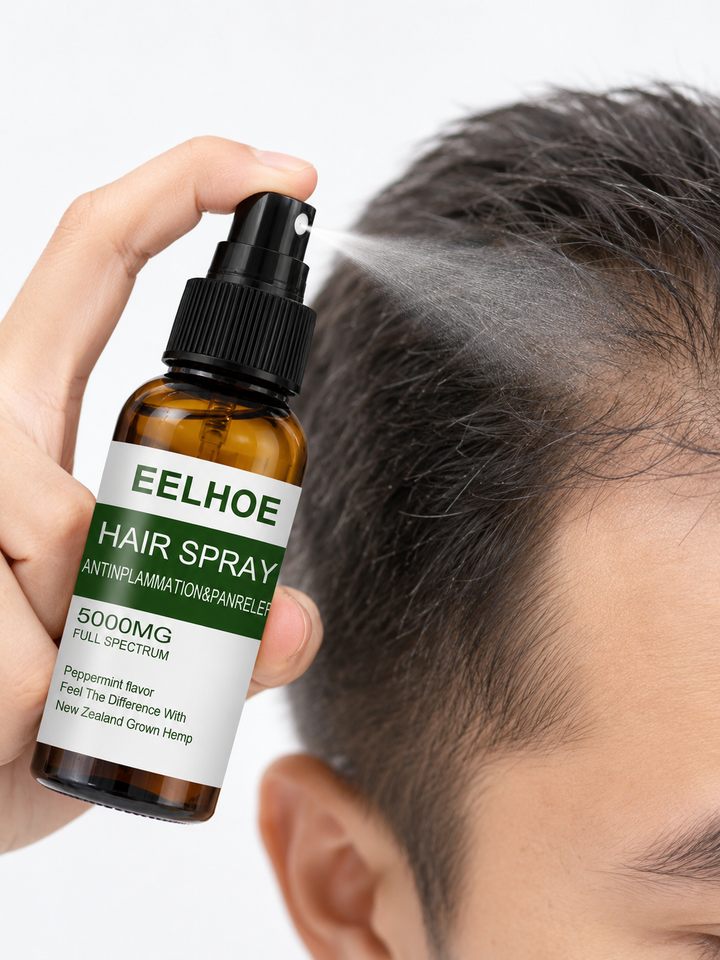


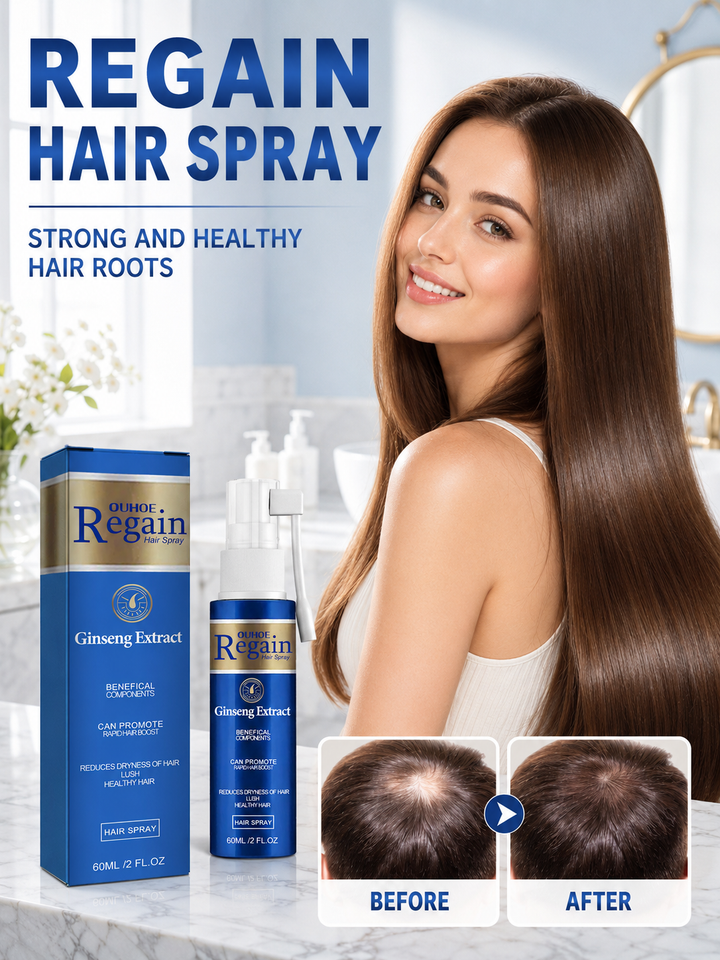
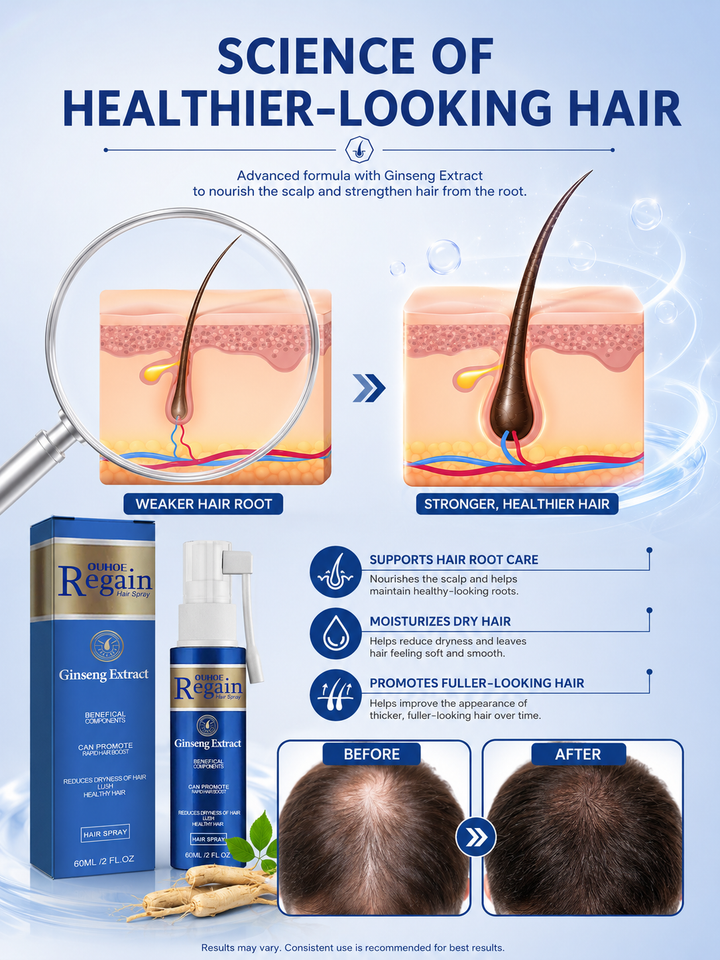
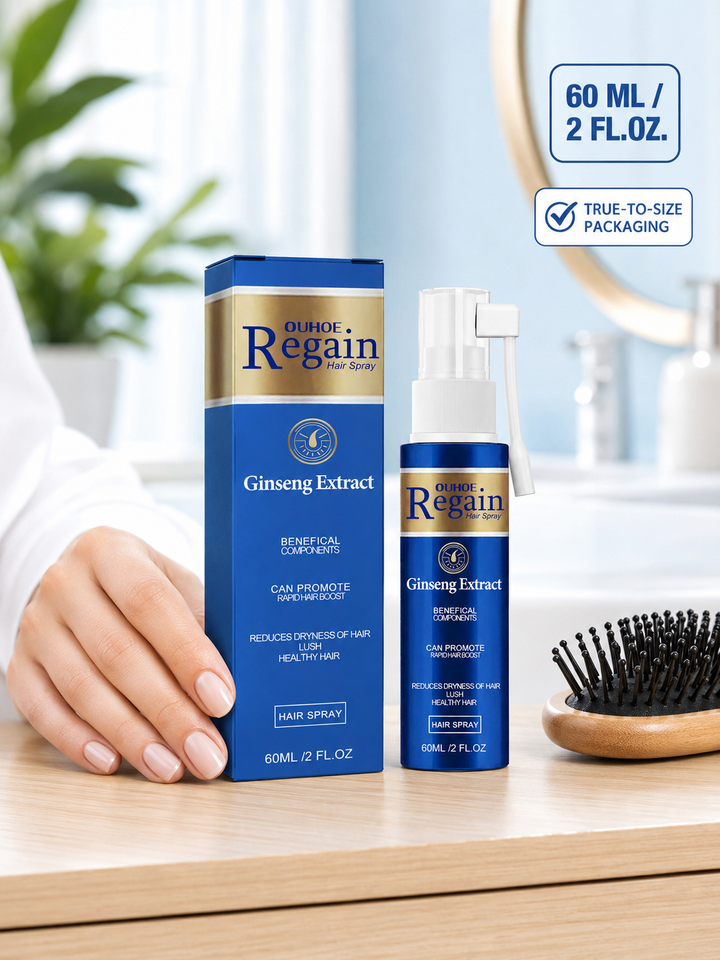

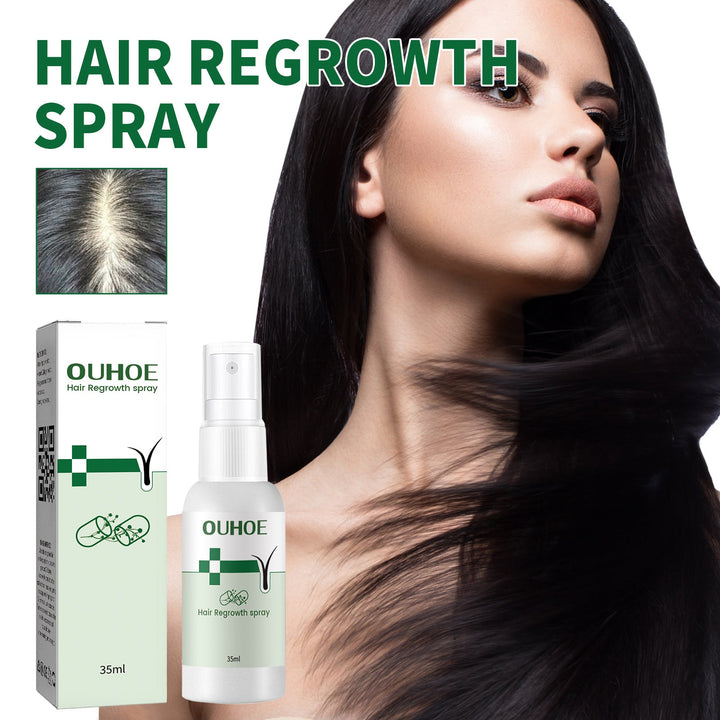
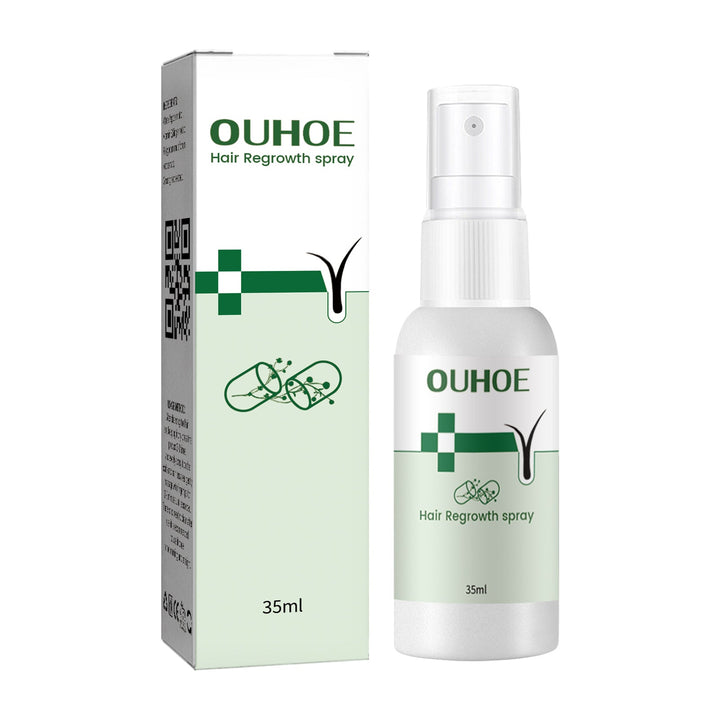

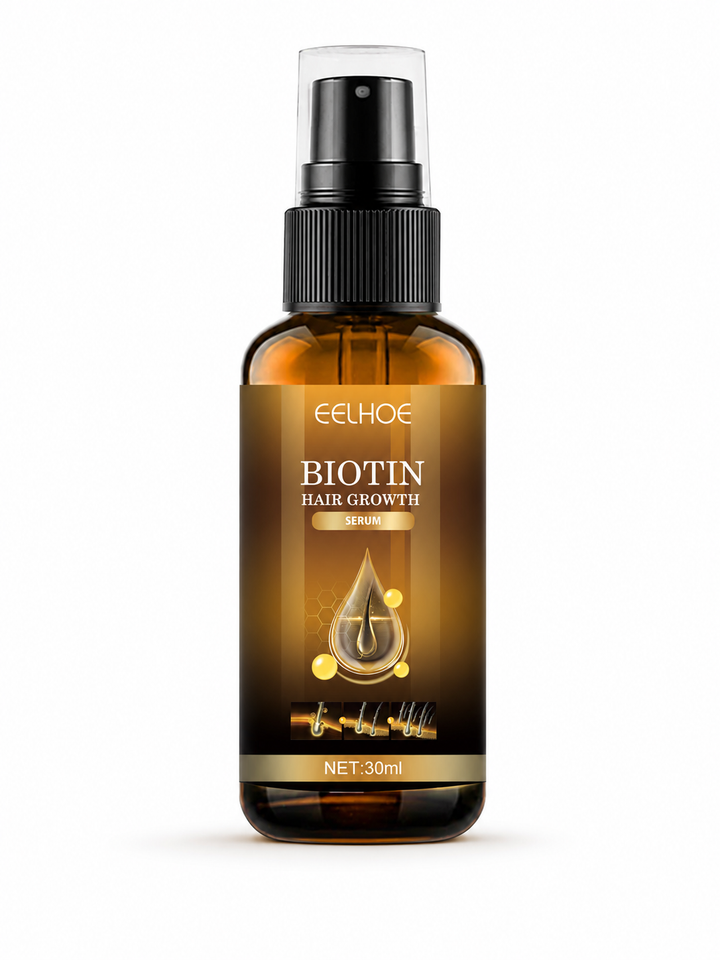
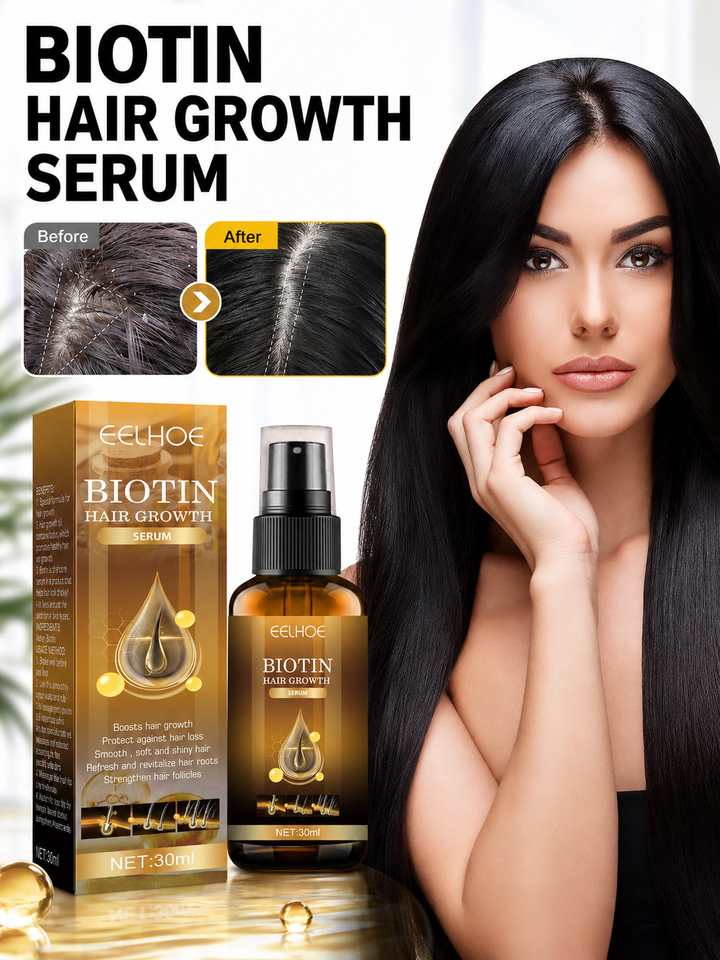
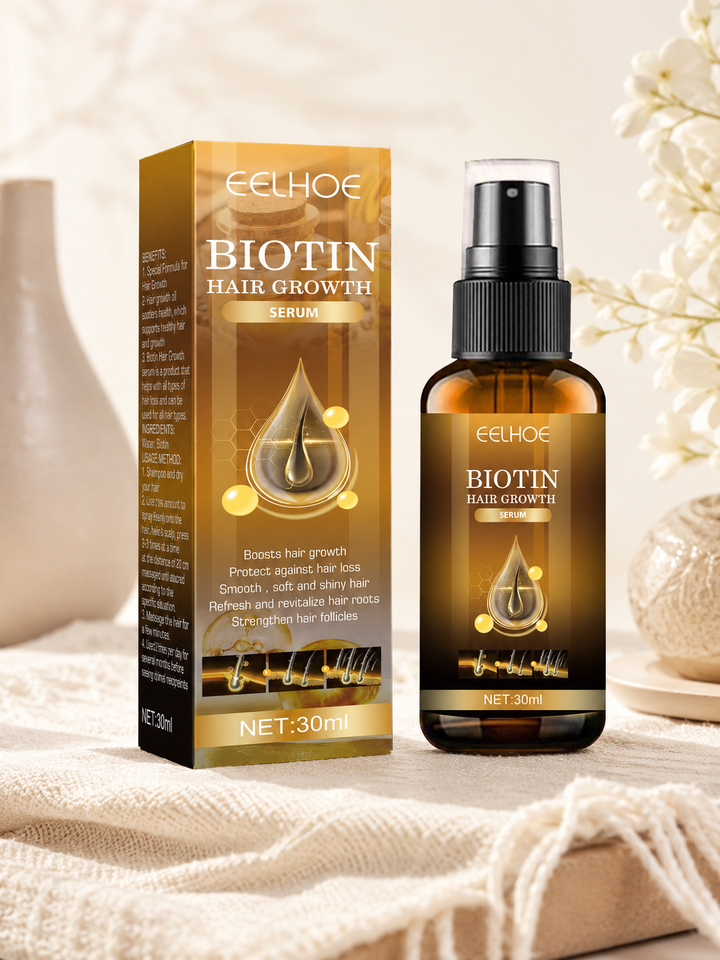
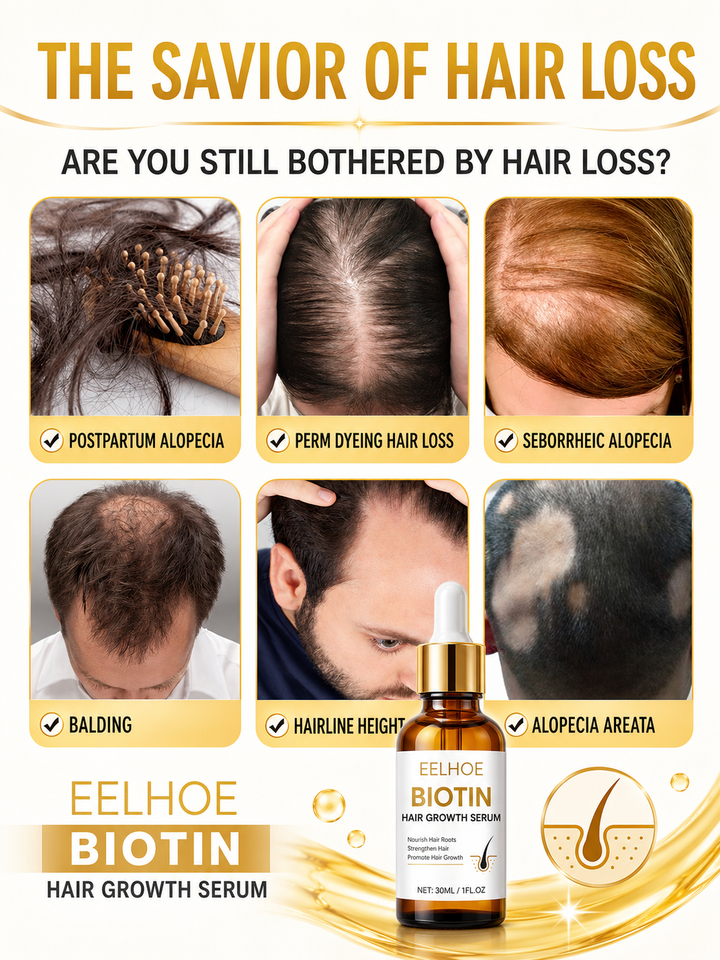

Explore hair regrowth options designed to support the look of fuller, healthier hair, including serums, sprays, oils, tonics, and microneedling tools. Compare ingredients, application methods, and routine requirements to find a product that fits your hair-care goals for men or women.
How to choose a hair regrowth treatment
Start by deciding whether you want a leave-in topical, an oil-based treatment, or a microneedling routine. Serums and sprays are convenient for regular scalp application, while onion oil and plant tonics may suit shoppers who prefer botanical-focused formulas. If you are considering hair regrowth minoxidil or a product containing finasteride, read the label carefully and seek advice from a qualified healthcare professional before use. Check whether the formula is intended for the scalp, how often it should be applied, and whether it is suitable for your hair type. For men and women comparing hair regrowth treatment options, consistency, easy application, and clear directions are usually more practical than choosing based on a bold “fast growth” claim.
Hair regrowth products compared: serums, sprays, oils, and rollers
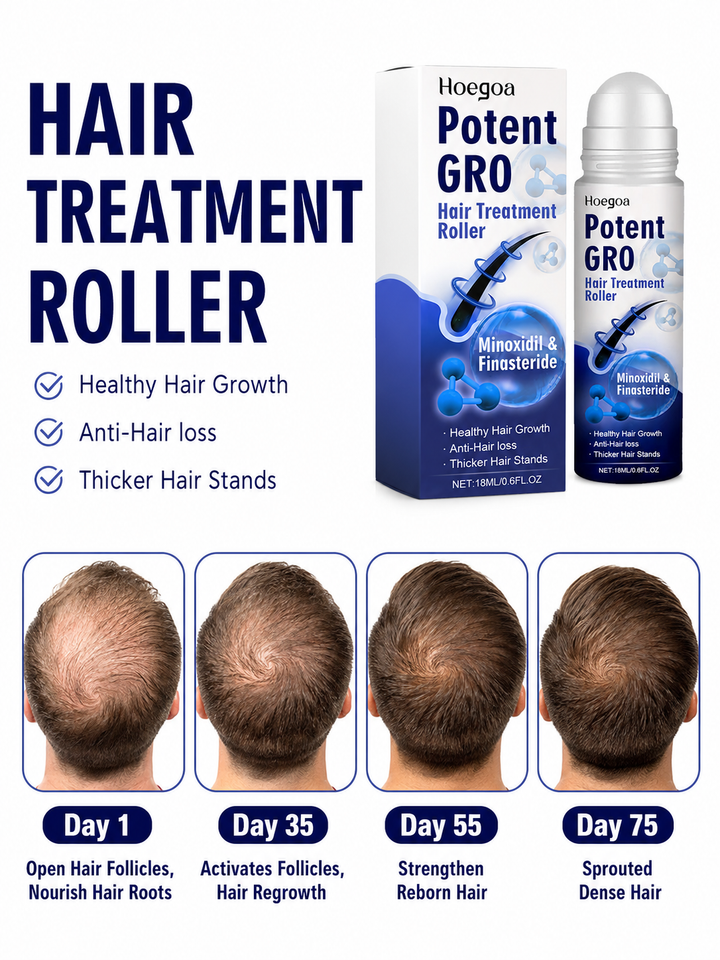
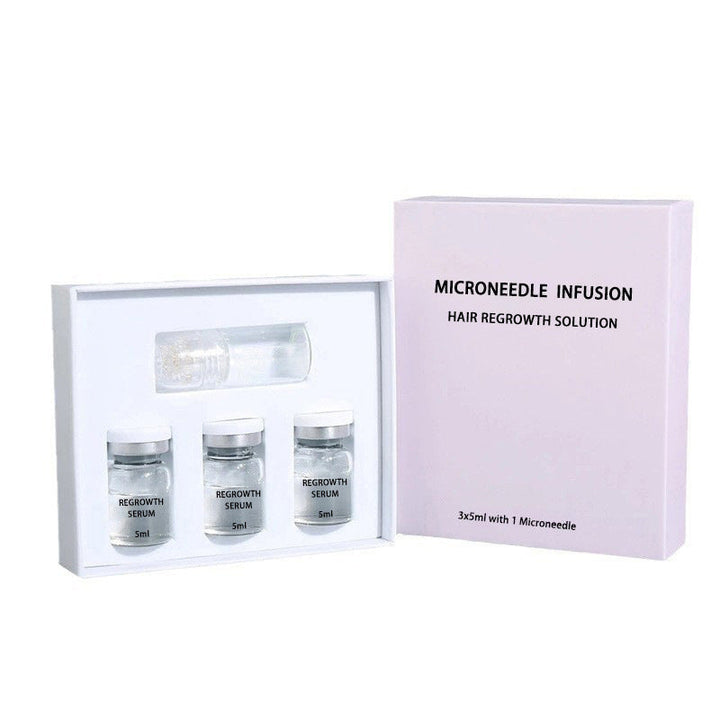
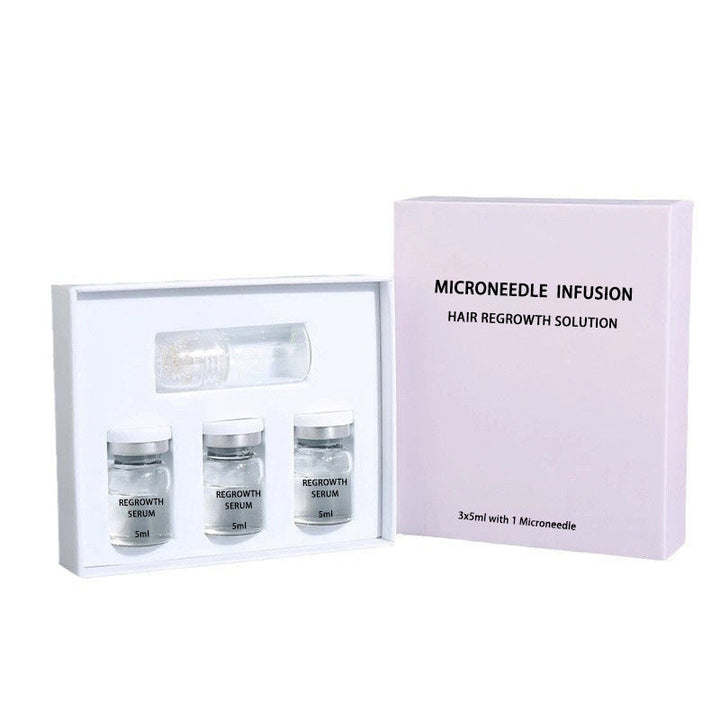
Hair growth serums are lightweight and easy to target at areas that look sparse. Sprays can cover a wider scalp area and work well for shoppers who want a quick, low-mess step. Onion oil may provide a richer conditioning feel, but it can require more thorough washing depending on your hair type. Plant tonics and ginseng sprays offer botanical alternatives for a regular scalp-care routine. A microneedle hair regrowth serum kit combines a topical serum with a roller, so it requires more careful preparation and cleaning than a standard leave-in product. Hair growth rollers paired with minoxidil or finasteride need especially careful label review and professional guidance because these are active ingredients, not simply cosmetic styling products.
What to look for in hair regrowth products
Look for a complete ingredient list, clear directions, application frequency, storage instructions, and warnings about irritation or contact with the eyes. A targeted nozzle or spray applicator can make it easier to reach the scalp without coating the hair. If you prefer a lightweight finish, compare serum and spray textures; if your hair is dry or coarse, an oil may feel more conditioning. Shoppers seeking hair regrowth naturally can focus on botanical formulas such as ginseng, onion oil, or plant tonics, while shoppers comparing hair regrowth minoxidil should check the exact active ingredient and concentration on the packaging. Avoid relying on phrases such as “new growth” or “visible density” alone; choose a formula whose routine and ingredients you understand.
How to use a hair regrowth serum or microneedling kit
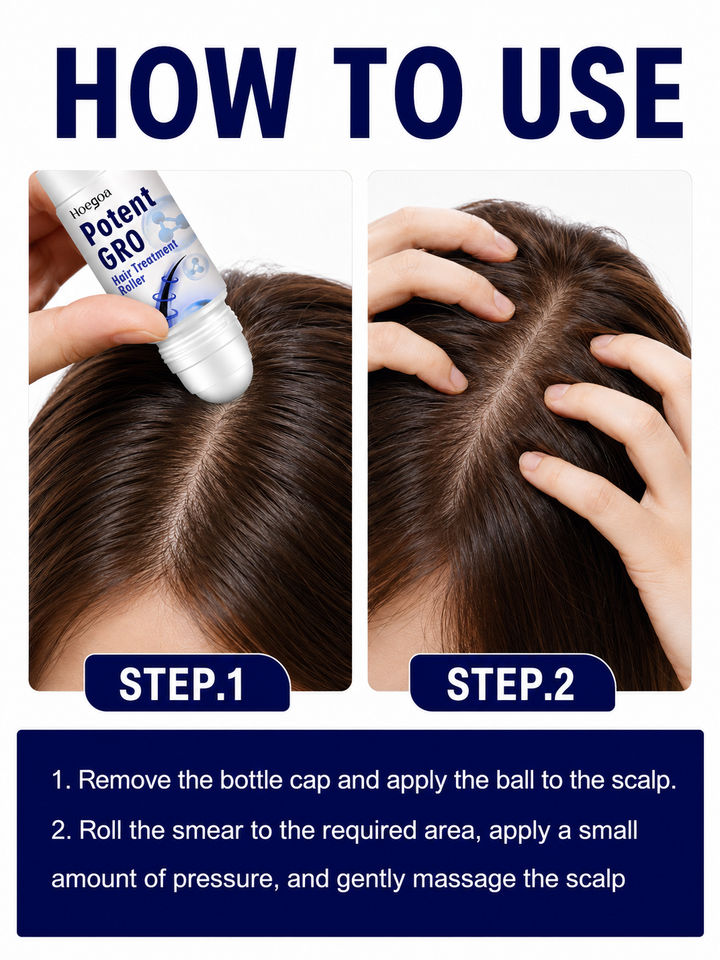
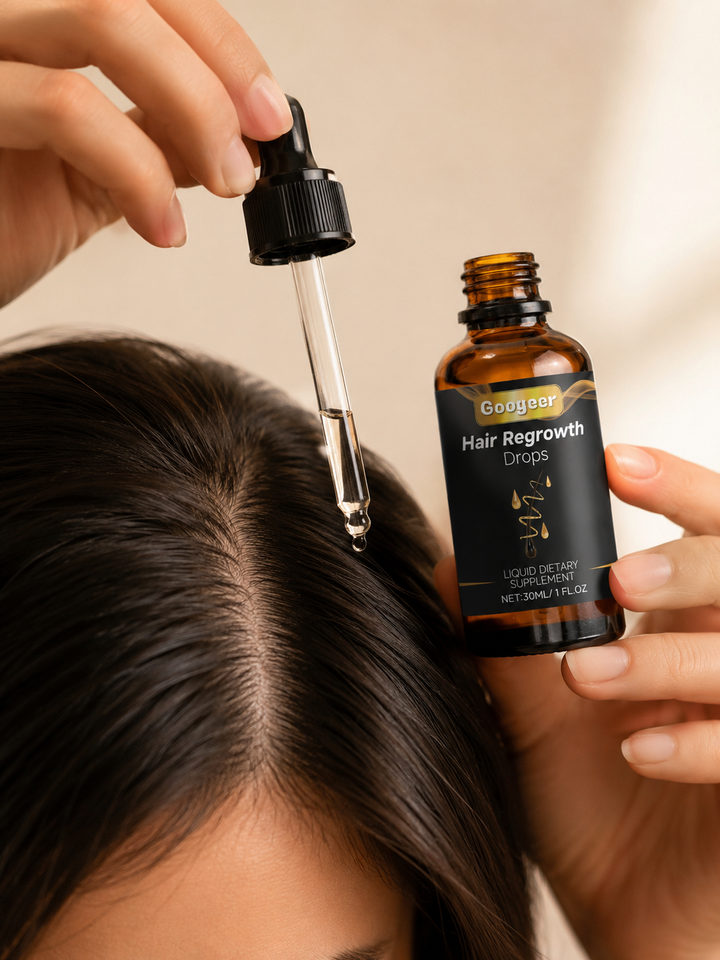
Follow the product instructions rather than combining several treatments at once. For a serum, spray, or tonic, apply the directed amount to a clean, dry scalp, parting the hair so the formula reaches the skin, then allow it to dry before styling. Wash your hands after application and avoid the eyes. With a microneedling kit, clean the roller and scalp as instructed, use gentle pressure, and never share the tool. Do not apply a product to broken, irritated, or infected skin. If a formula contains minoxidil or finasteride, follow its specific directions and ask a healthcare professional about safe use, possible interactions, and whether it is appropriate for you. Stop if severe irritation develops and seek medical advice.
Common hair regrowth mistakes to avoid
One common mistake is switching products too quickly or applying more than directed in the hope of faster results. Overuse can increase the chance of scalp discomfort without improving the routine. Another is applying oil or serum mainly to the hair lengths instead of the scalp, where these products are intended to be used. Do not use a microneedle roller on irritated skin, skip cleaning, or press hard enough to cause unnecessary trauma. Avoid mixing multiple active treatments unless a professional has advised you to do so. Take note of the starting condition of your hair and follow the routine consistently, but treat claims such as “regrow hair naturally in 3 weeks” with caution. If hair loss is sudden, patchy, painful, or unexplained, seek medical advice.
Who are hair regrowth treatments suitable for?
These products may suit adults looking to add a structured scalp-care step for the appearance of thicker, fuller hair. Men comparing hair regrowth treatment for men or hair regrowth for men can choose from sprays, serums, oils, tonics, and roller kits, while women comparing hair regrowth treatment for women can use the same approach of checking ingredients, directions, and suitability. Hair regrowth products are not interchangeable with professional diagnosis. Consider speaking with a healthcare professional before using minoxidil or finasteride, during pregnancy or breastfeeding, or if you have a scalp condition, allergies, or unexplained shedding. Choose a simpler serum or spray if you want low-maintenance use, and choose a microneedling kit only if you can follow a careful hygiene routine.
Frequently asked questions
Is it possible to regrow lost hair?
The answer depends on the reason for hair loss, how long it has been present, and individual factors. Some products may support the appearance of thicker hair or a consistent scalp-care routine, but no cosmetic product can guarantee regrowth for every person. Sudden or persistent hair loss should be discussed with a healthcare professional.
Is there any hair regrowth that actually works?
Results vary by product, ingredient, cause of hair loss, and consistent use. Minoxidil is an active ingredient found in some hair regrowth products, while serums, sprays, oils, and tonics are often used for cosmetic scalp care. Review the label and ask a healthcare professional whether a particular treatment is appropriate for you.
What helps hair regrow fast?
There is no reliable way to guarantee fast hair regrowth, and claims such as regrow hair naturally in 3 weeks should be treated cautiously. Following product directions, avoiding scalp irritation, and addressing the cause of shedding are more practical steps. A healthcare professional can help assess sudden or ongoing hair loss.
How do you stimulate hair regrowth?
Start by identifying possible causes of hair loss with a qualified healthcare professional. For at-home care, use a suitable serum, spray, oil, or tonic consistently as directed; if using a microneedle roller, follow strict cleaning and application instructions. Do not roll over irritated or damaged skin.
What are the big 3 for hair regrowth?
“The big 3” is an informal phrase that may refer to a combination of hair-loss approaches, but its meaning is not standardized. Products containing minoxidil or finasteride require careful label review and professional guidance, and a microneedling routine has its own hygiene considerations. Ask a healthcare professional before combining treatments.
What can trigger new hair growth?
Hair growth can be affected by many factors, including genetics, hormones, health conditions, medications, nutrition, and scalp health. Because the trigger is not the same for everyone, persistent or unexplained shedding deserves professional evaluation. Topical products may support a regular hair-care routine, but they cannot promise new growth in every case.