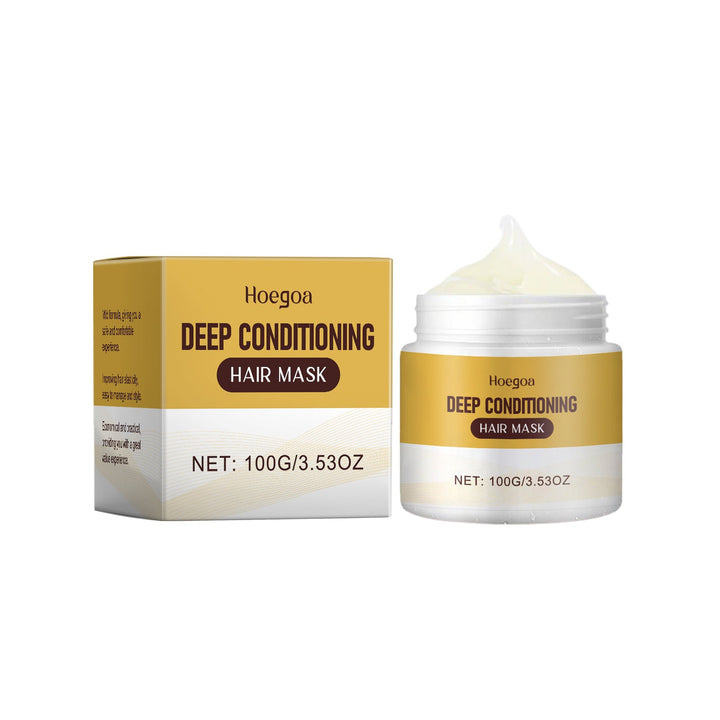
$64.90
Free delivery · 7–14 days
Hydrating Hair Mask for Softer, Smoother, Healthier Hair


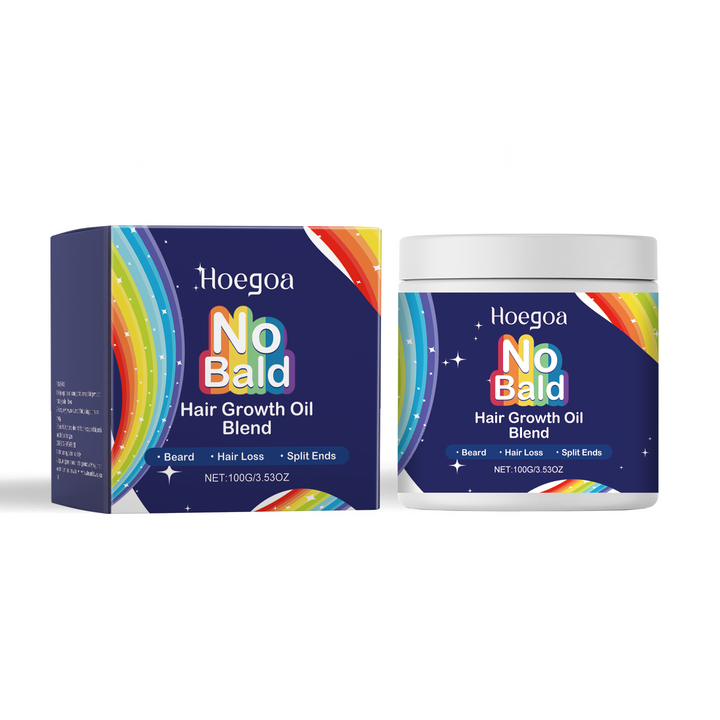
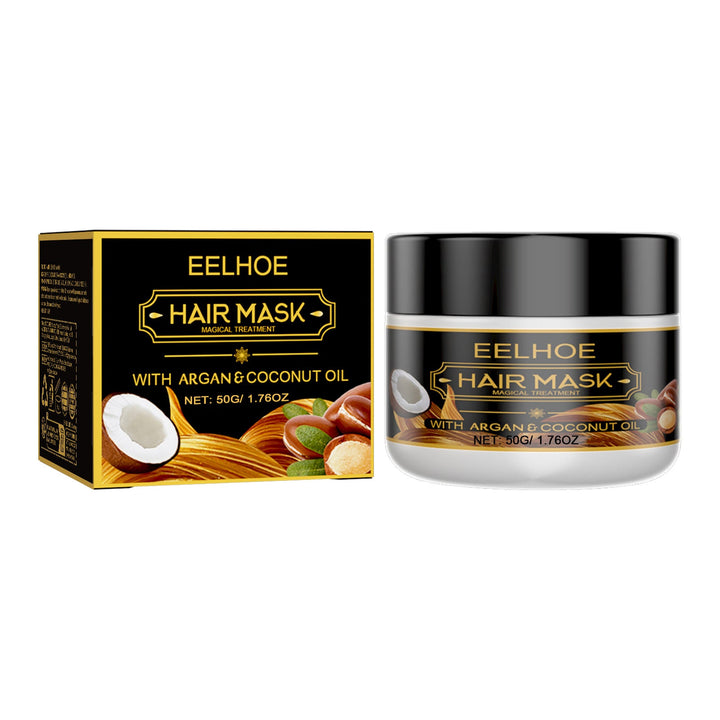

Hair masks are richer conditioning treatments designed to help dry, frizzy, rough-feeling, or damaged-looking hair feel softer and look smoother. This category includes hydrating masks, batana masks, conditioner-style treatments, and a hair concealer cream for a fuller-looking hairline, so choosing the right format depends on your hair's feel, appearance, and styling routine.
Start with the result you want from your hair masks. Choose a hydrating mask if your hair feels dry, coarse, or tight after washing. For frizz and a lack of smooth shine, a batana hair mask for dry, frizzy hair may fit your routine. If your hair looks or feels weakened from heat styling, coloring, or frequent brushing, consider a mask described as supporting smoother, stronger-looking hair. A conditioner-style hair mask is useful when you want a simpler wash-day step with a smooth, frizz-free finish. For a fuller-looking hairline rather than whole-length conditioning, choose the hair concealer cream. Compare the product description with your hair texture and the specific areas you want to improve.
Hydrating hair masks focus on softness and moisture, making them a practical choice for dry or rough-feeling lengths. Batana hair masks in this range are positioned for dry, frizzy hair, smooth shine, or a fuller-looking, healthier appearance. A dry-hair mask with smoother, stronger-looking results suits shoppers who want conditioning for stressed-looking lengths. Hair mask conditioners combine treatment and conditioning in one product, which can simplify a regular wash routine. These are different from hair masks homemade, where ingredients and consistency can vary and results may be unpredictable. Packets, such as hair masks packets, are convenient for travel, trial use, or occasional deep conditioning. The hair concealer cream is a styling product for a fuller-looking hairline, not a replacement for a conditioning mask.
Read the product name and description for the finish you want: softer, smoother, less frizzy, more hydrated, or fuller-looking. For dry hair, prioritize wording such as hydrating, moisturizing, or designed for dry hair. If flyaways and surface roughness are your main concerns, look for smooth or frizz-free care. Shoppers with longer or thicker hair may prefer a dedicated mask, while anyone wanting fewer steps may prefer a hair mask conditioner. Consider how much product your routine requires and whether a packet format is more convenient than a larger container. Also check whether the product is intended for the hair lengths, the hairline, or both. For hair masks men may use, the same selection principles apply: choose based on hair condition and desired appearance rather than gendered labeling.
Follow the instructions on the individual product, since application time and directions can vary. In a typical routine, apply a hair mask after cleansing to damp hair, concentrating on the mid-lengths and ends if those areas feel dry or look frizzy. Distribute it evenly with your fingers or a wide-tooth comb, then rinse as directed. A hair mask conditioner can take the place of your usual conditioner when the label indicates that use. If you are wondering whether to use a hair mask before shampoo, check the product directions first; some formulas are designed for post-shampoo application, while others may be intended for a different sequence. Use a small amount initially, especially on fine hair, and adjust based on how your hair feels after rinsing.
One common mistake is choosing a mask for the wrong goal, such as using a whole-length conditioning mask when you only want temporary coverage at the hairline. Another is applying too much product, which can leave hair feeling coated rather than soft and light. Avoid treating the roots and scalp area the same as dry ends unless the instructions specifically recommend it. Rinsing too quickly or leaving a formula on longer than directed can also work against the intended finish. Do not assume every product works as a homemade hair mask or can be mixed with household ingredients. Finally, judge the result by how your hair feels and looks after drying, not only while the mask is sitting on it. Adjust frequency to your hair's needs and the product directions.
Hair masks can suit people whose hair feels dry, rough, tangled, frizzy, or less smooth than usual. They are also useful when you want occasional deep conditioning instead of a basic conditioner alone. Choose a lighter-feeling hair mask conditioner if your hair is fine or becomes weighed down easily, and apply richer formulas mainly to the lengths and ends. Thick, curly, textured, or long hair may benefit from a more substantial hydrating or batana mask, depending on how dry the hair feels. Men can use these products whenever their hair needs conditioning; hair masks men are not fundamentally different from other hair masks. If your priority is the appearance of a fuller-looking hairline, use the hair concealer cream separately as a targeted styling step.
The best hair mask depends on your hair's condition and the finish you want. Choose a hydrating mask for dry-feeling hair, a batana mask for dry or frizzy-looking hair and smooth shine, or a conditioner-style mask for straightforward frizz-free care.
Hair masks can provide a richer conditioning step that helps hair feel softer and look smoother. They are cosmetic care products, so choose one that matches your hair type, follow its directions, and avoid using more product than needed.
Use a product that matches your main concern. For example, select a hydrating mask for dry-feeling lengths, a mask for smoother and stronger-looking hair when hair appears stressed, or a hair mask conditioner when you want conditioning in a simple routine.
Look for a hydrating hair mask or a mask specifically described for dry hair. If dryness comes with frizz, a batana hair mask for dry, frizzy hair may be a suitable option; apply it as directed and focus on the lengths and ends.
Use a hydrating mask or dry-hair mask after cleansing, following the product's directions. Apply it evenly through damp lengths, rinse as directed, and reduce heat styling or other routines that leave your hair feeling drier if practical.
It depends on the product. Many hair masks are designed for use after shampoo on damp hair, but always follow the instructions on the specific formula; a hair mask conditioner may have its own recommended sequence.