
$64.90
Free delivery · 7–14 days
Hair Styling Cream for Frizz Control and Radiant Shine

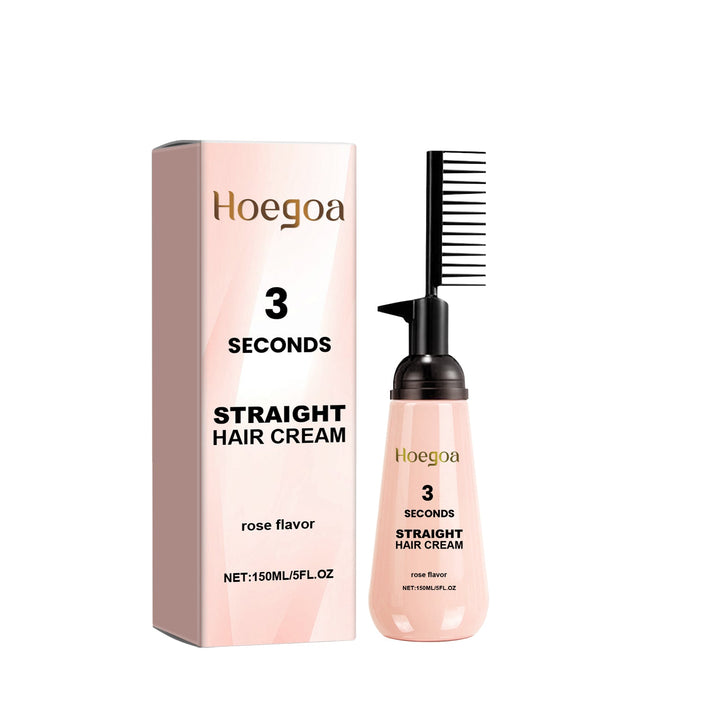


Hair cream helps condition the look and feel of hair while making everyday styling easier. This category includes options for curly, straight, dry, frizzy, damaged-looking, gray, and color-treated styles, including creams designed for men and women.
Start with your main styling goal. For curls, choose a moisturizing styling cream that helps define shape, soften the look of frizz, and add shine without making the hair feel heavy. Dry or damaged-looking hair may suit a nourishing cream with a richer texture, while straight hair can benefit from a smoothing cream for easier daily styling. If you want a color change, select a dedicated dye cream rather than a regular styling product. Men and women can use any formula that matches their hair needs; hair length, texture, and desired finish matter more than gender. For daily use, look for a manageable texture that spreads easily and suits your preferred level of hold.
Styling creams are designed to smooth, shape, and add a polished finish. Frizz-control cream is useful for flyaways and a softer-looking, radiant finish, while curl cream is better suited to curly hairstyles that need definition and moisture. Repair or nourishing creams are intended for dry, damaged-looking hair and can help improve its conditioned appearance. Straight hair cream focuses on smoother, easier styling. Batana hair creams and batana oil hair creams are options for a nourished, lustrous, fuller-looking finish. Hair dye creams are different: fruit dye cream is made for at-home gray coverage, and silver gray color cream is intended to create a cool-toned gray look. Choose according to styling or color needs, not just the word cream.
Check the product purpose first: frizz control, curl definition, smoothing, nourishment, shine, or color. For curly hair, consider a cream that feels moisturizing and spreads through sections without requiring excessive product. For dry hair, a richer formula may be more comfortable, while fine or straight hair may need a lighter application to avoid a weighed-down feel. Think about finish as well: choose radiant shine for a polished look or a more natural finish for low-key daily styling. Read the directions for whether the cream is intended for damp, dry, or freshly washed hair. If choosing a dye cream, review the shade description and application instructions carefully, since color products are not substitutes for styling creams.
Begin with a small amount and add more only if needed. For curls, apply cream through damp hair, concentrating on mid-lengths and ends, then shape curls with your fingers or a gentle scrunching motion. Allow the hair to dry naturally or use your usual drying method. For straight hair, smooth a small amount through damp or dry lengths before brushing or styling, avoiding the roots if they become oily easily. Frizz-control cream can also be used sparingly on dry flyaways. Hair dye cream requires a separate process: follow its specific preparation, application, timing, and rinsing directions. Keep styling cream away from the eyes and stop using any product that causes discomfort.
Using too much is the most common mistake. Excess cream can leave hair looking heavy, greasy, or less defined, especially when applied near the roots. Applying a curl cream to completely dry hair may make distribution uneven, while applying a smoothing cream without working it through the lengths can leave patches of frizz. Avoid treating a styling cream as a hair-growth product; these formulas are intended for conditioning appearance and styling, not for making medical or growth promises. Do not use a regular hair cream as a substitute for gray coverage or silver color cream. Finally, avoid combining several rich creams at once until you know how your hair responds, and follow each product's directions rather than copying another routine.
Hair cream can suit anyone who wants a softer, smoother, shinier, or more controlled hairstyle. Curly and wavy hair may benefit from a moisturizing cream for shape and frizz control, while dry, frizzy, or damaged-looking hair may suit a richer repair or batana cream. Straight hair can use a smoothing cream for easier daily styling. Short hairstyles, men's hair, women's hair, and mature hair can all use cream when the formula and amount match the hair's texture. For hair that looks dry and frizzy with age, apply a small amount to the lengths and ends and avoid overloading the roots. Choose a color cream only when you want gray coverage or a silver-gray tone rather than styling support.
Hair cream is used to smooth, shape, soften, and add shine to hair during styling. Depending on the formula, it can help define curls, control the look of frizz, support easier straight-hair styling, or give dry and damaged-looking hair a more conditioned appearance.
The best hair cream depends on your hair texture and styling goal. Choose curl-focused cream for curly hairstyles, frizz-control cream for flyaways, smoothing cream for straight hair, and nourishing or batana cream for dry or damaged-looking hair.
Hair lotion is usually associated with a lighter, more fluid texture, while hair cream generally feels richer and offers more conditioning support during styling. The right choice depends on how much moisture, control, and product weight your hair can handle.
For daily use, choose a cream that spreads easily and matches your hair's texture without leaving it heavy. A light application of frizz-control, curl, or straight-hair styling cream can work well, while richer repair creams are better when your hair needs more nourishment.
Use a small amount of smoothing or nourishing hair cream on damp lengths and ends, then style gently. For dry, frizzy hair, a richer repair or batana hair cream may give a softer, more polished appearance; avoid applying too much near the roots.
Look for a nourishing or frizz-control cream made for dry hair, such as a repair cream or batana hair cream. Apply it gradually to damp hair, focusing on the lengths and ends, and add a tiny amount to dry flyaways only if needed.