$44.90
Free delivery · 7–14 days
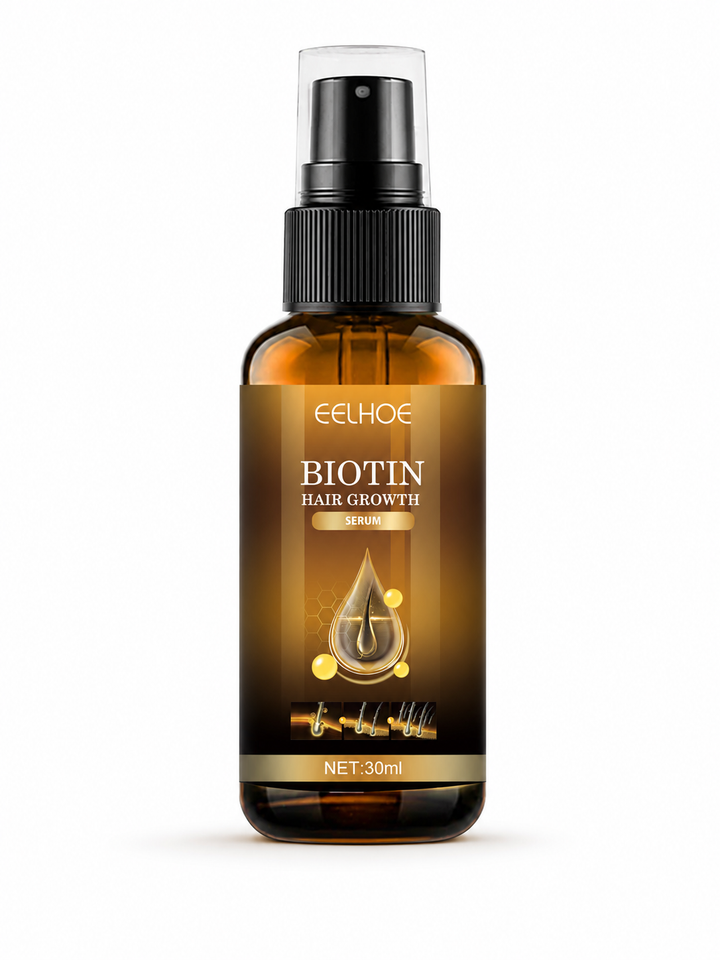
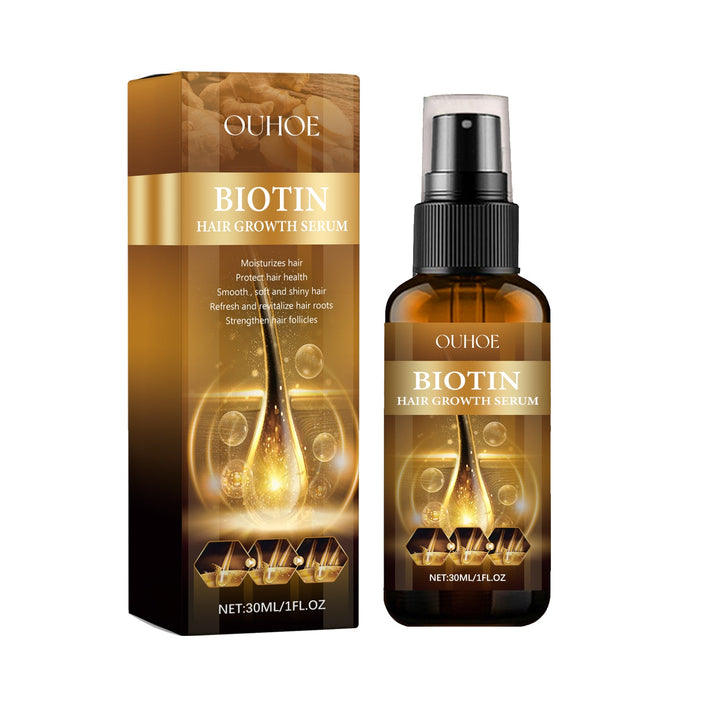
Biotin Hair Growth Serum — Stop Hair Loss, Visible Density





Hair capsules and capsule-style hair supplements offer a convenient way to add selected hair-care ingredients to your routine, while serum capsules are applied directly to the hair or scalp. This guide compares the available formats, including rosemary, black castor oil, biotin, caffeine, peptides, collagen and vitamin-focused options, so you can choose based on your routine and hair-care goals.
Start by checking whether you want an ingestible supplement or a topical capsule serum. Ingestible products, such as collagen hair growth biotin gummies, are taken according to the pack directions, while vitamin hair serum capsules and hair serum capsules are opened or applied as directed for conditioning and styling support. Next, match the formula to your preferred ingredients: rosemary and black castor oil suit shoppers focused on dry, damaged or glossy-looking hair; biotin, caffeine and peptides are featured in formulas aimed at stronger-looking roots and visible density. Check the full ingredient list, serving instructions, allergens and dietary information before buying. If you are comparing the best hair capsules, also consider format, taste, capsule or gummy preference, and how easily the product fits your daily routine.
The term hair capsules can describe two different product types. Supplement capsules or gummies are consumed, so they are chosen for their listed nutrients and convenience. Hair serum capsules are topical single-use portions designed to deliver a small amount of serum to the hair or scalp, often for smoothing, shine, frizz control or a conditioned feel. Rosemary Hair Capsules are positioned for dry, damaged and frizzy hair, while Black Castor Oil Capsules focus on softer, glossier-looking hair. Vitamin Hair Serum Capsules and Hair Serum Capsules target smoother, shinier or more manageable hair. Biotin, caffeine and peptide serums are better suited to shoppers seeking a topical product for stronger-looking roots or visible density. Read the directions carefully because these formats are not interchangeable.
When shopping for hair capsules for hair growth, look beyond the front-label claim and review the complete formula. Biotin appears in several options, including biotin hair growth serum, hair growth serum with biotin, and collagen hair growth biotin gummies. Other featured ingredients include caffeine, peptides, rosemary, black castor oil and broader vitamin blends. Choose a product that clearly states whether it is swallowed or applied, how often it should be used, and where it should be stored. If you have allergies, dietary restrictions or take medicines, check the label and ask a qualified healthcare professional whether the ingredients are appropriate for you. Remember that a supplement or serum cannot replace a varied diet or personalised advice about ongoing thinning or shedding.
Use each product exactly as its packaging directs. For ingestible hair capsules or biotin gummies, follow the stated serving, take them at the recommended time, and do not exceed the suggested amount. For serum capsules, twist or cut the capsule as instructed, apply the contents to clean damp or dry hair, and focus on the lengths, ends or scalp only when the directions specify. Avoid getting topical serum in your eyes and wash your hands after application. A small patch test can help you check how a new topical product feels, especially if your scalp is sensitive. Do not mix several concentrated serums at once until you know how your hair and scalp respond. Consistent, label-led use is more practical than applying extra product.
A common mistake is assuming every hair capsule is an edible supplement. Some products in this category are serum capsules for topical use, so confirm the format before opening the package. Another mistake is choosing by one ingredient alone. Biotin, rosemary, black castor oil, caffeine, peptides and collagen may appeal to different shoppers, but the full formula and directions matter more than a single highlighted word. Avoid taking multiple products with overlapping ingredients unless the labels and a healthcare professional support that choice. Do not promise yourself a fixed result or use a topical serum more often than directed. If thinning, shedding, scalp discomfort or another change is persistent or worrying, seek professional advice rather than relying on a hair pill or serum alone.
Hair capsules can suit adults who want a simple addition to their hair-care routine, whether their priority is smoother texture, shine, frizz control, softer-feeling lengths or stronger-looking hair. Women and men can compare the same practical factors: ingredient preferences, format, dietary requirements, application method and product directions. Rosemary and black castor oil options may appeal to people caring for dry, damaged or frizzy hair, while biotin, caffeine and peptide products may suit shoppers focused on roots or visible density. Serum capsules can be useful for targeted application, whereas gummies may be preferable if you dislike swallowing capsules. Check suitability during pregnancy, breastfeeding, medical treatment or for children with a healthcare professional, and stop use if a product causes irritation or an unexpected reaction.
Results depend on the individual, the product formula and the reason for hair changes. Hair capsules and serums can support a consistent hair-care routine, but they are not guaranteed to produce the same outcome for everyone. Check the ingredients and directions, and seek professional advice for persistent thinning or shedding.
Benefits depend on whether the product is an ingestible supplement or a topical serum capsule. Ingestible options provide the listed nutrients in a convenient format, while topical products may help hair feel smoother, softer or more conditioned. Use only as directed and review the full ingredient list before buying.
A hair pill is usually an ingestible supplement, but its effect can vary with the formula and the person using it. It should not be treated as a guaranteed solution for hair loss or thinning. If you are concerned about a noticeable change, ask a qualified healthcare professional for personalised guidance.
Thinning hair can have many possible causes, and it is not possible to identify a vitamin deficiency from appearance alone. Biotin and other vitamins are included in some hair supplements, but taking extra nutrients without checking your needs may be unhelpful. A healthcare professional can advise whether assessment or testing is appropriate.
The phrase “big 3” is used online for different hair-loss approaches, so it does not describe one universal supplement formula. Hair capsules in this category feature ingredients such as biotin, caffeine, peptides, rosemary, collagen and vitamins, but they are not interchangeable with every hair-loss treatment. Ask a qualified professional before starting a treatment plan for thinning hair.
Aim for a varied diet that includes adequate protein and a broad range of nutrient-rich foods, rather than relying on one food or supplement. Hair shedding can have different causes, and food alone may not address the underlying issue. If hair fall is persistent, sudden or concerning, seek professional advice.