Grooming Scissors for Mustache, Beard & Nose Trimming
13 items
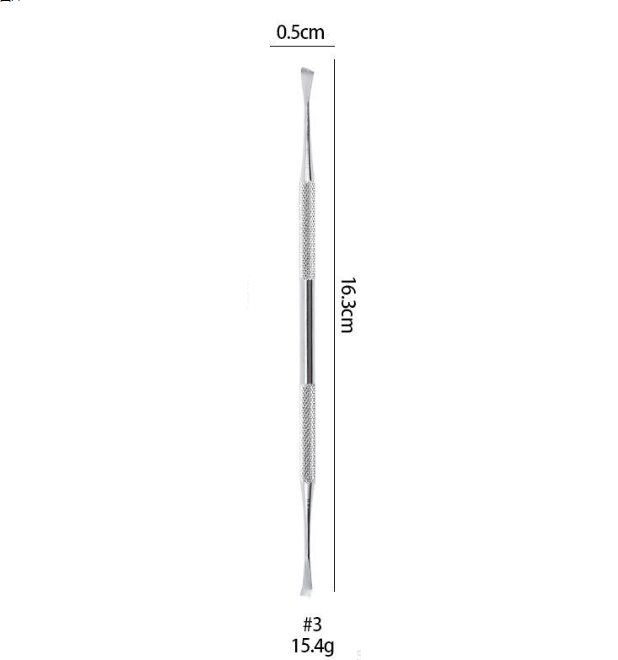
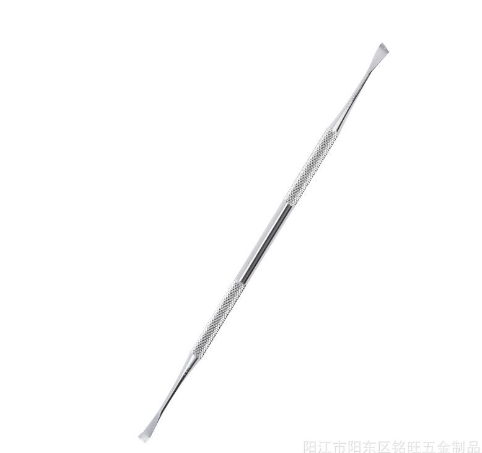




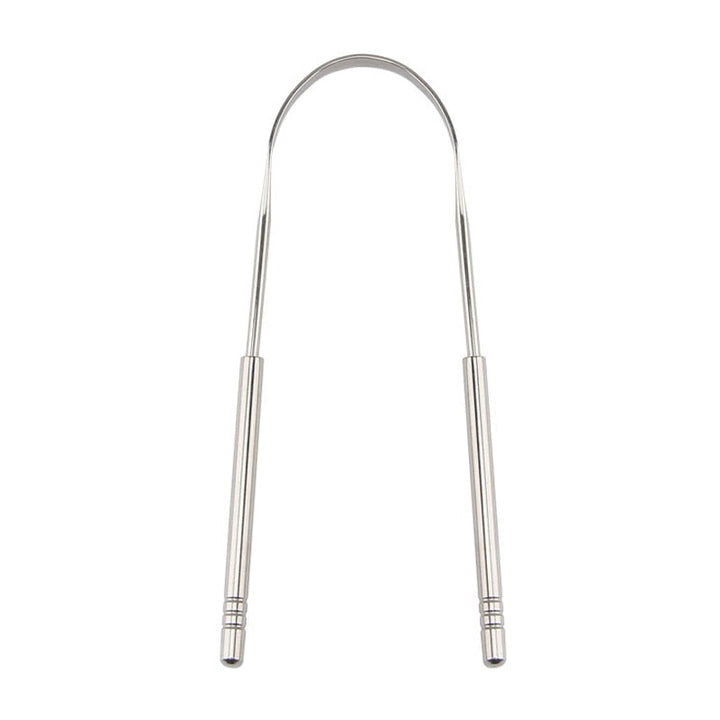
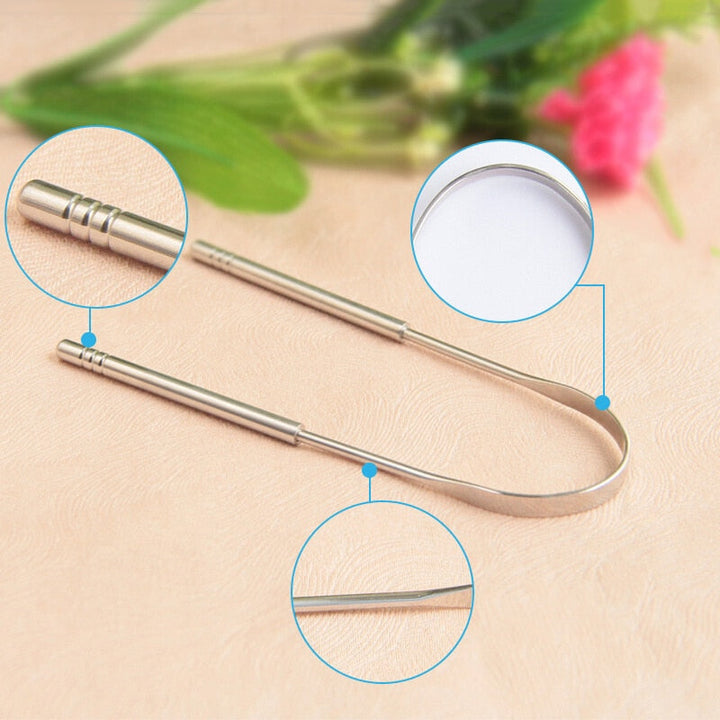

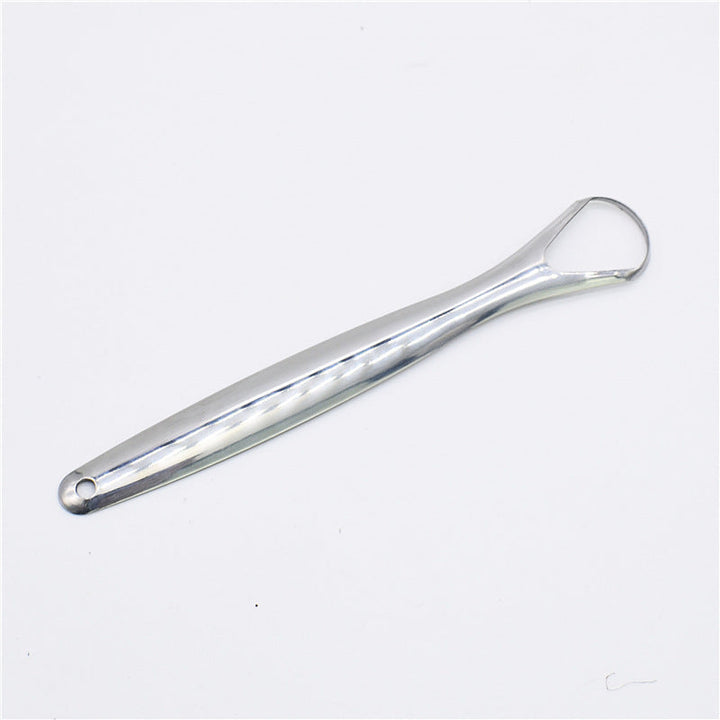
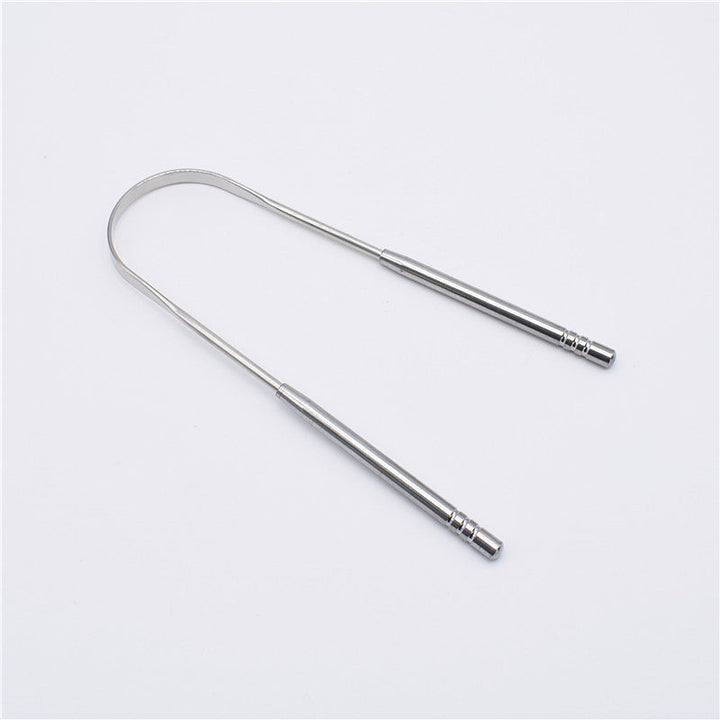


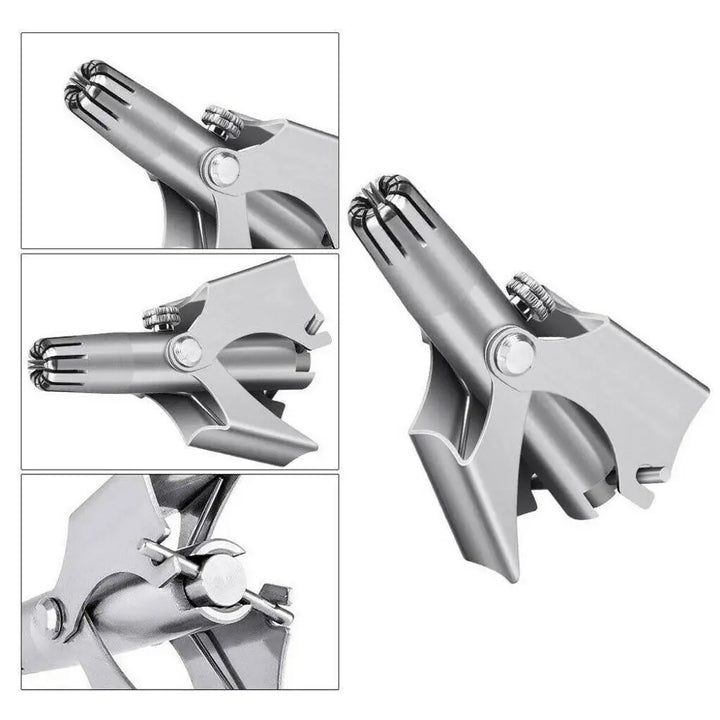
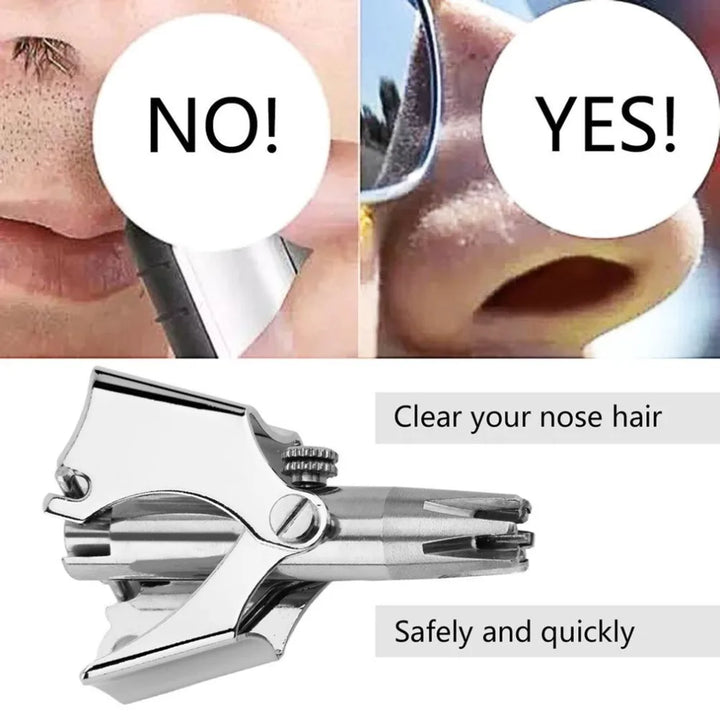
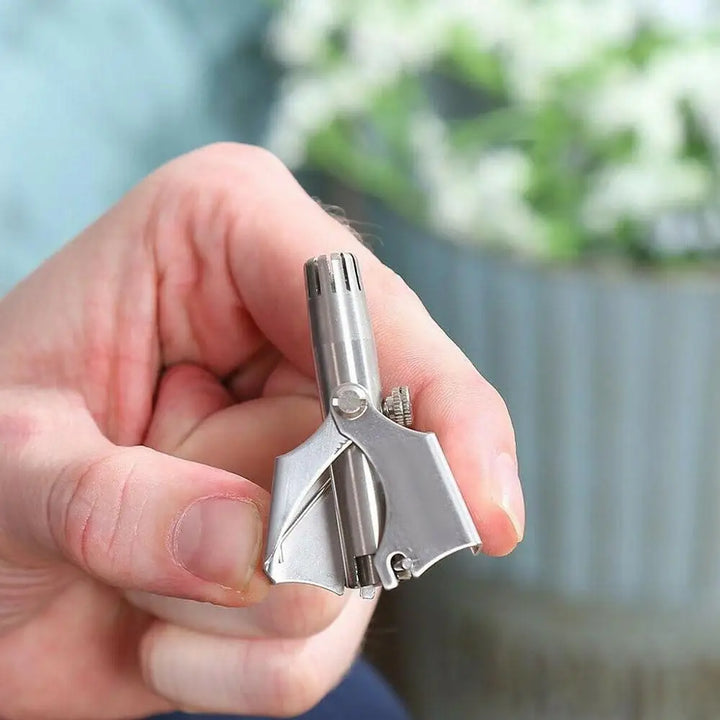

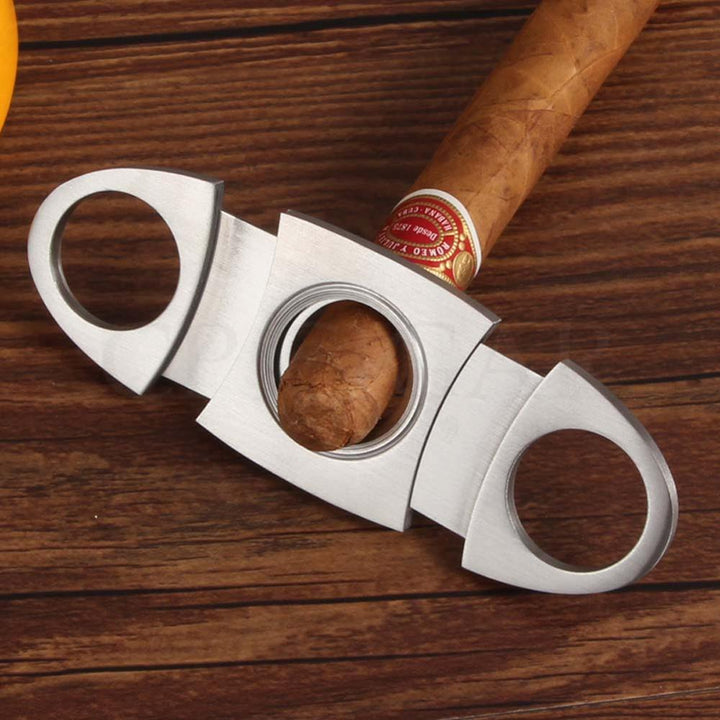
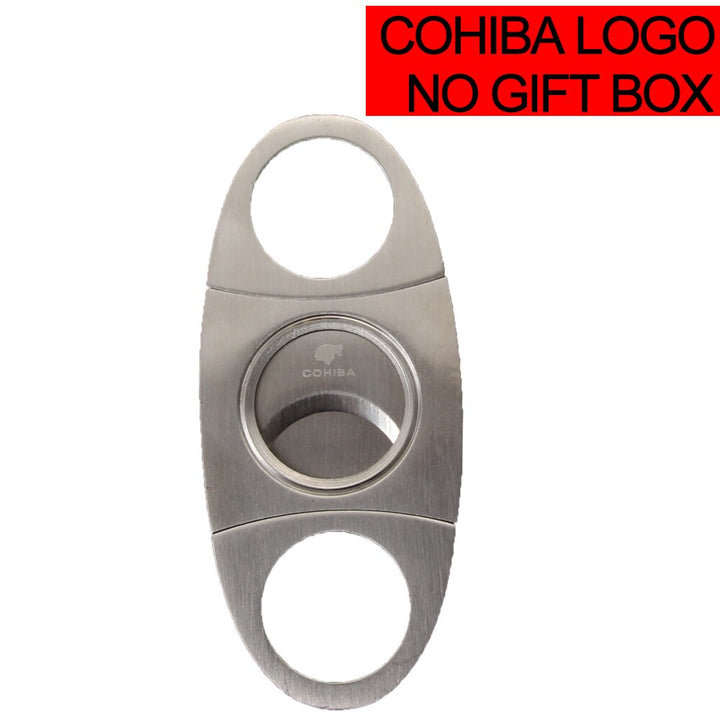

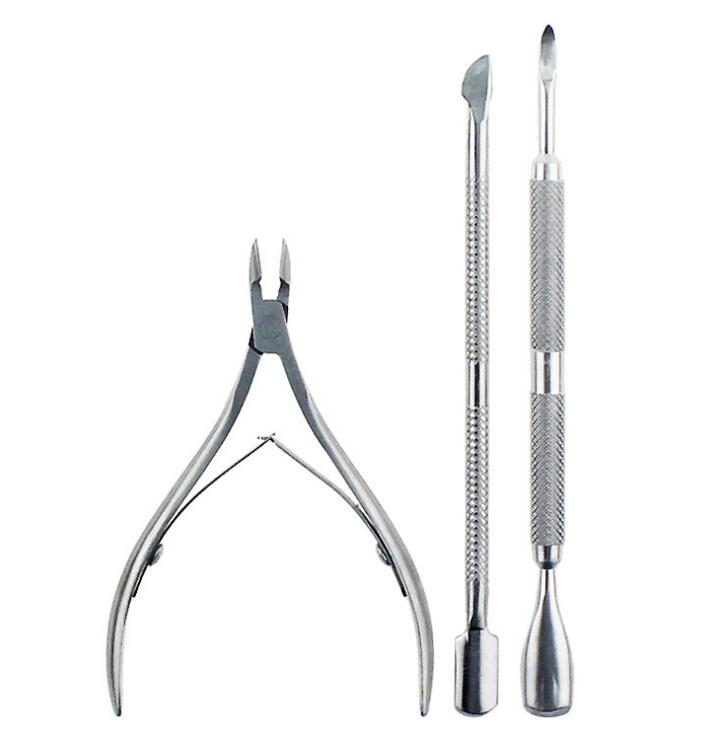


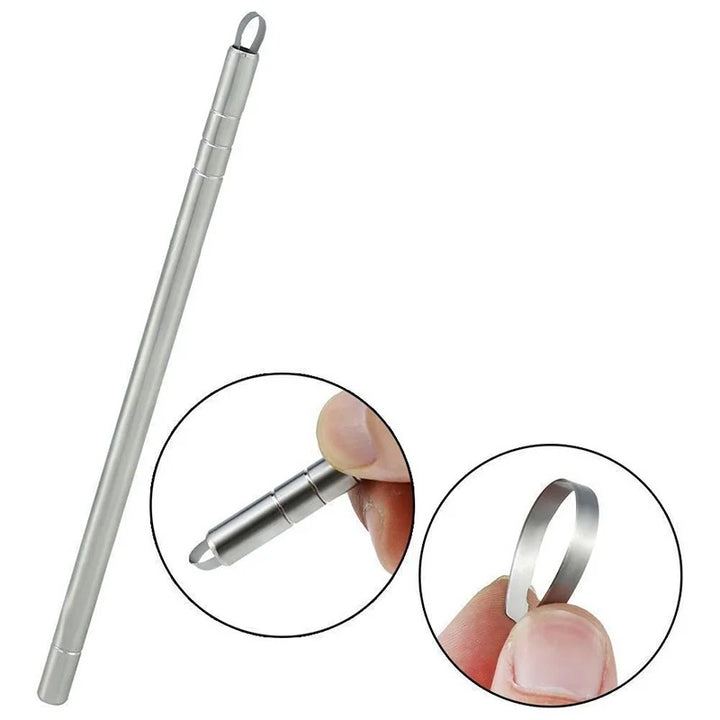
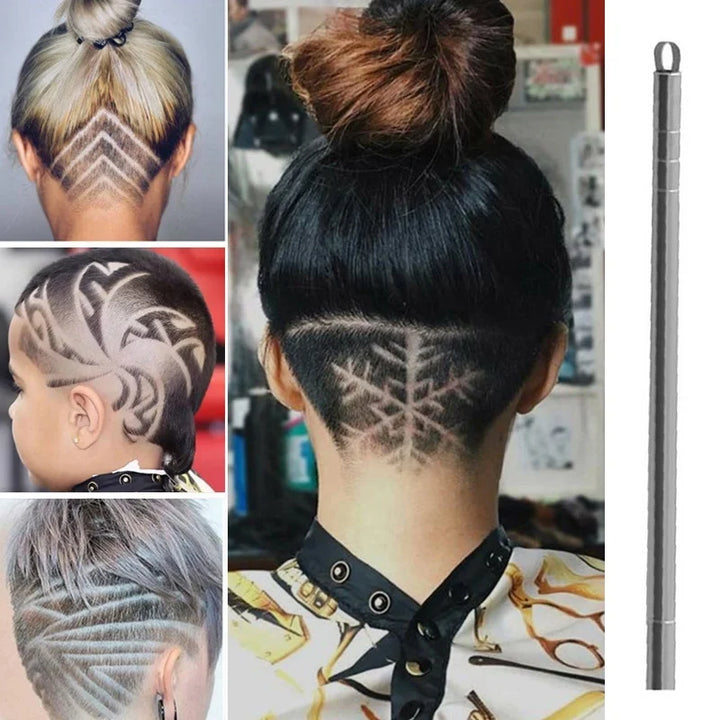
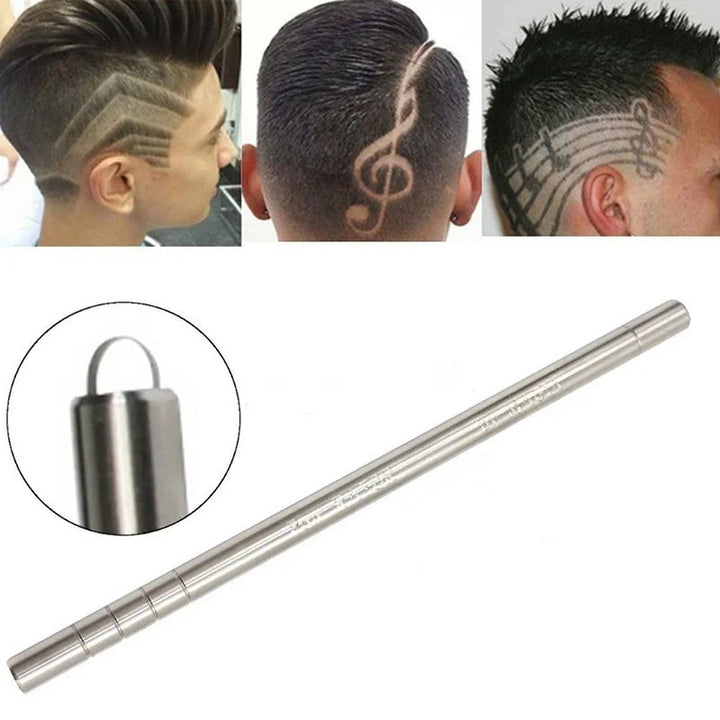
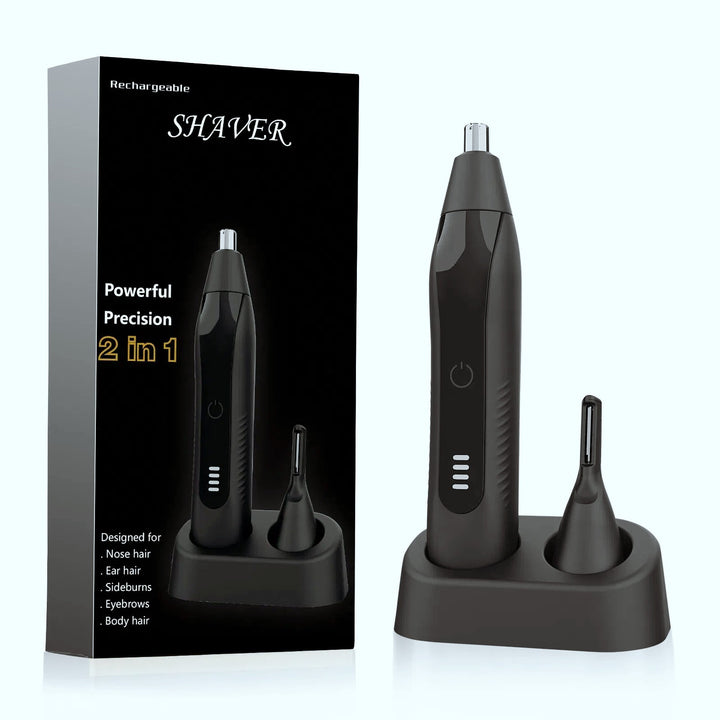
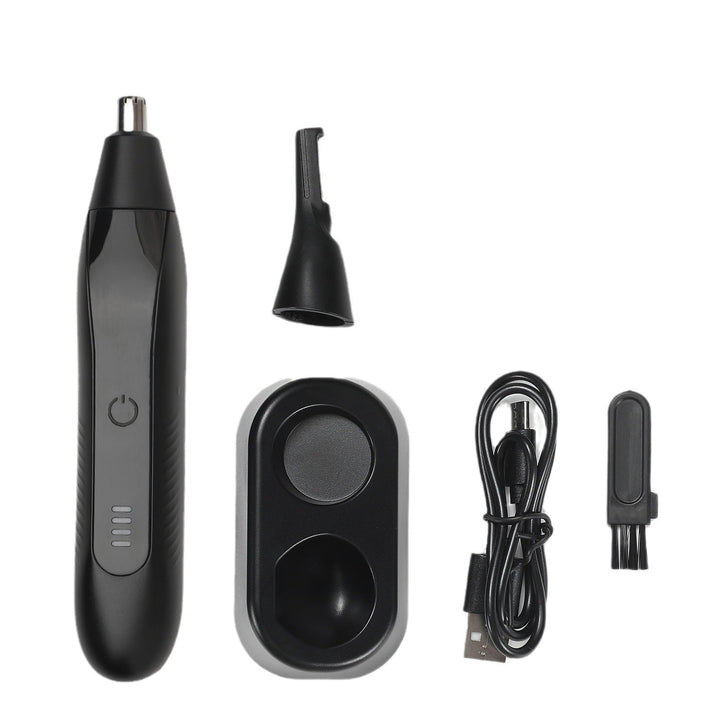
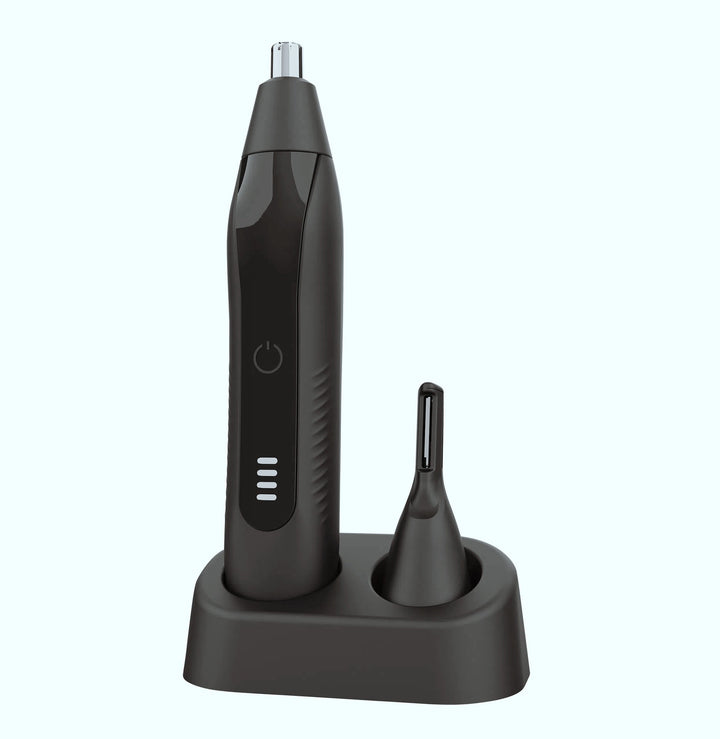
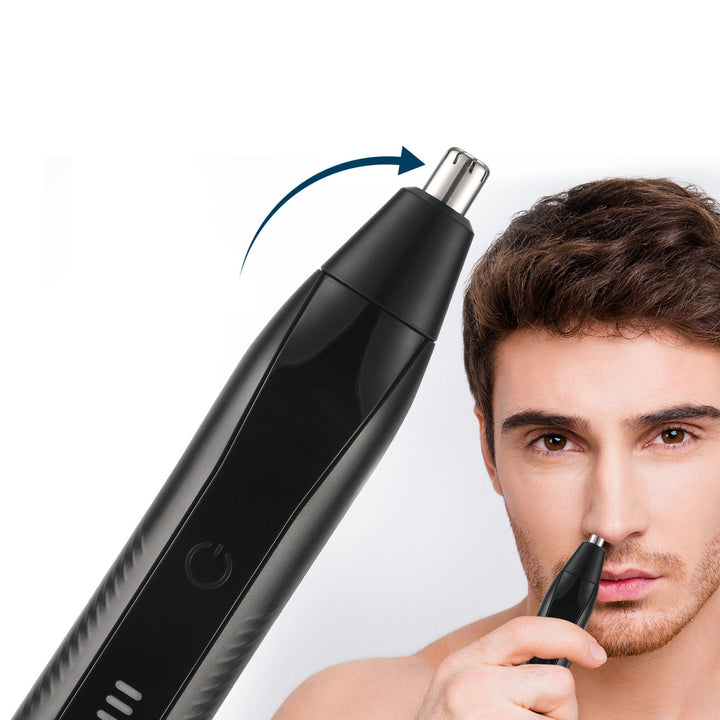
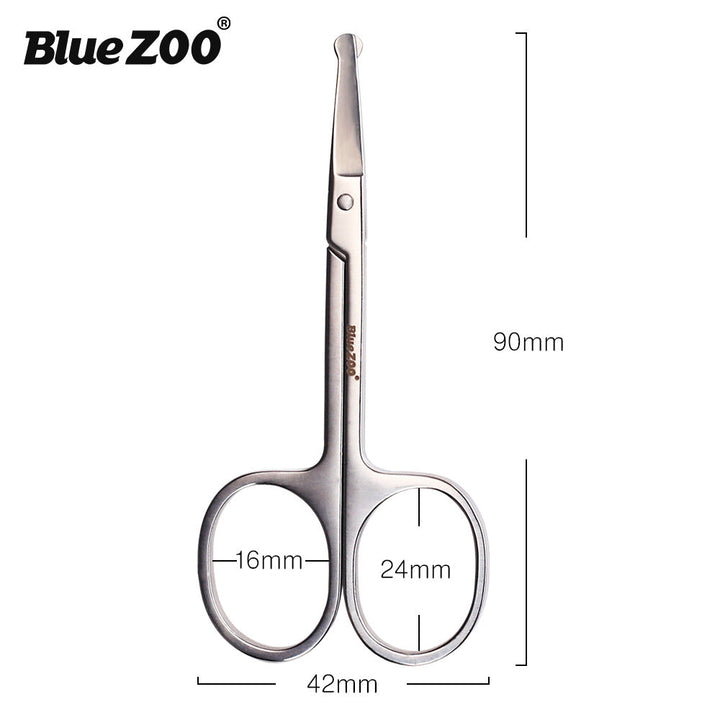
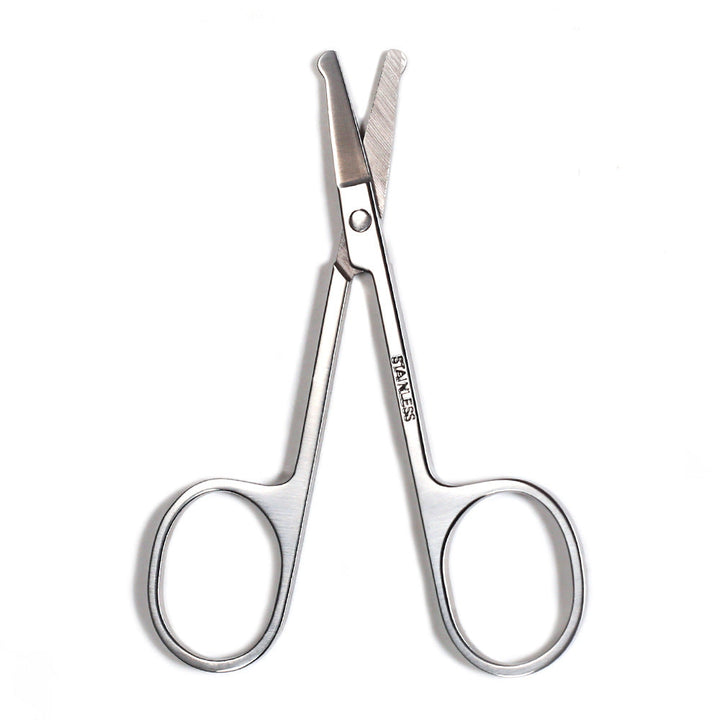
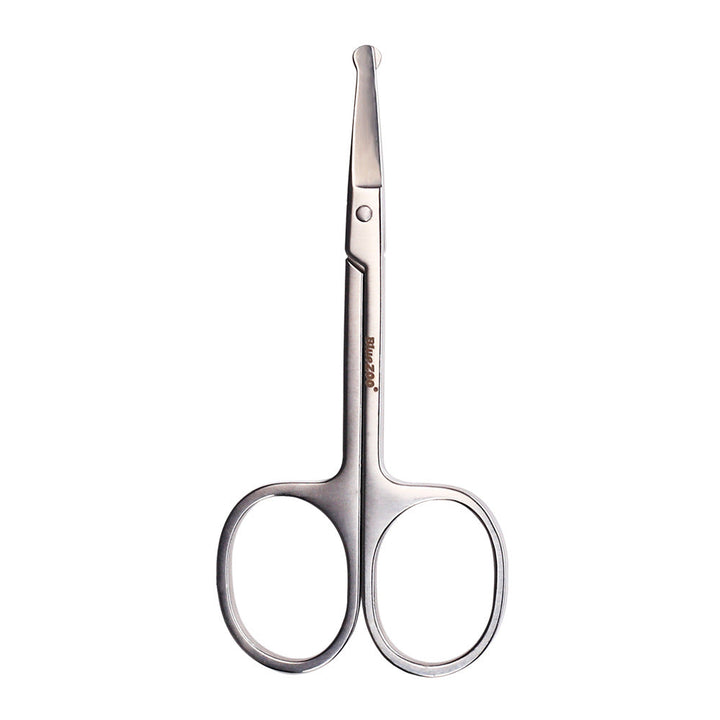
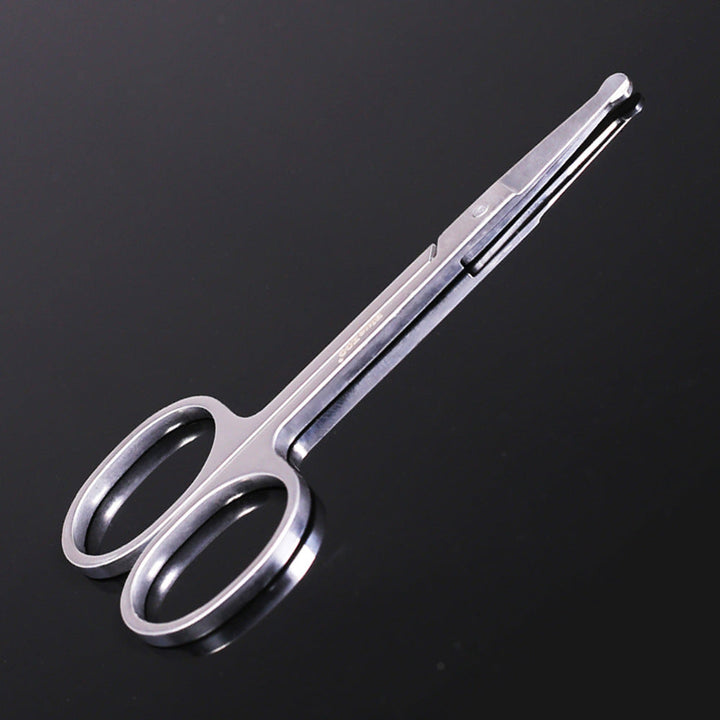
Grooming scissors help shape mustaches, beards, sideburns, eyebrows, and visible nose hair with more control than a general-purpose tool. This category also includes complementary grooming tools, so compare each product’s intended use before buying: facial trimming scissors are different from cuticle tools, cigar cutters, tongue scrapers, and beard-coloring products.
How to choose grooming scissors for mustache, beard, and nose trimming
Start with the area you want to trim. For mustaches and beard edges, choose a dedicated facial trimming or beard carving pen with a compact shape that supports short, controlled cuts. For nose and ear grooming, select nose hair scissors with rounded safety tips rather than pointed blades. Stainless steel is useful for routine cleaning and corrosion resistance, while a sharp, aligned cutting edge helps reduce tugging. Consider handle comfort if you plan to shape a beard frequently. A cuticle nipper and pusher set is designed for nail care, not facial hair, and a cigar cutter is not a substitute for grooming scissors. If you are shopping for grooming scissors men can use daily, prioritize precision, grip, and the specific trimming area over decorative features.
What are the different types of grooming scissors?
Facial grooming scissors are generally compact and precise, making them suitable for trimming mustaches, beard outlines, and stray hairs. Nose hair scissors have rounded tips for safer work around the nostrils and ears. Curved grooming scissors are more commonly associated with shaping coats on animals, where the curve can follow a body contour; they are not automatically the best choice for facial detailing. Thinning or chunking shears remove some bulk while leaving length, but they are usually unnecessary for a short mustache or neatly edged beard. Dog grooming scissors, including dog grooming scissors curved styles and dog grooming scissors kits, are intended for animal coats and may be larger than needed for personal grooming.
What should you look for in professional grooming scissors?
Look for a clean, even blade connection, comfortable finger openings, and a size that matches the work area. For mustache and beard detailing, compact precision scissors or a beard carving pen offer better visibility than long shears. Rounded safety tips are a practical feature for nose and ear trimming. Stainless steel construction is easy to wipe and maintain, but the material alone does not determine cutting performance. Check whether the tool is intended for facial hair, nose hair, nails, or animal coats before ordering. Professional grooming scissors for salon or barbershop use may be designed for extended sessions, while a home user may prefer a lighter, simpler tool. Avoid choosing solely from “best grooming scissors” lists without checking the product’s stated use.
How to use grooming scissors safely and precisely
Work in bright light with a clean, dry face and use a mirror that lets you see the cutting line clearly. Comb the mustache or beard first, then trim only small amounts at a time, following the existing outline instead of trying to reshape everything in one pass. For nose hair scissors, trim only visible hairs at the entrance and keep the rounded tips facing away from the inner surface. Do not force the blades through thick sections; reposition and make a smaller cut. Wipe the scissors after use and store them closed or protected from moisture. Never use cuticle nippers, cigar cutters, or dog grooming scissors for facial trimming unless the product specifically states that purpose.
What are common grooming scissors mistakes?
A common mistake is buying a tool for the wrong type of hair or task. Dog grooming scissors are made for animal coats, and curved dog grooming scissors may be too large or specialized for mustache work. Another mistake is using pointed scissors inside the nose, where rounded safety tips are a more suitable design. Cutting a beard while it is unevenly combed can create an irregular line, so prepare the hair before trimming. Avoid taking off a large section in one cut, especially around the mustache corners. Do not use scissors that feel loose, drag through hair, or have damaged tips. Finally, clean and dry the tool after every session instead of leaving it in a damp bathroom drawer.
Who should buy facial grooming scissors or a grooming kit?
Facial grooming scissors suit shoppers who want to maintain a mustache, beard outline, sideburns, or visible nose hair at home. A compact beard carving pen is useful for detail work, while nose hair scissors with rounded tips address a separate grooming need. A grooming kit can be convenient when it combines compatible tools, but check every item because some kits are made for dogs, nails, or general care rather than facial hair. Dog owners looking for dog grooming scissors or a dog grooming scissors kit should choose products labeled for animal coat grooming instead of adapting facial scissors. Beginners may prefer one clearly labeled, easy-to-control tool before investing in curved or professional shears.
Frequently asked questions
What scissors do groomers use?
It depends on the grooming task. Facial groomers commonly use compact precision scissors for mustaches and beards, plus rounded-tip scissors for visible nose or ear hair. Dog groomers may use straight, curved, thinning, or chunking shears designed for animal coats.
Are grooming scissors the same as hair scissors?
Not always. Hair scissors are generally designed for cutting head hair, while grooming scissors may be shaped for facial detailing, nose and ear trimming, nails, or animal coats. Check the product description to confirm the intended use before buying.
What are grooming scissors?
Grooming scissors are small or specialized scissors used to trim hair, fur, or other areas of personal or animal care. In this category, they include facial trimming scissors, beard carving tools, and rounded-tip nose hair scissors, while other listed products support nail, beard, or oral-care routines.
What are the best dog grooming scissors for beginners?
Beginners should look for dog grooming scissors with a comfortable grip, clear size information, and a blade style suited to the coat and task. A straightforward straight shear is often easier to control than a curved or thinning style, but the right choice depends on the dog’s coat and the area being trimmed.
What is the best brand of dog grooming scissors?
There is no single best brand for every coat, grooming routine, or budget. Compare the stated animal-grooming use, blade style, handle comfort, maintenance instructions, and replacement or care information rather than relying on a brand name alone.
What is the hardest breed of dog to groom?
Grooming difficulty varies by coat type, length, matting, temperament, and the grooming task. Dense, curly, long, or easily tangled coats can require more preparation and technique, so owners should choose tools for the specific coat and seek professional help when a grooming job is beyond their experience.