Blood Glucose Meters & Test Kits for Accurate Monitoring
4 items





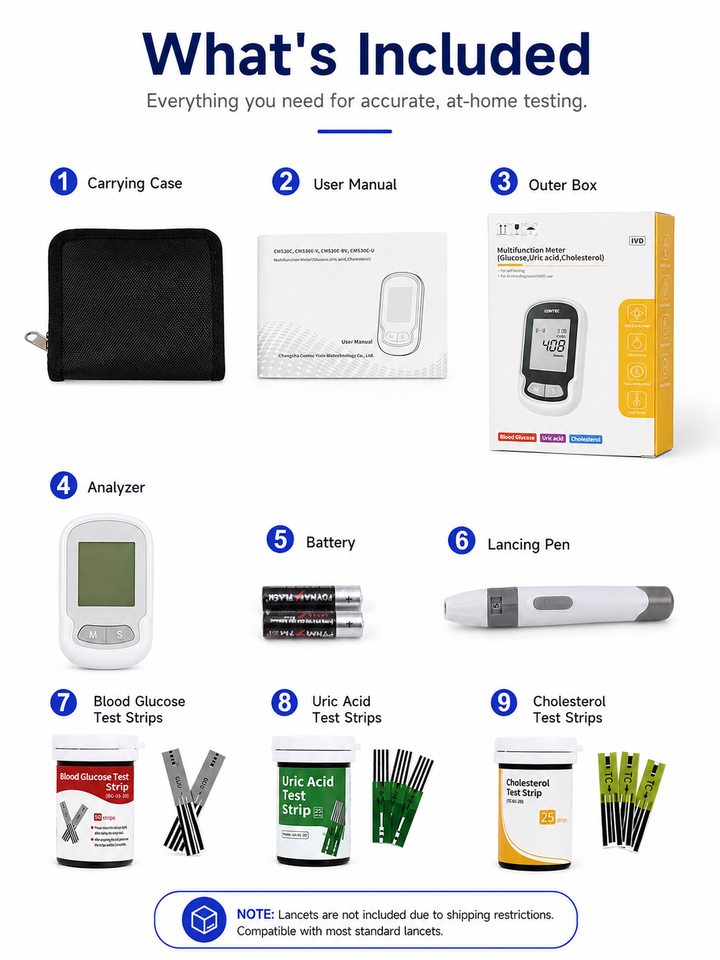
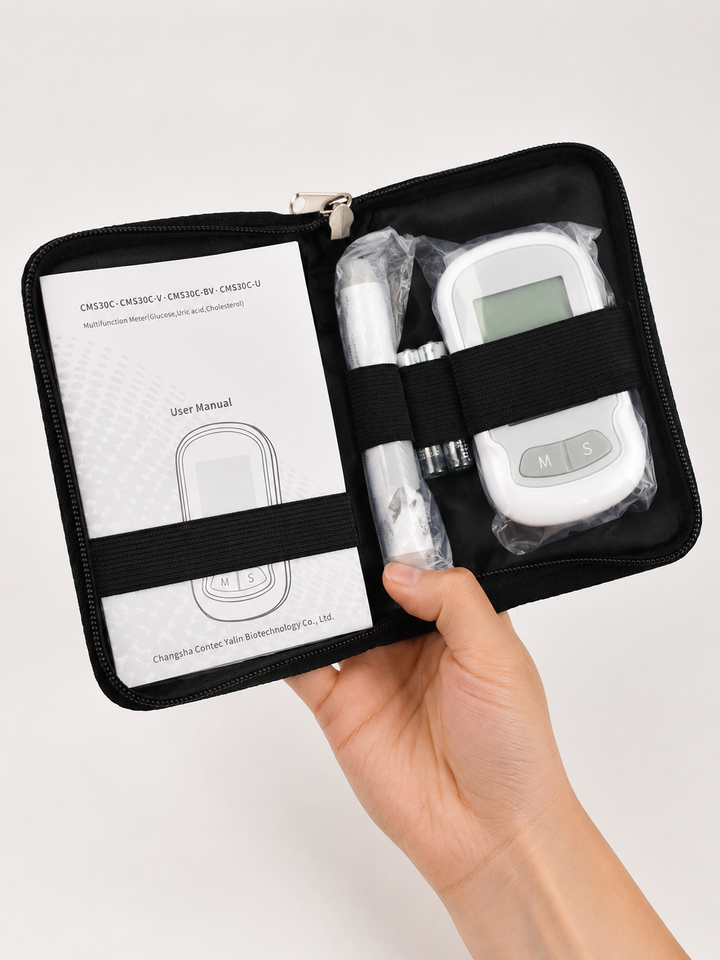

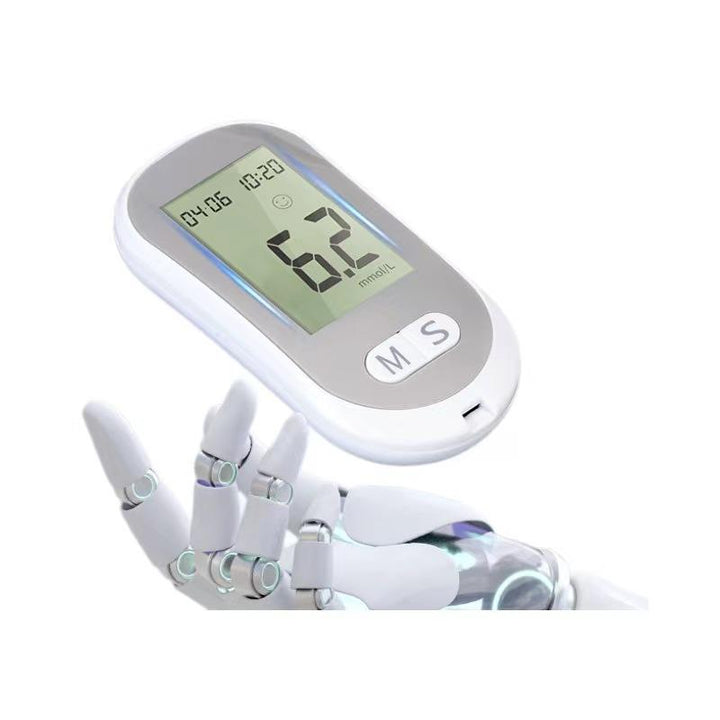

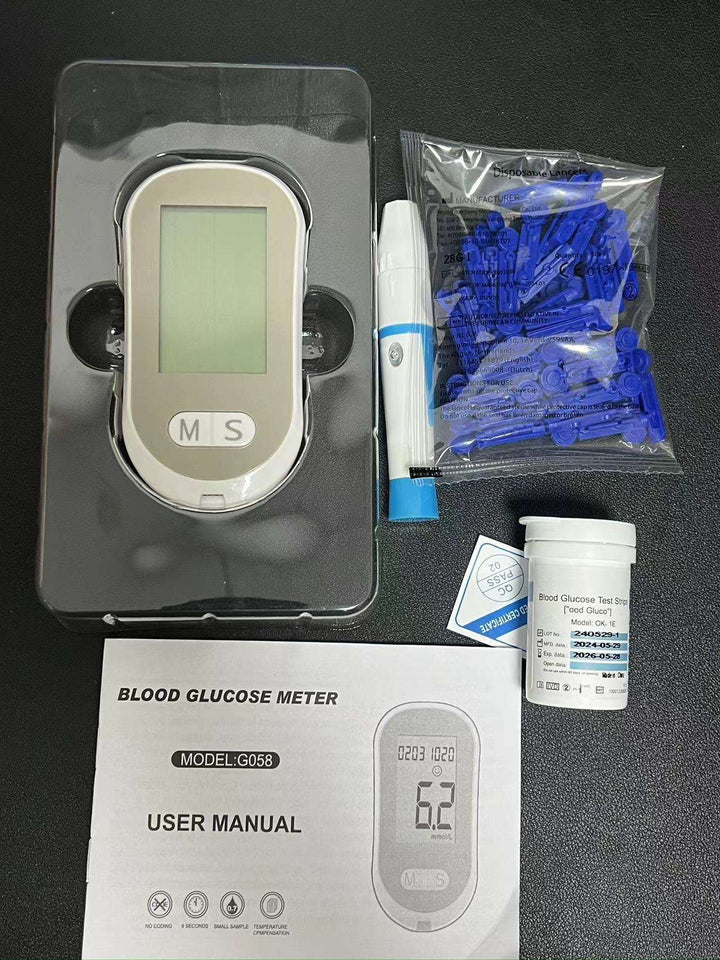
Find practical glucose meters and home test kits for checking blood glucose with a small blood sample. Compare included strips, testing steps, display features, and whether you need a basic meter or a broader cholesterol and glucose testing device.
How to choose a glucose meter
Start with the way you plan to test. A glucose meter kit is useful when you want a handheld device, lancets, and test strips together, while a multi-function home test kit may suit shoppers who also want cholesterol readings. Check how many strips are included, how the meter displays results, and whether replacement strips are easy to find. The Blood Glucose Meter Kit with 50 Strips provides a ready-to-use starting package and lists 8-second results. Also consider storage, portability, and whether the buttons and screen are comfortable for you. If you are comparing a Walgreens glucose meter or a Walmart blood glucose meter and test strips with online options, compare the complete ongoing cost rather than the meter price alone.
What is the difference between a glucose monitor and a glucose meter?
A glucose meter usually means a handheld blood glucose meter that reads a single sample placed on a test strip. You generally use a lancet to obtain the sample, insert the strip, and view the reading on the meter. A glucose monitor can be a broad term for a meter, or it may refer to a continuous glucose monitoring device that uses a sensor worn on the body and provides readings over time. A glucose monitor patch is typically associated with that sensor-based category, not with a standard strip meter. The products in this category include traditional strip testing and a 3-in-1 cholesterol and blood glucose monitor; they are not interchangeable with every continuous monitoring system.
What should you look for in a blood glucose meter kit?
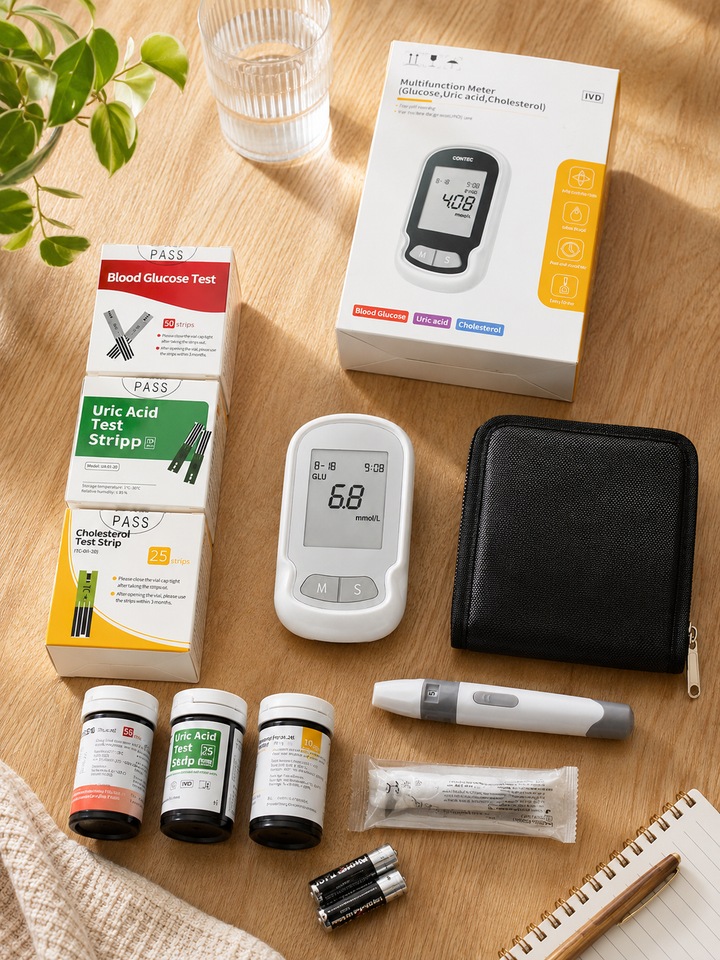
Look for a clearly labeled meter, compatible test strips, a lancing device, lancets, and instructions. Confirm the strip count and check the expiration date before opening the package. A larger strip supply can reduce the need for immediate reordering, but strips must match the specific meter. Read the listed result time, sample requirements, memory features, and cleaning guidance rather than choosing only by the phrase “best glucose meter.” For shoppers who want more than glucose testing, the 3-in-1 Cholesterol & Blood Glucose Monitor | Home Test Kit combines two types of home measurements in one device. Choose the simplest setup you will use consistently, and follow the product instructions for storage and testing.
How do you use a glucose meter at home?
Wash and dry your hands, then prepare the meter, a compatible strip, and the lancing device according to the instructions. Insert the strip as directed, use the lancet to obtain a sample, and apply the sample to the strip without touching the testing area. Wait for the displayed result, record it if useful, and dispose of the used lancet and strip safely. Do not share lancets or lancing devices. Keep strips closed in their original container and protect them from moisture, heat, and expired use. If the meter shows an error, the sample is insufficient, or the result does not fit the situation, repeat the process with a new strip and consult a healthcare professional when appropriate.
What are common glucose meter mistakes?
Frequent problems include using expired or incompatible strips, testing with wet or unwashed hands, applying too little sample, and leaving the strip container open. Other mistakes include storing supplies in a hot or damp place, reusing lancets, or failing to follow the meter’s coding or setup instructions when the product requires them. Do not compare a reading from a standard glucose meter directly with a reading from a continuous glucose monitoring device as though they were identical tests. Keep a note of the date, time, and relevant circumstances if you are tracking readings. If results are repeatedly unexpected, check the instructions and supplies, then ask a healthcare professional for guidance rather than changing treatment based on a single reading.
Who should buy a glucose meter?
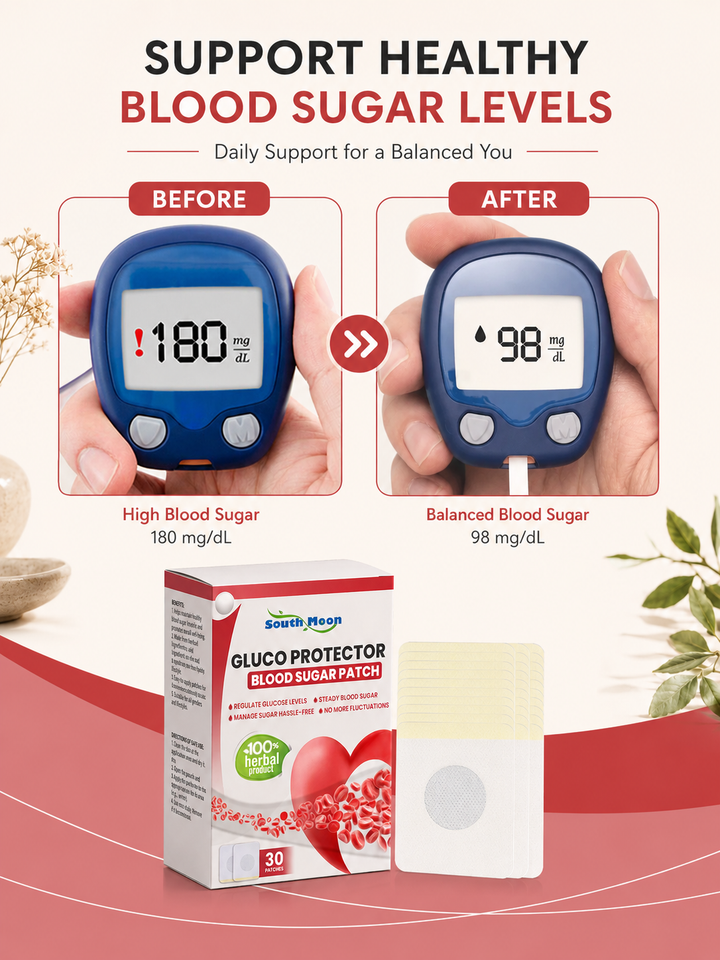
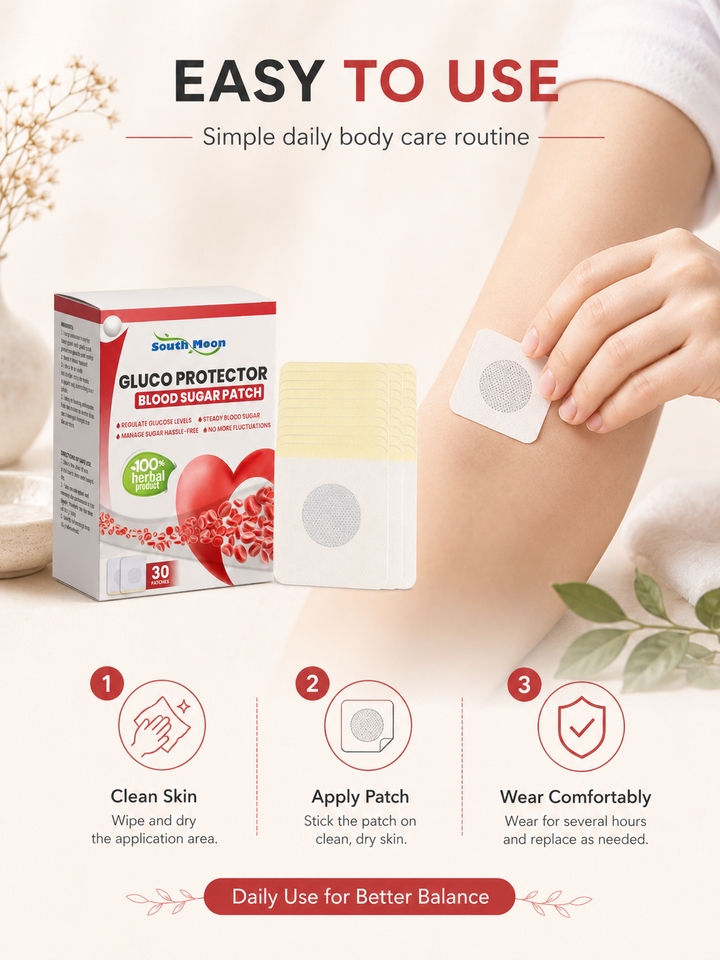
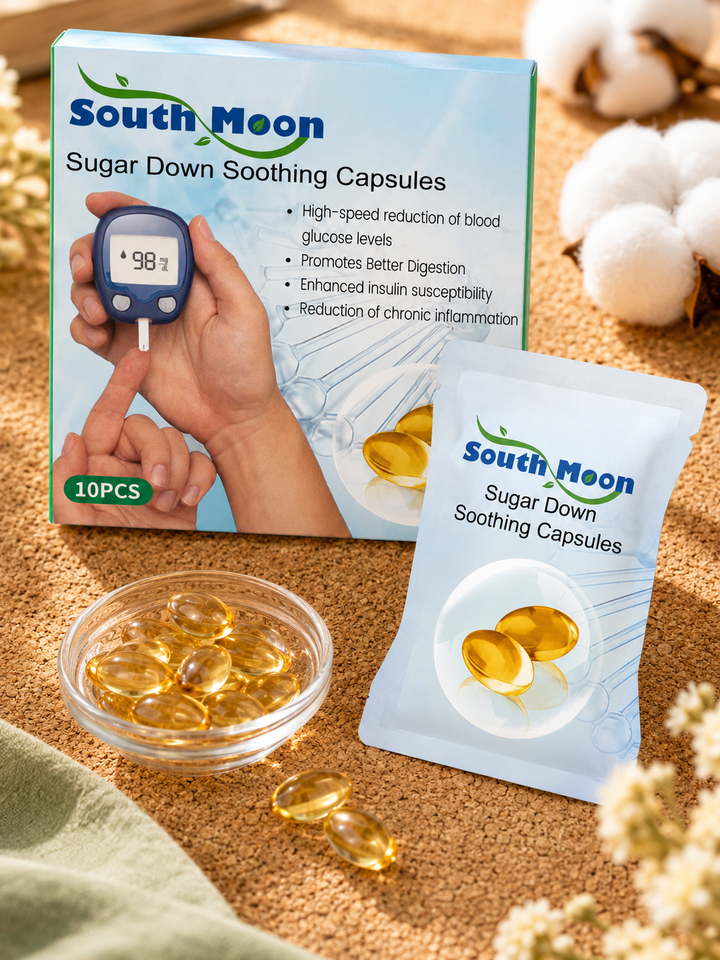
A glucose meter may suit adults who want a portable way to check blood glucose at home, people following a monitoring plan, or shoppers building a basic glucose meter kit. It can also be practical for travel because the meter and strips fit in a small testing case. A standard meter may not suit someone specifically seeking blood sugar monitoring without finger pricks; that usually means researching continuous glucose monitoring devices and their sensor requirements instead. The Blood Sugar Support Capsules and Blood Sugar Patch in this category are supplements or topical products, not substitutes for a glucose meter or test strips. Anyone with a diagnosed condition, unusual readings, or questions about testing frequency should follow their clinician’s advice.
Frequently asked questions
Is there a device to check blood sugar without pricking your finger?
Continuous glucose monitoring devices use a sensor worn on the body and are designed to reduce reliance on routine finger-stick testing. They are different from the handheld glucose meters and strip-based kits listed here, and availability, setup, and prescription requirements can vary.
Can I just buy a glucose meter?
In many places, standard glucose meters and test strips are sold directly through pharmacies, retailers, and online stores. Check that the kit includes compatible strips and the supplies you need, and follow the product instructions. Prescription and insurance rules can differ by location and product type.
What is the difference between a glucose monitor and a glucose meter?
A glucose meter generally uses a test strip and a small blood sample to provide an individual reading. “Glucose monitor” is a broader phrase that can describe a meter or a continuous glucose monitoring system that uses a wearable sensor.
Do you need a prescription to buy a glucose meter?
Standard blood glucose meters and test strips are commonly available without a prescription, but local rules and product requirements may differ. Continuous glucose monitoring systems can have different access requirements. Check the product listing, pharmacy policy, and local guidance before ordering.
Which blood glucose meter is the most accurate?
No single meter is the best choice for every shopper, and accuracy can depend on the device, compatible strips, storage, sample collection, and correct use. Compare the manufacturer’s instructions, included supplies, result display, and ongoing strip availability. Use the same meter consistently if you are tracking readings over time.
What are 5 signs your glucose is too high?
Possible signs can include increased thirst, frequent urination, tiredness, blurred vision, and headache, but symptoms vary and may have other causes. A glucose meter reading provides information, while symptoms alone cannot confirm a glucose level. Seek medical advice promptly for concerning symptoms or readings, especially if they are severe or persistent.