
$64.90
Free delivery · 7–14 days
Multi-Surface Floor Cleaner for Stubborn Dirt and Stains


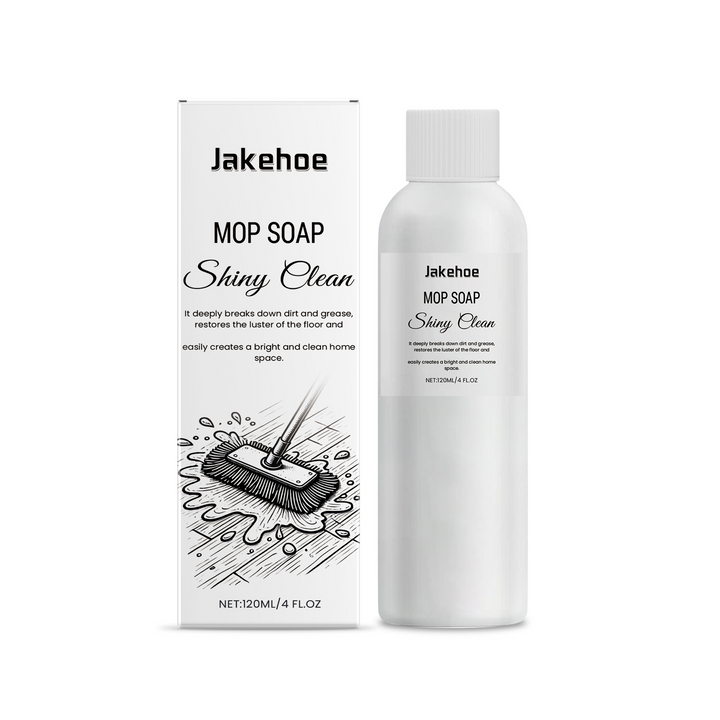
Choose a floor cleaner that matches your flooring, cleaning routine, and preferred format. This category includes concentrated liquids, ready-to-use options, enzyme pods, and targeted formulas for hardwood, tile, and other hard floors.
Start by identifying the floor you clean most often. Hardwood needs a low-moisture approach, while tile and other sealed hard floors may benefit from a deeper-cleaning formula. Check the product directions for compatible surfaces before use, especially if your floor has a delicate finish, wax coating, or unsealed material. Choose a concentrate if you want to adjust the dilution for regular mopping, or select a spray for quick spot cleaning. Enzyme floor cleaner pods can suit households that prefer pre-measured portions and no sticky residue. For everyday messes, a multi-surface floor cleaner is a flexible choice. If shine is your priority, consider a hardwood and tile formula designed for a clean, polished appearance without leaving excess product behind.
Floor cleaner liquids and concentrates are useful for mopping larger areas because they can be diluted according to the label. A tile floor cleaner is suited to sealed tile and grout-area cleaning when tracked-in dirt or buildup needs more attention. Multi-purpose formulas work well when your home includes several hard-floor surfaces and you want one product for routine cleaning. A spray floor cleaner is convenient for kitchen spills, entryways, and small marks between full mops. Enzyme pods offer a measured format for users who prefer less pouring and storage of liquid bottles. A floor cleaner machine may be helpful for larger cleaning jobs, but only use a solution approved for that machine and compatible with your floor. Always follow the flooring and product instructions.
Look for clear surface guidance, dilution instructions, and a finish that suits your flooring. For hardwood, choose a formula labeled for finished or sealed wood and avoid saturating the floor. For tile, look for a cleaner intended for sealed tile and the type of soil you commonly remove, such as tracked-in grime or kitchen residue. If you dislike a lingering scent, choose an unscented or lightly scented option; if fragrance matters, a fresh lavender formula may fit your routine. A no-sticky-residue formula can reduce the need for repeated rinsing, while a concentrate can be economical for frequent mopping when used as directed. Also check whether the product is intended for manual mopping, spray application, or a floor cleaner machine before buying.
Remove loose dirt first by sweeping or vacuuming, then read the label for the correct amount of cleaner and water. With a concentrate, measure the recommended dilution rather than adding extra product; more solution does not necessarily mean a cleaner floor. Use a damp, well-wrung mop on hardwood and avoid leaving standing water on any surface. For a spray floor cleaner, apply a small amount to the area or mop according to the directions, then wipe with a clean pad. Pods should be dissolved and used only as instructed, rather than placed directly on the floor. Test an inconspicuous area when trying a new product, and allow the floor to dry before replacing rugs or furniture.
Using too much floor cleaner can leave a film, especially when a concentrate is not diluted correctly. Over-wetting hardwood is another common mistake because moisture can work into seams or affect the finish. Avoid combining cleaners, including household mixtures such as vinegar and dish soap, unless the flooring and product directions specifically support that use. Abrasive brushes may scratch some finishes, so choose a soft floor cleaner brush or pad suitable for the surface. Do not assume a formula for tile is appropriate for wood, and do not use a machine solution in equipment unless the label permits it. Leaving grit on the floor before mopping can also spread soil around, so sweep or vacuum first for a more even clean.
These products suit shoppers who want a dedicated solution for routine cleaning, spills, tracked-in dirt, or visible floor buildup. Choose a hardwood-focused option if sealed wood makes up most of your home and you prefer a low-moisture mopping routine. A tile formula is a practical match for kitchens, bathrooms, and entryways with sealed tile surfaces. Multi-surface cleaner works for homes with a mix of compatible hard floors, while a lavender-scented formula adds fragrance to the cleaning routine. Pods are useful for shoppers who prefer pre-measured portions, and a concentrate suits frequent mopping with flexible dilution. If you are cleaning a particularly filthy floor, remove loose debris first and work in small sections rather than applying excess cleaner all at once.
The best choice depends on the flooring and the type of dirt. Use a product labeled for your surface, such as a hardwood formula for finished wood or a tile cleaner for compatible sealed tile, along with a clean mop or suitable floor cleaner brush.
It is best not to mix household cleaners without checking the flooring and product directions. Dish soap and vinegar may leave residue or affect some finishes, so a floor cleaner formulated and labeled for your specific hard floor is a more predictable option.
There is no single homemade solution that is suitable for every floor. Hardwood and other finished surfaces can react differently to water, acids, or soap, so a labeled floor cleaner with clear dilution instructions is generally easier to match to the surface.
The most suitable cleaner is the one matched to the floor and the type of soil, not necessarily the strongest formula. For stubborn dirt, choose a product intended for deep cleaning or heavy messes, follow the label, and avoid increasing the concentration beyond the recommended amount.
Useful options in this category include a multi-surface cleaner for stubborn dirt, a tile cleaner for deep cleaning, a lavender-scented multi-purpose cleaner, enzyme floor cleaner pods, and a hardwood-and-tile concentrate. Compare surface compatibility, application method, scent, and whether you prefer a liquid, spray, concentrate, or pod.
Sweep or vacuum first to remove loose grit, then divide the floor into manageable sections. Use a compatible deep-cleaning or multi-surface formula as directed, change dirty mop water or pads regularly, and avoid soaking hardwood or scrubbing delicate finishes with an abrasive brush.