$35.90
Free delivery · 7–14 days
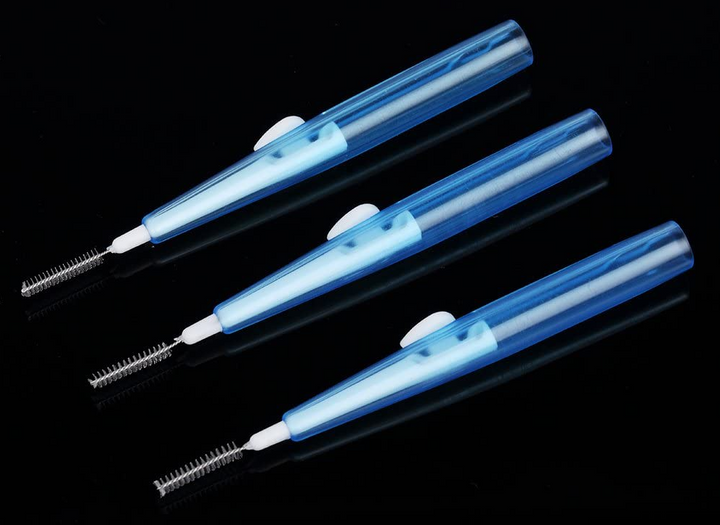
0.7mm Interdental Brush — Precision Cleaning for Braces


Choose from manual and electric facial cleansing brushes designed for daily cleansing, gentle exfoliation, or a more feature-focused routine. This category also includes interdental oral care brush heads, so check the product title carefully before buying and match the tool to your intended use.
Start with your preferred level of control. A manual silicone facial cleansing brush is simple, portable, and easy to use with your existing cleanser. An electric facial cleansing brush may suit shoppers who want powered movement, selectable settings, or a more structured routine. Consider the brush surface too: silicone bristles are easy to rinse and can provide a different feel from traditional brush heads. If you want extra functions, the 6-in-1 and 7-in-1 options include multiple attachments or modes for different steps. For a straightforward facial cleansing brush, choose a silicone or sonic model based on whether you prefer manual control or powered cleansing.
Manual facial cleansing brushes require no batteries or charging and let you control pressure and movement directly. Silicone models are a practical choice for shoppers who want a soft-feeling, easy-to-clean surface. Sonic facial cleansing brushes use powered vibration and are available in simple deep-clean designs or models with additional settings. Multi-function options, such as the 6-in-1 Electric Face Cleansing Brush and 7-in-1 Facial Cleansing Brush, are suited to shoppers who want more than one attachment in a single tool. The silicone model with LED light therapy and heat adds extra features for a more involved routine. Compare the included functions, controls, charging needs, and replacement-head requirements before choosing.
The best facial cleansing brush for you should match your skin comfort preferences, routine, and storage needs. Look for a handle that is easy to grip when wet, controls that are simple to operate, and a brush surface that can be rinsed thoroughly. For electric models, check the power method, charging setup, available modes, and whether the product includes interchangeable heads. A compact manual silicone brush can work well for travel, while a multi-function electric model may be more suitable for a dedicated bathroom setup. Read facial cleansing brush reviews for practical details such as comfort, cleaning, noise, and ease of use, rather than relying only on claims about results.
Wet your face and apply a cleanser according to its instructions before using the brush. If you are using an electric model, select a comfortable setting and guide it lightly across the face without pressing hard. Avoid holding the tool in one place for an extended time, and keep the first uses brief while you assess comfort. Rinse the brush after use, remove any cleanser residue, and allow it to dry fully in a clean area. Follow the product instructions for charging, attachments, and care. Facial cleansing brushes are for the face only; do not use them as interdental oral care brush heads. Keep those oral care products separate and use them only as directed for between-teeth cleaning.
A common mistake is using too much pressure because the brush feels more effective when pushed firmly. Excessive pressure or overly frequent use may feel uncomfortable, so adjust your technique and follow the product guidance. Do not share a facial cleansing brush without cleaning it appropriately, and do not store it while wet or covered in cleanser residue. Using an attachment for the wrong purpose can also reduce comfort, so check the included instructions before switching heads. Avoid combining a brush with products that already make your routine feel irritating. If you experience persistent discomfort, stop using the tool and seek advice from a qualified healthcare professional.
A facial cleansing brush may suit shoppers who enjoy a more hands-on cleansing routine, want gentle surface exfoliation, or prefer the feel of silicone or powered vibration. A manual model can be a good starting point if you are unsure whether you will use a brush regularly. Choose a simpler design when you want fewer settings, or consider a professional facial cleansing brush style with multiple functions if you prefer a more feature-rich routine at home. Anyone with easily irritated skin, existing skin concerns, or uncertainty about using a brush should take a cautious approach and consider professional guidance. Always follow the product instructions and stop if the tool feels uncomfortable.
A facial cleansing brush can help make cleansing feel more thorough and provide gentle surface exfoliation, depending on the design and how it is used. Results and comfort vary, so use light pressure, follow the instructions, and choose a brush surface that feels suitable for you.
Recommendations can depend on your skin, routine, and the specific brush. A facial cleansing brush is not essential for everyone, so use it cautiously and ask a dermatologist or other qualified healthcare professional if you have skin concerns or are unsure whether it is suitable.
The best option depends on your preferred routine. Choose a manual silicone model for simple control, a sonic model for powered vibration, or a 6-in-1 or 7-in-1 option if you want multiple functions. Also compare comfort, cleaning, charging, attachments, and product instructions.
They can help remove cleanser and surface buildup as part of a regular routine, but the experience differs by person and product. A brush cannot replace suitable skincare, and using too much pressure or using it too often may make the routine uncomfortable.
Potential downsides include discomfort from pressure, overuse, or a brush surface that does not suit you. Electric models also require charging and cleaning, while all brushes need proper care to remove residue. Stop using one if it causes persistent discomfort.
The best tool depends on the technique you want and how comfortable you find it. The facial cleansing brushes in this category are designed primarily for cleansing rather than being presented as dedicated lymphatic drainage tools. For specific drainage guidance, consult a qualified professional and follow their recommended technique.