
$69.90
Free delivery · 7–14 days
Hydrocolloid Nose Patches for Cleaner-Looking Pores


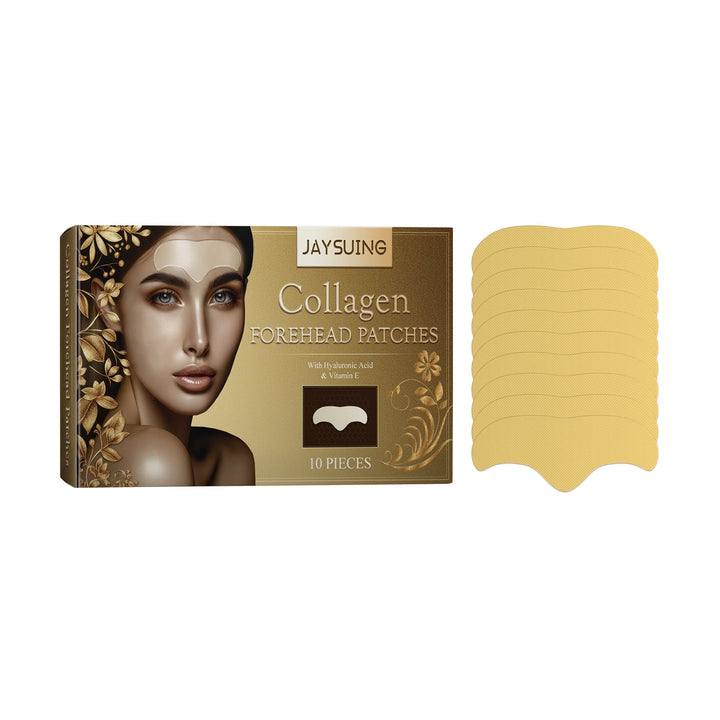


Face patches are targeted skincare accessories designed for specific areas, including the nose, forehead, cheeks and nasolabial folds. This category includes hydrocolloid, hydrogel and collagen-focused patches for concerns such as cleaner-looking pores, temporary hydration and smoother-looking skin.
Start with the area and finish you want. Choose Hydrocolloid Nose Patches for Cleaner-Looking Pores when your main goal is a neat, covered nose area. For dry-feeling or tired-looking skin, a Collagen Forehead Patch, Collagen Cheek Patches or Face Moisturizing Patch Set can add a hydrated, refreshed appearance. If expression lines are your focus, consider Forehead Wrinkle Patch - Hydrogel Anti-Aging Treatment, Collagen Forehead Patches or Nasolabial Fold Patches for Smoother Smile Lines Fast. Check the product description for placement, wear time and skin-preparation guidance. Shoppers comparing the best facial patches for wrinkles should also consider whether they prefer a single-area patch or a set covering several facial zones.
Face patches differ mainly by material, placement and intended cosmetic use. Hydrocolloid patches are commonly selected for the nose because they create a protective covering and support a cleaner-looking pore area. Hydrogel patches are designed to feel cooling or cushioning while sitting over areas such as the forehead. Collagen-focused patches and moisturizing patch sets are aimed at a temporarily smoother, softer or more hydrated-looking finish. Targeted shapes include forehead patches, cheek patches and patches for nasolabial folds. These products are not interchangeable: a nose patch may not fit the contours of a cheek, while a cheek patch may not stay secure on the forehead. Compare the shape and stated purpose before choosing the best face patches for your routine.
Look for a shape that matches the area you want to cover and a material that suits your preferred feel. A thin, well-shaped patch can be easier to position on the forehead or around smile lines, while a broader patch may be useful for cheek coverage. Review the listed ingredients if your skin is sensitive, and avoid products containing ingredients you already know cause irritation. Packaging should explain how to apply the patch, how long to wear it and whether to use it on clean, dry skin. For a multi-area routine, a Face Moisturizing Patch Set may be more practical than buying individual patches. Also check whether your goal is pore coverage, hydration or a smoother-looking appearance rather than expecting one product to address every concern.
Cleanse the area and pat it completely dry before application unless the product instructions say otherwise. Avoid applying face patches over oils, rich creams or makeup, as these can reduce adhesion. Carefully position a nose patch over the intended area, or place forehead, cheek and nasolabial patches without stretching the skin. Press the patch gently so the edges lie flat, then follow the recommended wear time on the product page or packaging. Remove it slowly and apply your usual skincare afterward if desired. Use each patch only as directed and do not place it on broken, irritated or freshly exfoliated skin. If you are trying face patches for wrinkles, take a consistent, appearance-focused approach and assess how your skin looks and feels after use.
One common mistake is choosing a patch by its name alone instead of matching it to the treatment area. Nose patches, forehead patches, cheek patches and nasolabial fold patches have different shapes and purposes. Applying a patch to damp, oily or freshly moisturized skin can also make it lift early. Do not pull the face tight while positioning a wrinkle or smile-line patch, and avoid wearing it longer than instructed. Another mistake is expecting a cosmetic patch to permanently erase lines, pores or dark-looking areas. Patch results can be temporary and may vary by skin type, placement and routine. Stop using a product if it causes discomfort or visible irritation, and patch-test new skincare ingredients when appropriate.
Face patches may suit shoppers who want targeted, low-mess skincare for one facial area at a time. They can be useful for people seeking a covered nose area, a more hydrated-looking forehead or cheeks, or a temporarily smoother-looking appearance around forehead lines and nasolabial folds. They are also convenient for routines where applying a product to a precise area is preferable to using a full-face mask. Those with very sensitive, irritated or compromised skin should review the ingredients and instructions carefully before use. Face patches are cosmetic skincare products, not a substitute for professional advice or treatment. If you are searching for face patches treatment, choose according to your appearance goal and follow the product directions rather than relying on exaggerated promises.
Face patches can provide a temporary cosmetic effect, such as a cleaner-looking nose area, added surface hydration or smoother-looking skin where the patch is applied. Results depend on the patch type, skin condition, fit and wear time. They should not be treated as a permanent solution for wrinkles, pores or dark-looking patches.
The best choice depends on the area you want to target. Forehead Wrinkle Patch - Hydrogel Anti-Aging Treatment and Collagen Forehead Patches are designed for a smoother-looking forehead, while Nasolabial Fold Patches focus on the appearance of smile lines. Compare shape, ingredients, instructions and the finish you prefer.
A dermatologist may recommend or discuss specific products based on an individual's skin and concerns, but suitability varies. Silicone patches are not the same as every hydrogel, collagen or hydrocolloid patch, so check the material and usage instructions. Seek professional guidance if you have persistent irritation or a skin concern that is changing.
Face patches may make the area look temporarily smoother or more hydrated, but they cannot promise to permanently remove 11 lines. A Collagen Forehead Patch or hydrogel forehead patch can be used as directed for a targeted cosmetic routine. For treatment options or persistent concerns, consult a qualified skincare professional.
“Poor man’s Botox” is an informal phrase sometimes used online for products or routines intended to make expression lines look temporarily smoother, including facial patches. It is not a medical treatment or a guaranteed alternative to Botox. Face patches in this category are cosmetic products with appearance-focused benefits.
No face patch can reliably take a specific number of years off your appearance. Targeted patches may temporarily improve the look of hydration, smoothness or freshness in selected areas, depending on your skin and the product. Choose a patch for your actual concern, follow its instructions and avoid claims that promise dramatic or permanent results.