
$64.90
Free delivery · 7–14 days
Automotive Glass Oil Film Cleaner for Clear Vision
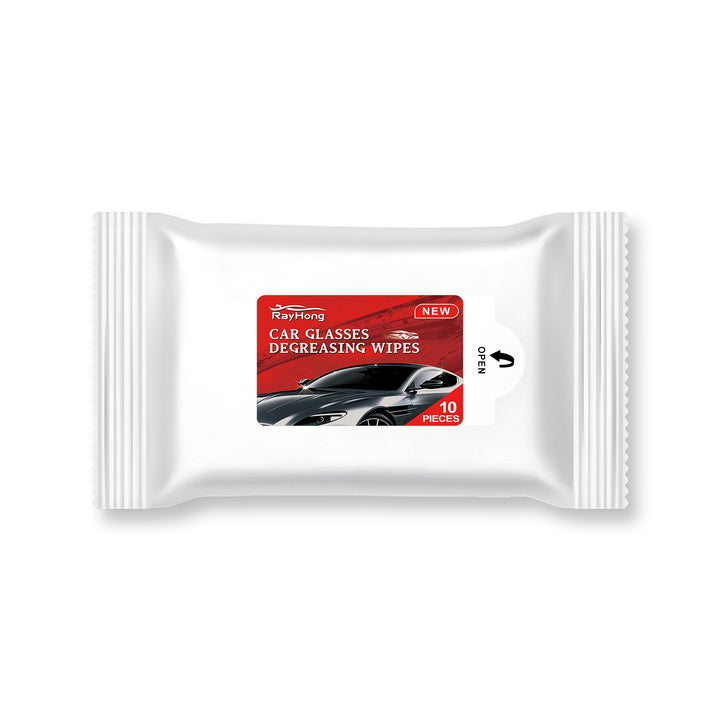


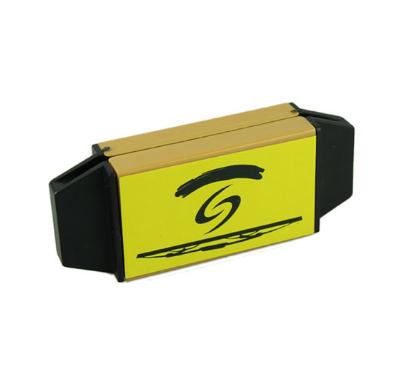

Eyeglass cleaners help remove fingerprints, dust, skin oils, and everyday smudges from lenses and frames. This category includes sprays, wipes, anti-fog formulas, cleaning cloths, and selected glass-care products, so choose based on the surface you are cleaning and the finish you want.
Start by identifying the item you need to clean: prescription glasses, sunglasses, screens, household glass, or automotive glass. For everyday eyeglasses, choose a lens cleaning spray or pre-moistened lens cleaning wipes that are labeled for coated lenses or glasses. Add a soft eyeglass cleaning cloth for drying and buffing without leaving lint. If fogging is your main concern, consider an anti-fog spray intended for glasses, and follow its directions carefully. Automotive glass oil film cleaner, windshield cleaning wipes, and wiper blade restorer are designed for vehicle surfaces rather than eyeglass lenses. When comparing an eyeglasses cleaner spray, check the product directions, compatible surfaces, application method, and whether it requires a separate dry cloth.
Sprays are useful when you want to control the amount applied and clean several lenses with one bottle. Wipes are convenient for bags, desks, travel, and quick touch-ups because each sheet is ready to use. A reusable eyeglass cleaning cloth works well for removing light fingerprints after loose dust has been removed, but it should be washed as directed and kept free of grit. An ultrasonic glasses cleaner or eyeglass cleaner machine uses water and vibration rather than a simple wipe; compatibility depends on the device and the item being cleaned, so check its instructions before use. Anti-fog products target condensation, while ordinary lens cleaners focus on surface marks. Choose one method or combine them according to the cleaning task.
Look for clear directions that identify suitable surfaces, such as eyeglass lenses, sunglasses, frames, or screens. If you are researching clear view lens cleaner ingredients, review the actual label or product listing instead of relying on a generic recipe or assumption. A spray with a fine mist can help limit overapplication, while individually wrapped wipes are practical for travel. Check whether the product calls for a dry microfiber cloth, rinsing, or a specific drying method. Avoid products that do not explain where they can be used, especially when your lenses have anti-reflective, tinted, mirrored, or other coatings. For multipurpose products, confirm that eyeglass lenses are explicitly included; a cleaner made for windshields or household glass is not automatically suitable for glasses.
First, wash and dry your hands so you do not transfer lotion or grit to the lenses. If loose dust is present, gently rinse the glasses with clean, lukewarm water when the product and lens manufacturer allow it. Apply a small amount of eyeglass cleaner spray to the lens or to the specified cleaning cloth, then wipe both sides and the frame using light pressure. Finish with a clean, dry eyeglass cleaning cloth, using a fresh area for each pass. For wipes, use one sheet as directed and avoid rubbing with a dry, dirty tissue afterward. Do not spray into hinges, openings, or electronic components. Store the cloth and cleaner in a closed, clean place so they do not collect particles between uses.
Do not assume household glass cleaner, windshield cleaner, or Windex is suitable for eyeglass lenses. These products may not be intended for lens coatings or frame materials, and product directions should take priority. Avoid paper towels, tissues, clothing, and abrasive household sponges because they can hold grit or leave lint. Do not use hot water, strong solvents, or an unapproved eyeglass cleaner spray recipe. Also avoid dry rubbing when dust or sand is on the surface. If you are considering Dawn dish soap or another dish detergent, check the lens maker’s or cleaner’s instructions first rather than applying it automatically. Never use automotive glass oil film cleaner, windshield wipes, or wiper blade restorer on eyeglasses unless the label specifically says they are suitable.
Lens cleaning sprays suit people who clean glasses at home, at work, or in a shared household and want to control the amount used. Pre-moistened lens cleaning wipes are a practical choice for commuters, travelers, students, and anyone who wants an individually packaged option. A reusable eyeglass cleaning cloth fits shoppers who prefer a simple, low-waste routine and can keep the cloth clean. Anti-fog spray is worth considering when condensation is the recurring problem, provided it is intended for your lenses and used as directed. Screen and glass wipes may suit phones, tablets, or other compatible surfaces, but do not treat them as eyeglass cleaners without checking the label. Automotive products are better matched to windshields and wiper components.
For routine cleaning, use a product labeled for eyeglass lenses together with a clean, soft eyeglass cleaning cloth. A lens cleaning spray or purpose-made lens wipe can remove fingerprints and surface smudges when used according to its directions. Avoid dry rubbing if the lenses have loose dust or grit on them.
Do not assume every dish soap is suitable for coated lenses or frames. Check the lens maker’s care instructions and the cleaner’s label first, and avoid formulas with additives that the instructions do not permit. A dedicated eyeglass cleaner is the more straightforward choice when you are unsure.
No. Eyeglass cleaner is formulated and labeled for use on lenses, while Windex and similar household glass cleaners may be intended for windows or other hard surfaces. Use only a household cleaner that explicitly states it is suitable for eyeglasses and their coatings.
The best choice depends on the lens and coating instructions, but a dedicated eyeglass cleaning spray is designed for this specific task. Apply it as directed and finish with a clean, soft cloth. Do not substitute automotive, windshield, or household glass formulas without confirming compatibility.
Avoid paper towels, tissues, clothing, abrasive materials, hot water, strong solvents, and unapproved household or automotive glass cleaners. These materials may leave lint, hold grit, or be unsuitable for lens coatings and frames. Also avoid rubbing dusty lenses while dry.
Cleaning methods vary, but opticians commonly use products and soft cloths intended for optical lenses, following the lens and coating manufacturer’s care guidance. Some may also use specialized equipment for particular items. At home, choose a labeled eyeglass cleaner spray or lens wipe and use it with a clean cloth.
Not necessarily. Check the machine instructions and the glasses or lens manufacturer’s guidance before using an ultrasonic glasses cleaner. Some frames, attachments, coatings, or decorations may require a different cleaning method.