$122.90
Free delivery · 7–14 days
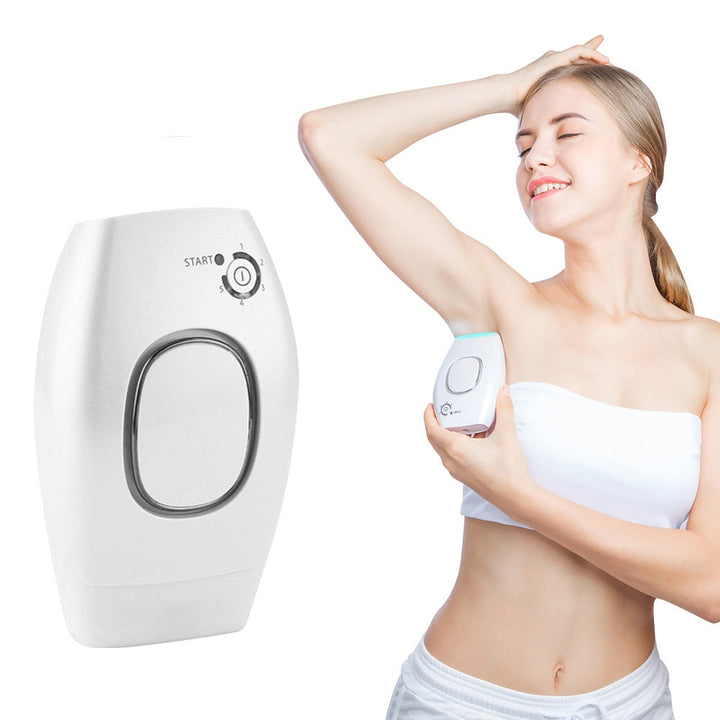
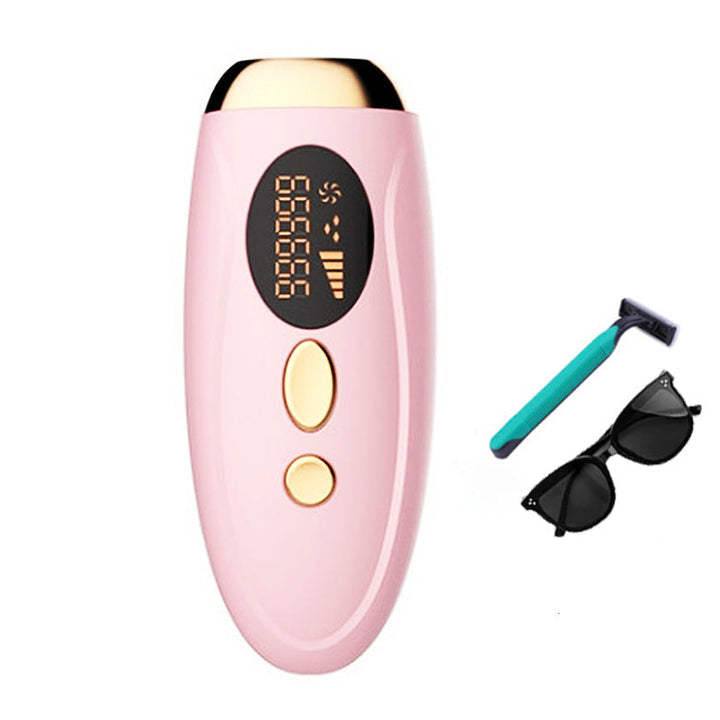
IPL Laser Hair Removal Device — Smooth, Hair‑Free Skin at Home


Epilators remove hair from the root, while shavers, dermaplaning tools, sprays and IPL devices use different approaches. This guide compares the options in this category so you can choose a practical epilator for the face, body or selected areas based on comfort, attachments, power source and your preferred routine.
Start with the area you want to treat. A facial epilator or lighted dermaplaning tool is designed for more controlled work on small areas, while a two-head or 3-in-1 electric epilator can suit legs and other larger body areas. If you want fewer separate tools, choose a model that combines epilation, shaving and massage functions. A rechargeable epilator is convenient for regular use, whereas a corded or battery-powered design may suit occasional use. Consider whether you prefer wet or dry use, adjustable speed, a built-in light and washable components. For gentle body hair removal, a crystal glass epilator offers a different surface-based approach rather than root removal. Compare the included heads carefully before choosing.
Electric epilators use rotating tweezers or discs to pull hair from the root and are available in body, facial and multi-function designs. Two-head models can help cover more than one task, while epilator-and-shaver devices let you trim or shave when root removal is not preferred. A dermaplaning tool is intended for controlled surface exfoliation and facial hair removal, not the same process as electric epilation. Crystal glass epilators use gentle rubbing to remove surface hair and can be useful when you want a compact, non-powered option. Hair removal sprays work differently by loosening hair at the skin surface; follow the label closely. IPL devices use light-based hair reduction technology and require consistent use according to the product instructions.
Look for features that match your routine rather than choosing by appearance alone. A built-in light can help you see fine facial or body hair, while multiple speed settings may make it easier to begin at a comfortable pace. Check whether the head is washable, whether the device is suitable for wet and dry use, and how it charges. A quieter rechargeable epilator may be preferable for regular grooming. For facial use, prioritize a narrow head or a tool designed specifically for the face, and avoid assuming that a large body head is suitable for delicate areas. If you want flexibility, a 3-in-1 model or epilator and shaver combination can cover more routines. Read the product instructions for permitted areas, attachments and cleaning.
An electric epilator catches hairs and removes them from the root as you move the head across the skin. Before use, clean and dry the area unless your model is specifically designed for wet use. Hold the skin taut, place the device at the recommended angle and move it slowly against the direction of hair growth without pressing hard. Begin with a small area so you can judge the sensation, and use a lower speed if available. Clean the head after each session as directed. Facial tools and dermaplaning devices need especially controlled movements around the contours of the face. Do not use a product on areas excluded by its instructions, and stop if the skin feels excessively uncomfortable.
A common mistake is pressing too firmly, which does not necessarily improve hair removal and can make the process less comfortable. Moving too quickly may leave hairs behind, while repeatedly passing over one spot can increase skin irritation. Avoid using a body epilator on the face unless the product specifically permits it. Do not share personal grooming tools, and clean removable heads according to the instructions. If you are trying a spray, patch-test as directed on the label and observe its stated timing; leaving it on longer is not a shortcut. For IPL, shave or prepare the area only as the device guide recommends and follow its schedule. Avoid treating broken, irritated or recently sensitized skin, and allow the area to settle before applying strongly fragranced products.
Epilators suit shoppers who want a reusable hair-removal tool and are comfortable with a method that can feel more intense than shaving. They can be useful for legs, arms and selected body areas, while a dedicated epilator for the face offers more control for small areas. Shoppers who dislike root removal may prefer an epilator and shaver, dermaplaning tool or surface hair-removal option. A crystal glass epilator may appeal to people seeking a compact, non-electric design. For pubic hair, use only a device whose instructions clearly allow the intended external area; avoid delicate internal skin and proceed cautiously. People with easily irritated skin should read the instructions, test a small area and choose a gentler approach if needed.
Neither method is universally better. An epilator is reusable and can be used at home in small sections, while waxing removes hair with a coating that is spread and pulled away. Both remove hair from the root and may feel uncomfortable, so choose based on your preferred routine, control and product instructions.
Epilation can feel uncomfortable, especially when you are new to it, and it may leave temporary redness or sensitivity. It also takes practice to use effectively and may not suit every area. A shaver, dermaplaning tool or other surface-removal option may be preferable if you want a quicker or less intense-feeling routine.
There is no single hair-removal method that suits everyone. An epilator can be part of a personal grooming routine when it is used as directed, kept clean and applied only to permitted areas. If you have a skin concern, persistent irritation or uncertainty about a specific area, ask a qualified healthcare professional for personalized advice.
Only use an epilator on pubic hair if the product instructions specifically permit the external area you intend to treat. Avoid internal or delicate skin, use careful control and consider a trimmer or shaver designed for that area instead. Stop if the skin becomes uncomfortable and follow all cleaning and preparation guidance.
There is no single healthiest option for everyone. Trimming, shaving, surface-removal products and epilation each have different comfort and skin considerations, so choose a method you can use hygienically and according to its instructions. Do not apply a product to excluded areas, and seek professional advice for ongoing or severe irritation.
It depends on the model. Some electric epilators are designed for wet and dry use, while others should stay dry; check the product instructions before adding water. Dry use may offer more visibility of fine hair, while wet use may feel more comfortable for some shoppers, but the correct method is the one approved for your device.