
$145.90
Free delivery · 7–14 days
Air Compression Leg Massager — Relief for Tired Legs & Knees
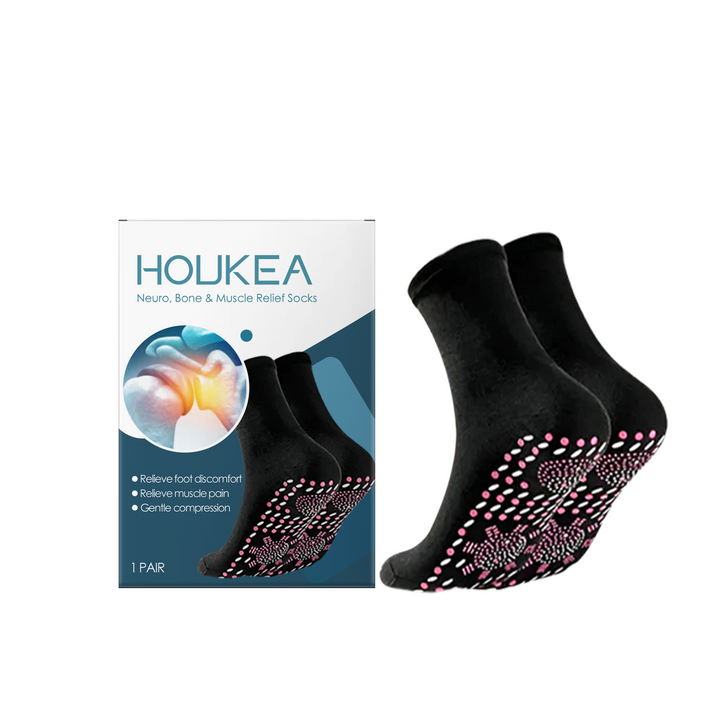


Diabetic compression socks can combine gentle leg support with a comfortable, non-binding fit for everyday wear. Compare compression levels, fabric, toe construction, and cushioning to find an option suited to your routine, footwear, and personal comfort needs.
Start by checking the product’s compression level, size chart, and intended use. A comfortable fit should feel supportive without causing pinching, numbness, unusual color changes, or discomfort. Look for a soft, non-binding top, smooth seams, and enough room in the toe area. Cushioned foot sections may suit shoppers who spend long periods standing, while lighter fabrics can work better with close-fitting shoes. Consider whether you want ankle-to-calf coverage for daily wear or a design with added arch support. Shoppers comparing diabetic compression socks for men and diabetic compression socks for women should focus on measurements rather than labels alone, since calf size, foot length, and shoe fit determine comfort. If you have diabetes, reduced sensation, circulation concerns, swelling, or foot problems, ask a qualified healthcare professional whether compression is appropriate before buying.
Daily comfort compression socks are a practical starting point for work, travel, and routine activities. Foot Care Compression Socks for Daily Comfort Support focus on a soft feel and everyday support. Socks with added circulation-focused compression may appeal to shoppers seeking a firmer supportive feel, such as IonTechPro Compression Socks – Superior Circulation. Five-Finger Compression Socks with Arch Support — Foot Pain separate the toes and add arch support, which may suit people who prefer extra room between toes or a different foot structure. Anti-Bunions Compression Socks — Visible Reduction in 8 Weeks are designed around bunion comfort and toe-area space; review the fit carefully before wearing them for long periods. An Air Compression Leg Massager — Relief for Tired Legs & Knees is not a sock, but it offers a separate leg-comfort option.
Prioritize features that make socks easier and safer to wear consistently. A clearly stated size range helps prevent an overly tight or loose fit. Look for a smooth toe seam, soft stretch fabric, breathable construction, and a top band that stays in place without digging into the skin. If your feet are sensitive, choose cushioning and a roomy toe box over bulky seams or rough textures. Moisture-managing fabric can help keep feet more comfortable, but socks should still be changed when damp or soiled. Check washing instructions because heat or harsh laundering can affect elasticity. For online searches such as diabetic compression socks Amazon or diabetic compression socks Walmart, compare the actual specifications, size chart, compression details, and return policy instead of relying only on marketplace titles or review counts.
Put compression socks on when your legs are at their least swollen, often at the start of the day, unless a healthcare professional gives different instructions. Turn the sock inside out to the heel, place your foot fully into the toe and heel pockets, then gradually smooth the fabric up the leg. Do not bunch, roll, or fold the top band, since uneven pressure can create uncomfortable tight spots. Check your toes and skin after putting them on, especially if you have reduced sensation. Remove the socks if you notice pain, marked discomfort, unusual color changes, or worsening symptoms, and seek professional advice when needed. Follow the product’s care instructions and inspect the fabric regularly for stretched areas, holes, or rough seams. Ask a clinician how long to wear them if you are unsure.
One common mistake is choosing a size based only on shoe size. Compression socks also depend on calf and ankle measurements, so use the product chart. Avoid wearing a pair that wrinkles, slips, cuts into the skin, or feels painful. Do not pull aggressively on the top band, cut the sock, or alter its compression. Wearing damp socks, ignoring skin irritation, and continuing through numbness or unusual discoloration can also create problems. Another mistake is assuming every compression sock is suitable for every person with diabetes. Diabetes may involve reduced sensation, circulation issues, or foot concerns that require individual guidance. Replace socks when elasticity or fabric condition changes, and keep a clean rotation for regular use. If putting them on is difficult, consider a donning aid or ask a healthcare professional for technique advice.
These socks may suit adults who want supportive, comfortable legwear for daily activities, work, travel, or extended sitting and standing, provided the fit and compression level are appropriate. They are not automatically right for everyone with diabetes, and they should not replace medical advice or treatment for foot, leg, or circulation concerns. Shoppers looking for the best diabetic compression socks for women or the best diabetic compression socks for men should compare measurements, toe room, fabric, and support rather than choosing by gendered marketing. People with neuropathy, open sores, significant swelling, skin changes, or known circulation problems should get professional guidance before using compression. If you are searching for diabetic compression socks near me, a local pharmacy, footwear specialist, or healthcare provider may help with sizing and product selection.
Some people with diabetes may be able to wear compression socks, but suitability depends on individual health factors, including circulation, skin condition, swelling, and sensation. Ask a qualified healthcare professional before using compression if you have diabetes or related foot and leg concerns.
Look for a comfortable, non-binding top, smooth seams, breathable fabric, a roomy toe area, and a size based on accurate foot and calf measurements. The best choice also depends on whether you need light daily support, cushioning, arch support, or a design that accommodates toe or bunion concerns.
There is no single best option for everyone with diabetic neuropathy. Reduced sensation can make it harder to notice pressure or irritation, so seek professional guidance and choose a properly fitted pair with soft fabric, smooth seams, and adequate toe room.
Wear time depends on the product, your comfort, and professional advice. Start according to the care or usage instructions, check your skin and toes regularly, and remove the socks if they cause pain, unusual color changes, numbness, or other concerning symptoms.
Do not roll or fold the top, allow the fabric to bunch, cut the sock, or continue wearing it if it causes pain or noticeable skin changes. Avoid wearing damp or damaged socks, and seek advice if you have diabetes, reduced sensation, wounds, or known circulation concerns.
Diabetic-focused designs commonly emphasize a non-binding fit, soft materials, smooth seams, cushioning, and extra toe room to support comfort for sensitive feet. Regular compression socks may prioritize compression performance without including those comfort features, so compare construction details, sizing, and compression level rather than relying on the label alone.